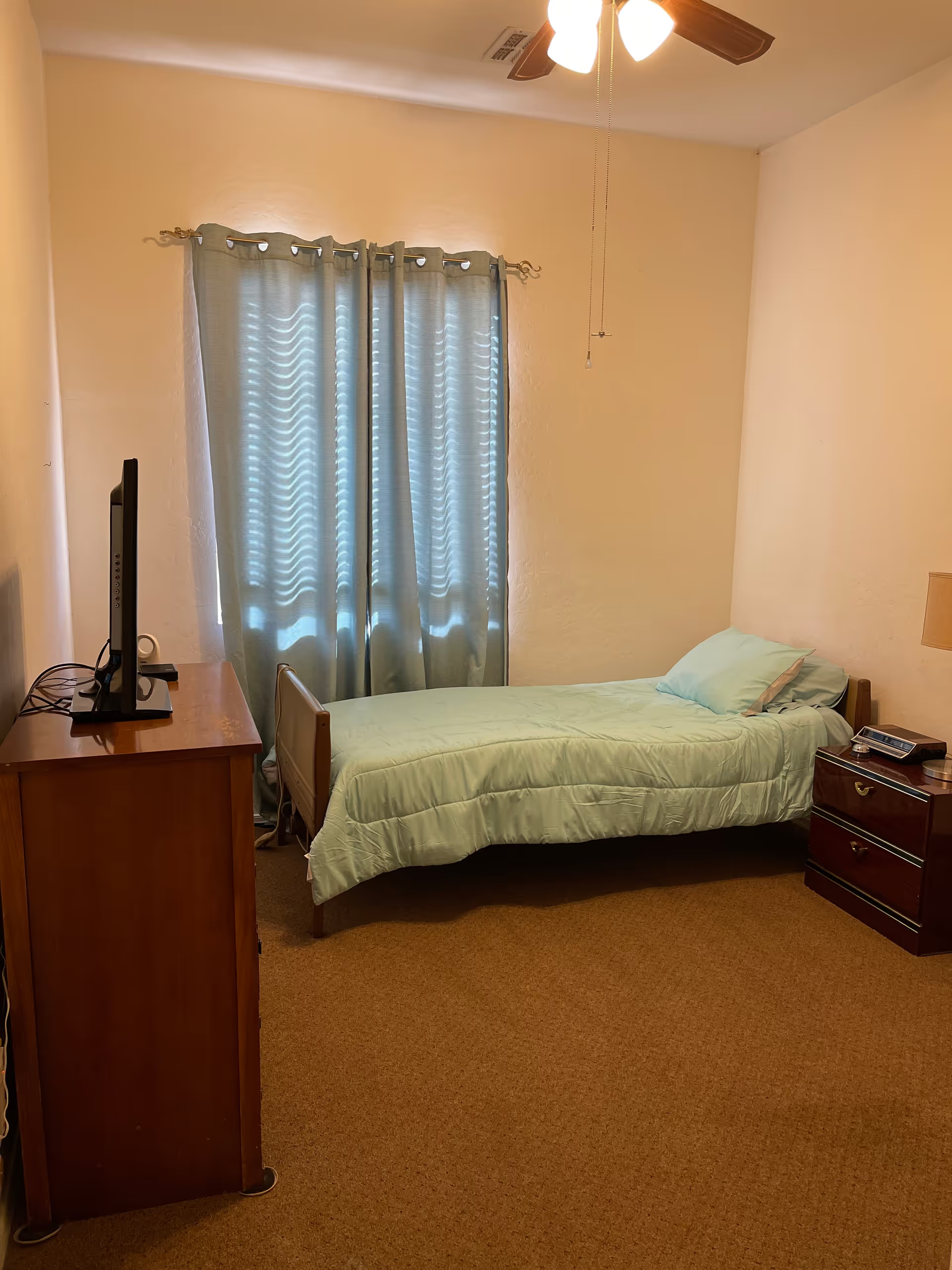
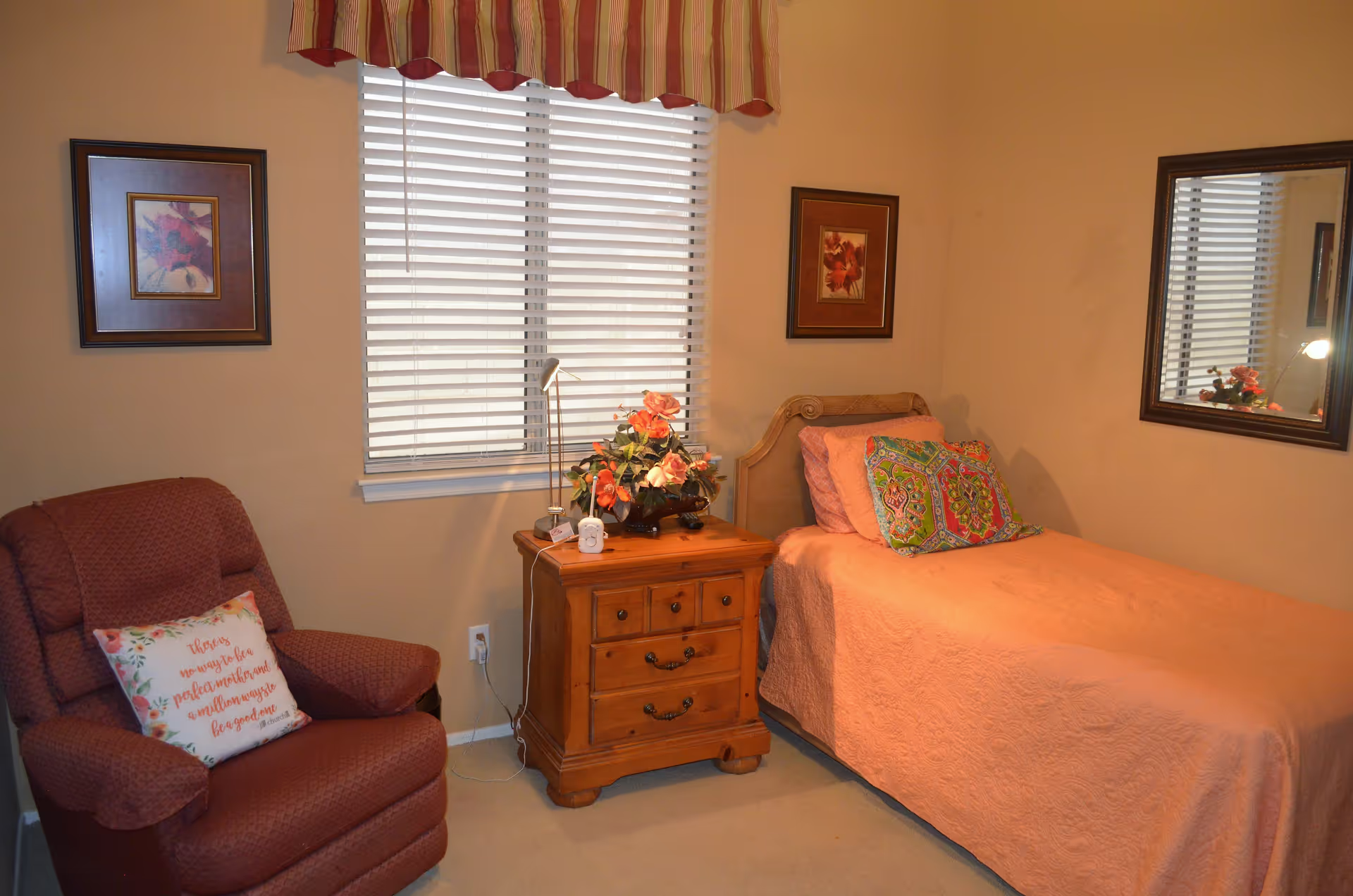
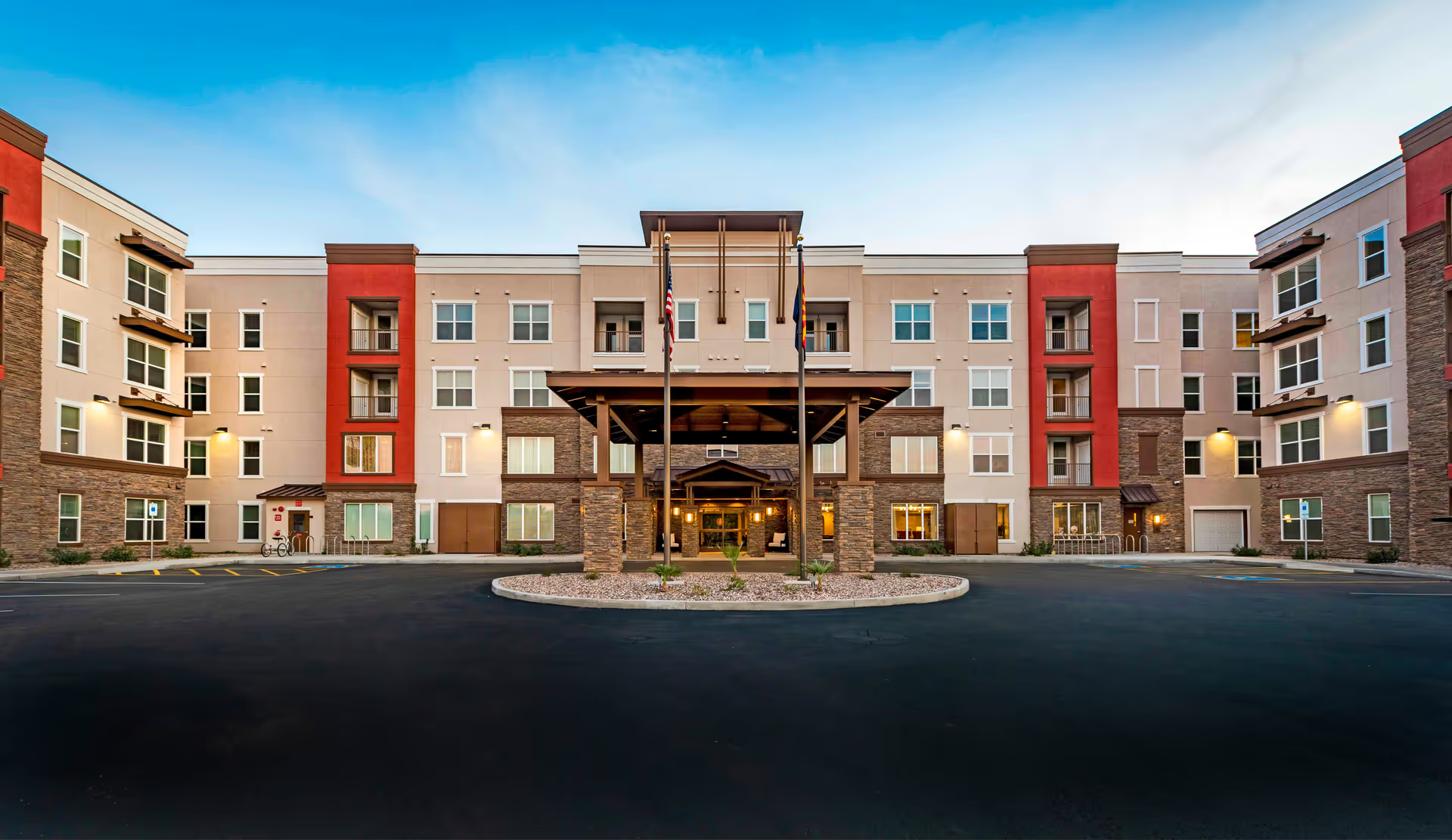
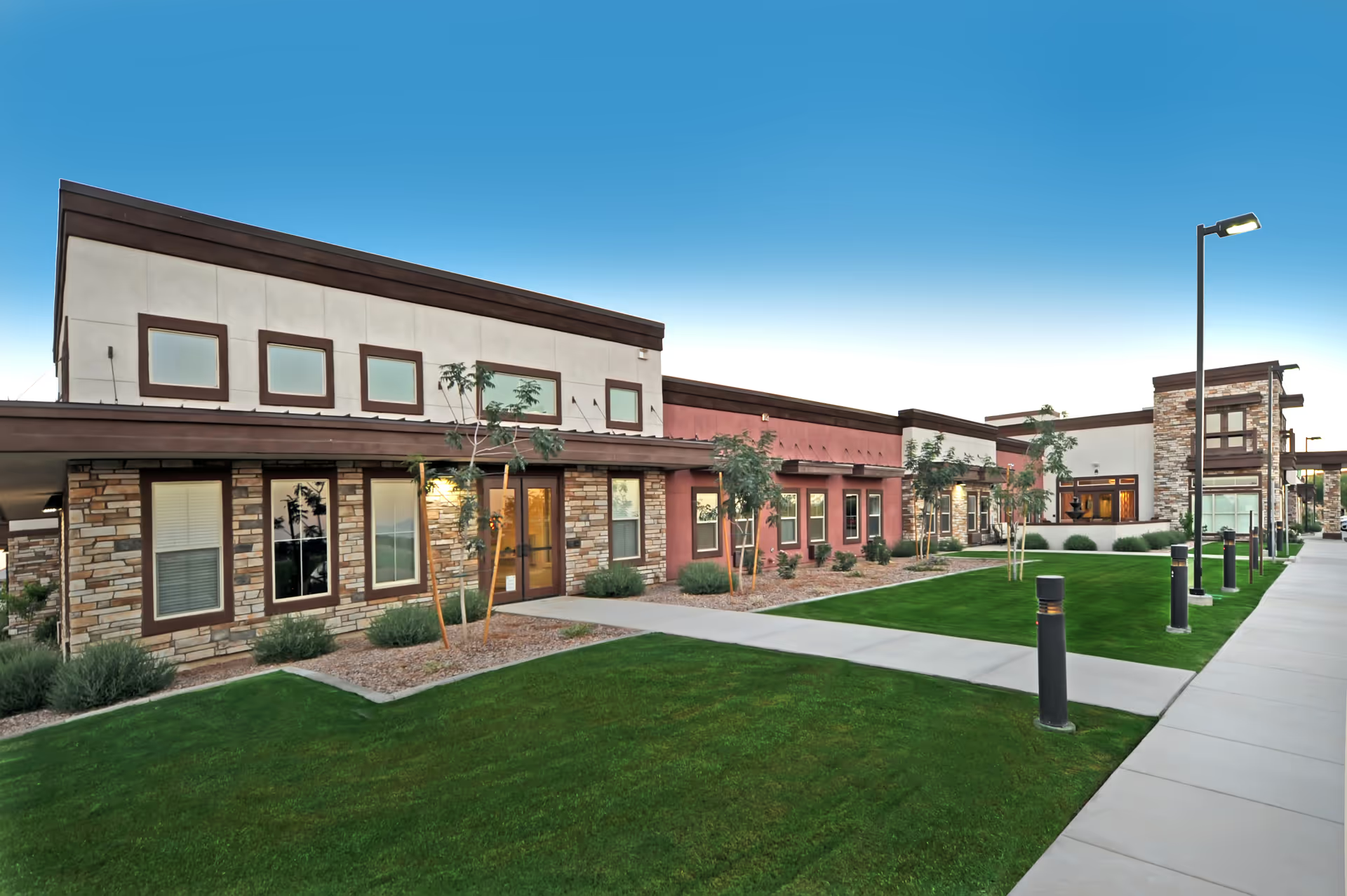
Clarendale of Chandler is consistently described as a new, well‑appointed community with strong physical assets and an extensive amenity set. Reviewers praise the contemporary design, cleanliness, wide corridors, large elevators and a variety of on‑site spaces — fitness rooms, pool, art studio, movie theater and resort‑style dining rooms. Independent living apartments often feature full kitchens and in‑unit washers/dryers, and building maintenance and housekeeping receive positive comments. The location, accessibility to local shopping, and visible holiday/seasonal programming contribute to a positive first impression.
Staff and care receive mostly favorable mentions: many families describe staff as warm, attentive, professional and effective at providing peace of mind and clear family communication. Move‑in support and concierge services are often cited as smooth, and the community's activities staff is credited with offering a broad calendar of options that ranges from fitness and yoga to crafts, outings and resident clubs. The community also offers on‑site medical conveniences such as portable x‑ray and physician visits, which reviewers found valuable.
At the same time, there are recurring operational concerns that prospective residents and families should evaluate during a tour. Several comments point to inconsistent staffing and lower staff‑to‑resident ratios in assisted living and memory care compared with independent living. That variation is linked to gaps in dementia‑specific training, uneven adherence to individualized care plans and inconsistent assistance with activities of daily living. Memory care dining and meal service are highlighted as less consistent than independent living dining; reviewers referenced cold or limited meal options and longer service delays in higher levels of care.
Administrative and management patterns emerged as another theme. While many reviewers praise individual staff and department responsiveness, others described breakdowns in follow‑through (guest‑suite confirmations, after‑hours access, internet setup and some logistical coordination). There are also comments about value — occasional rate increases and perceptions that certain services or amenity promises were still ramping up — that prospective residents should clarify against contract terms. Finally, the community appears to be in an occupancy and program ramp‑up phase in places; this can mean plentiful amenities but also variable social dynamics and evolving staffing models.
In summary, Clarendale of Chandler offers a modern, amenity‑rich environment with many strengths in hospitality, dining (particularly in independent living), activities and property upkeep. Key due‑diligence topics for families are staffing levels and training in assisted living and memory care, meal and service consistency across care levels, administrative follow‑through, and clear discussions about cost, included services and visitation/access policies. Asking for current staffing ratios, dementia‑care training protocols, sample care plans, memory‑care dining menus, and copies of recent family communications or incident‑management procedures will help clarify whether the community’s operational performance aligns with the generally positive facility features and staff praise.