Overall assessment: The facility is frequently characterized as providing compassionate, dementia-competent care with a visible staff presence and strong family communication. Caregivers are described as attentive and patient with dementia-related behaviors; staff employ personalized redirection techniques and there is routine dementia-focused training. Families commonly cited relief and peace of mind, often noting good coordination with hospice providers and regular updates from leadership and the Wellness Director.
Care and clinical patterns: Clinical care is generally portrayed as competent and resident-centered, with examples of effective end-of-life comfort and coordination with outside clinicians. However, reviewers identified several operational clinical gaps: fall prevention and resident-supervision processes appear to need reinforcement, and there are examples that suggest pre-admission screening for skin integrity and personal-hygiene needs can be inconsistent. These are patterns to monitor for prospective residents with high mobility risk or complex clinical needs.
Staff, leadership, and culture: Staff interactions and leadership presence receive strong praise. Care aides, admissions staff, housekeeping, and the director named by families are often described as warm, welcoming, and hands-on. The campus culture is noted as respectful and personal, with frequent, friendly greetings and clear efforts to include families in care. At the same time, a subset of accounts raises concerns about management responsiveness and incident follow-up in specific situations; there are also allegations of theft that families reported, which point to opportunities for stronger accountability and tighter valuables-management procedures.
Activities, dining, and daily life: The programming menu is robust and varied — examples include bingo, word games, arts and crafts, target toss, puzzles, church services, live singing, and therapy-dog visits. Residents are described as engaged and offered purposeful daily routines. Dining and living arrangements are generally described as comfortable and accommodating, with private and shared room options and linens/hygiene supplies provided. There is limited specific feedback on food quality, but living/dining arrangements were referred to as comfortable by families.
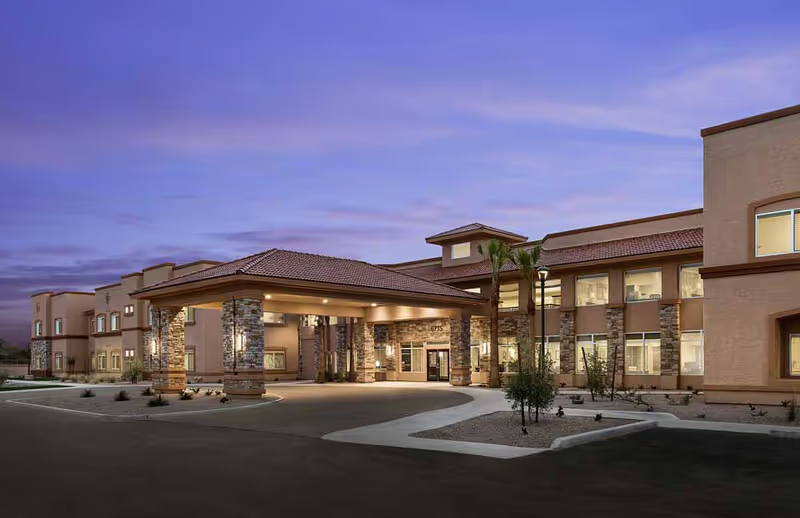
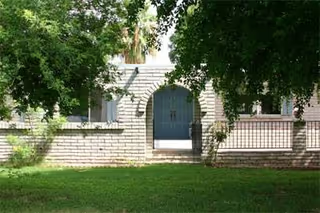
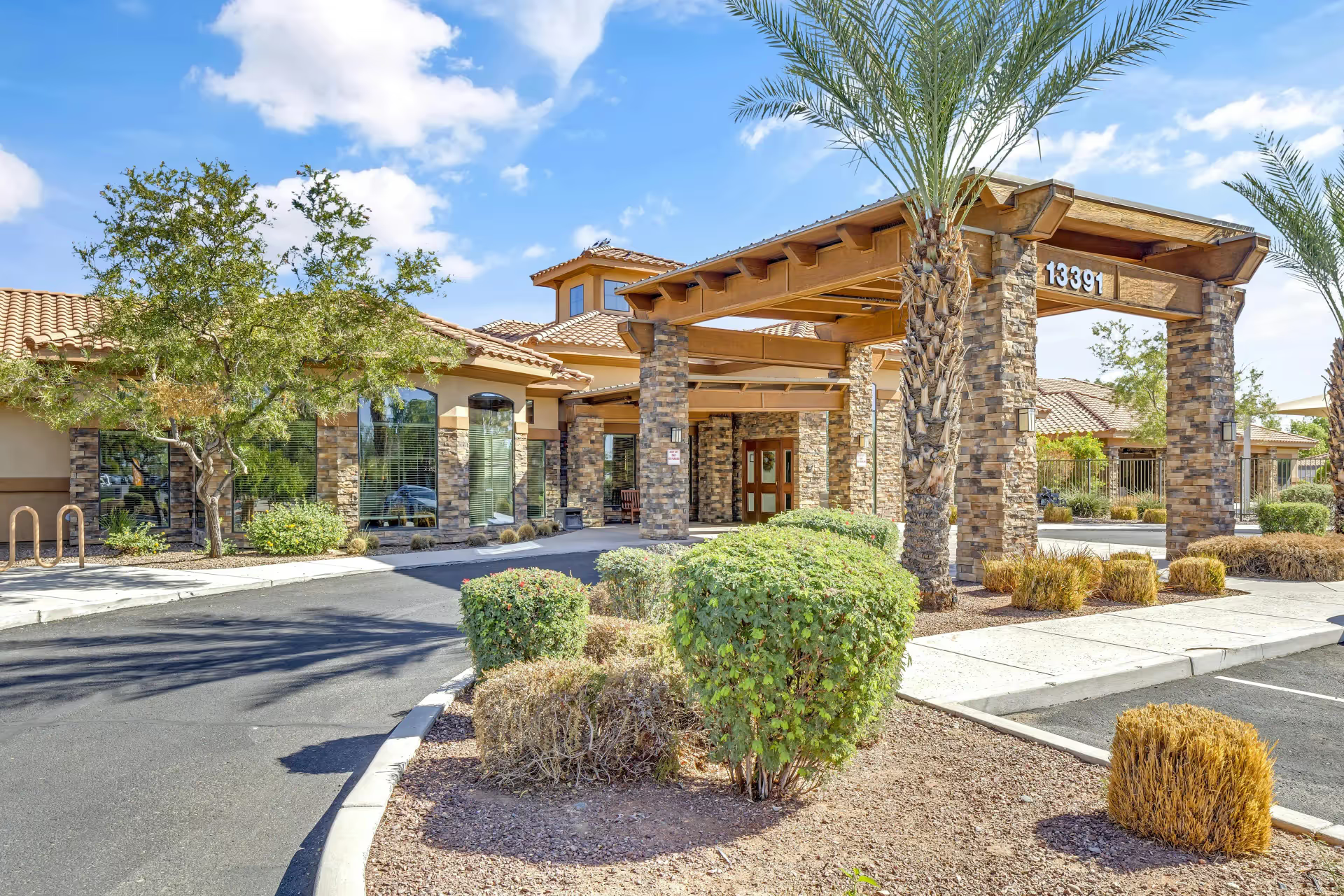
Facility and environment: The physical plant is consistently noted as clean, bright, and well maintained, with a courtyard and a layout families find pleasant. The memory-care neighborhood is described as secure, though reviewers also flagged occasions when residents wandered into other rooms, indicating room-access controls and supervision practices could be strengthened. Some families found certain common areas large or crowded and less cozy than smaller settings, which may affect residents who prefer a more intimate environment.
Notable patterns and recommendations: Strengths include a strong caregiving culture, active family communication, comprehensive activities, and coordinated hospice support — factors that produce relief and high recommendations from many families. Operational weaknesses to consider are resident-supervision and fall-prevention processes, pre-admission clinical screening, valuables-security controls, and occasional lapses in management follow-through and bereavement communication. Prospective families should ask for details about fall-prevention protocols, admission clinical-assessment practices, valuables/inventory policies, and examples of incident escalation and family outreach when evaluating the community.