Reviews of The Ranch Estates of Tucson present a largely positive picture of resident care and the campus environment, with recurrent praise for front‑line staff and the facility’s physical amenities. Care quality is frequently described as compassionate and attentive: reviewers highlight a high level of personal attention, supportive memory‑care teams, routine wellness checks, medication management, and availability of on‑site clinical services (NP visits, lab and imaging access, and hospice support). Families consistently note strong move‑in and transition support, with admissions staff and certain leaders singled out for proactive communication and hands‑on assistance.
Staffing and leadership are a central strength in many accounts. Long‑tenured employees and a culture of personalized attention are commonly reported; marketing and admissions personnel receive repeated commendation for easing transitions and maintaining family communication. At the same time, there are patterns of concern around staffing stability: reviewers describe turnover associated with management changes, occasional understaffed shifts, and variable responsiveness during night hours. Prospective families should clarify current staffing ratios and night‑shift procedures during a tour.
Dining is a mixed area. The community offers restaurant‑style service, flexible menus, and some reviewers praise chef‑driven meals and plentiful options (including 24/7 breakfast availability). Conversely, a persistent theme is inconsistent meal quality — complaints include cold or bland dishes, repetition of menu items, and a perceived gap between assisted living and memory‑care meal experience. These issues appear operational rather than sporadic, so confirming current menu planning and sample dining is advisable.
Activity programming and social life are frequently highlighted as strengths: there are many activities, outings, and community events (from car shows to mystery rides), accessible common spaces, and outdoor seating areas that support socialization. However, some reviewers note limited or uneven engagement opportunities for residents with greater cognitive impairment and occasional restrictions on movement for memory‑care residents; families should discuss how the community individualizes programming for different ability levels.
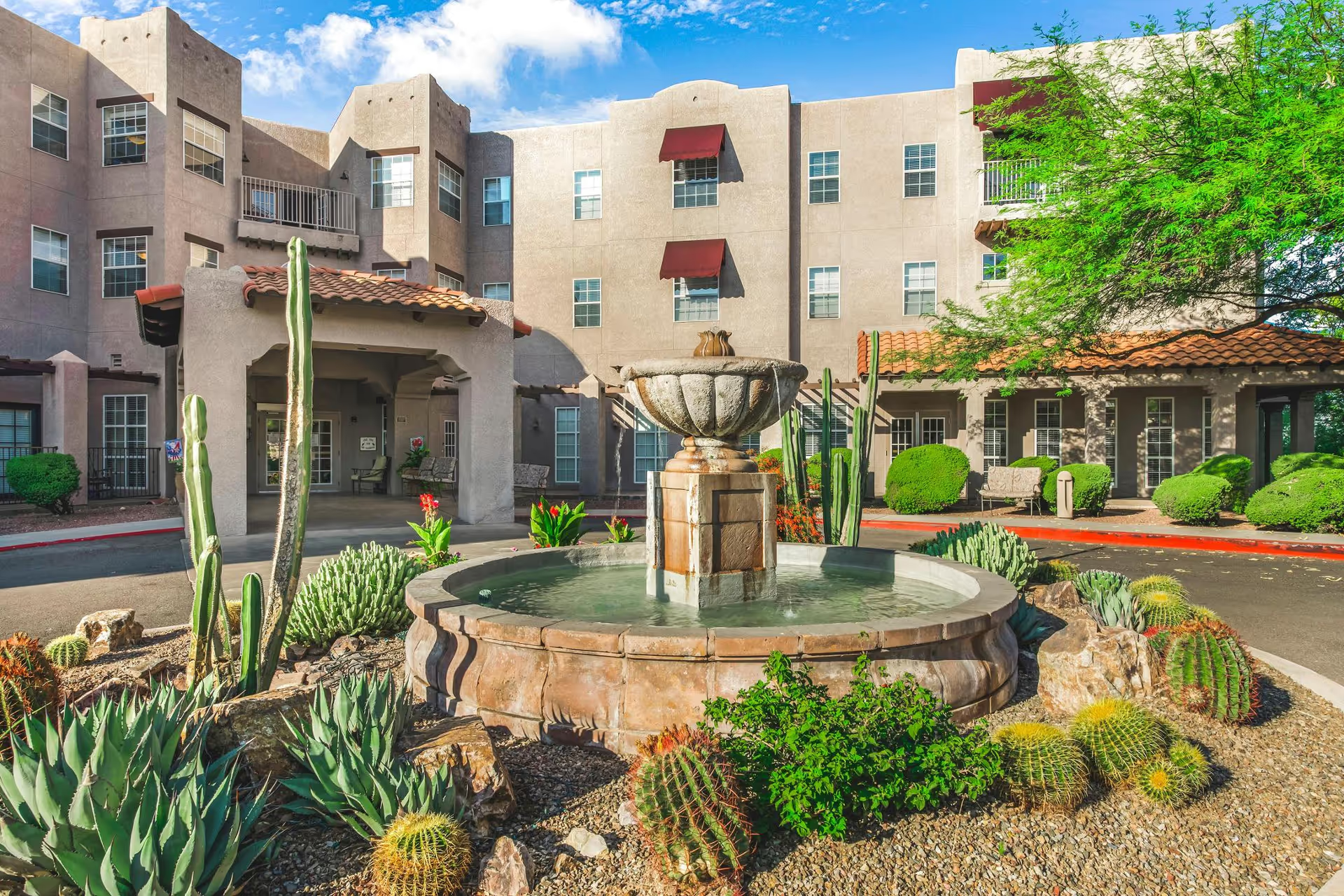
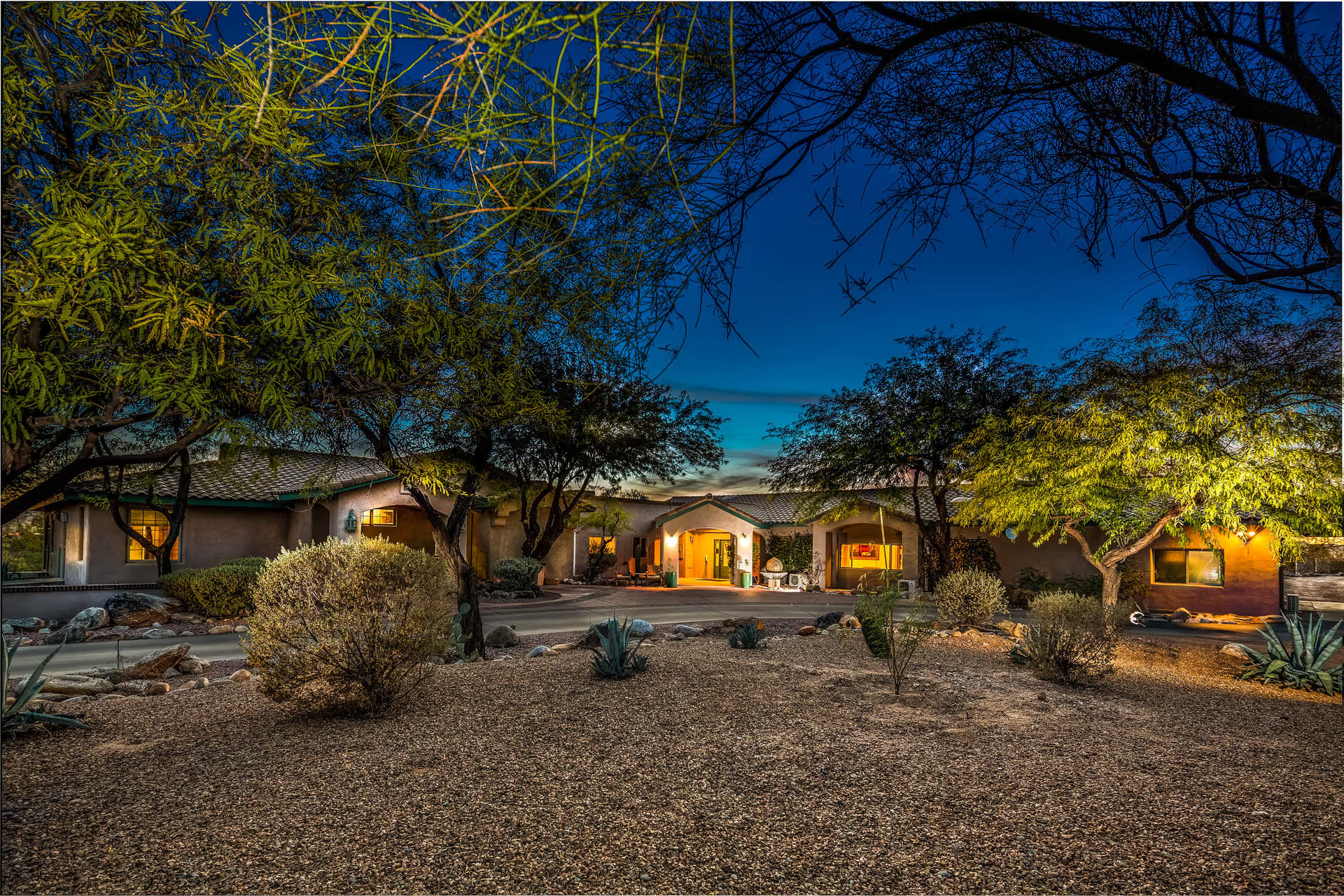
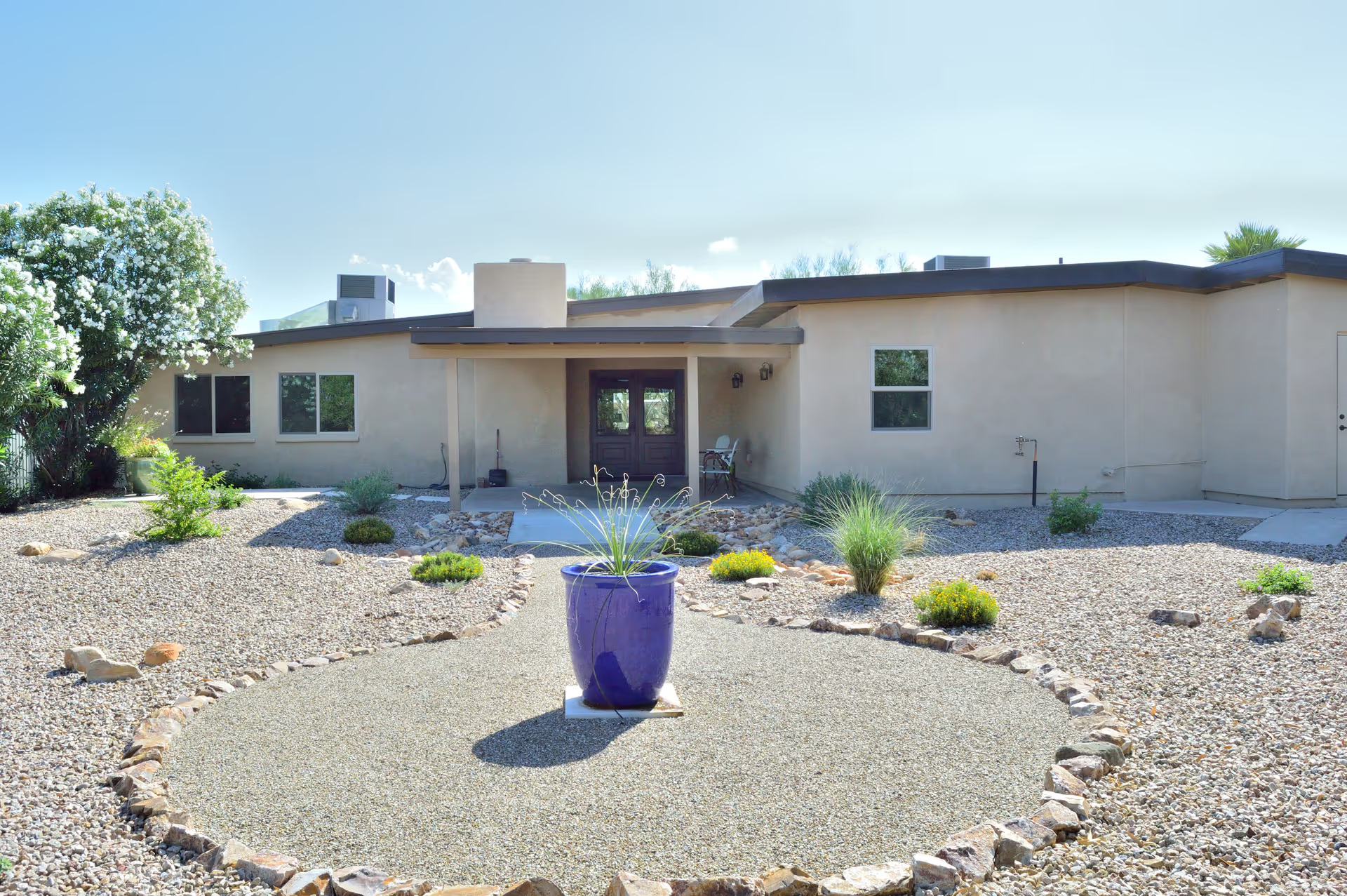
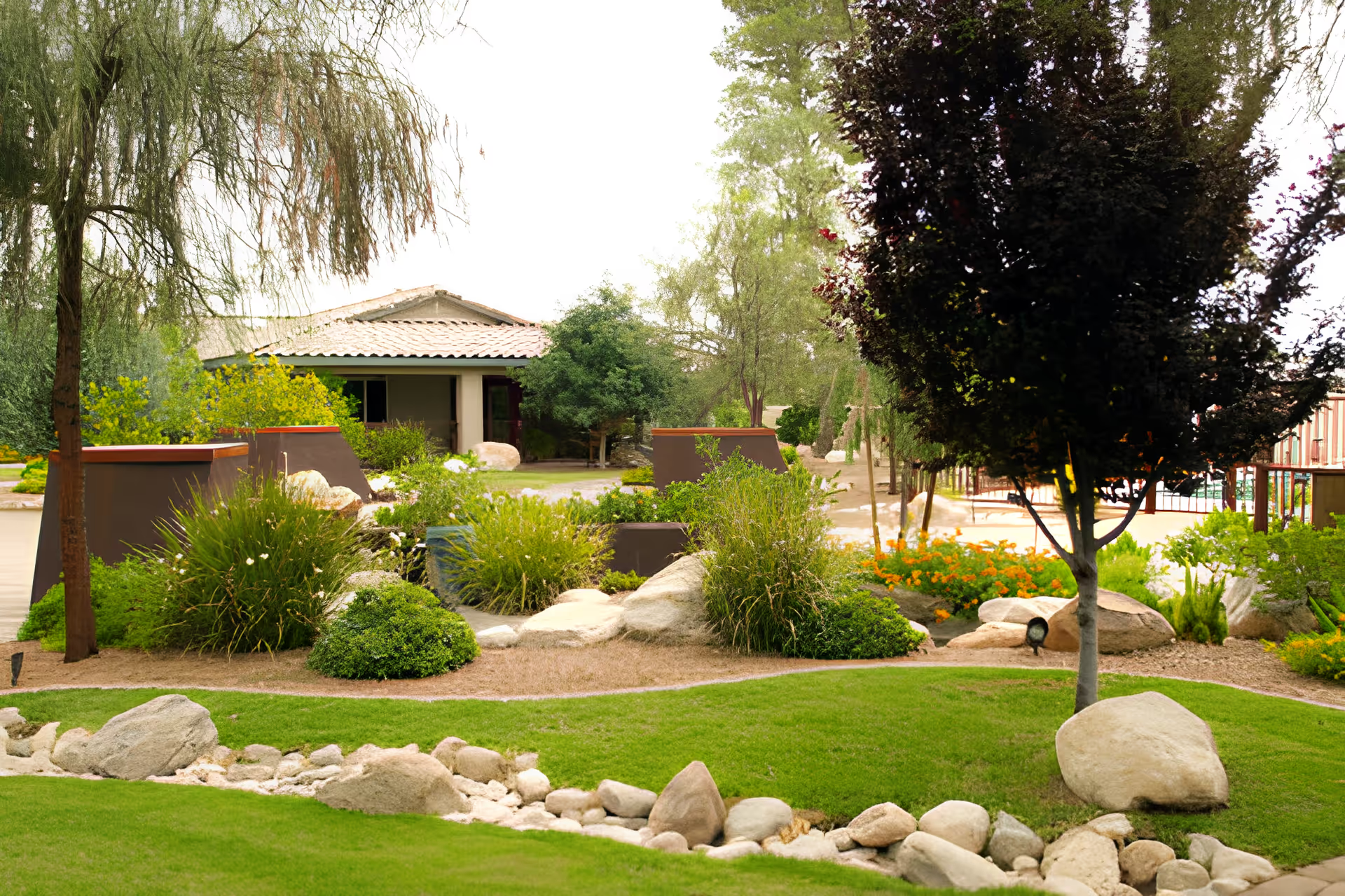
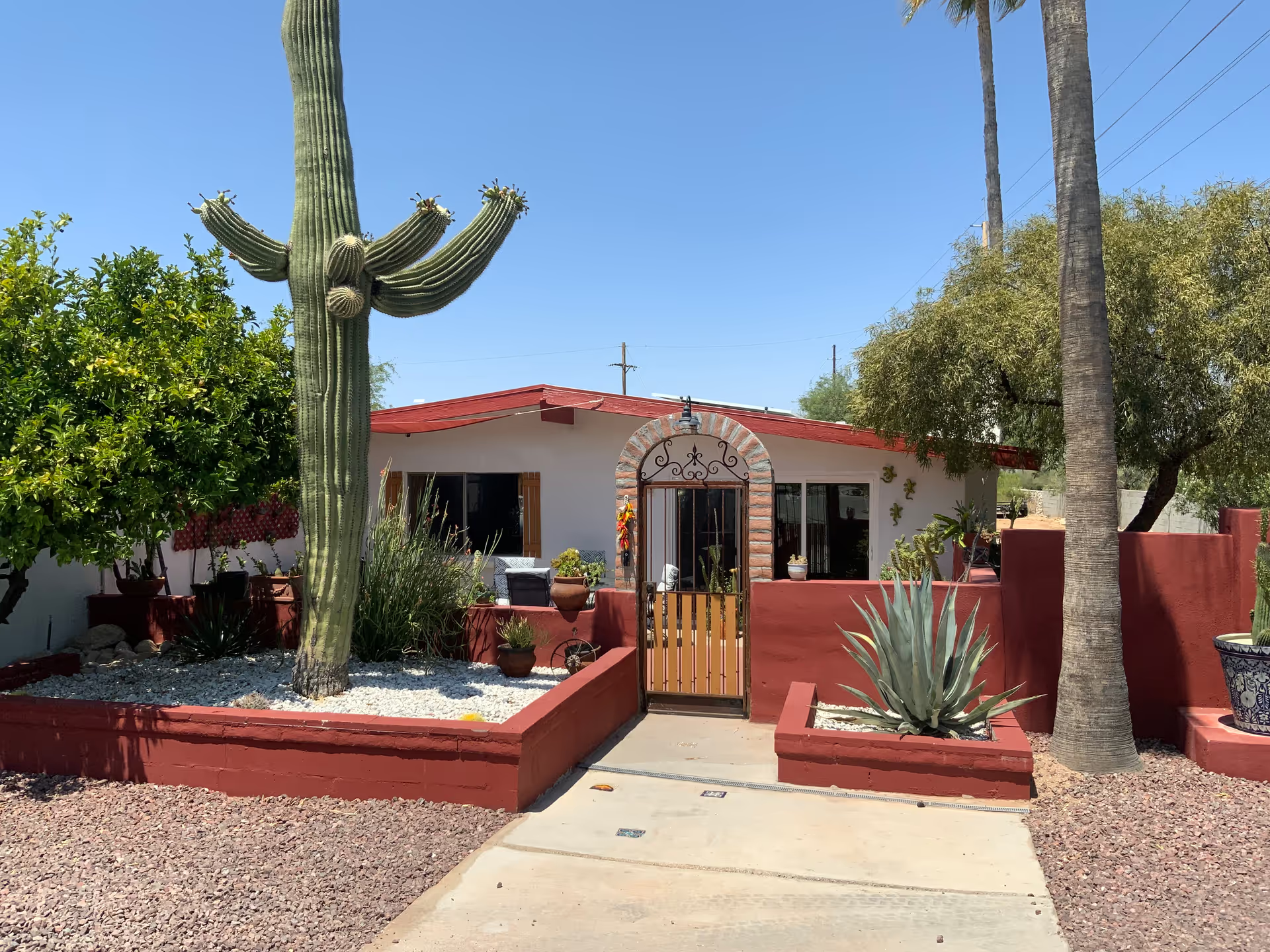
The physical plant and amenities earn consistently positive remarks: new or well‑maintained interiors, spacious apartment layouts with safety features in bathrooms, attractive landscaping, theater, salon, and multiple dining rooms. Value is often cited, with several reviewers describing the community as competitively priced within the Tucson market. Operationally, a few reviews cite unclear medication documentation procedures and transportation scheduling difficulties; these are process issues worth confirming with nursing and administrative staff.
In summary, The Ranch Estates of Tucson is characterized by strong, relationship‑driven caregiving, a clean and amenity‑rich campus, and effective move‑in support. Noticeable patterns for prospective families to investigate further are dining consistency, recent management/staffing stability, night‑shift responsiveness, and how activity and dining services are tailored for memory‑care residents. A focused tour that includes a meal sampling, a conversation with nursing leadership about medication and staffing protocols, and observation of activity programming will help determine whether the facility’s current operations match a family’s specific needs.