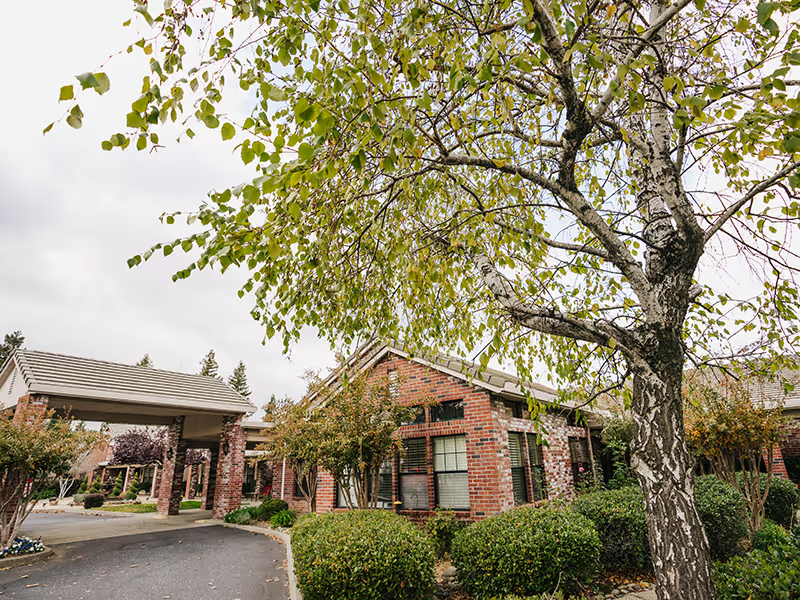
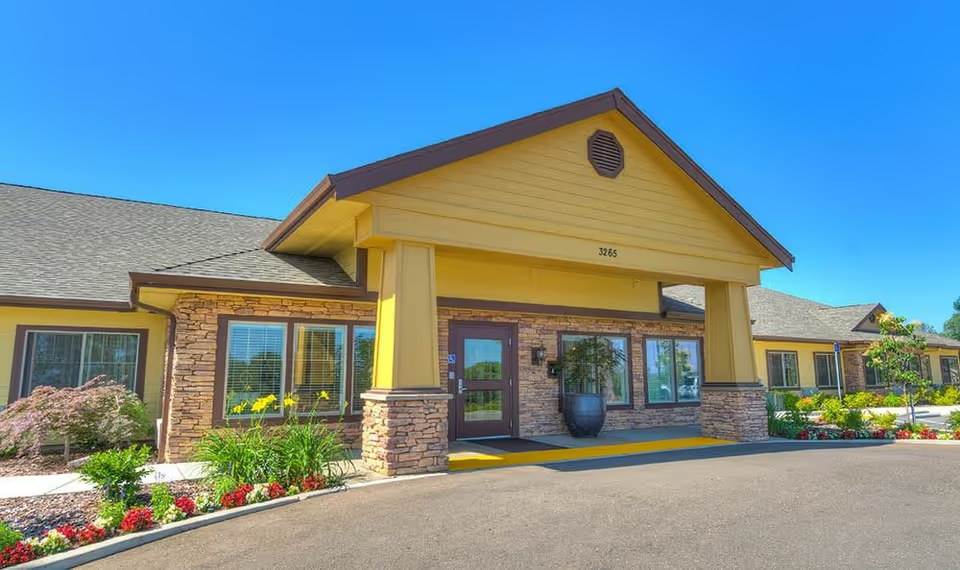
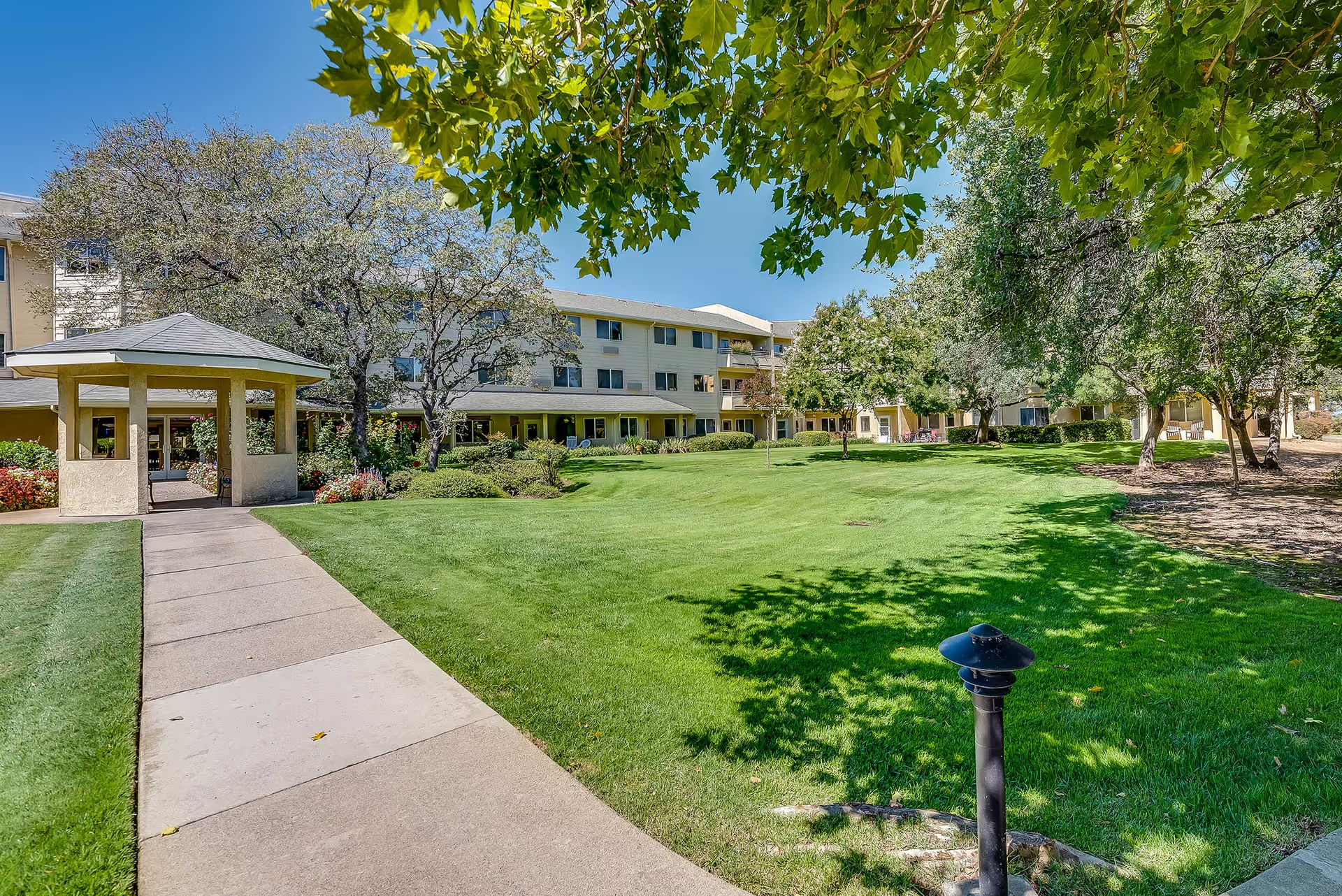
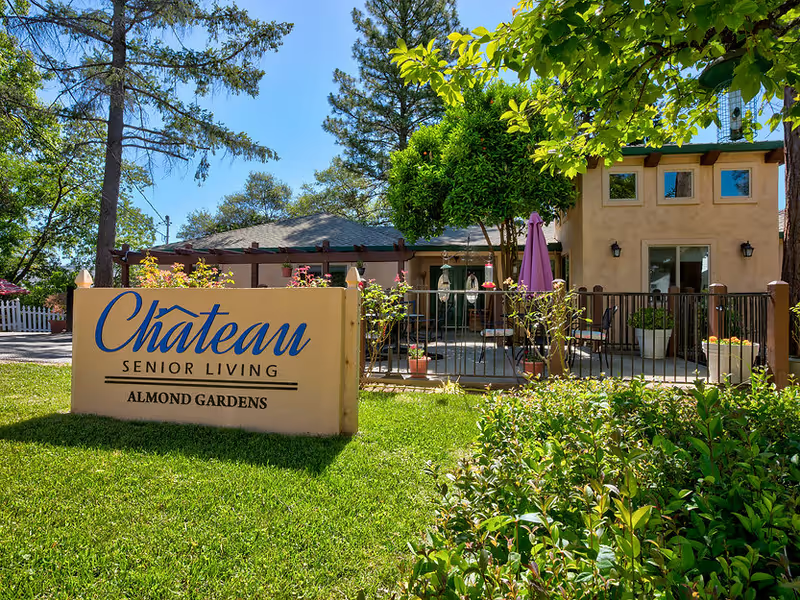
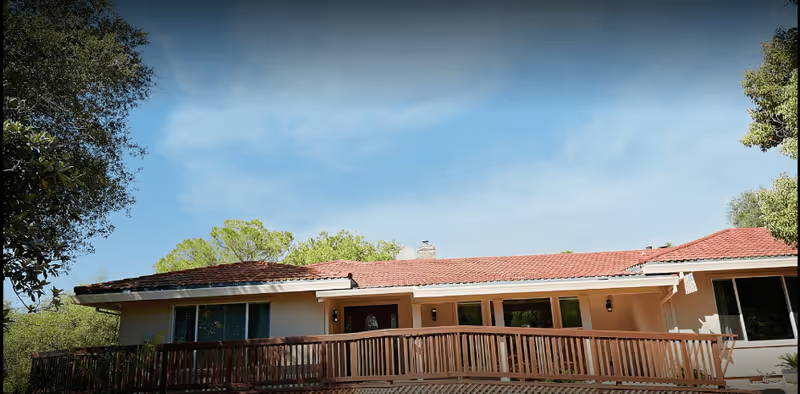
Brookdale Auburn presents a mixed but well-defined profile. Many families praise the facility for its newer, bright building, well-maintained grounds, and apartment-style options (including studios and shared rooms). The community offers a broad activities calendar — exercise classes, art, bingo, live music, themed events and regular outings — and a social, home-like dining environment that several visitors described as restaurant-style with a varied menu. Housekeeping, laundry, transportation, and family-oriented programming are commonly cited operational strengths.
Care and staffing are a central strength for many residents: reviewers frequently describe compassionate caregivers who form personal relationships with residents and staff who remember names. At the same time, there are recurring operational concerns tied to staffing levels and turnover. These manifest as inconsistent responsiveness, occasional delays in assistance, and variability in the extent of clinical support available on-site. Several accounts indicate that residents needing higher-acuity nursing oversight may require placement elsewhere or additional services.
Dining receives mixed but generally positive feedback. Multiple reviewers described appealing menus and attentive dining-room staff; however, there are also recurring notes about inconsistent meal quality, portion sizes, and occasional cold or delayed service. Kitchen staff and specific dining personnel were singled out positively in many comments, but prospective residents should verify current menu practices and accommodations.
The activity and amenity program is a clear positive: frequent, varied programming, transportation to local events, outdoor seating and walking areas, and family events contribute to a lively community feel. Physical facilities are often described as clean and freshly painted, with ample natural light and attractive common spaces. Memory-care services are available, though a few observers characterized those areas as more clinical in appearance than private-pay assisted-living neighborhoods.
Management and administration are the most polarized area in the reviews. Several families praised helpful, proactive managers who assisted with move-ins and billing accommodations. Conversely, other reviews describe communication lapses, billing mistakes, leadership that can be absent or slow to respond, and at least one set of serious financial concerns described as allegations of theft and financial mismanagement. Medication-management lapses and billing/administrative errors appear frequently enough in the feedback to warrant careful pre-move verification.
Safety and operational infrastructure also show variability. The campus offers secure walking areas and some safety features, but reviewers noted fall-risk concerns in portions of the layout, limited elevator capacity, and a lack of a backup generator. Infection-control adherence was flagged in a few accounts, including inconsistent use of personal protective practices. Cleanliness and odor concerns were raised in some areas, even though many other reviewers described the facility as clean and tidy.
Overall, Brookdale Auburn appears well suited to prospective residents who prioritize an active social program, appealing dining, and a newer, well-kept physical environment supported by generally caring frontline staff. However, prospective residents and families should perform focused due diligence before committing: confirm current staffing ratios and clinical coverage, review medication-administration protocols, obtain a complete, written fee and service agreement (including move-in and recurring charges), inspect the specific unit for cleanliness and safety features, and ask about dispute-resolution and billing processes. These targeted checks will help reconcile the facility's many strengths with the operational concerns that appear in the feedback.