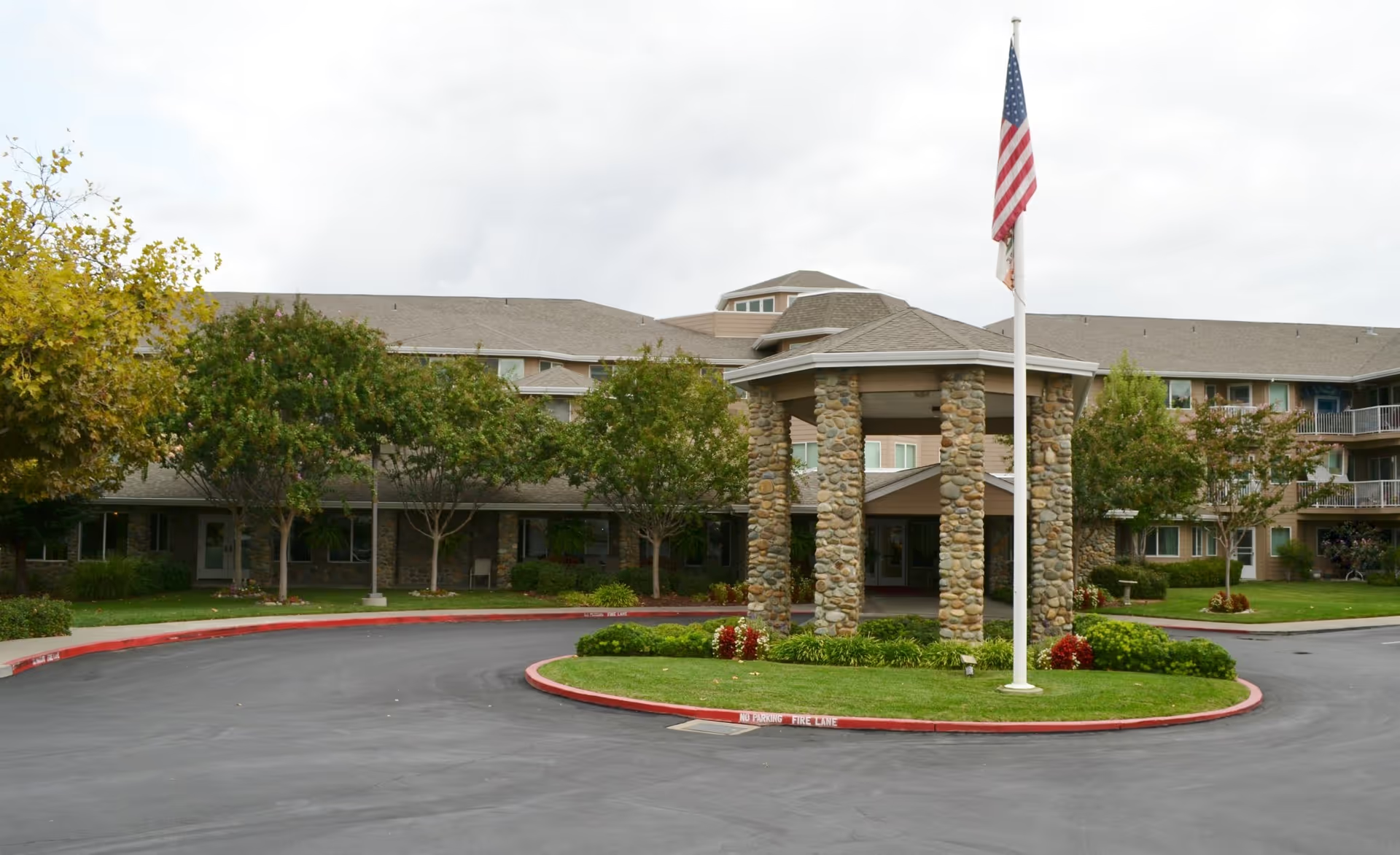
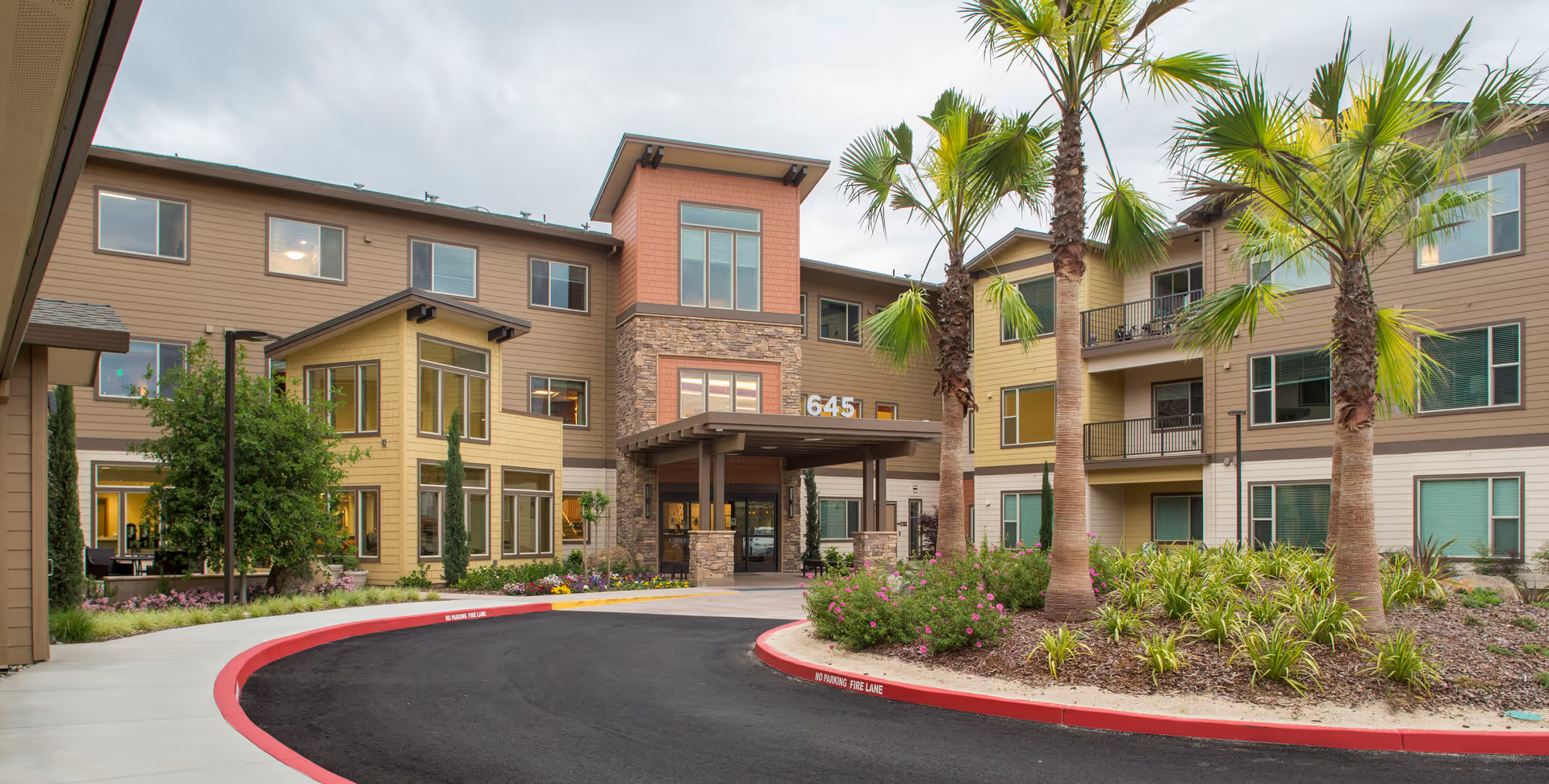
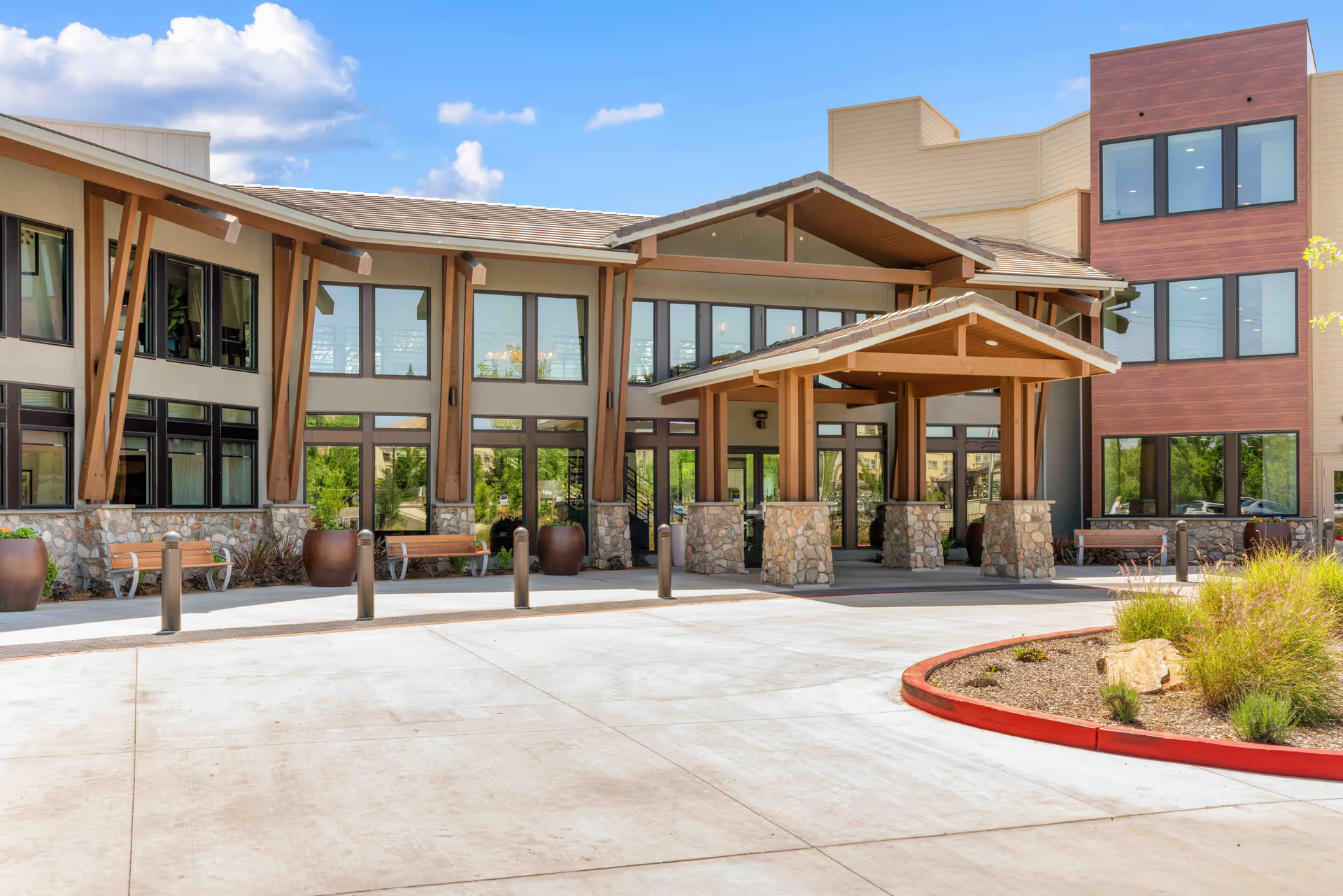
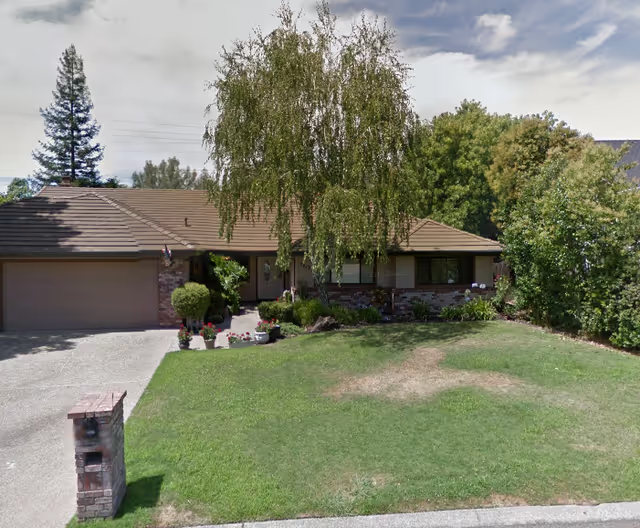
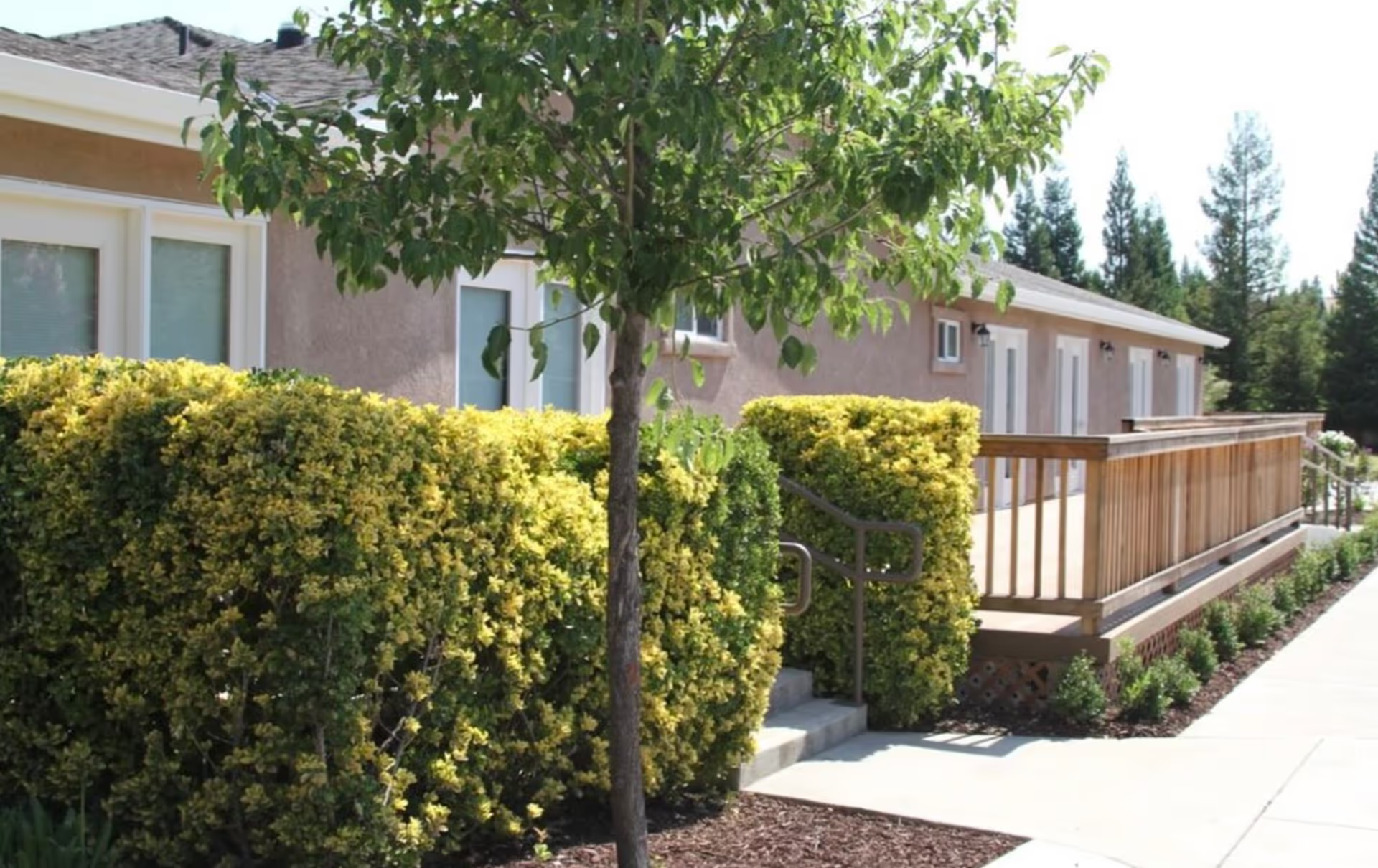
Oakmont of Folsom presents as a modern, well-maintained senior living community with many of the amenities prospective residents and families look for: attractive common areas, courtyard spaces and walking trails, a variety of indoor amenities (movie theater, salon, on-site PT), and restaurant-style dining with chef-prepared menus and accommodations for dietary needs. Numerous reviewers praised the facility’s cleanliness, the ambience of the interiors, and organized move-in and touring experiences. Transportation services, proximity to medical providers, and a range of social and recreational programming (trips, crafts, musical events) are consistent strengths cited by families who felt the environment supported an active lifestyle or offered a home-like feel.
Care and staffing present a mixed picture. Many families and residents described individual caregivers and teams as compassionate, attentive, and knowledgeable; several long-tenured staff and named team members received specific praise. At the same time, recurring operational patterns raise concern: reviewers frequently described high staff turnover, inconsistent staffing assignments, and gaps in training or supervision that contributed to variable day-to-day caregiving. These staffing inconsistencies are linked in multiple accounts to delays in basic care tasks, uneven medication and supplement administration, and challenges in maintaining consistent hygiene and linen routines.
Memory care emerged as a particular pain point in a number of accounts. While the community’s memory-care neighborhood is designed to be secure, reviewers described design and policy elements — including door alarms and restrictive alarm use — that some families found limiting for resident autonomy. In addition, several accounts highlighted unreliable alert devices and call systems, and motion sensors or pendants that did not always produce timely responses. These operational weaknesses, coupled with inconsistent programming tailored to cognitive levels, diminished confidence in the specialized level of care for some families.
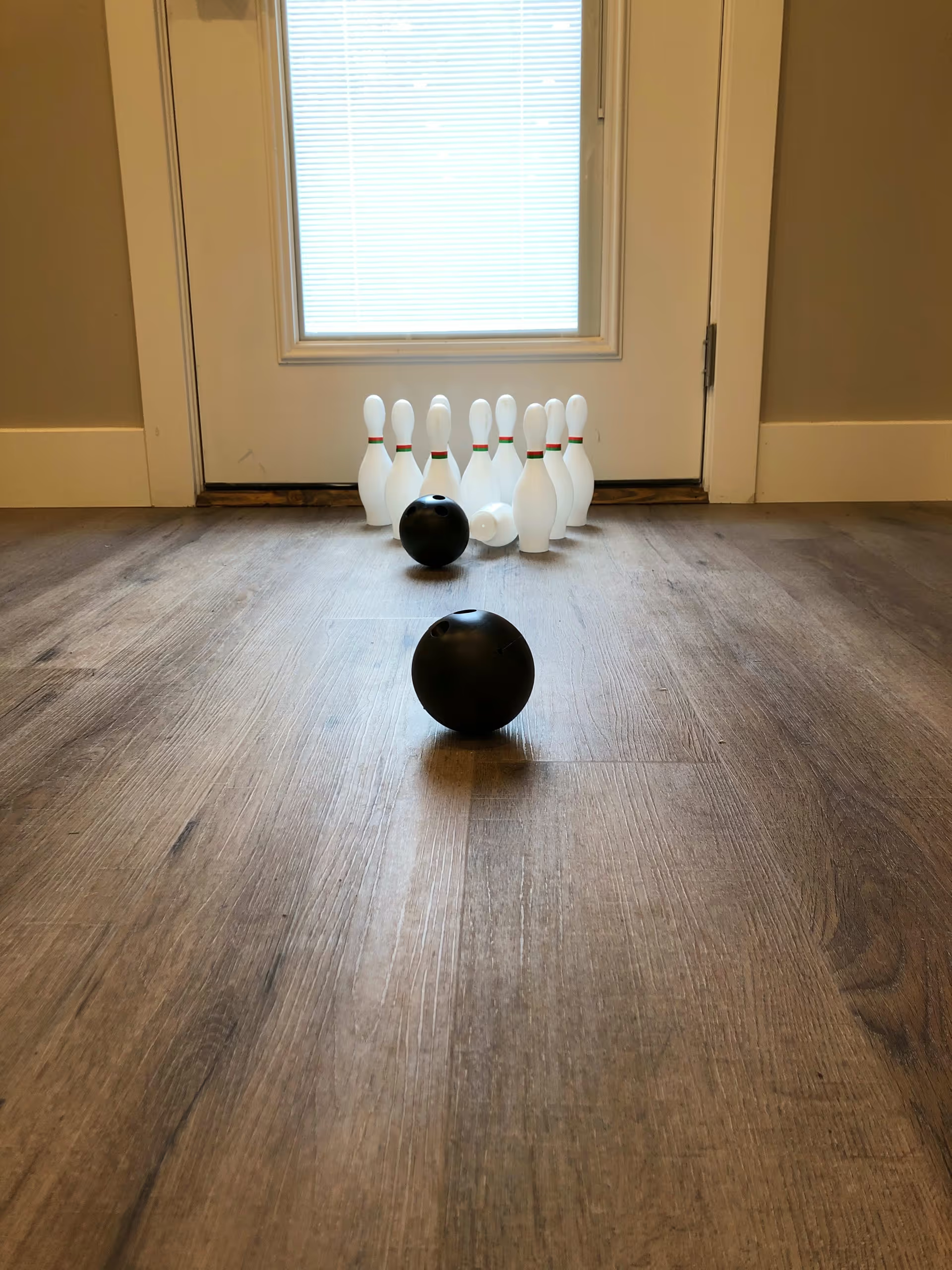
Dining and activities are overall strengths but show variability. Many reviewers praised the quality of meals, themed dining, and accommodations (including gluten-free options), and cited engaging activities, outings, and entertainment that supported social engagement. However, a subset of comments notes fewer meal choices and less varied programming within memory care, and occasional complaints about meal options or food consistency over time.
Management and communication present a split impression. Some families described proactive communication, supportive resident-relations staff, and effective transition support; others described slow callbacks, difficulty reaching residents by phone, and perceptions that corporate policies limited flexibility in addressing concerns. Cost is frequently mentioned as well: the community is positioned at a higher price point, and several families noted sizable move-in fees or additional charges that affected perceived value.
Notable patterns for a prospective resident or family: the facility excels on aesthetics, amenities, and many front-line staff who provide warm, individualized attention. Operational weaknesses tend to cluster around staffing consistency, memory-care design and response systems, laundry/linen and hygiene routines, and management responsiveness. Families prioritizing upscale amenities, active programming, and strong individual caregiver relationships may find Oakmont of Folsom a good fit; families whose primary concerns are highly consistent clinical oversight in memory care, guaranteed alert-system reliability, and predictable day-to-day care routines should explore these areas closely during tours and seek specific operational assurances in writing.