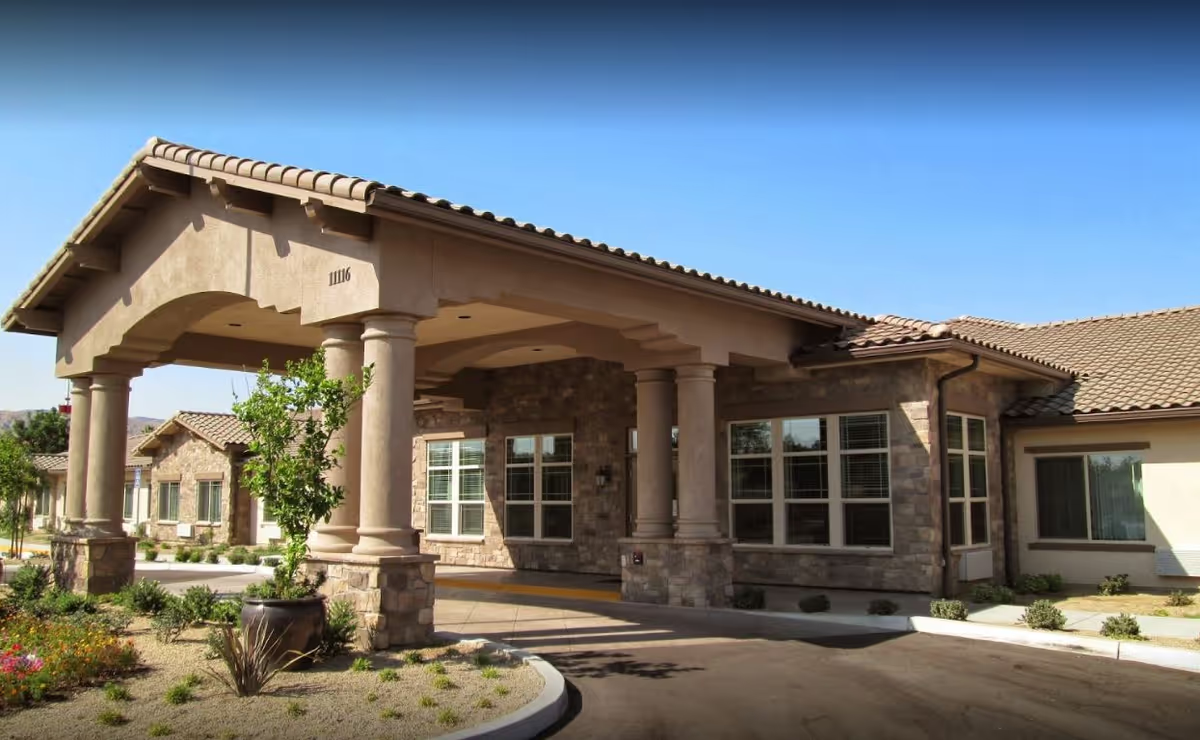
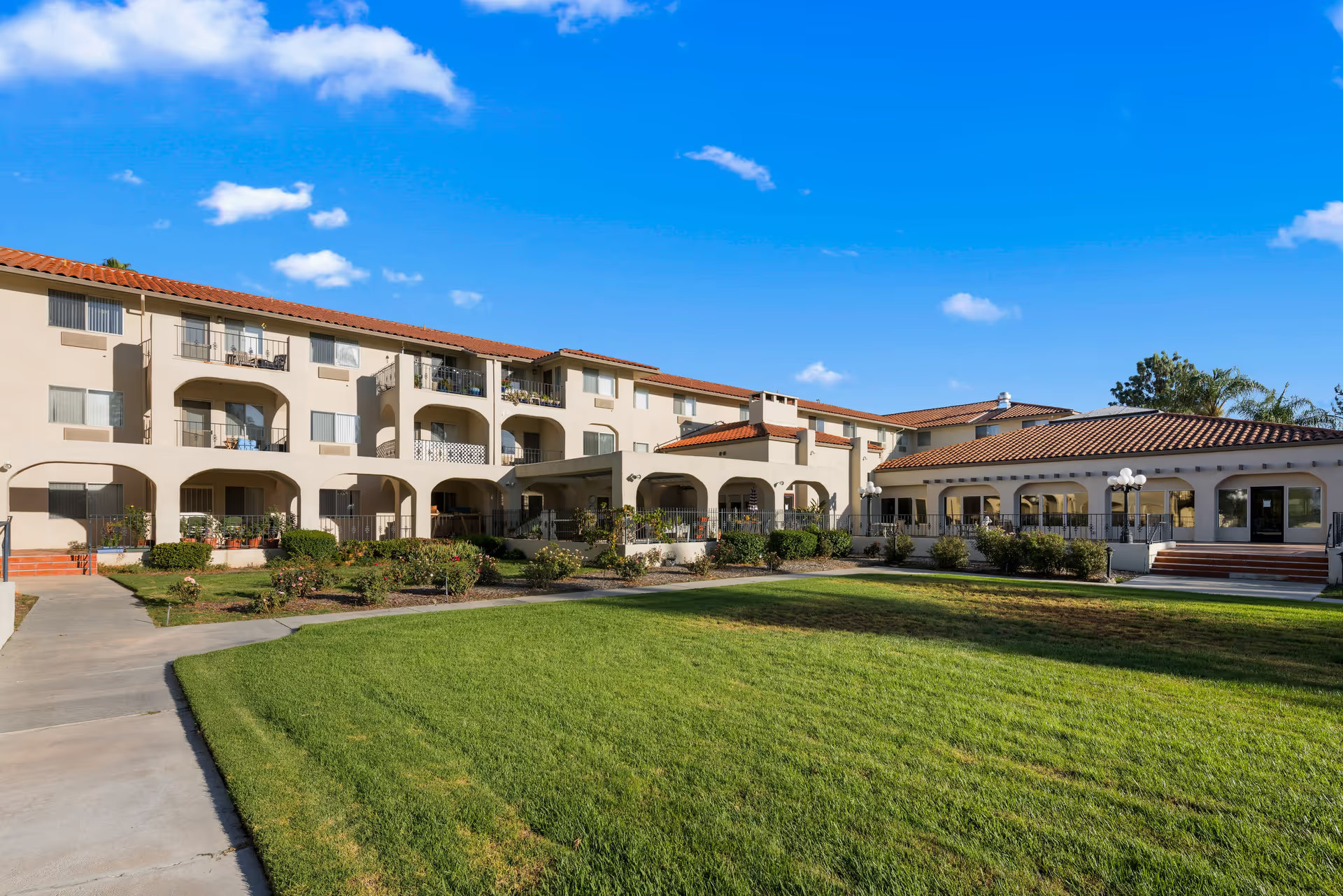
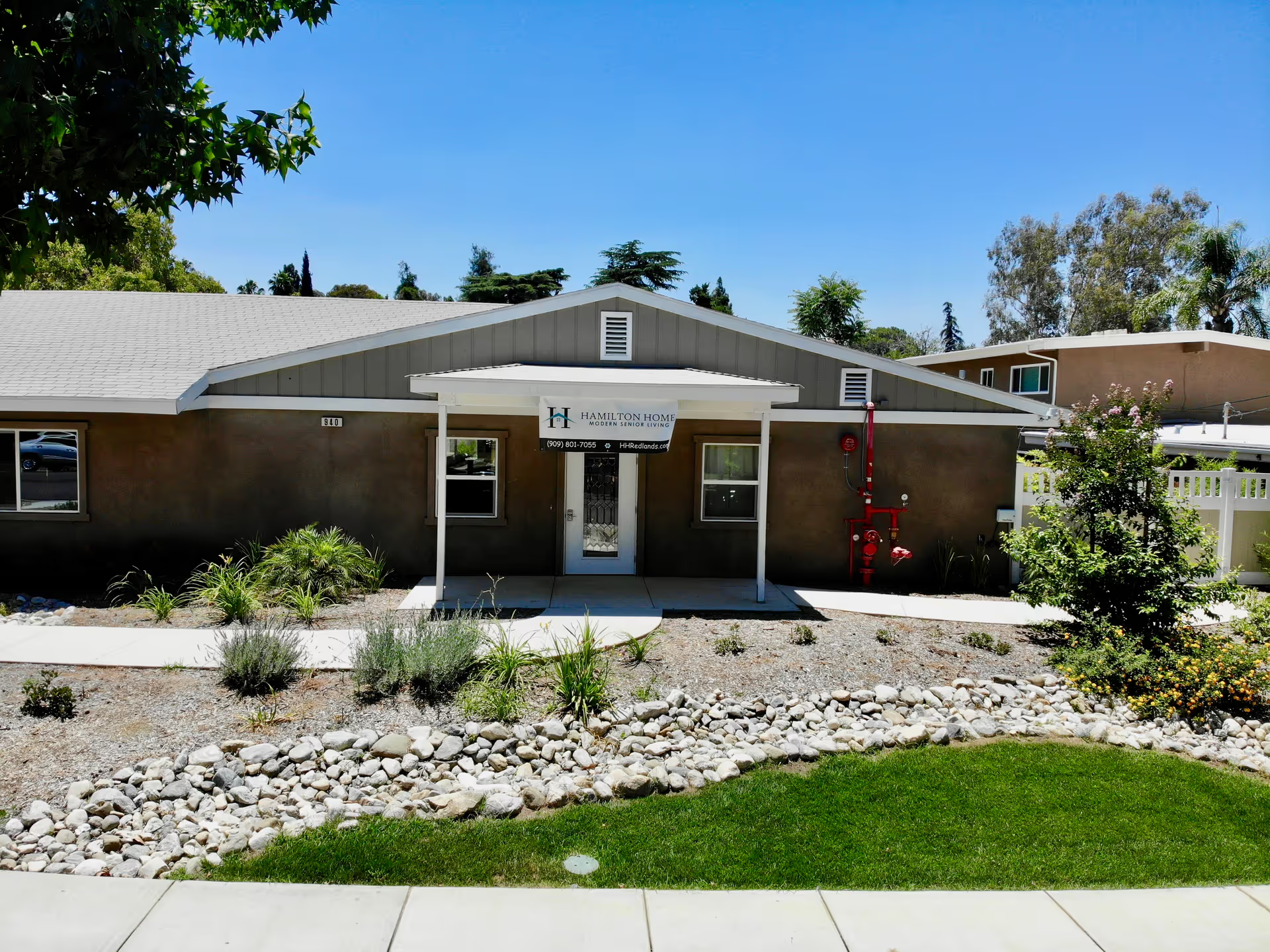
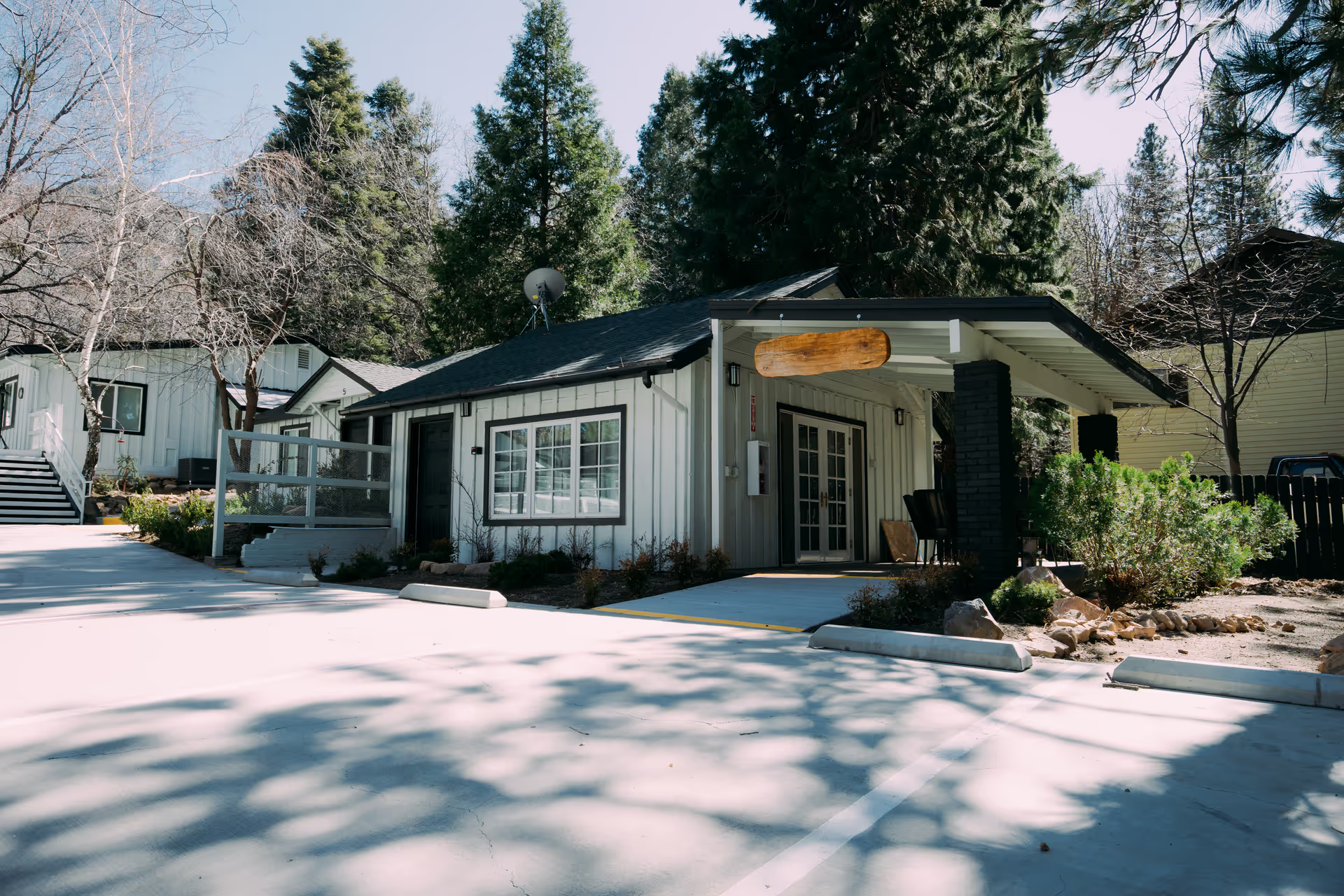
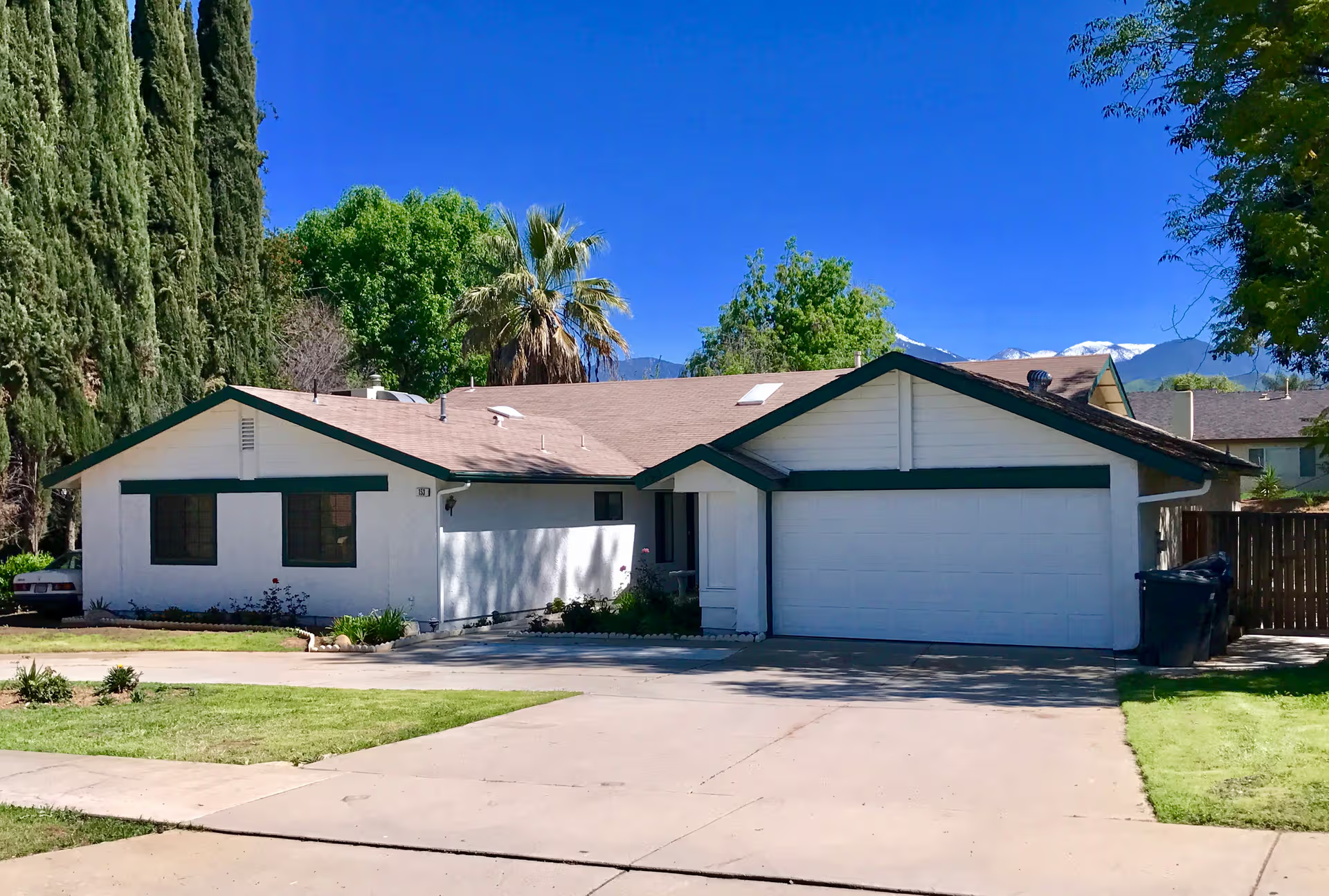
Overall impression: Loma Linda Assisted Living and Memory Care presents as a newer, well-maintained community with a clearly family-oriented culture. Many families describe a clean, modern interior and a small-community feel that supports personalized attention. The campus location near a VA and a hospital is a practical convenience for some families. Monthly cost was cited in one summary and appears consistent with mid- to upper-range assisted living pricing in the area.
Care and staff: Staff behavior is the most consistent strength across descriptions — caregivers are frequently characterized as compassionate, attentive, and available after hours. Families emphasize responsive management and staff willingness to facilitate medical care and hospice coordination. At the same time, there are operational concerns about clinical transparency: some families describe limited visibility into daily care, variable communication among staff, and questions about medication-management and decision-making at end of life. These suggest the facility provides strong hands-on support for many residents but may benefit from clearer clinical communication protocols and documented medication decision pathways.
Dining and dietary needs: The community provides three meals per day with snacks and choices and hosts social dining events. Several reviewers praised the social aspects of dining, while others raised consistent concerns about food quality and the facility’s ability to meet specific dietary needs. The community’s Seventh-day Adventist affiliation and related menu practices (including limited meat service in some cases) appear to influence meal options; prospective residents with particular dietary requirements should confirm accommodations in advance.
Activities and environment: Activity programming is a recurring positive: frequent outings, social events such as ice cream socials, and memory-care touches (for example, personalized memory shadow boxes) contribute to resident engagement. The building’s newer construction and modern decor are cited frequently, and reviewers note pleasant odors, good housekeeping, and a comfortable, home-like atmosphere. The smaller scale is often framed positively for relationship-building, though it may limit availability of certain room types (shared rooms noted) and services.
Management, billing, and patterns to verify: Management is described as organized and helpful by many families, and several accounts emphasize staff going above and beyond. However, there are operational weaknesses to verify during a tour and contract review: some families experienced billing or refund-processing delays and questioned the balance between cost and available clinical services. A few accounts also describe inconsistent staff collaboration or communication tone. Prospective residents and families should clarify billing practices, refund timelines, staffing communication protocols, scope of on-site clinical services, and room-availability options before committing.
Bottom line: The facility appears to excel at creating a clean, active, and compassionate living environment with strong social programming and a small-community feel. Key trade-offs include menu limitations tied to the community’s faith orientation, occasional concerns about meal quality and dietary accommodations, some gaps in clinical transparency and medication/end-of-life decision communication, and periodic billing or administrative friction. Families seeking a newer, socially active assisted living environment with attentive staff will find many strengths here; those requiring guaranteed dietary options or higher-acuity clinical services should confirm those specifics during intake and contract negotiations.