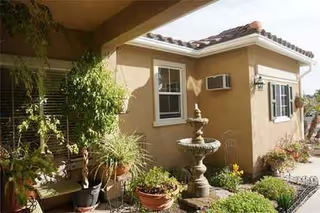
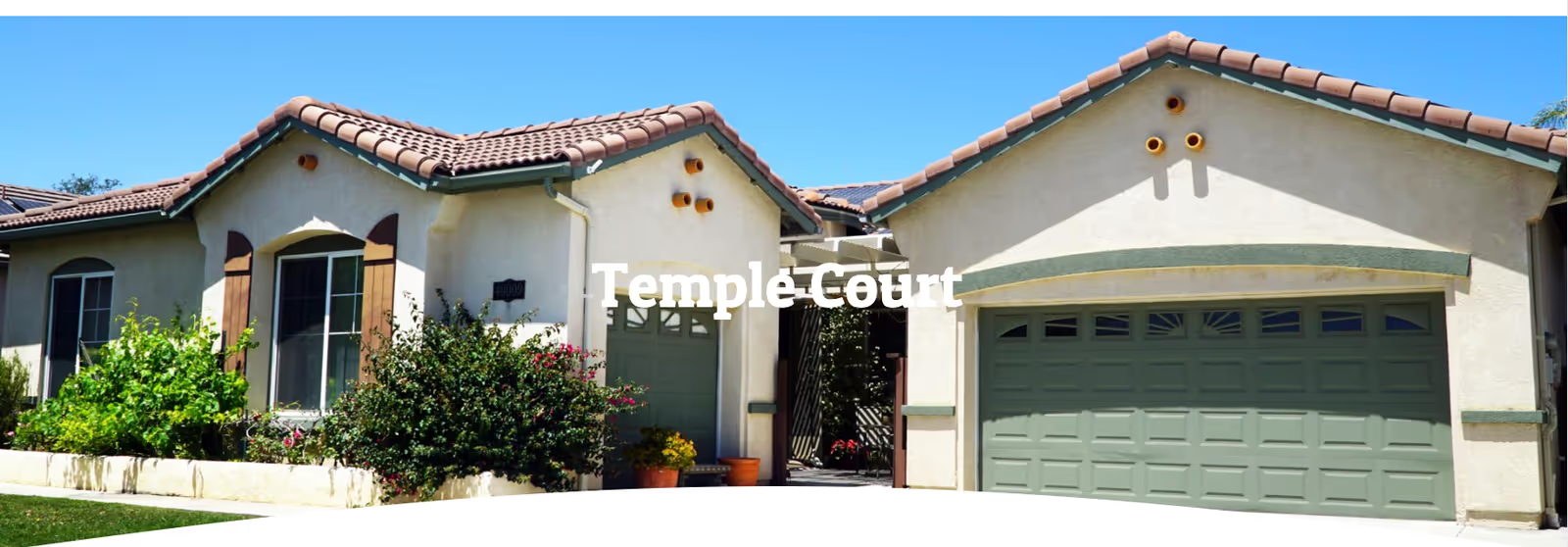
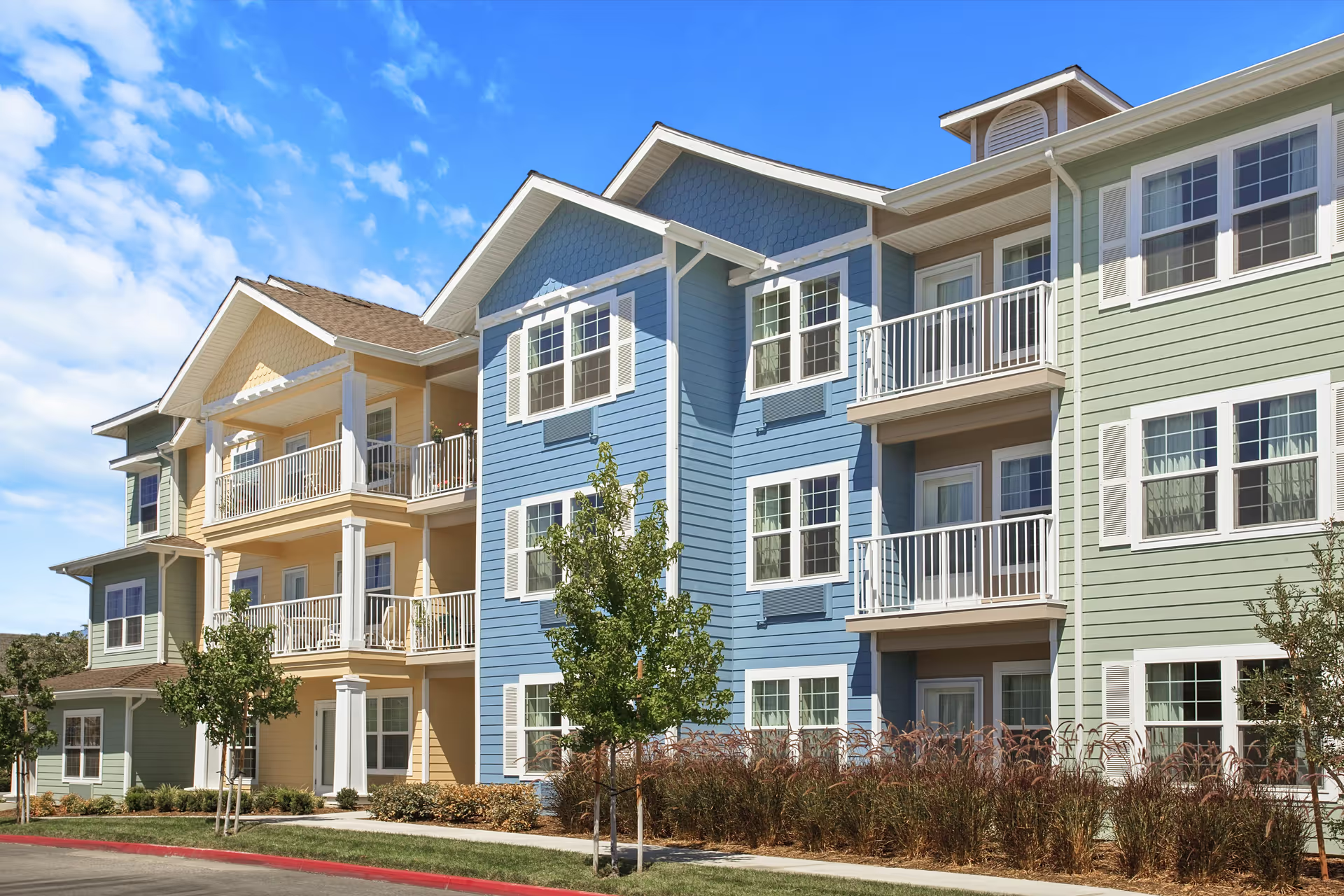
Renaissance Village Murrieta presents as a recently built, well‑appointed senior living community with many resort‑style amenities and a generally clean, orderly environment. The campus includes multiple social and recreational venues — a movie theater with reclining seating, billiards and bar area, library, salon, gym, and a variety of dining venues including a bistro/snack shop — and offers on‑site physical and occupational therapy and nursing support with tiered assisted living options. Apartment offerings are varied (studios through larger units, some with balconies and attractive views) and the layout is described as conducive to couples and socializing.
Across reviews, staff receive frequent praise for being caring, knowledgeable, and helpful; many families and prospective residents highlighted warm tour experiences with specific staff members noted for good communication and responsiveness. The activity program is a consistent strength: scheduled classes, live music, games, outings, and themed meals were commonly cited as enhancing resident engagement. Dining is a visible focus (flexible meal times, international menu options, three meals plus snacks), and the presence of on‑site therapy and wellness programs supports a continuum of care for residents who require rehabilitation services.
However, reviewers also describe several operational weaknesses to consider. Staffing levels and the consistency of staff engagement are recurring concerns: some accounts describe understaffing, delays in routine assistance (for example, shower scheduling and medication follow‑up), and variability in supervisory oversight. Dining execution appears inconsistent; while some found the food high quality and varied, others described over‑seasoned or premade items and unmet special‑diet requests. Family concerns about memory‑care leadership and program consistency were raised in a minority of accounts, and there are isolated, serious allegations regarding staff conduct and facility practices that prospective families should address directly with management and during a tour.
Facility design and campus features are generally well regarded, but reviewers flagged limited open green space and smaller room footprints in some unit types (notably certain cottages). A few reviewers noted environmental concerns for mobility‑impaired residents (hard flooring and route accessibility) and advised checking apartment layouts for walker and wheelchair needs. Cost transparency and additional fees (for certain in‑room amenities or higher levels of care) were also noted as factors to clarify before move‑in.
In summary, Renaissance Village Murrieta shows many strengths: modern facilities, varied amenities, active programming, and a staff base that many families find compassionate and responsive. At the same time, families should verify current staffing levels, observe meal service and activity periods in person, confirm the stability and oversight of memory‑care leadership if relevant, and review the fee schedule and accessibility features for specific apartments. Doing so will help determine whether the community’s amenities and staffing model align with an individual resident’s care and lifestyle needs.