Overall impression The Gardens at Northridge receives substantial positive feedback for its day-to-day living environment and short-term rehabilitation outcomes. Many families praise the caregiving team, therapy staff, and the facility’s amenities; residents are often described as socially engaged and active. The community’s grounds, common areas, and on-site features (movie room, salon, library, fitness room) contribute to a hotel-like, comfortable atmosphere for many occupants.
Care quality and clinical concerns Clinical and rehabilitative services are commonly cited as strengths: physical, occupational, and speech therapy programs are described as effective, and several short-stay residents showed measurable improvement. Nursing and direct-care staff are frequently characterized as compassionate and hands-on. Alongside these strengths, reviewers describe inconsistent elements of clinical operation: slow response times to call buttons at certain hours, variability in staff performance, and an identified policy gap in how medications are administered across care units. There are also multiple accounts of difficulties integrating hospice services and coordinating end-of-life care, which families cited as a distinct area for improvement.
Staffing, leadership, and communication Staff-level interactions receive mixed but generally positive commentary—many highlight individual caregivers, activities staff, and nurses who know residents by name and provide attentive support. However, several reviewers note variability in staff quality and turnover, particularly during ownership or leadership transitions. Communication from professional staff and management is an area of recurrent concern: families want more proactive updates about clinical changes, leadership departures/arrivals, and care plans. A small number of reviewers raised serious allegations related to therapy delivery and billing practices; prospective families may wish to inquire directly about those topics during a tour.
Dining and activities Dining is frequently described positively—tasty meals, large portions, cloth table settings for community dining, and staff willingness to accommodate special requests. Some residents and families desired greater menu variety or a more home-cooked flavor on occasion, and a few service-level issues (for example, tray setup or missing cutlery) were mentioned. The activities program is a clear strength: a broad calendar of offerings including music programs, sing-alongs, chorus, bingo, religious services, happy hours, and off-site trips keeps many residents engaged and social.
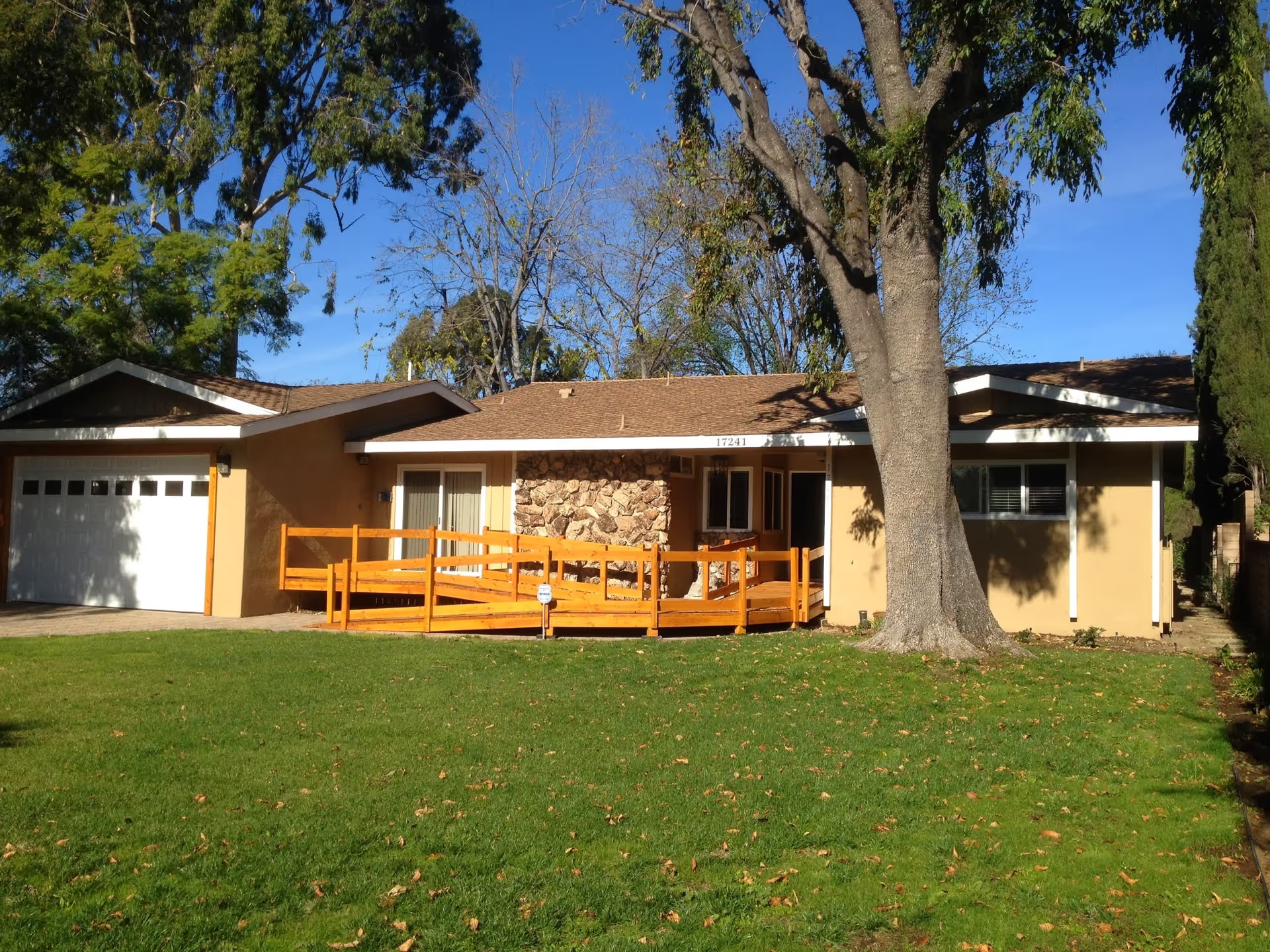
Facilities and living spaces The property is widely noted for cleanliness, attractive landscaping, and pleasant common areas. Memory-care settings with access to outdoor gardens and in-room safety features (accessible showers, bathroom alarms) are positive points. Conversely, some apartment units are smaller than comparable communities and shared rooms with inadequate partitions were flagged as undesirable by families seeking more privacy. Outdoor spaces are appealing but not uniformly secured or gated, a consideration for families of residents requiring supervised outdoor access.
Patterns and guidance for prospective families The Gardens appears to be a strong option for short-term rehabilitation and for residents who benefit from active programming and visible, compassionate direct care. Key tradeoffs to evaluate in person include room size and layout, privacy in shared accommodations, the facility’s approach to medication policies across units, hospice and end-of-life coordination, and the current leadership/staffing stability. During a tour, ask about recent leadership changes, call-response metrics and staffing levels at night, hospice integration procedures, medication administration protocols between memory care and assisted living, and any billing/therapy verification processes you want clarified.