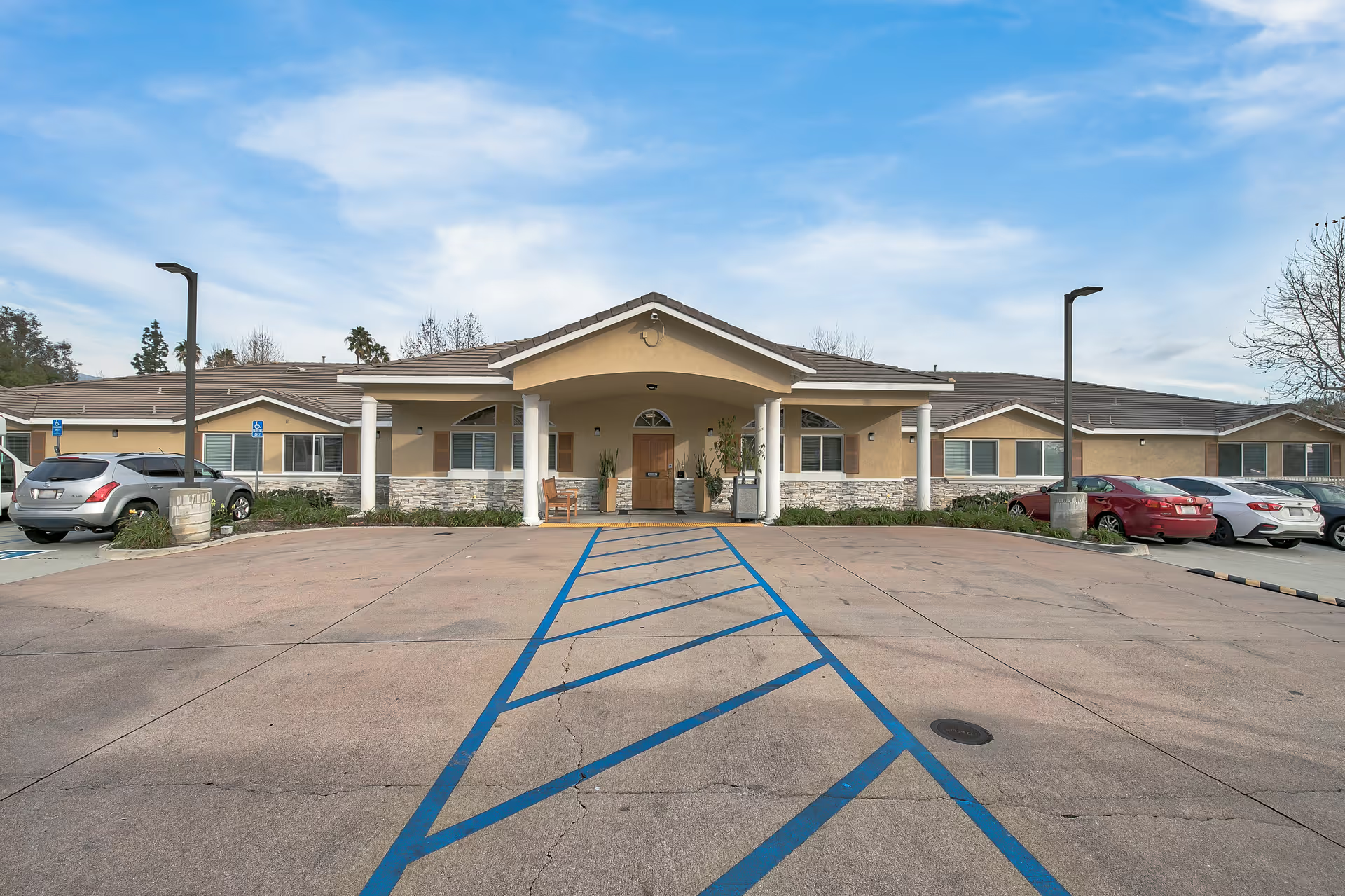
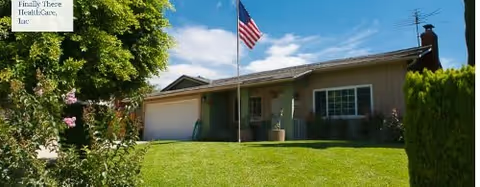
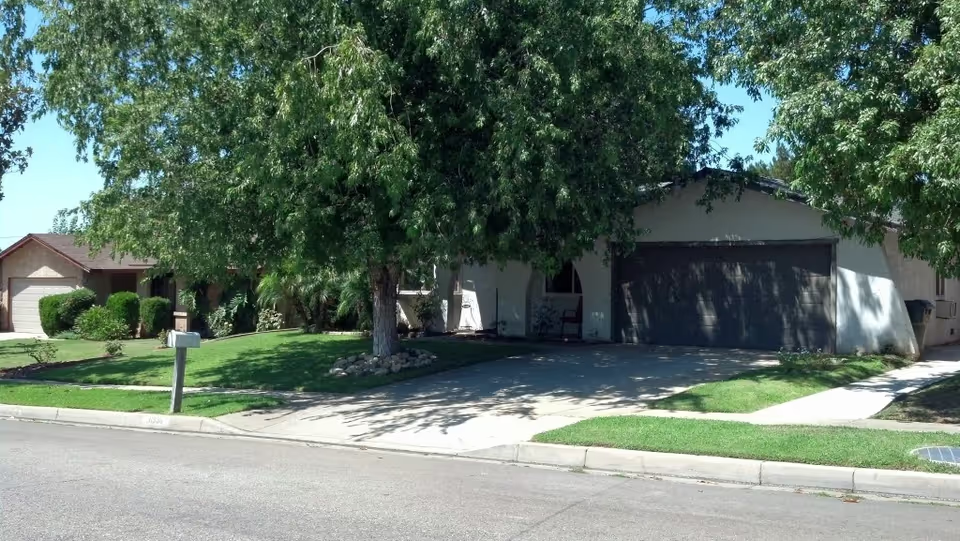
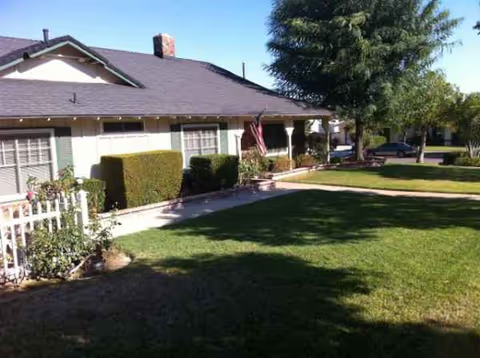
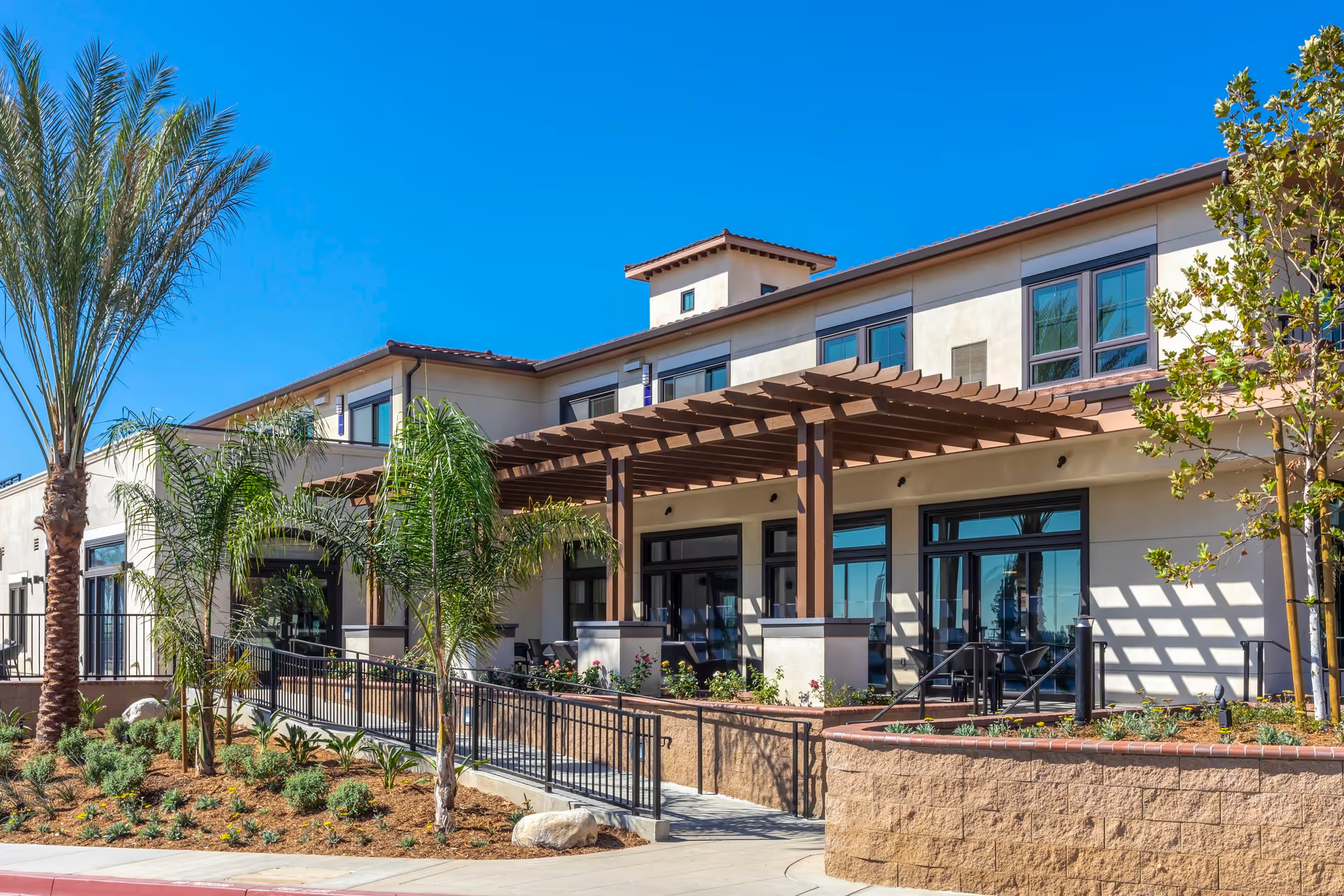
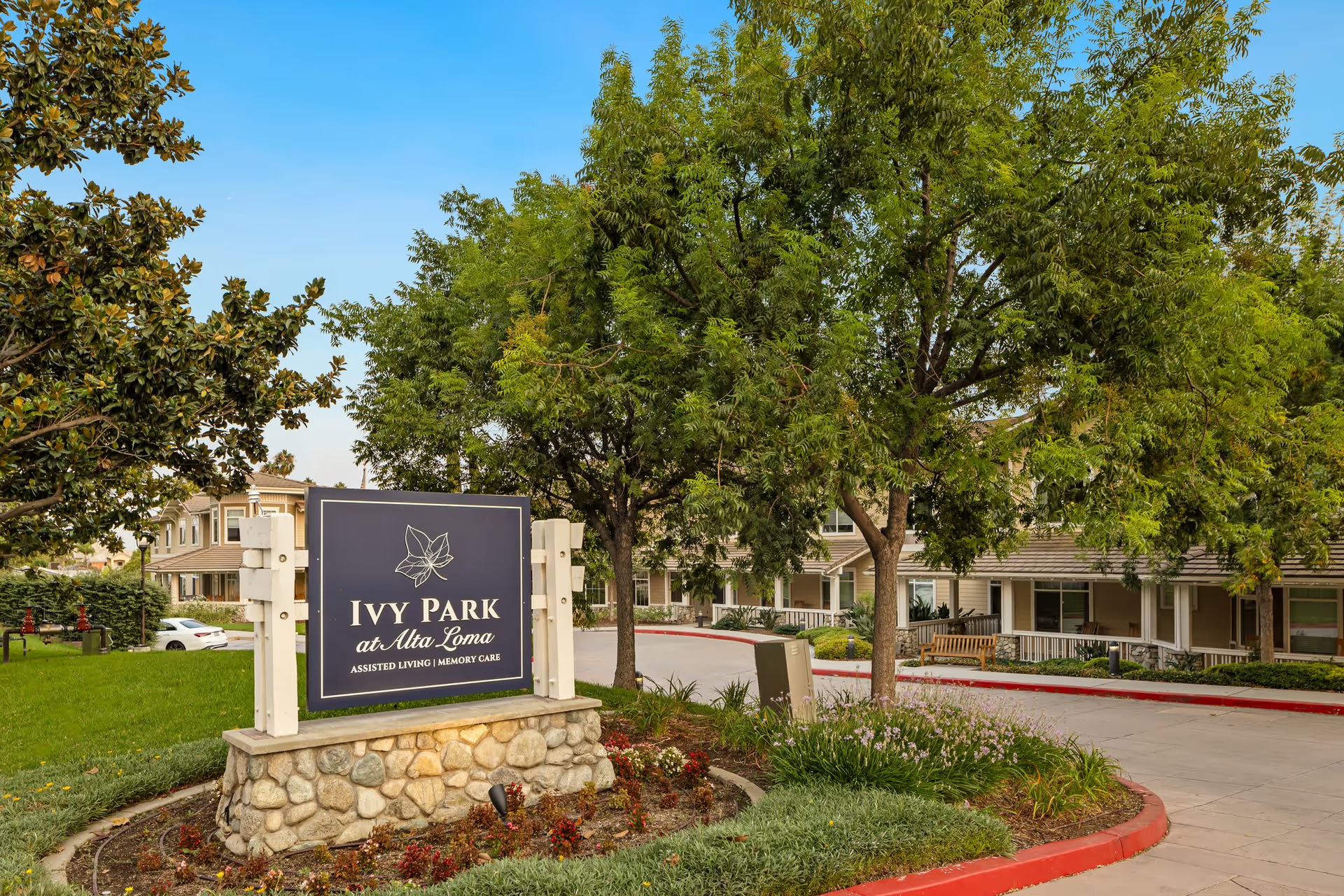
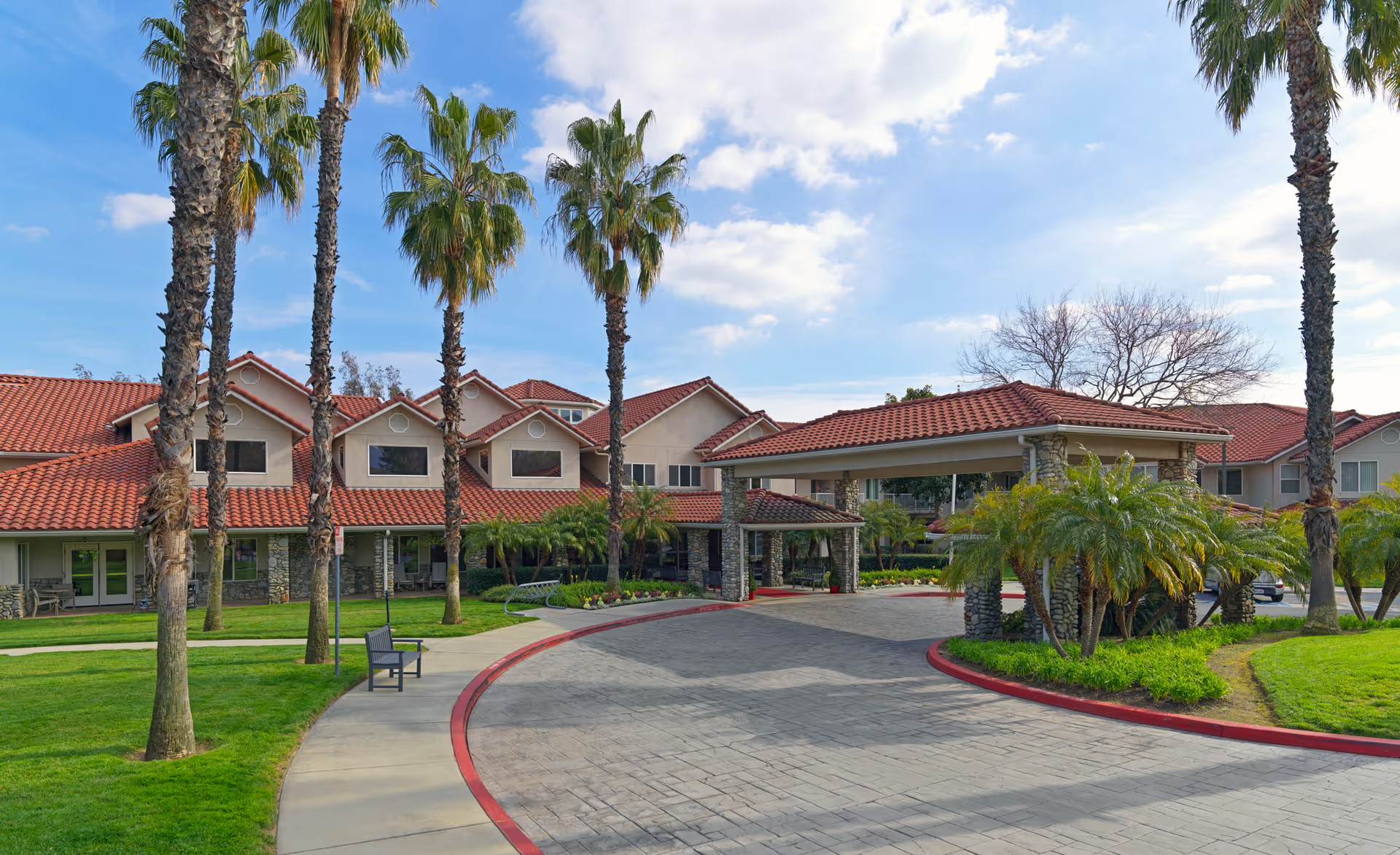
Allara Senior Living is repeatedly described as a new, modern, and well‑appointed community with many built‑in amenities. Reviewers consistently cite attractive common areas (movie theater, card and activity rooms, demo kitchen), an onsite salon and bistro, landscaped courtyards and secure outdoor spaces, and well‑lit, spacious apartments with kitchenettes. Housekeeping, maintenance, and visible safety features are frequently praised, and the overall physical environment is characterized as clean, bright, and resort‑style.
Staff and clinical presence are a major strength for many families. Numerous comments highlight compassionate, engaged caregivers, approachable front‑desk personnel, and proactive nursing or medical staff who facilitate transitions and coordinate care. Specific staff members are frequently named and praised for going above and beyond; maintenance and transportation support are also noted as reliable. The community offers onsite physical therapy and a fitness room, and it provides transportation assistance for appointments and occasional excursions.
Dining and activities are generally seen as positives. Many reviewers describe restaurant‑style dining with freshly prepared meals and special holiday events; activity programming appears broad and active, including bingo, concerts, seasonal festivals, memory‑engagement programs, and regular social opportunities. Memory‑care programming is often mentioned as meaningful and engaging when staffing and oversight are in place.
At the same time, there are consistent operational concerns that prospective residents and families should evaluate. Staffing levels and shift consistency emerge as the principal operational theme: reviewers attribute variable care responsiveness, delayed call responses, and inadequate supervision in memory care to staffing shortfalls. Several comments indicate limitations in the community’s capacity to support non‑ambulatory residents and describe challenges with transfers and mobility assistance. These operational constraints sometimes translate into safety‑process gaps, such as delayed emergency‑cord responses and fall‑prevention shortcomings.
Housekeeping and dining quality appear uneven: while many praise cleanliness and good meals, other accounts describe inconsistent housekeeping, sanitation or odor concerns in certain contexts, and variability in meal quality and dining assistance. Family communication and administrative responsiveness are additional recurring issues — examples include restricted or rigid visitation policies during infection‑control events, limited resident telephone/connectivity options, and frustration with business‑office interactions. Some reviewers raised privacy concerns related to in‑suite surveillance and questioned review authenticity or specific resident‑removal incidents; there are isolated allegations and disputes that prospective families may wish to probe directly with leadership.
In summary, Allara offers a high‑quality physical environment, numerous amenities, and many dedicated staff who provide compassionate, person‑centered service. However, operational variability — particularly around staffing consistency, memory‑care supervision, emergency response reliability, dining assistance, and family communication — has produced mixed experiences. Families considering Allara should tour the community, meet clinical leadership, clarify staffing ratios and transfer capabilities for their loved one’s acuity level, review visitation and surveillance policies, and confirm protocols for emergency response and family communication before making a placement decision.