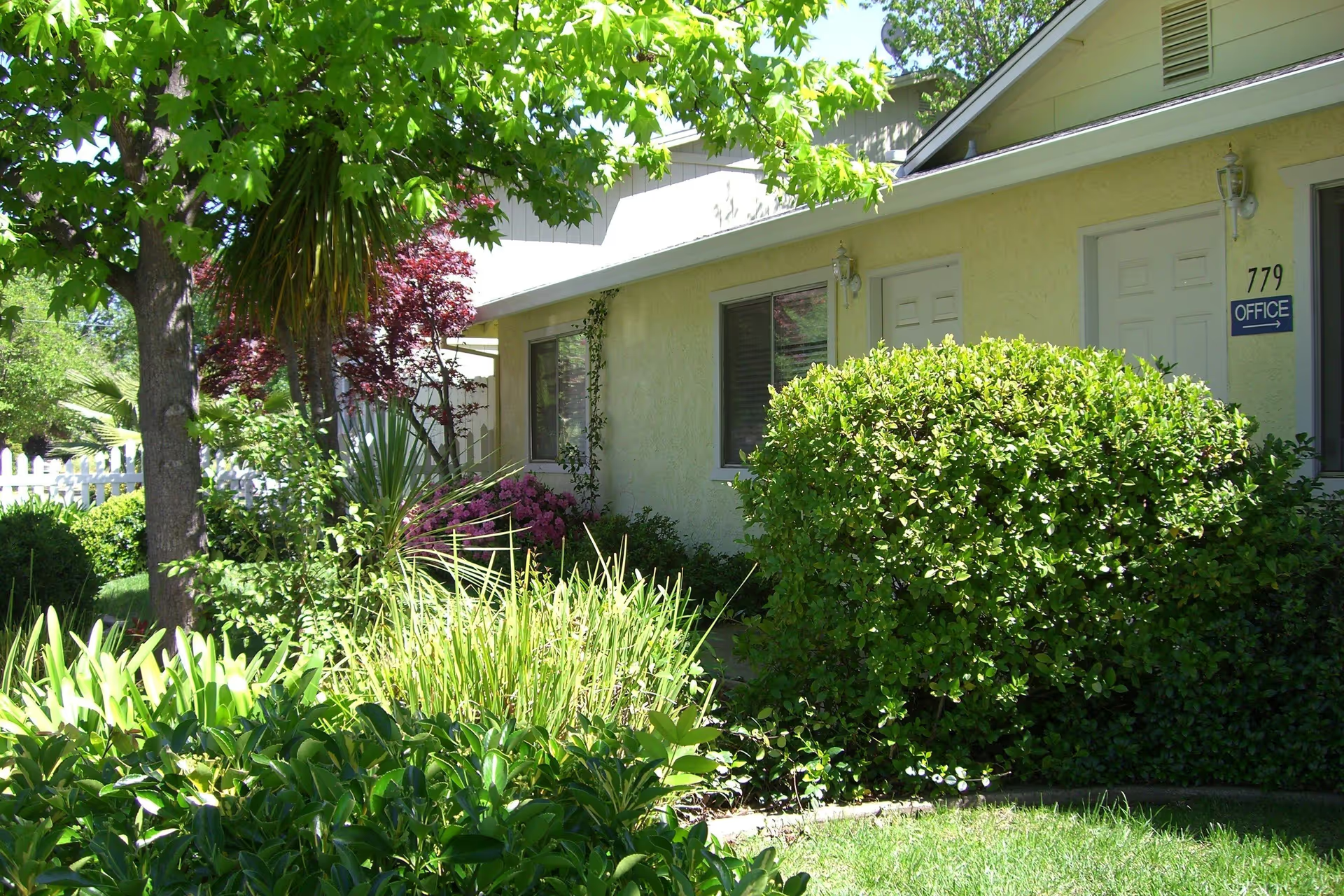
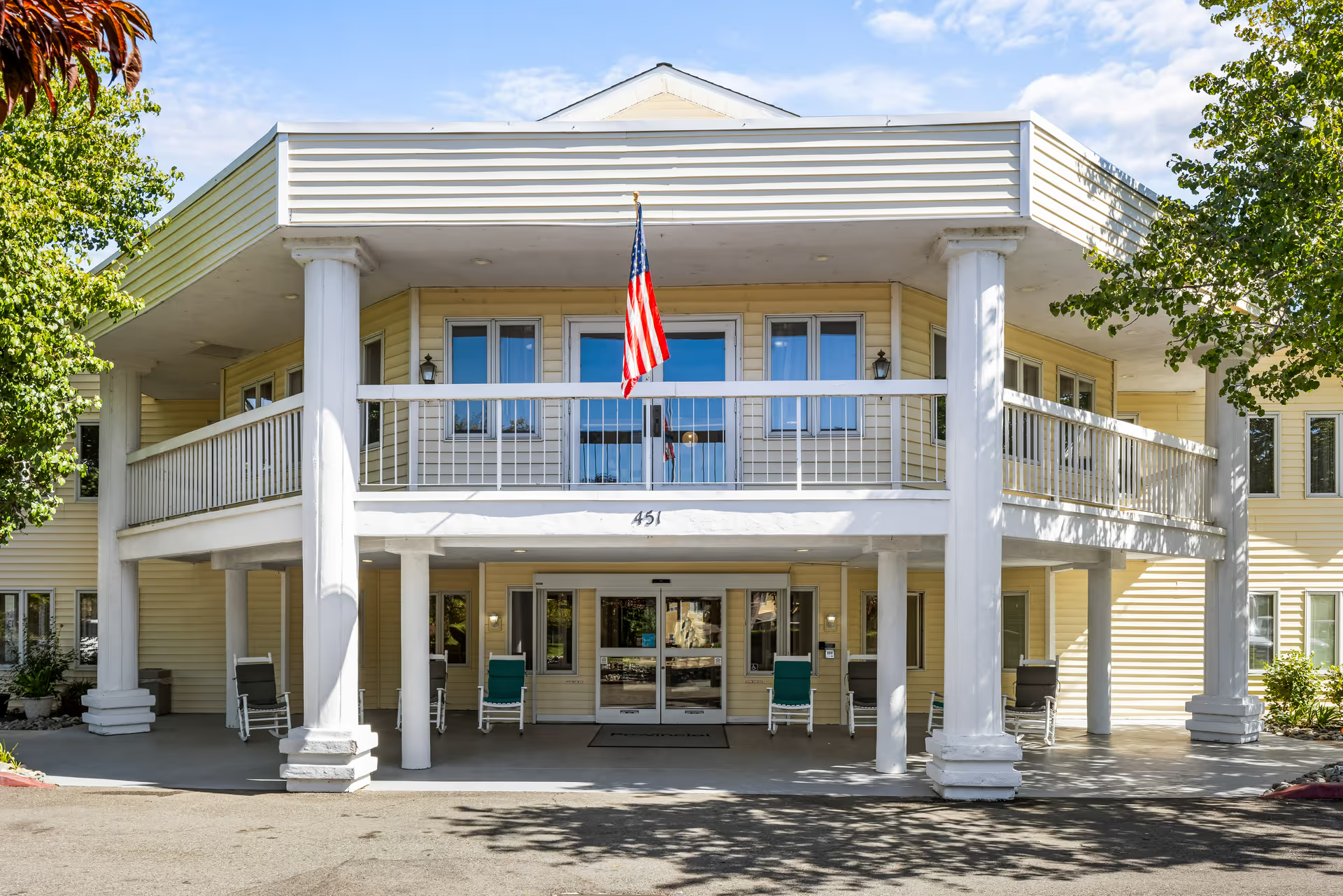
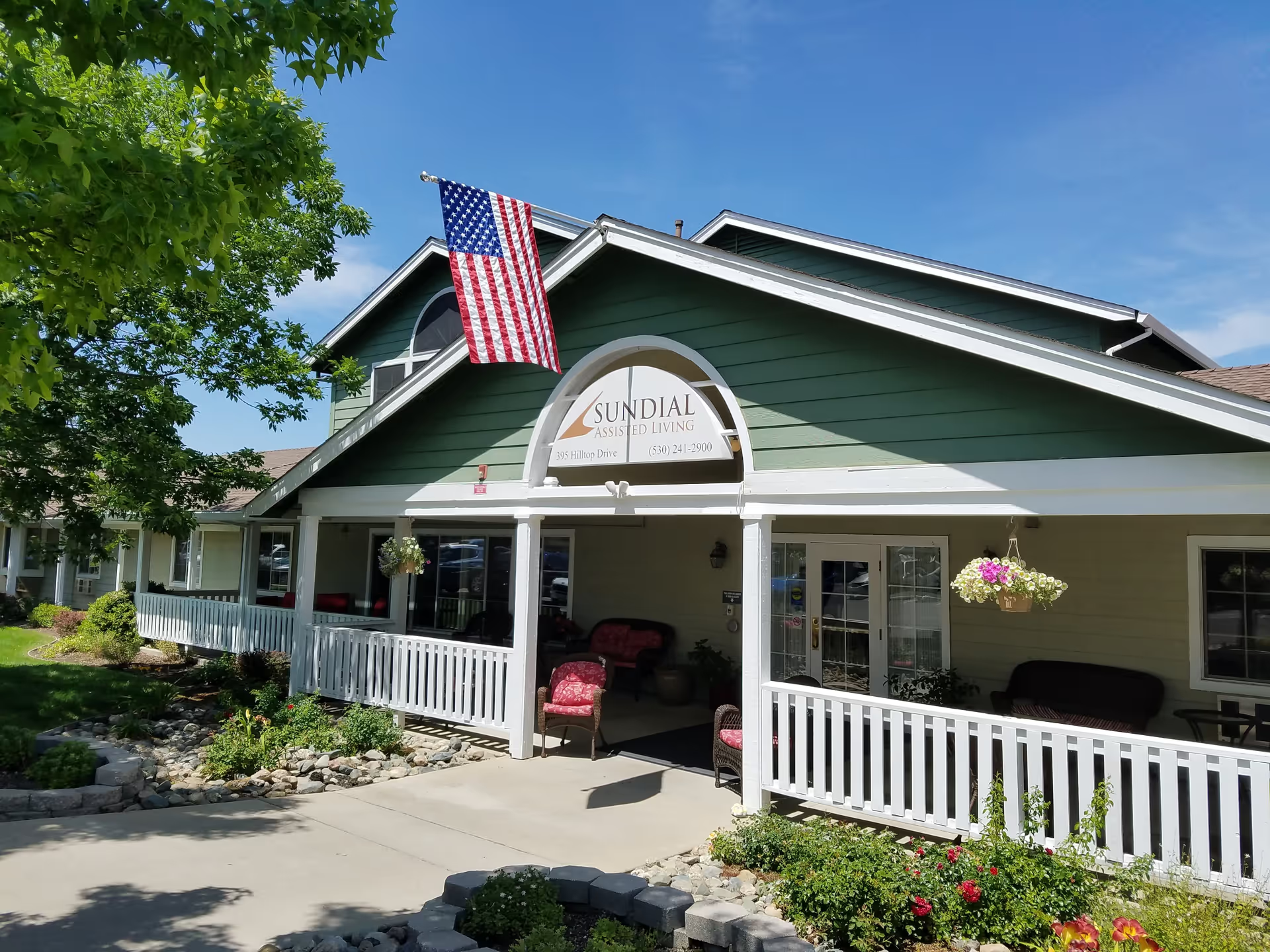
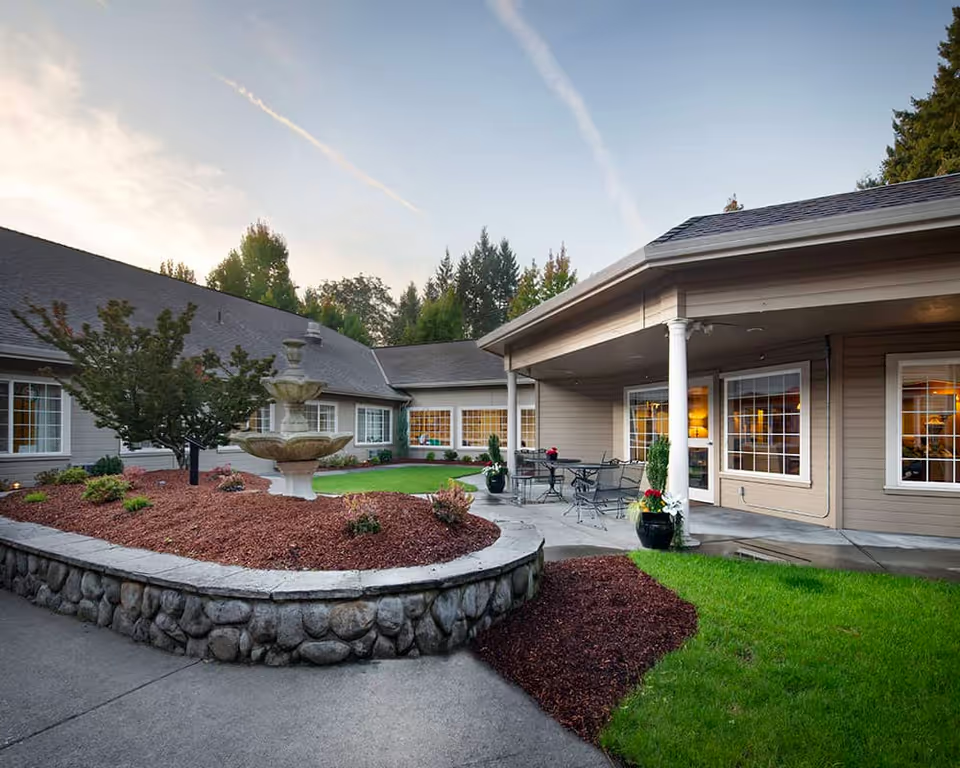
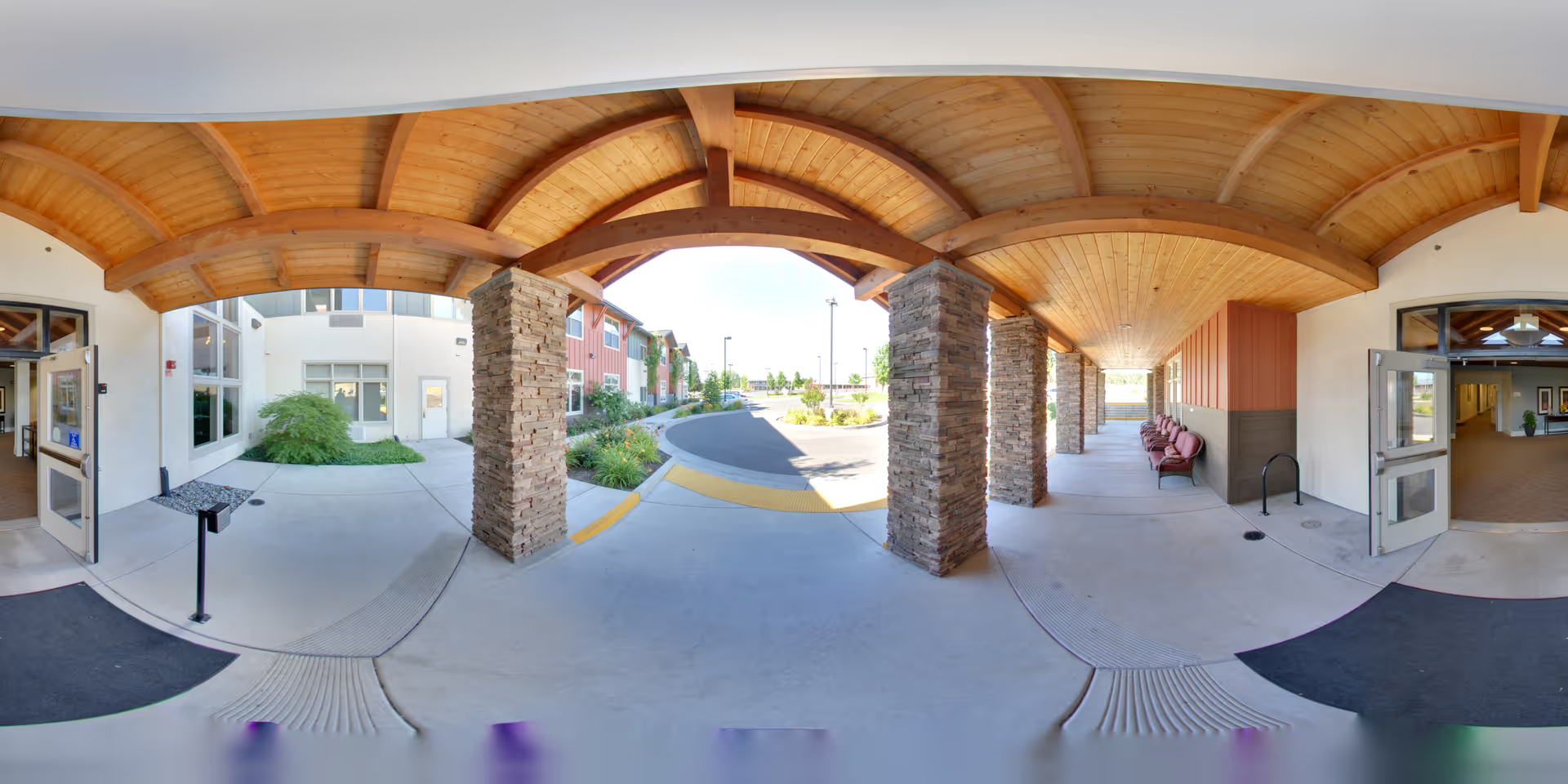
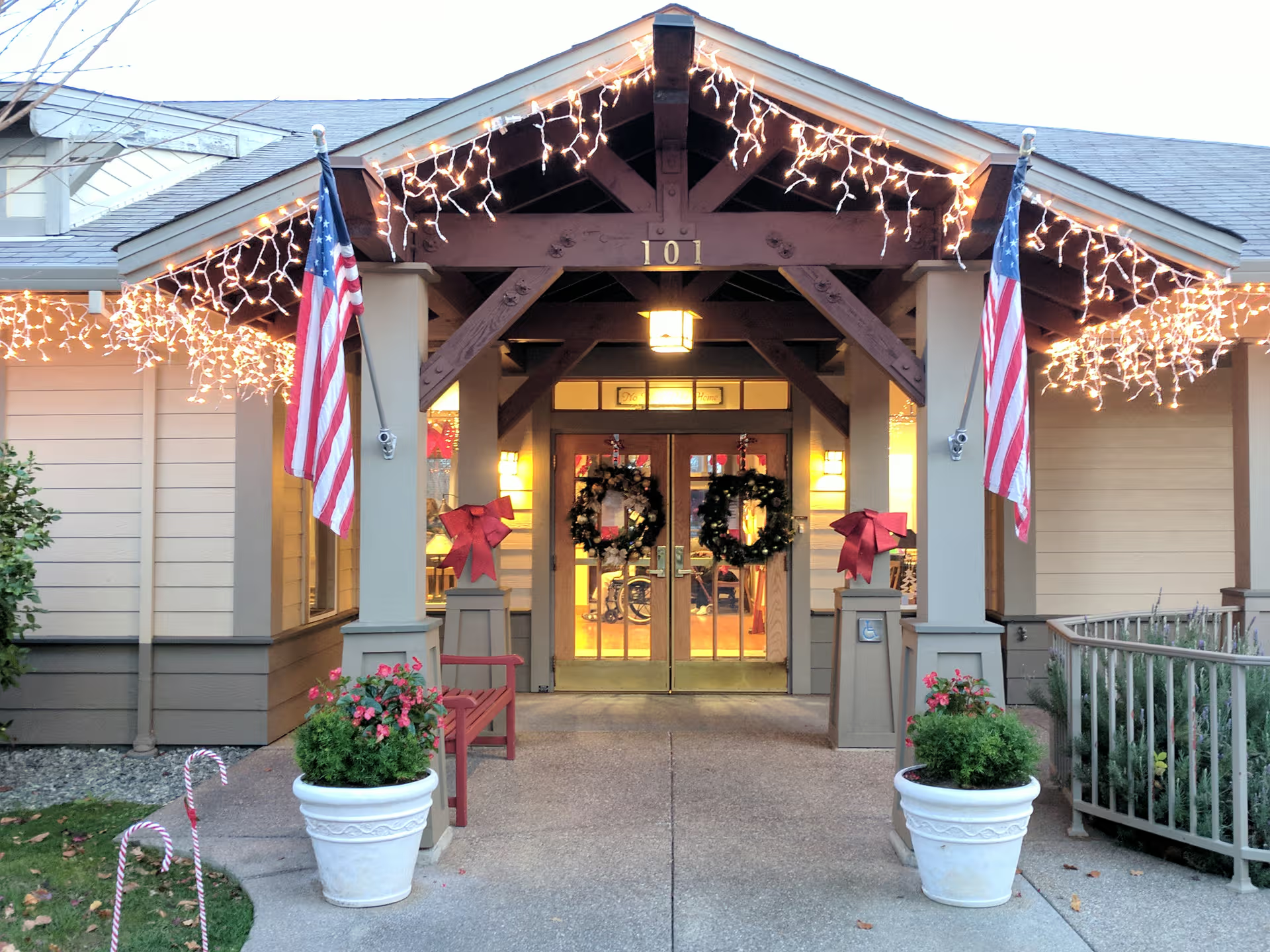
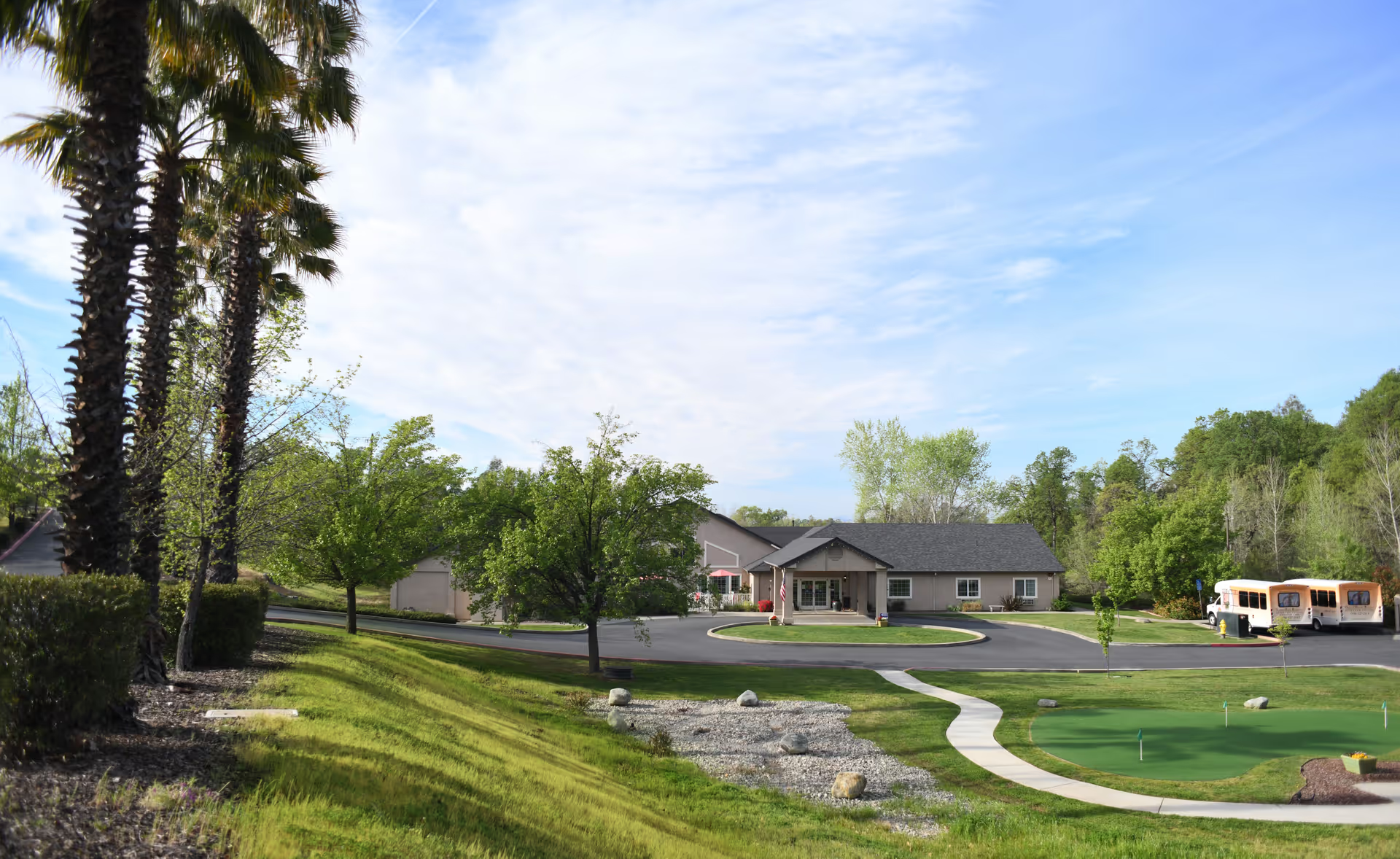
Oakmont of Redding is consistently described as a high-end, resort-style senior living community with strong emphasis on hospitality and environment. Reviewers frequently highlight the facility’s aesthetic strengths: new construction in parts of the campus, wide hallways, tall ceilings, spacious apartment configurations, and well-tended grounds with raised-bed gardens and clear views of the river and surrounding mountains. On-site amenities commonly noted include private dining rooms, a piano room, library, salon, theater/movie nights, and multiple outdoor spaces that support resident mobility and social interaction.
Care and staffing receive predominantly positive remarks for compassion, personalization, and bedside manner. Families commonly cite staff who learn residents’ names, provide respectful one-on-one attention, and demonstrate teamwork across nursing and care assistants. The presence of 24-hour nursing and med-tech staff is a frequently noted asset, as is the community’s ability to support hospice and end-of-life care with attentive family communication. That said, there are recurring operational concerns: periods of staffing shortages and instances of rushed caregiving during busy shifts. Several families described slower response times to call-for-assist requests and variability in memory-care specialization, which suggests the facility may better fit residents with lower to moderate assistance needs than those requiring high-dependency care.
Dining and programming are strong focal points. The community is described as providing chef-driven, restaurant-quality meals and a variety of well-balanced menu options; some reviewers referenced a formal dining experience and flexible dining hours. Programming covers a broad range — arts and crafts, puzzles, exercise (including wheelchair-accessible classes), excursions (bird watching, shopping, lake trips), and social events — helping foster a family-like atmosphere and new social circles. However, there are occasional comments about limited menu variety during certain service periods and variability in the frequency of activities and outings, which appear related in part to staffing patterns and unit-level scheduling.
Management and value considerations present a mixed picture. Admissions and marketing staff earn consistent praise for being informative and welcoming. Several families feel the community delivers premium amenities that justify higher fees, while others flagged the pricing structure as high and complex and hoped for more inclusive pricing. A subset of comments described a perceived decline in operational consistency compared with prior ownership or earlier periods, indicating that management and operational stability are areas to monitor. Cleanliness and housekeeping are generally praised, though a minority of observations mention inconsistent cleaning in particular units or times.
Overall, Oakmont of Redding projects a luxury, hospitality-oriented model with strong strengths in environment, staff-resident rapport, dining, and social programming. Prospective residents and families should weigh the high-end amenities and personalized staff attention against the operational trade-offs: potential staffing variability, periodic rushed care during peak times, and limitations for high-dependency clinical needs. A practical next step for families is to request unit-level staffing ratios, observe a full meals service, and review memory-care protocols during an extended tour to confirm fit for the specific level of care required.