Gordon Manor presents as a family-owned assisted living and memory-care community with a strongly expressed culture of personalized, compassionate care. Reviewers consistently describe staff who know residents by name, provide frequent toileting checks and routine personal assistance, and incorporate small daily gestures (hair combing, buttoning, blanket tucking) that support dignity and comfort. The facility is characterized by a high staff-to-resident ratio and staff described as patient, professional, and communicative; families cite open communication from caregivers and an overall sense that residents are treated respectfully.
Dining and activities are notable strengths. Meals are described as well-presented three-course offerings with attention to dietary needs (low-salt, gluten-free, allergy accommodations) and some use of garden produce. Staff also adapt meals to resident ability (e.g., cutting food for self-feeding). An active activities program includes bingo, music, arts and crafts, regular snacks, and both morning and afternoon programming. The community emphasizes inclusion across assisted-living and memory-care residents, with multiple opportunities for higher-functioning residents to participate alongside peers. A prominent activities board and frequent outdoor access help sustain a lively atmosphere.
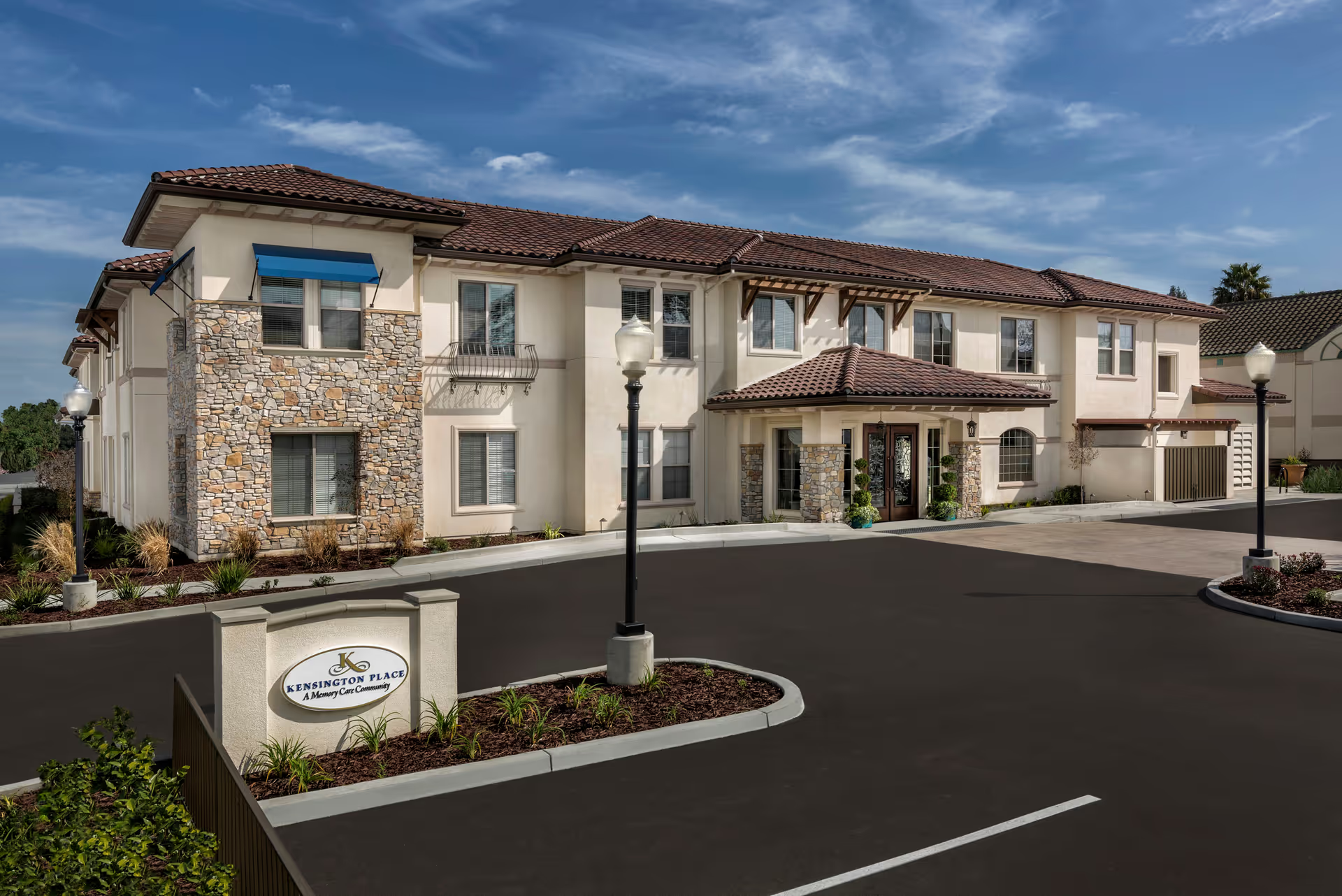
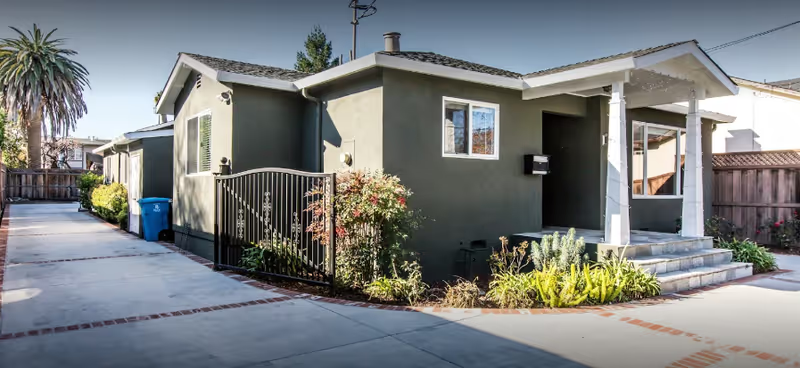
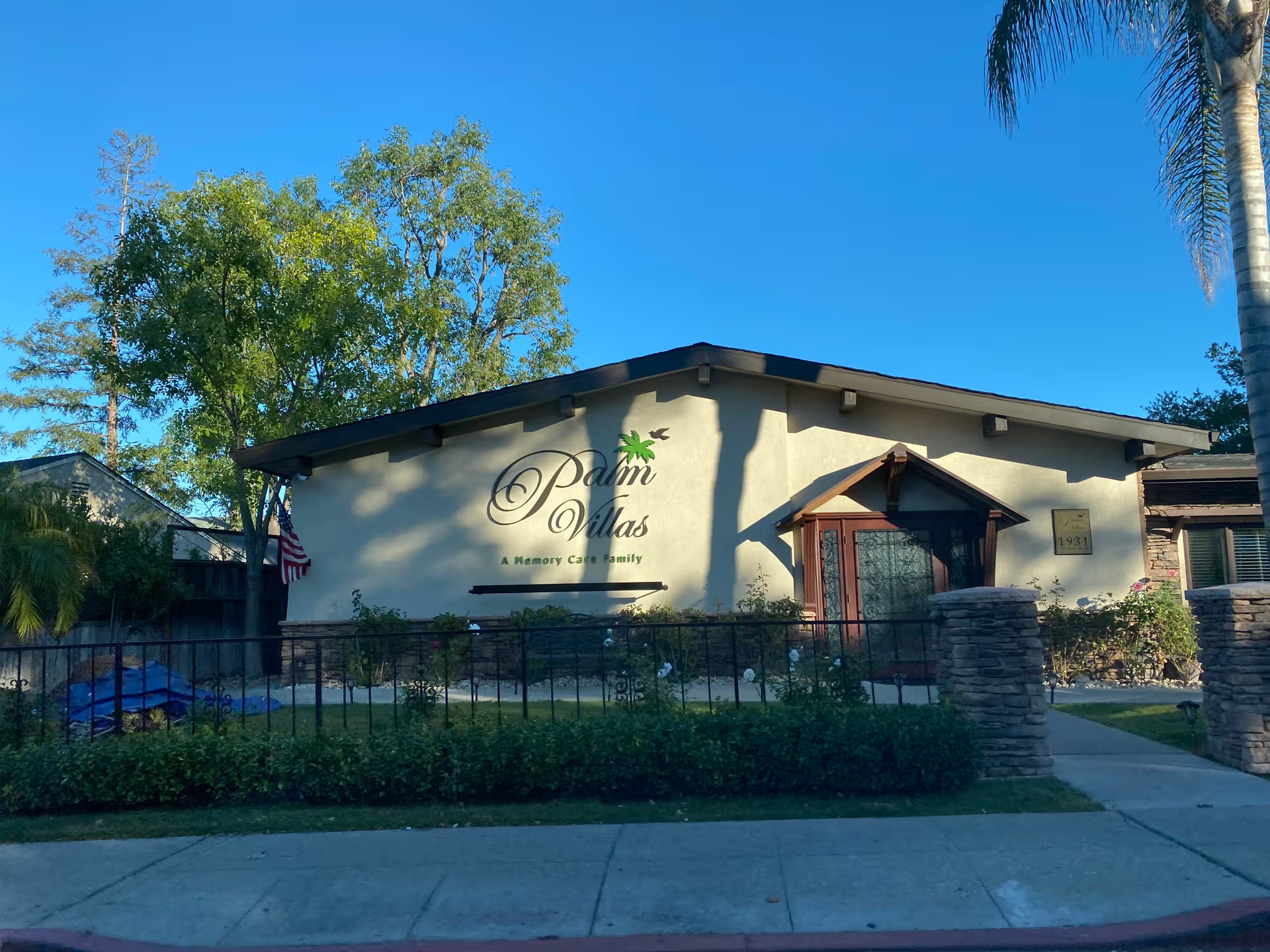
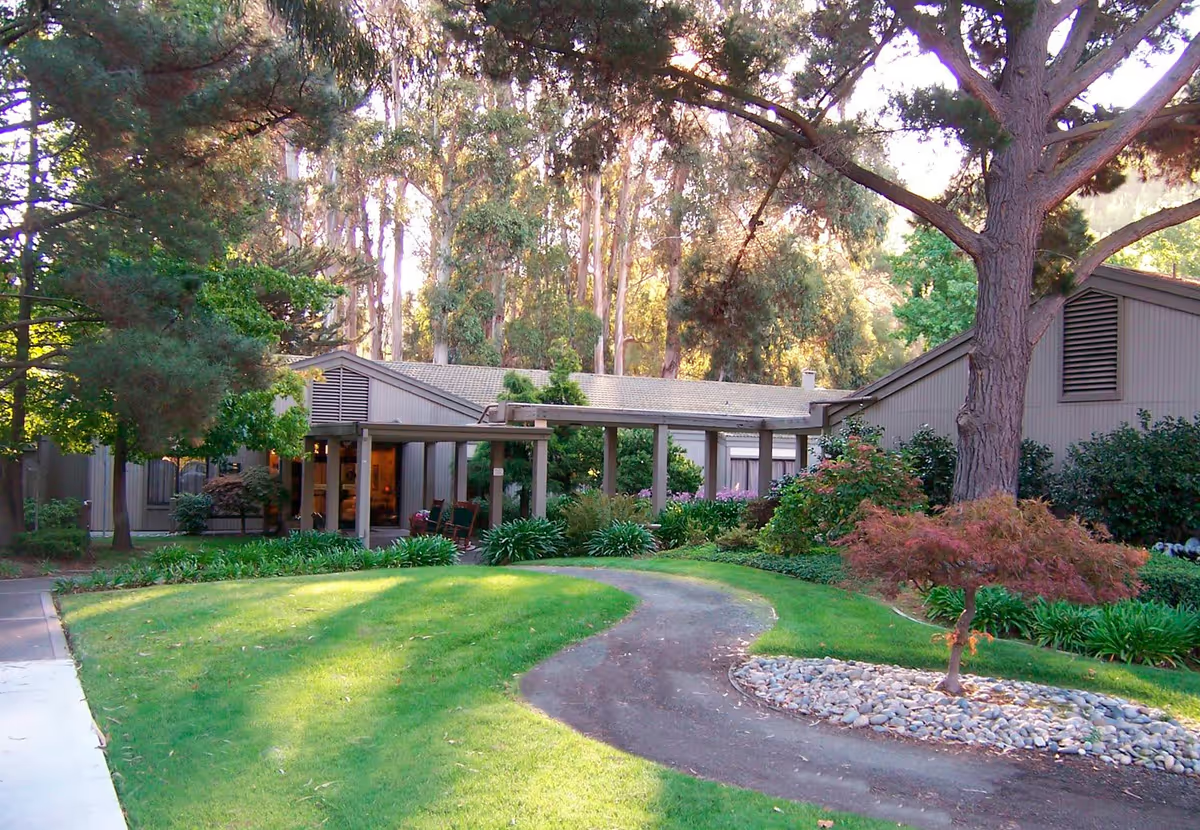
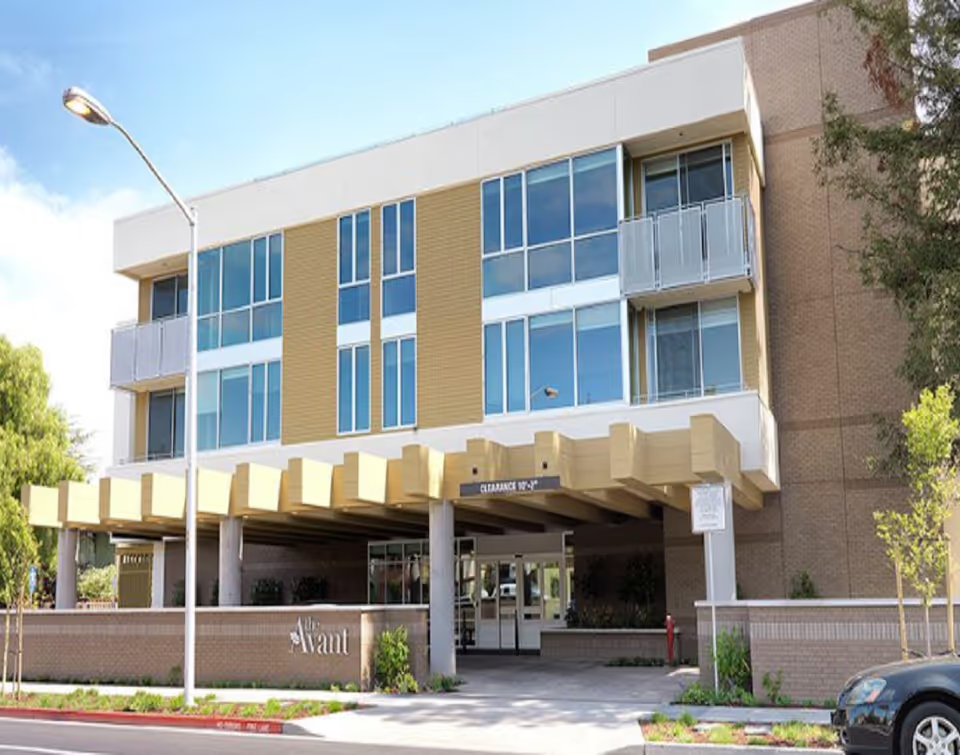
The physical campus receives mixed assessments. Interiors and outdoor areas (gardens, fruit trees, patios, chicken coop) are frequently described as well-maintained, homey, and garden-focused, contributing to a warm, family-like ambiance. At the same time, resident rooms are commonly described as small and basic, and the facility exterior is noted as not especially modern. These trade-offs may appeal to families prioritizing a homelike setting over contemporary finishes.
Operational patterns to consider include variability around memory-care placement and program fit. While memory care is available and many families report compassionate dementia care, some reviewers expressed concerns about suitability for particular cognitive levels, suggesting placement and program matching may be uneven. Related operational concerns include limited visible administrative presence on the care floor and occasional inconsistency in activity scheduling or engagement; some families noted staggered or limited programming at certain times. The community also uses electronic wander-management measures such as ankle bracelets and alarms, which potential residents and families should understand as part of the safety approach.
Overall, Gordon Manor appears to offer a warm, community-oriented environment with attentive staff, strong dining, and extensive outdoor amenities. Prospective residents and families should weigh those strengths against modest room sizes, an older exterior, and the need to discuss dementia-care fit and administrative responsiveness during a tour and intake conversation.