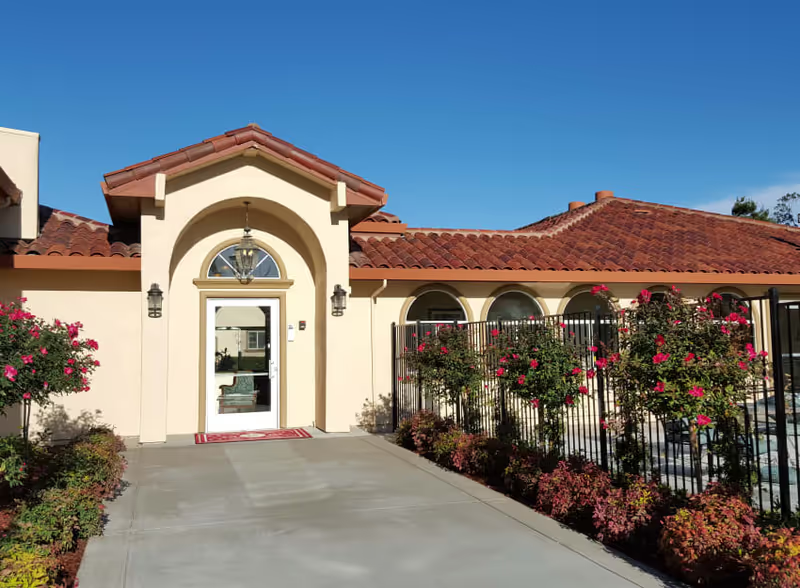
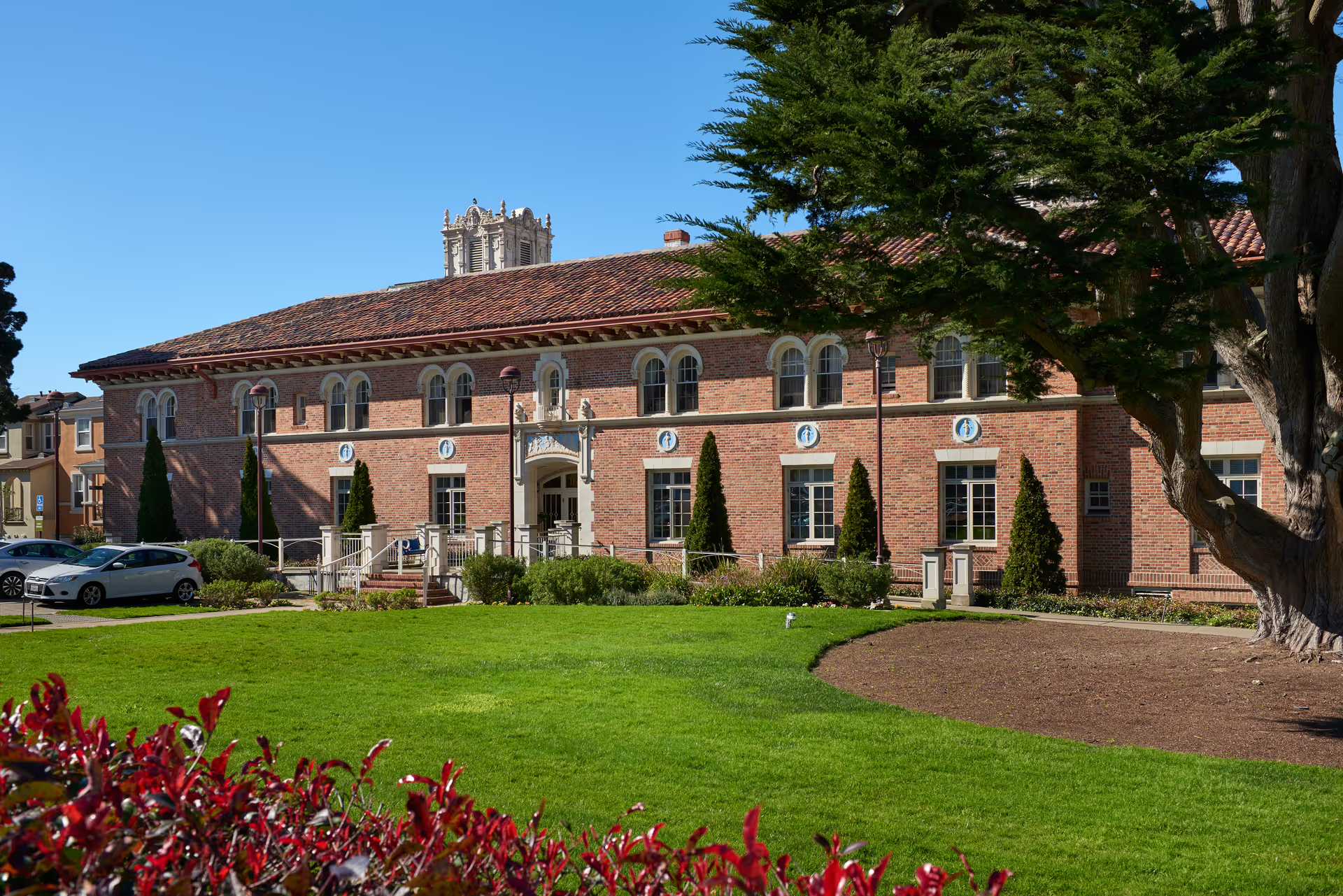
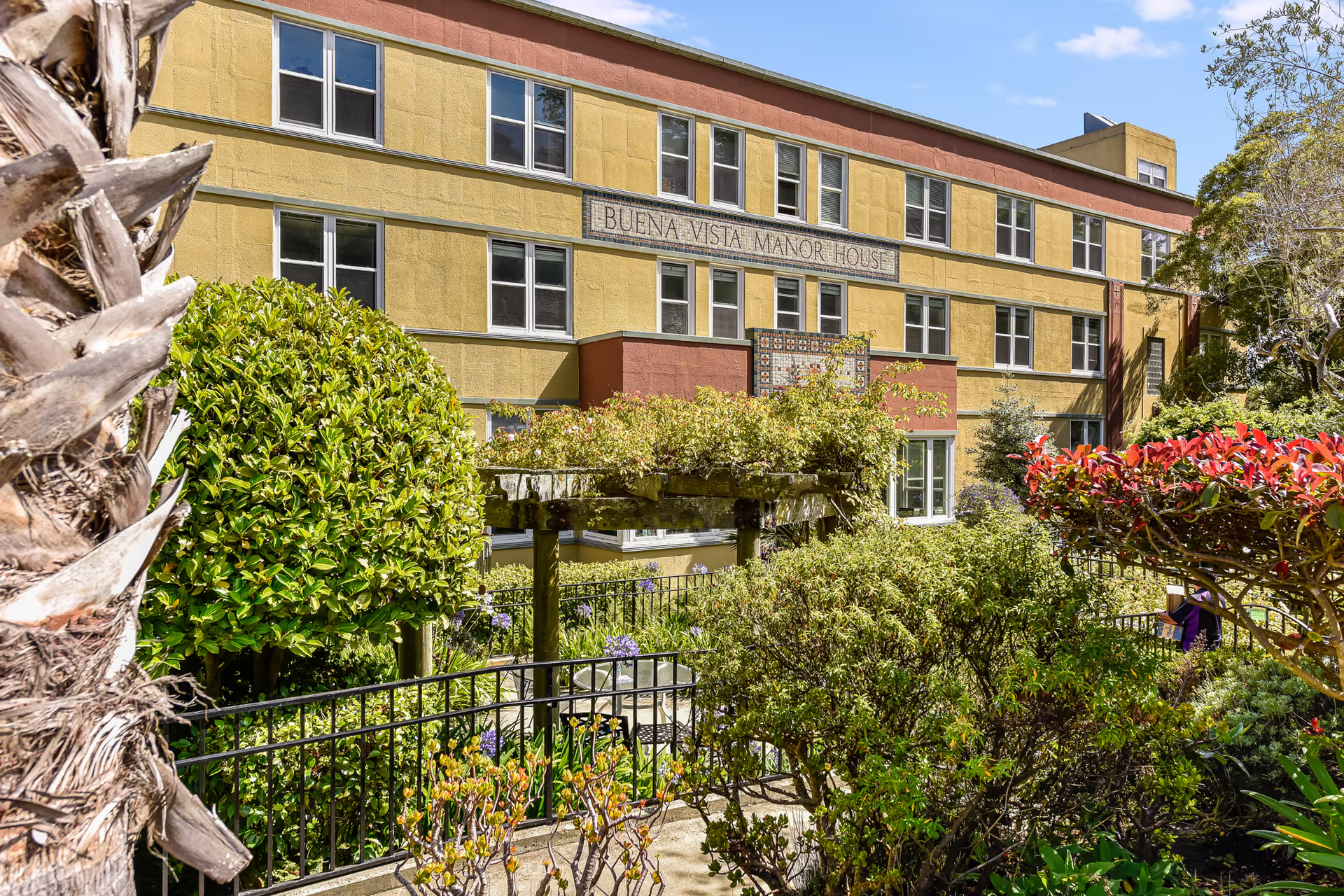
AlmaVia of San Francisco presents as a clean, well‑kept, and professionally run assisted‑living and memory‑care community with a strong emphasis on resident comfort and social programming. Reviewers consistently highlight the bright, renovated atmosphere — large windows, abundant natural light, landscaped courtyard and adjacent green space — and describe apartments with an apartment/hotel feel. Common‑area maintenance and overall sanitation are repeatedly characterized as high quality, and the facility’s design includes wide hallways and a variety of social spaces that support visitation and small‑group activities.
Care and staff receive frequent praise for warmth, professionalism and resident familiarity. Families and visitors describe caregivers as attentive, compassionate, and knowledgeable; memory‑care staff are singled out for upholding resident dignity and for strong family support in many accounts. At the same time, several reviewers identified operational gaps that affect care continuity: inconsistent night staffing levels and slow call‑response times were a recurring concern, and a few accounts implied delays in clinical escalation and family notification. These items suggest a need to clarify overnight staffing plans and emergency escalation protocols before move‑in.
Dining and activities are overall strengths. Meals are repeatedly described as thoughtfully prepared and enjoyable, and the activity calendar (games, crafts, group exercise, live entertainment and religious programming) appears lively and well organized. The dining room itself is sometimes perceived as small or not especially distinct, which may affect communal dining atmosphere at peak times. Activity engagement is broadly positive, but there are isolated indications that residents with higher dependency or mobility limitations can be less engaged; prospective families should verify individualized engagement strategies during a visit.
Facility layout and operations present mixed signals. Several impressions describe the building as feeling like a converted clinical space, which can influence room sizes and some public spaces; some apartment layouts were described as smaller than expected. Families also raised practical concerns about move‑in logistics, clarity around pricing and extra charges (notably for overnight care), and occasional variability in front‑desk tone and communication. For couples with different care levels, the community may have limits in keeping both parties together without differing units or programming — an operational constraint to evaluate for paired moves.
In summary, AlmaVia of San Francisco is likely to suit prospective residents and families seeking a bright, well‑maintained community with active programming, a mission‑driven staff culture, and quality dining. Before committing, visitors should (1) review written staffing ratios and overnight response procedures, (2) clarify all fees and move‑in information in writing, (3) inspect safety features in bathing and transfer areas, and (4) discuss individualized engagement plans for residents with higher care needs or for couples requiring different levels of service. These checks will help align expectations with the community’s operational realities.