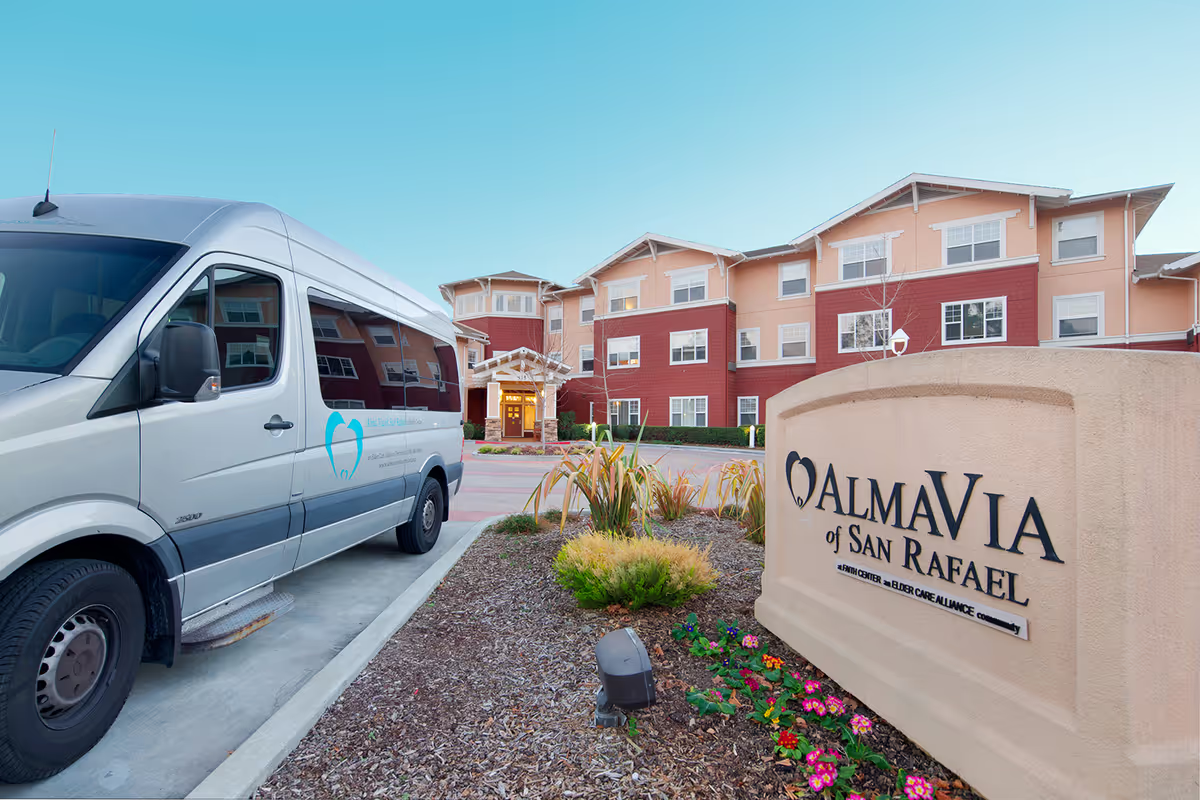
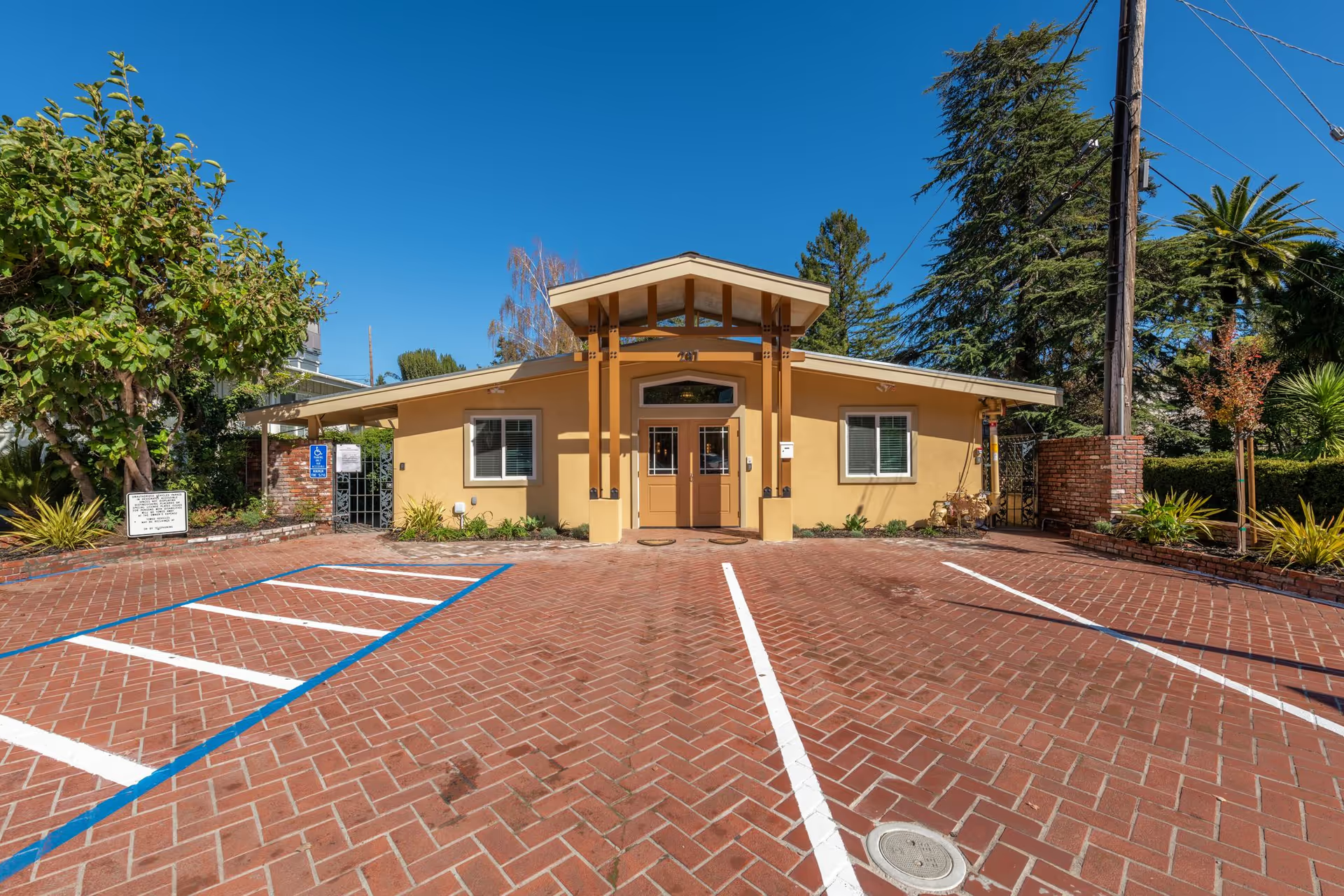
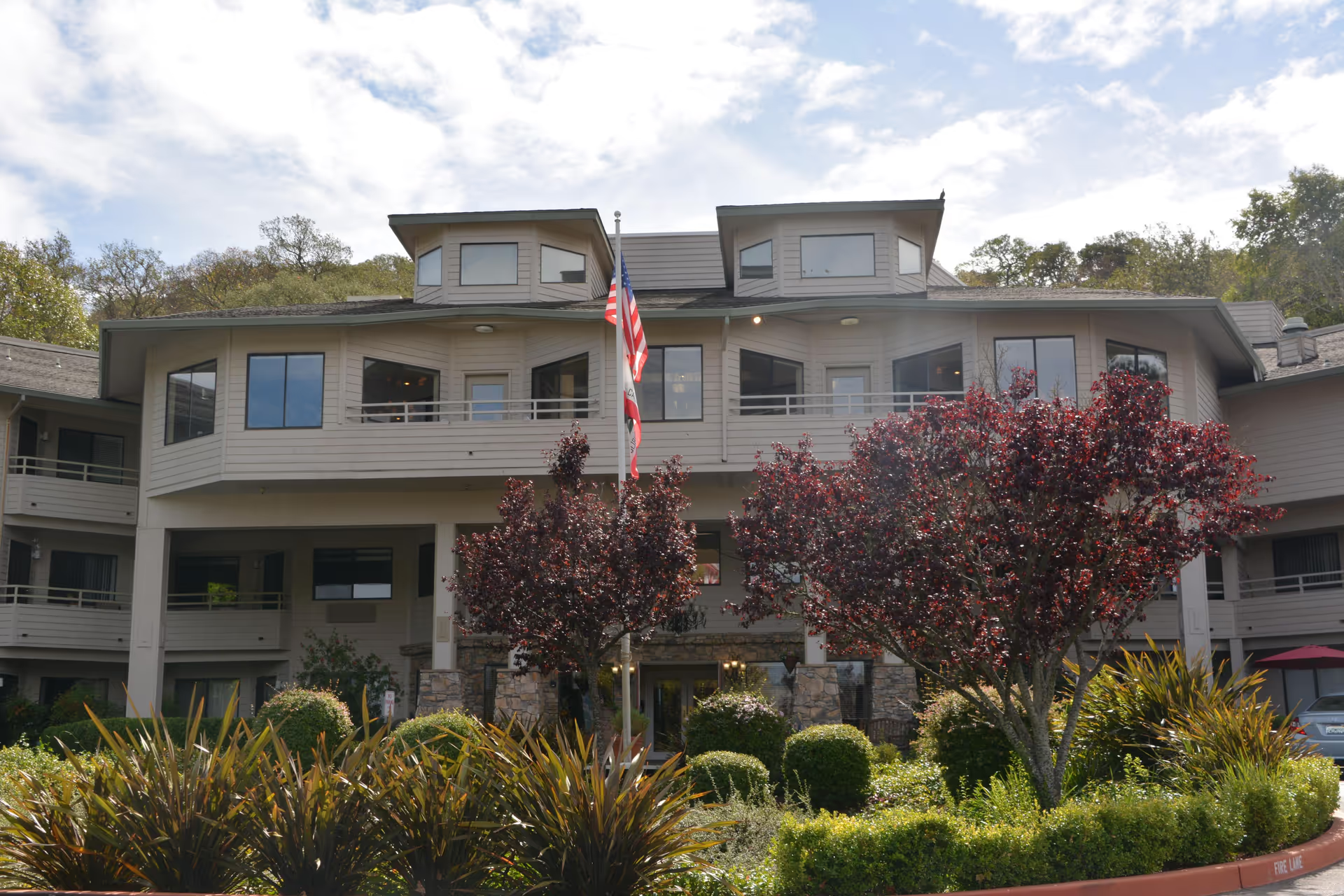
Overall impression: Drake Terrace is consistently characterized by reviewers as a well‑run, community‑oriented senior living campus with a strong, long‑tenured staff and proactive management. Many families and residents describe a warm, family‑like atmosphere supported by an organized activity calendar, regular excursions, and a visible commitment to resident dignity and transition support. The property and shared spaces are generally described as clean and well maintained, and the central location near shopping and medical services is commonly cited as a convenience.
Care quality and clinical capacity: For independent and assisted living residents the facility receives generally favorable evaluations for attentive, respectful care and timely responsiveness. However, reviews indicate facility‑level limits in clinical capacity: weekend and off‑hour staffing consistency is a recurrent concern, and onsite medical coverage is limited. There are specific operational and policy constraints — including restrictions on certain transfer equipment and end‑of‑life stays — that reduce the suitability of the community for residents with advanced dementia or high‑acuity clinical needs. Families seeking a high level of clinical nursing presence or complex dementia management should verify clinical staffing levels and policies before placement.
Staff and management: Staff are the facility’s most frequently praised feature. Reviewers emphasize compassionate, patient, and helpful interactions from front‑desk personnel, caregivers, activity staff, and long‑standing employees. Management is described as responsive, communicative, and supportive during transitions. At the same time, some reviews call out language and communication barriers with portions of the staff and note occasional lapses in weekend coverage. These mixed notes suggest strong day‑to‑day leadership overall, with operational gaps during lower‑staffed periods.
Dining and activities: Dining is generally well regarded — multiple daily choices, alternate menus, and generous dining hours are commonly appreciated. A number of reviews describe flavorful meals and liken dining to a social focal point. There are also comments about occasional blandness or variability in meal quality, so culinary consistency appears uneven. The activity program is a clear strength: a broad mix of intellectual, arts, music, and exercise classes, nightly social offerings, and frequent off‑site excursions contribute to an active social environment. Some residents note scheduling conflicts or programs that feel exclusive to particular groups, so prospective residents should confirm whether specific interests and schedules are supported.
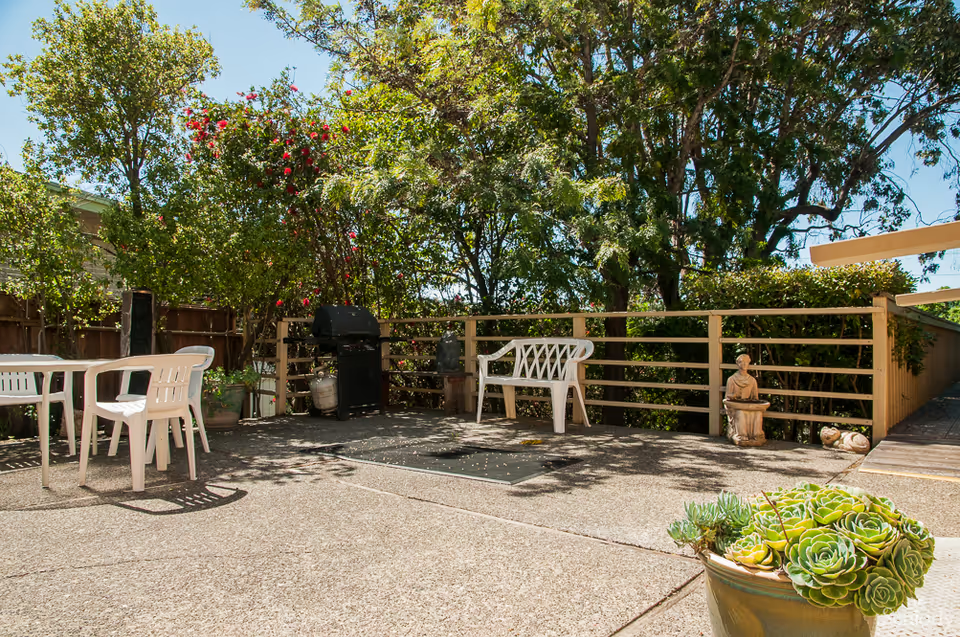
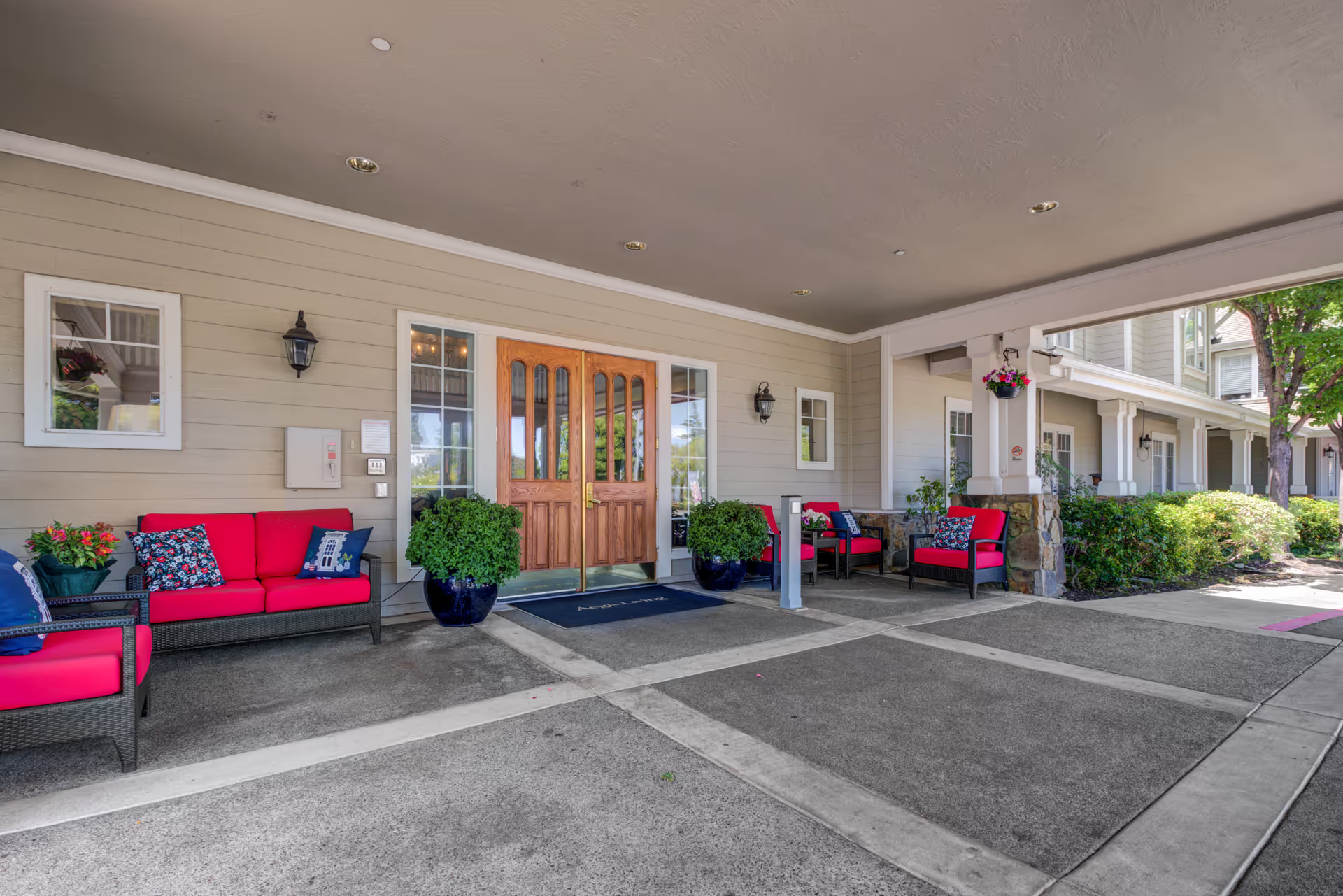
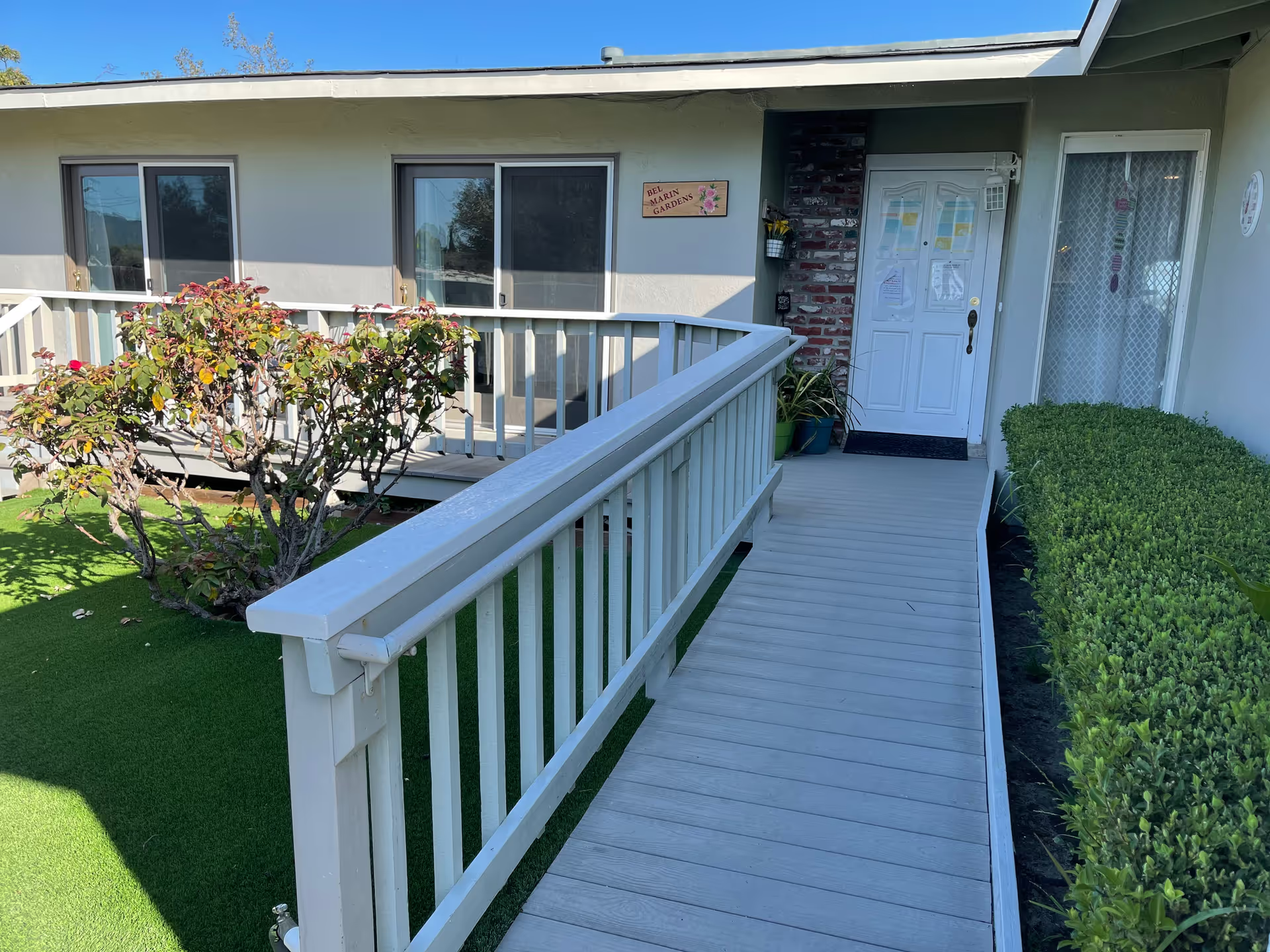
Facilities and accommodations: Common areas, grounds, and shared amenities are frequently described as attractive and well kept. Accessibility features such as grab bars and wheelchair‑friendly showers are present. Apartment options span studios to two‑bed units, but reviewers note variation in unit sizes and layouts; some units have limited closet/storage space, compact kitchens, or tighter room dimensions, and a few reviews cite localized odor concerns in particular units or corridors. Parking distribution and unit access can be uneven depending on the building. There is no on‑site pool, and some specialty equipment or end‑of‑life accommodations may not be available due to corporate policy.
Notable patterns and advice for families: Drake Terrace excels at creating a social, supportive environment for residents who are largely independent or need light to moderate personal care; strong leadership, an engaged activities team, and dependable transportation are consistent strengths. Families should evaluate clinical staffing levels and written policies before placement if a prospective resident requires advanced dementia care, heavy transfer assistance, or extended nursing oversight. Ask about weekend staffing patterns, language supports for communication, exact apartment dimensions and storage, and the facility’s policies on transfer equipment and end‑of‑life stays to ensure the community operationally matches the prospective resident’s needs.