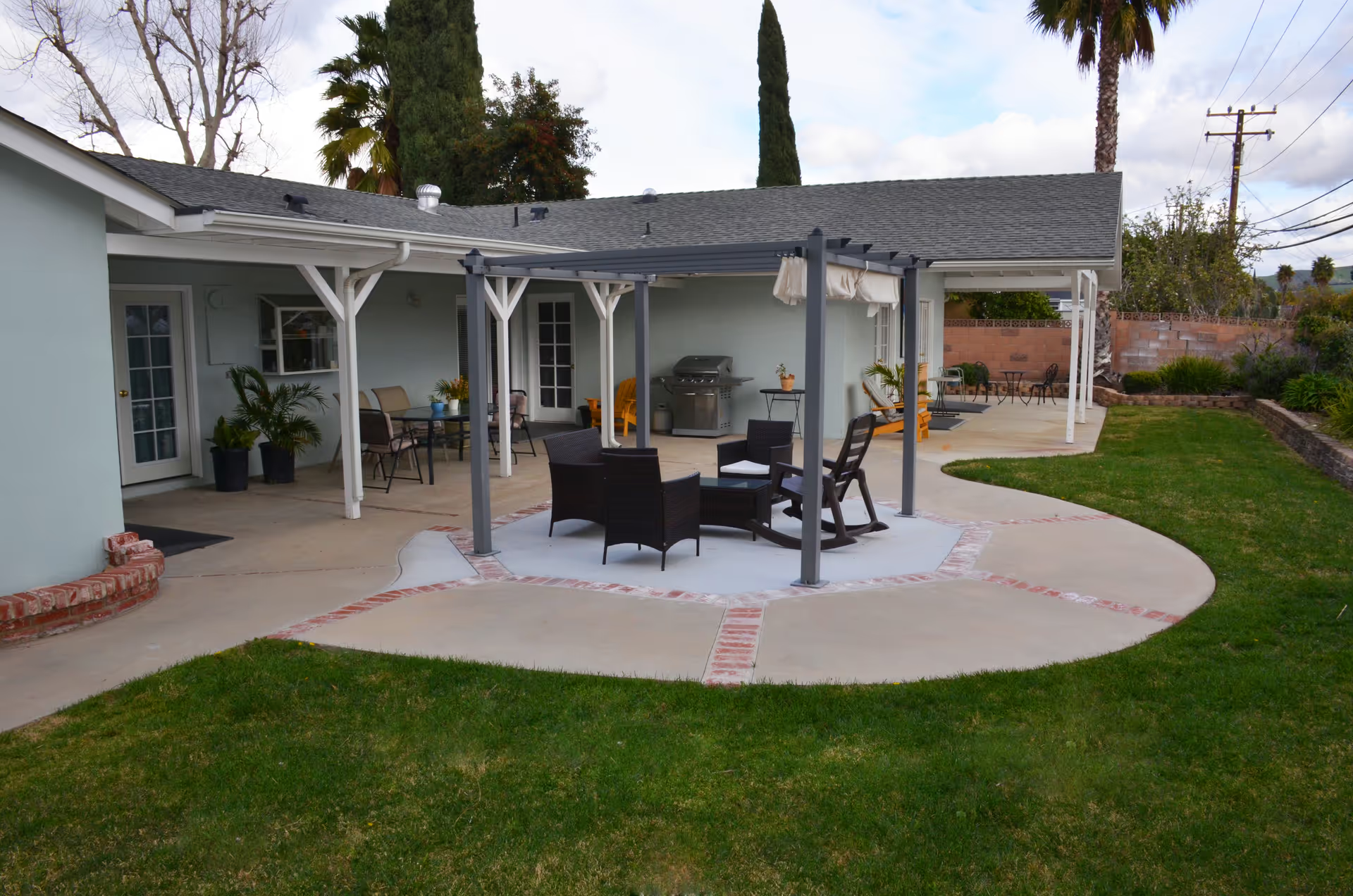
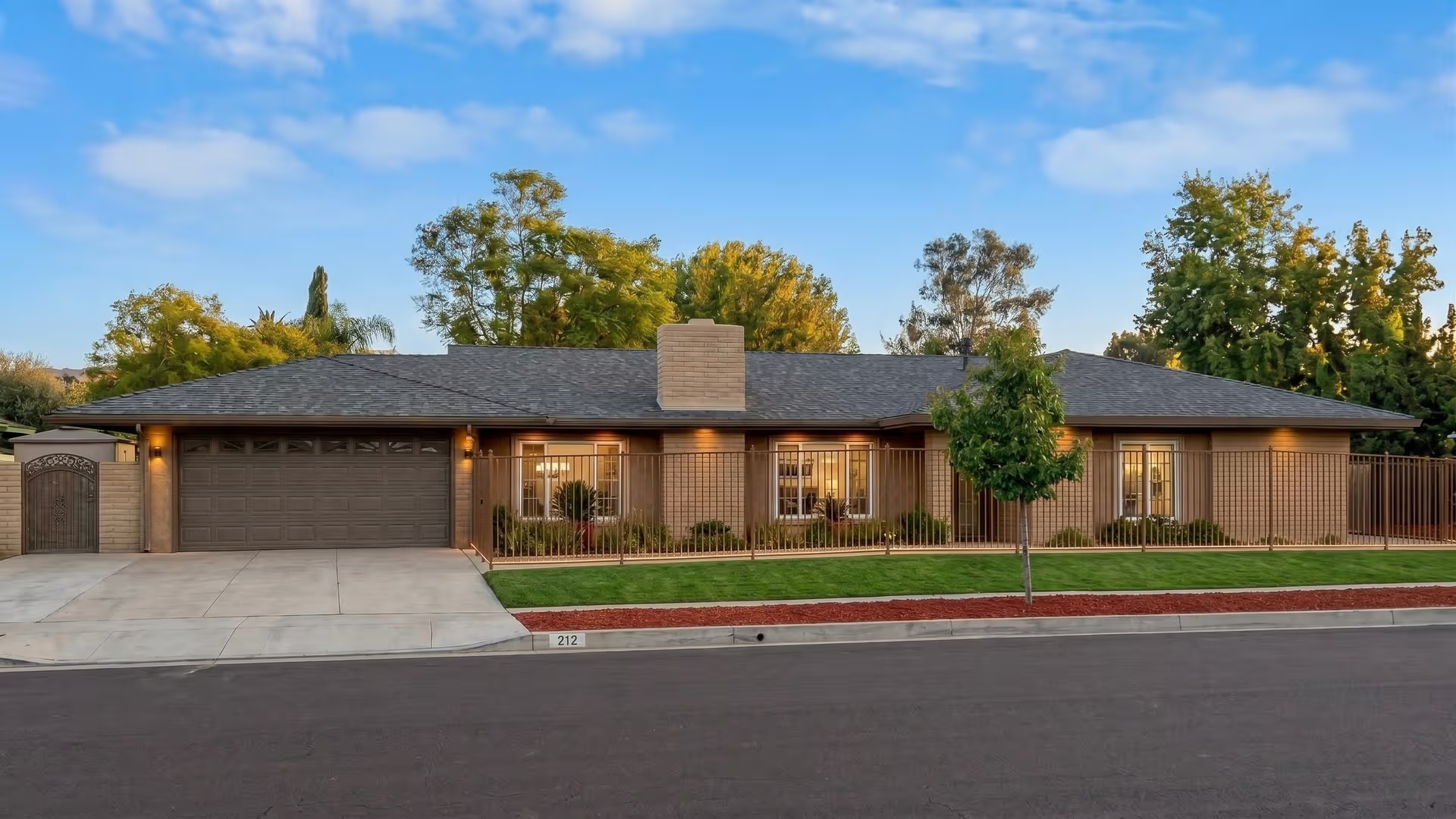
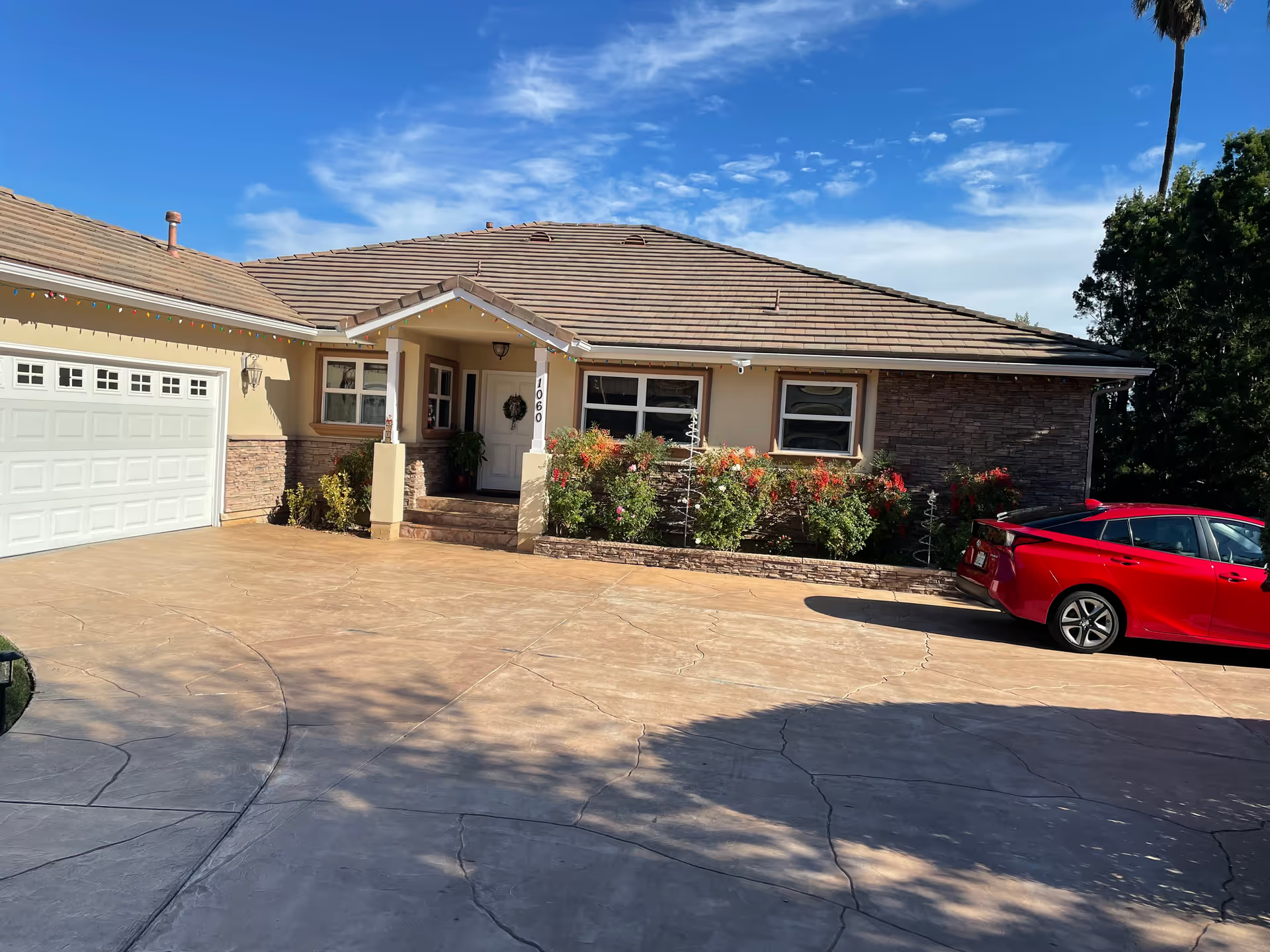
The Reserve at Thousand Oaks presents as a large, active independent-living community with a strong emphasis on social engagement and campus amenities. Residents and family members consistently praise the community’s social programming — frequent classes, arts and crafts, concerts, book club, card games, daily exercise, movie nights, and off-site trips create a lively calendar. The campus supports that activity level with multiple communal spaces (library, theater, bistro, dining room) and fitness-related services including an on-site gym, pool, whirlpool, and therapy services (PT/OT) that are convenient for residents seeking rehabilitation or routine wellness support.
Staff quality is a recurrent strength: caregiving teams, medical technicians, dining staff, and many front-line employees are described as compassionate, knowledgeable, and resident-focused. Long-tenured staff and personalized attention — staff who know residents by name — contribute to a welcoming, family-like atmosphere. Safety systems such as personal check-in buttons and documented emergency planning and drills are in place and noted positively. For families prioritizing independence and social life, the community’s culture and staffing model are often cited as a strong fit.
Dining and housekeeping are areas of mixed feedback. The community offers restaurant-style dining with flexible seasonal menus and daily specials, and many residents enjoy the food and dining environment; however, others describe inconsistent meal quality, slow dinner service, and variability in kitchen staffing. Housekeeping and linen service are included and work well for many residents, but cleanliness and housekeeping consistency were raised as a concern in parts of the facility. Prospective residents should plan a meal visit and ask about current dining schedules and housekeeping standards during a tour.
Facility condition is heterogeneous. Several areas and recently refreshed common spaces receive favorable comments, while other buildings and units retain older finishes and a dated aesthetic. The campus layout — multiple separate buildings and long walks between residences and shared spaces — suits active residents but can be challenging for those with mobility limitations; some floorplans have bathroom or shower layouts that reviewers found awkward. Availability is sometimes constrained, with waitlists noted for preferred unit types.
Clinical and operational limitations should be considered by those with higher care needs. The community is primarily independent living with assisted-living supports available in varying degree; it does not provide on-site memory-care as a distinct program, and it lacks 24/7 skilled nursing. Reviewers flagged occasions of delayed clinical responsiveness, inconsistent follow-up communication to families, and staffing shortages that affected transportation and dining support. These point to operational patterns worth clarifying with management — specifically staffing ratios, after-hours clinical coverage, and protocols for escalations.
Management and continuity present a mixed picture. Several reviews commend strong leadership, professional tours, and an effective move-in experience, while others cite leadership change, perceived cost-containment pressures, and uneven communication as contributing to declines in certain services. Maintenance responsiveness likewise varies: many residents report prompt fixes, while others describe slower resolution in specific areas. Prospective residents should request current staffing metrics, renovation schedules, and service-level expectations in writing.
Overall, The Reserve at Thousand Oaks is best suited for independent seniors who prioritize an active social environment, extensive on-site programming, and a community-oriented staff. Families should verify the community’s current dining and housekeeping practices, assess unit layout accessibility, and confirm clinical and transportation procedures if higher levels of care or frequent medical assistance may be needed in the future.