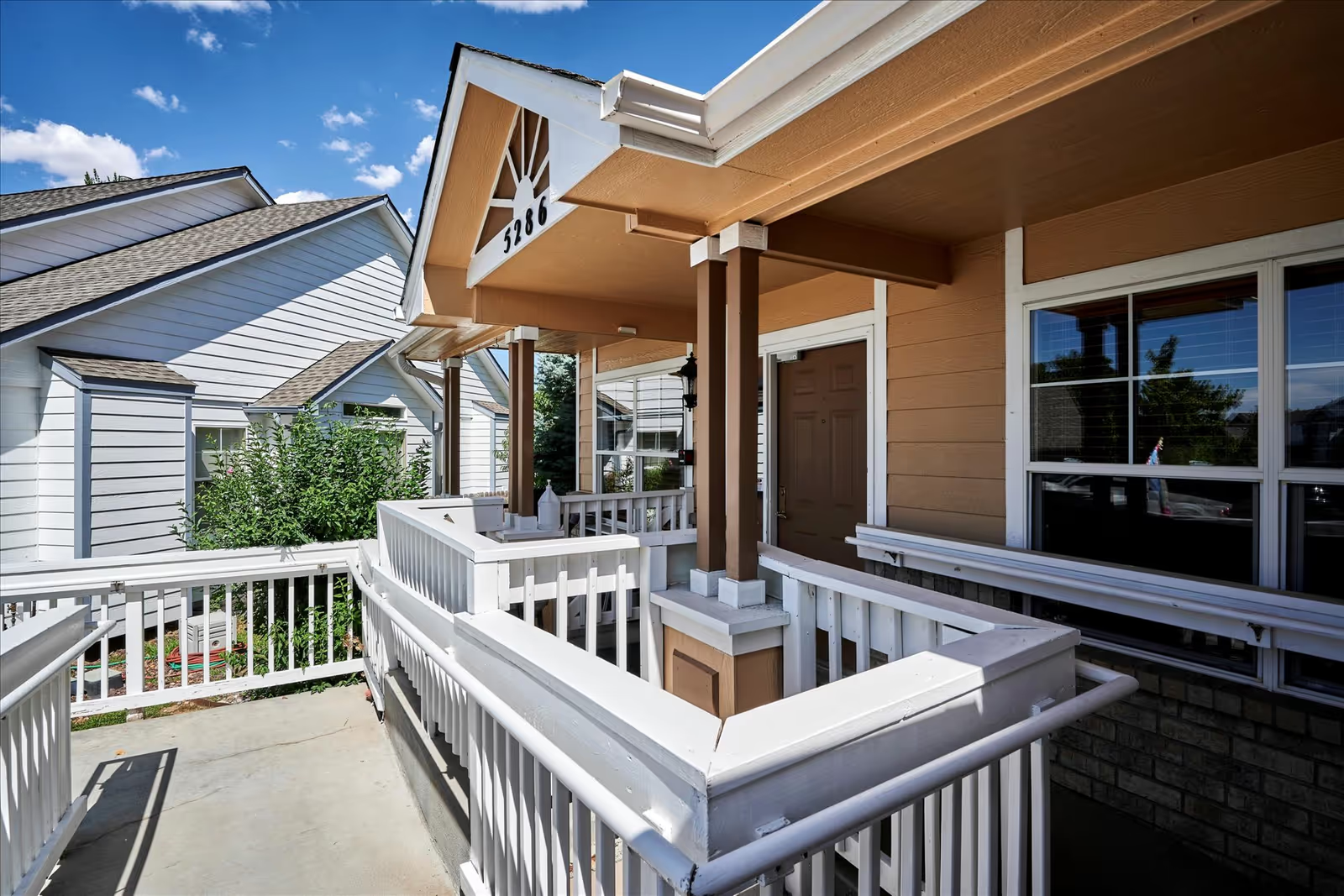
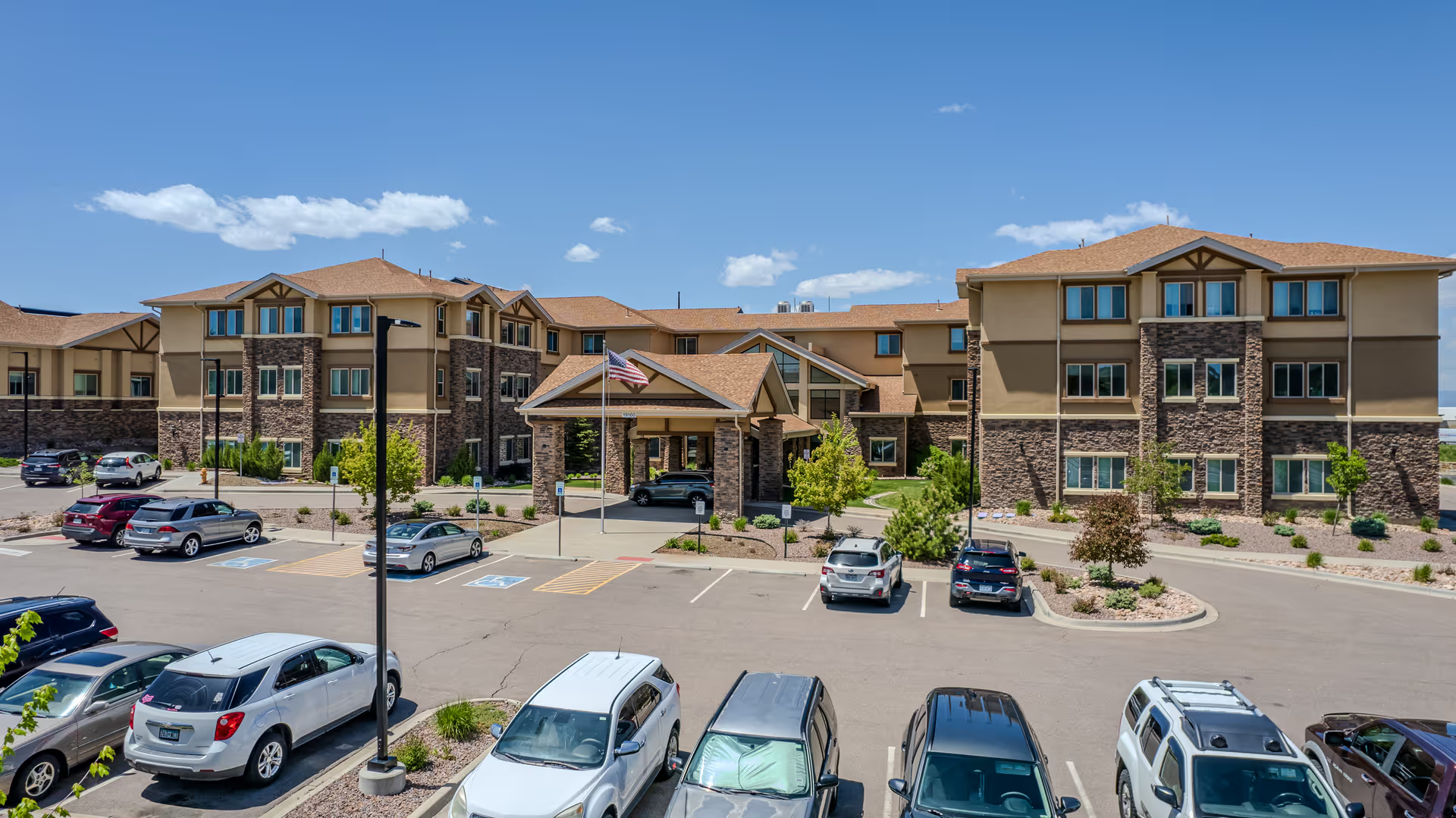
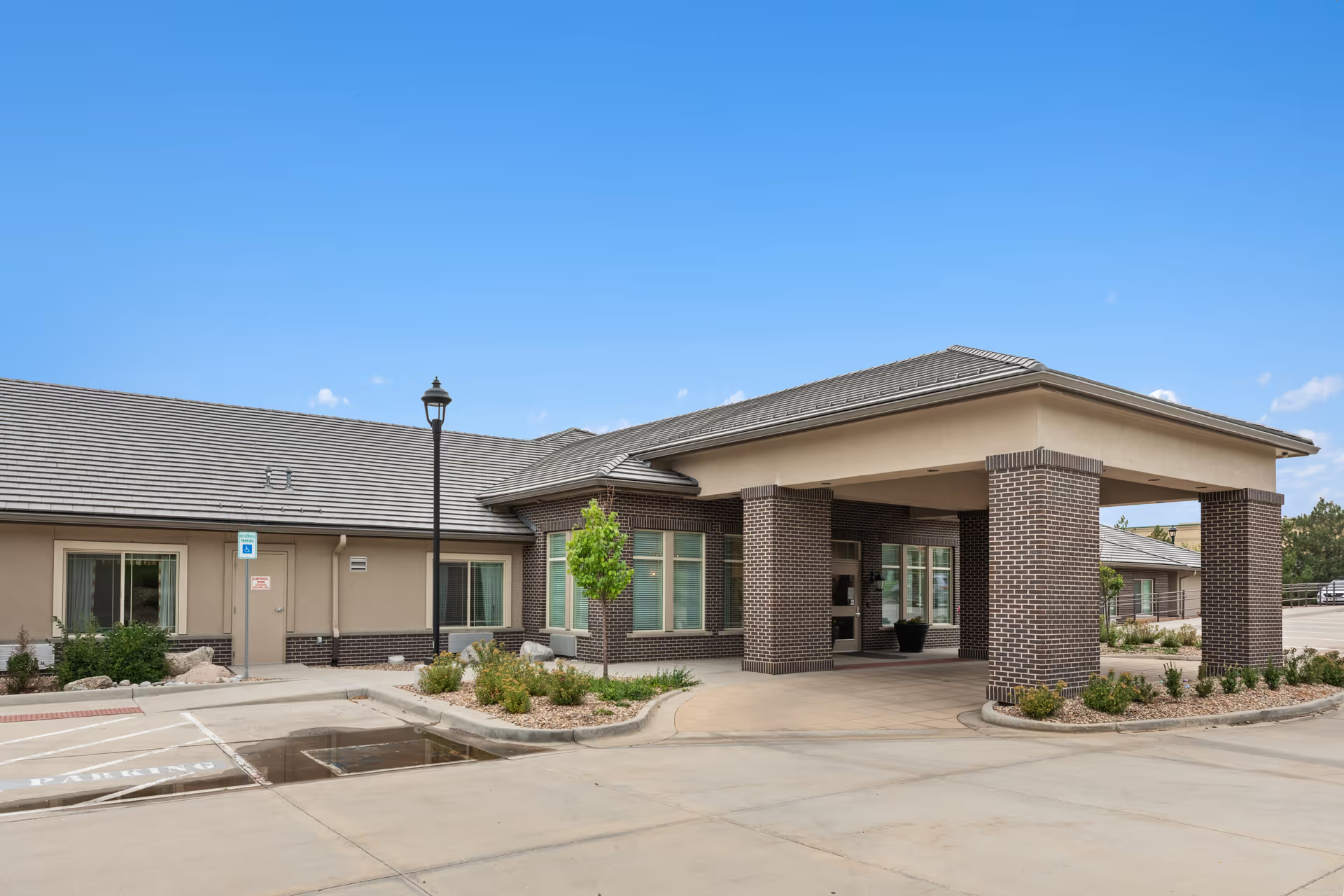
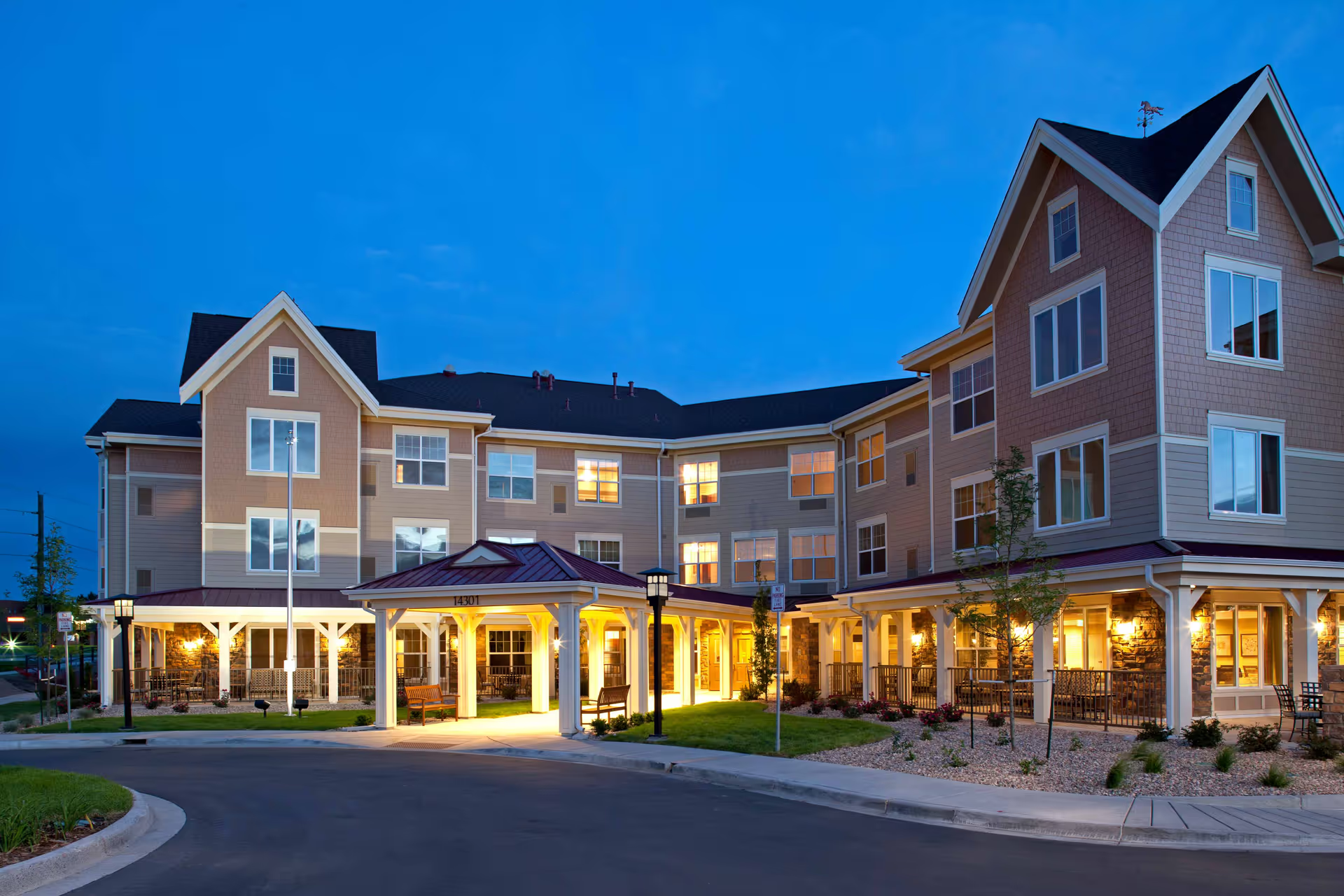
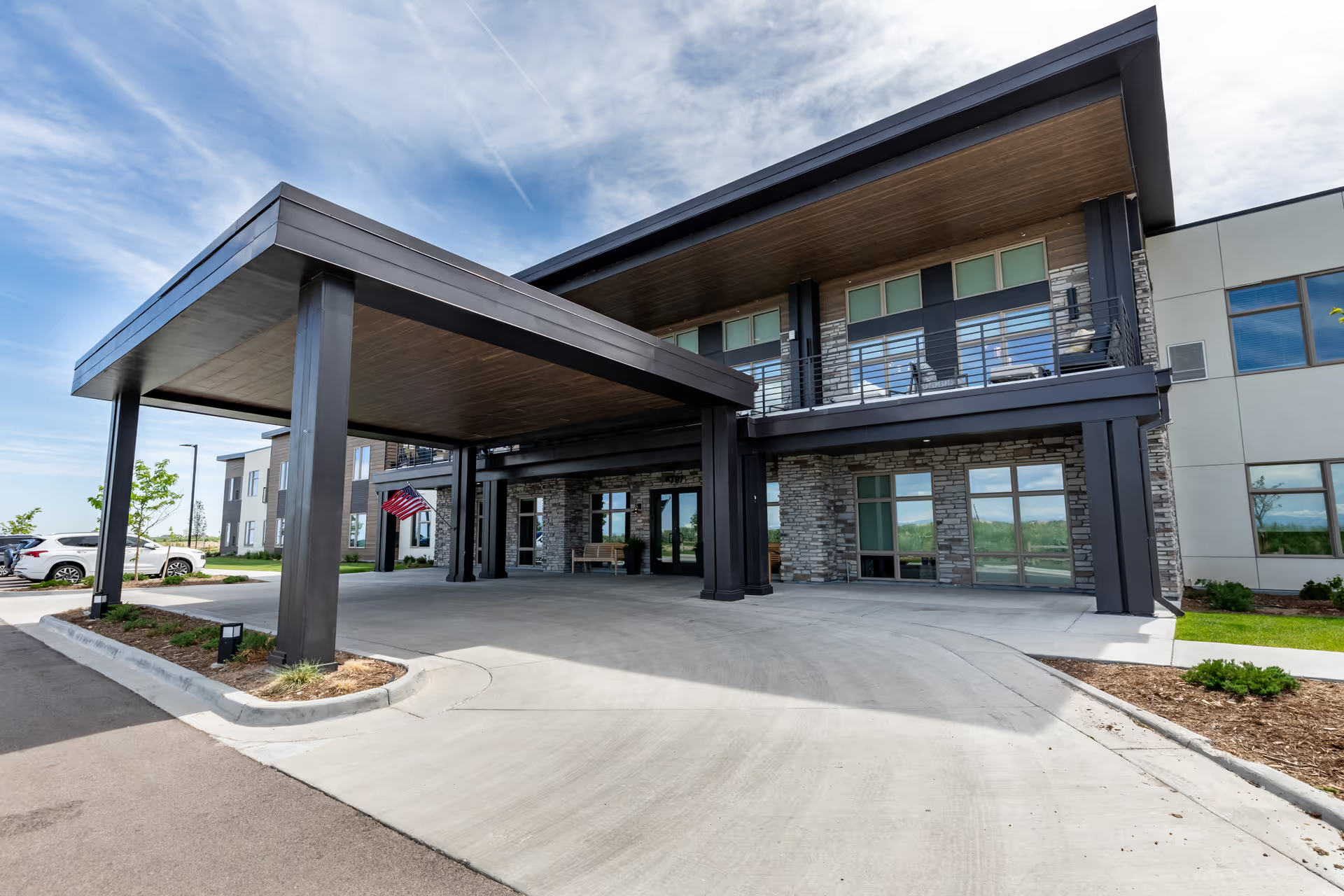
Peakview presents as a recently built, well-appointed assisted living and memory-care community with many operational strengths alongside recurring operational weaknesses. Positive accounts emphasize a modern, bright physical environment; a strong dining program with varied menus; abundant activities and outings; and staff who create a warm, family-like atmosphere. The community offers several clinical conveniences that families appreciate, including on-site nursing resources, in-room geriatric visits, therapy and salon services, and accessible apartment features.
Clinical-care reports are mixed. Numerous families describe compassionate, proactive caregivers and attentive nursing staff who notice changes in residents and provide individualized support. At the same time, there are recurring concerns about medication-administration controls, lapses in oxygen and medical monitoring continuity, and inconsistent help with activities of daily living. These operational shortcomings have led some families to move residents or escalate concerns; several accounts describe formal complaints and serious follow-up conversations with physicians or legal advisors.
Staffing and programming show a similar pattern of strengths and variability. Activity offerings—book clubs, live music, crafts, outings, and resident councils—are frequently cited as meaningful and well-run, contributing to a strong community life when fully staffed. However, reviewers also describe periods of understaffing, high turnover, inconsistent scheduling, and gaps in activity resumption after infection-control events, which can reduce day-to-day engagement for residents. Staff training and language competency vary across shifts; many families praise individual caregivers while also noting that performance is uneven across the team.
Management, communication, and business practices are another area of divergence. Some families highlight responsive admissions, helpful community-relations personnel, and effective maintenance and housekeeping. Others describe leadership instability, slow responses to concerns, billing opacity, and unanticipated price increases. Sanitation and odor issues are raised in specific areas by some accounts, and several reviewers cite shortcomings in incident notification and follow-up after hospitalizations or health crises. There are also isolated, serious allegations—including claims about discriminatory conduct and concerns following a resident's death—that families should consider when conducting due diligence.
Taken together, Peakview offers many environment- and program-level assets that appeal to families seeking modern accommodations, varied programming, and memory-care focus. The most consistent operational risks are inconsistent clinical execution (medication and oxygen monitoring), staffing variability, and management communication/billing transparency. Prospective residents and families would be advised to verify current staffing levels, medication-handling protocols, emergency procedures, care-plan specifics, and billing terms during the visit; ask for recent examples of how the facility addressed clinical lapses; and obtain written assurances about ADL support and escalation/notification practices before move-in.