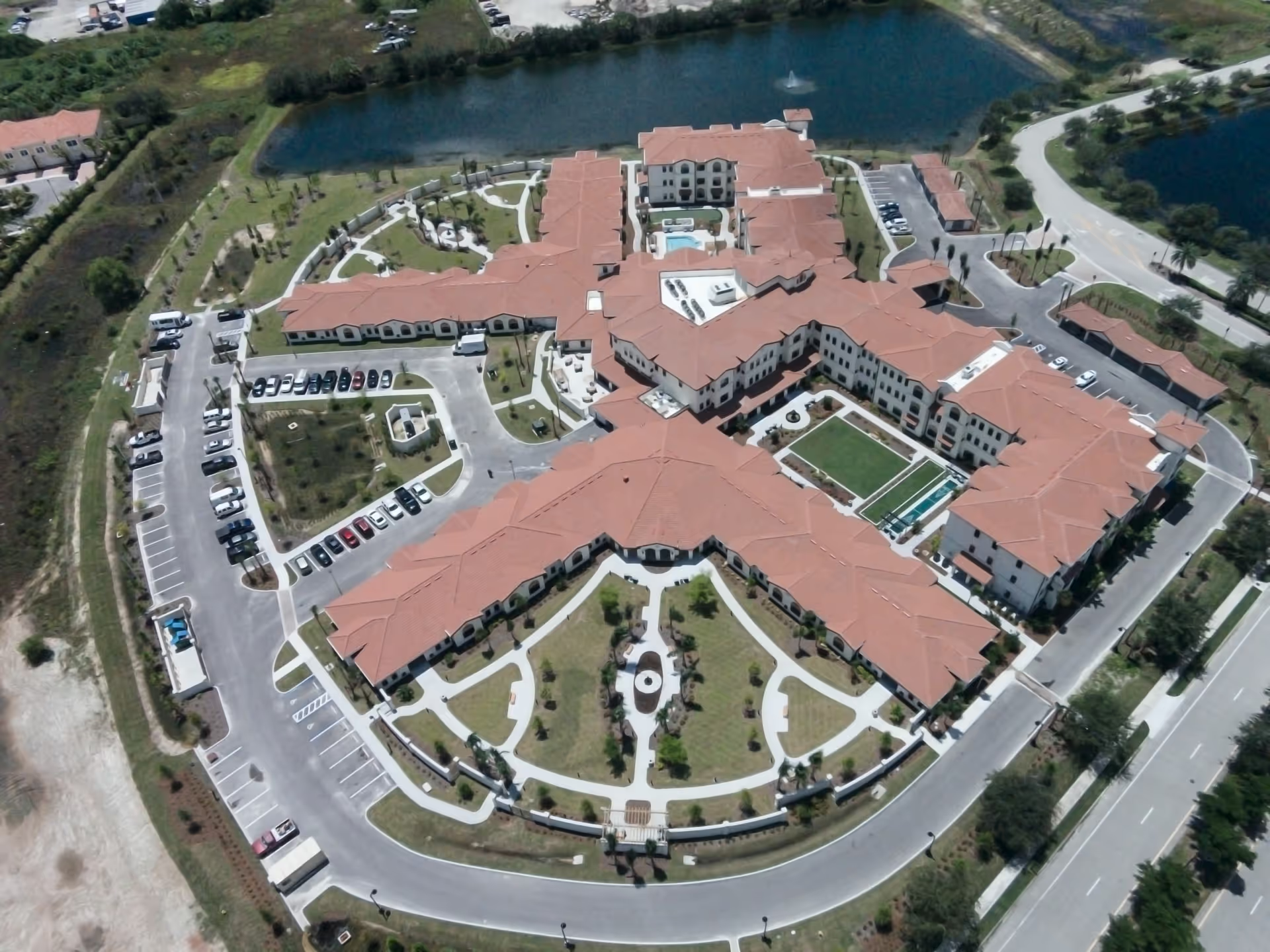
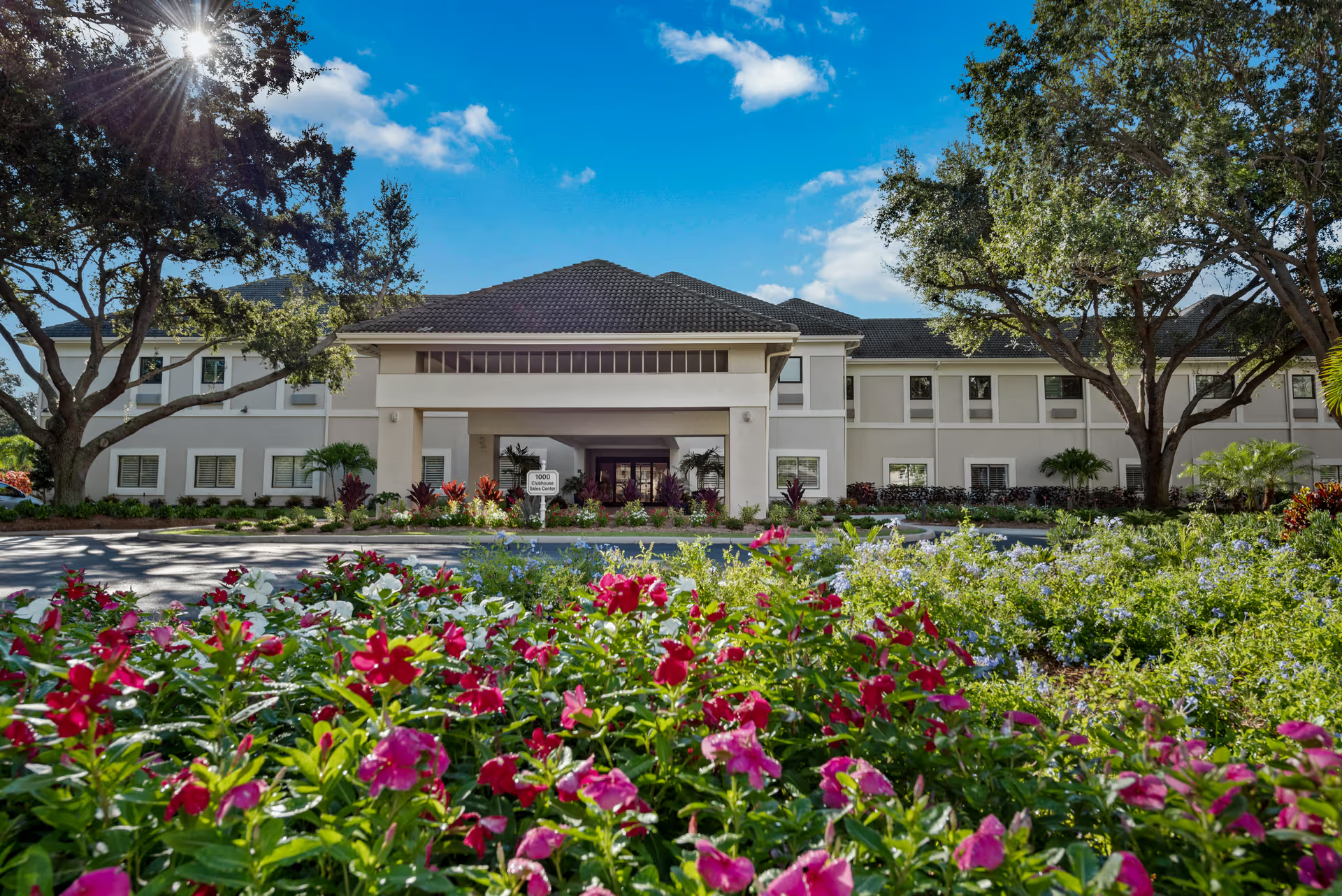
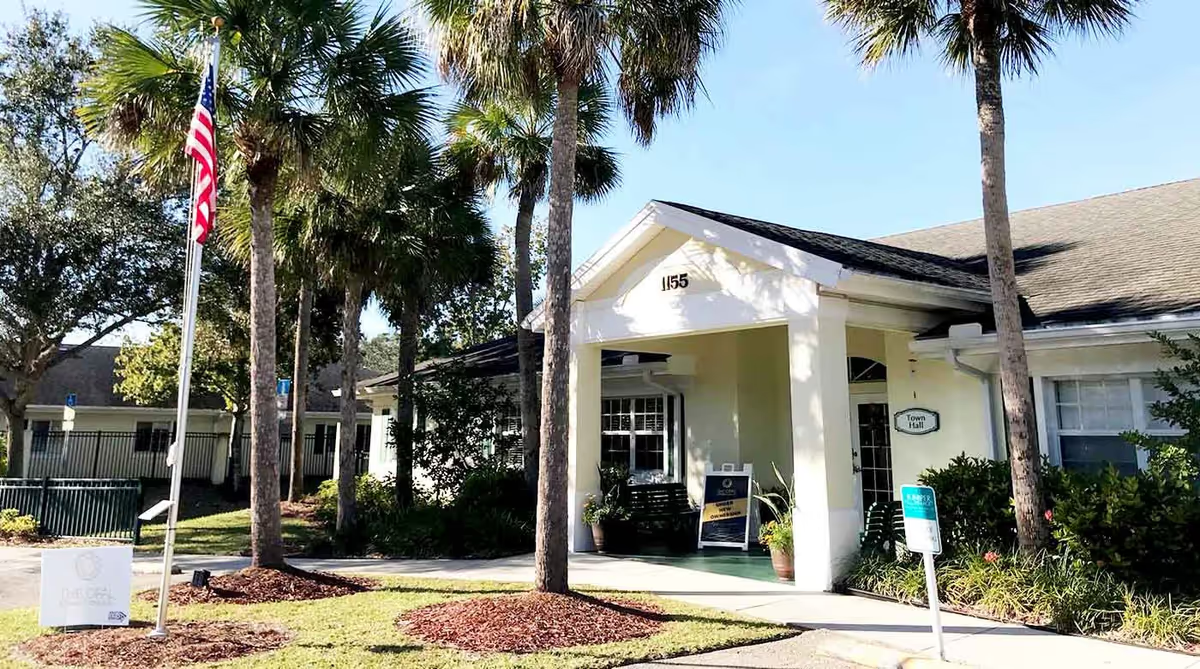
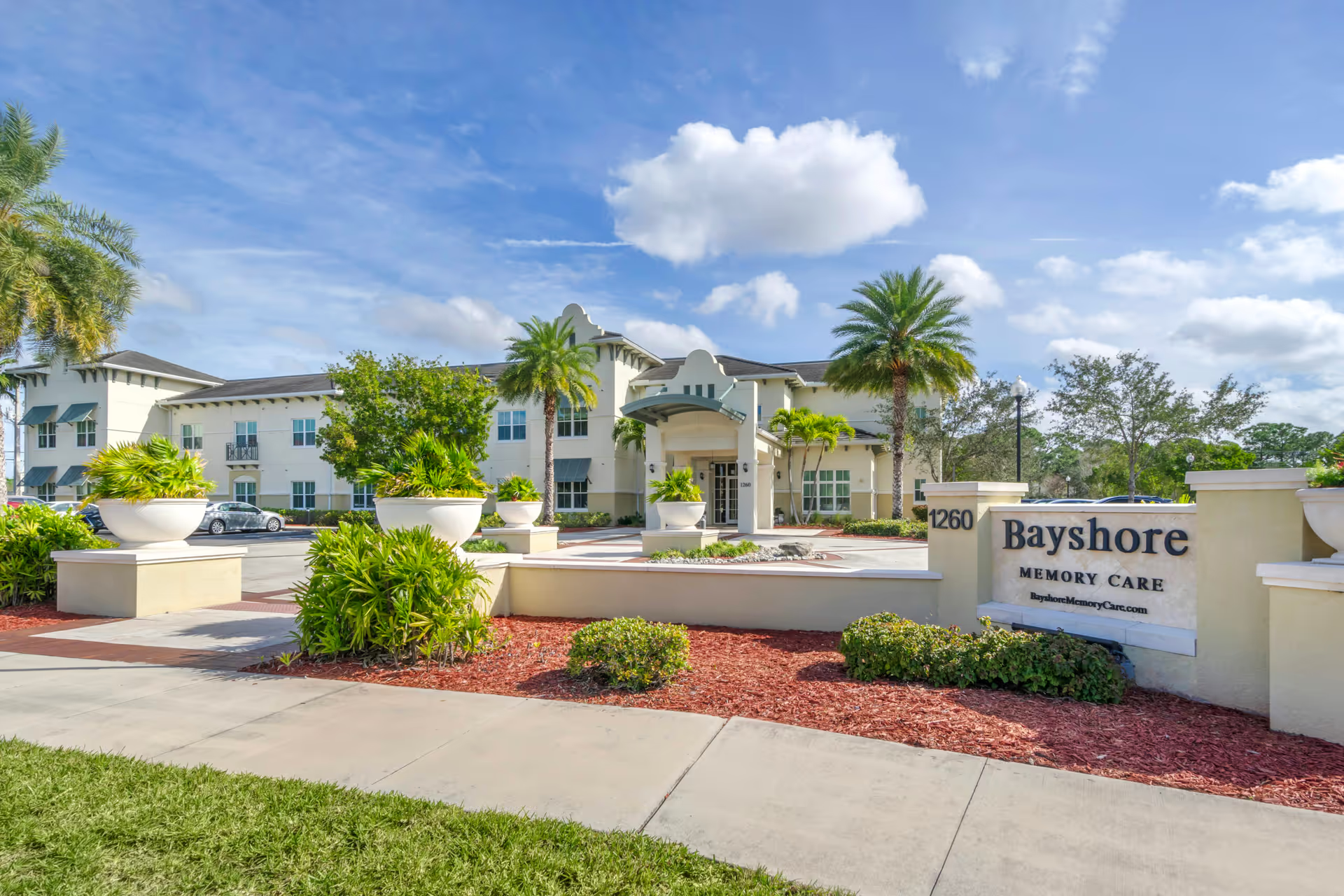
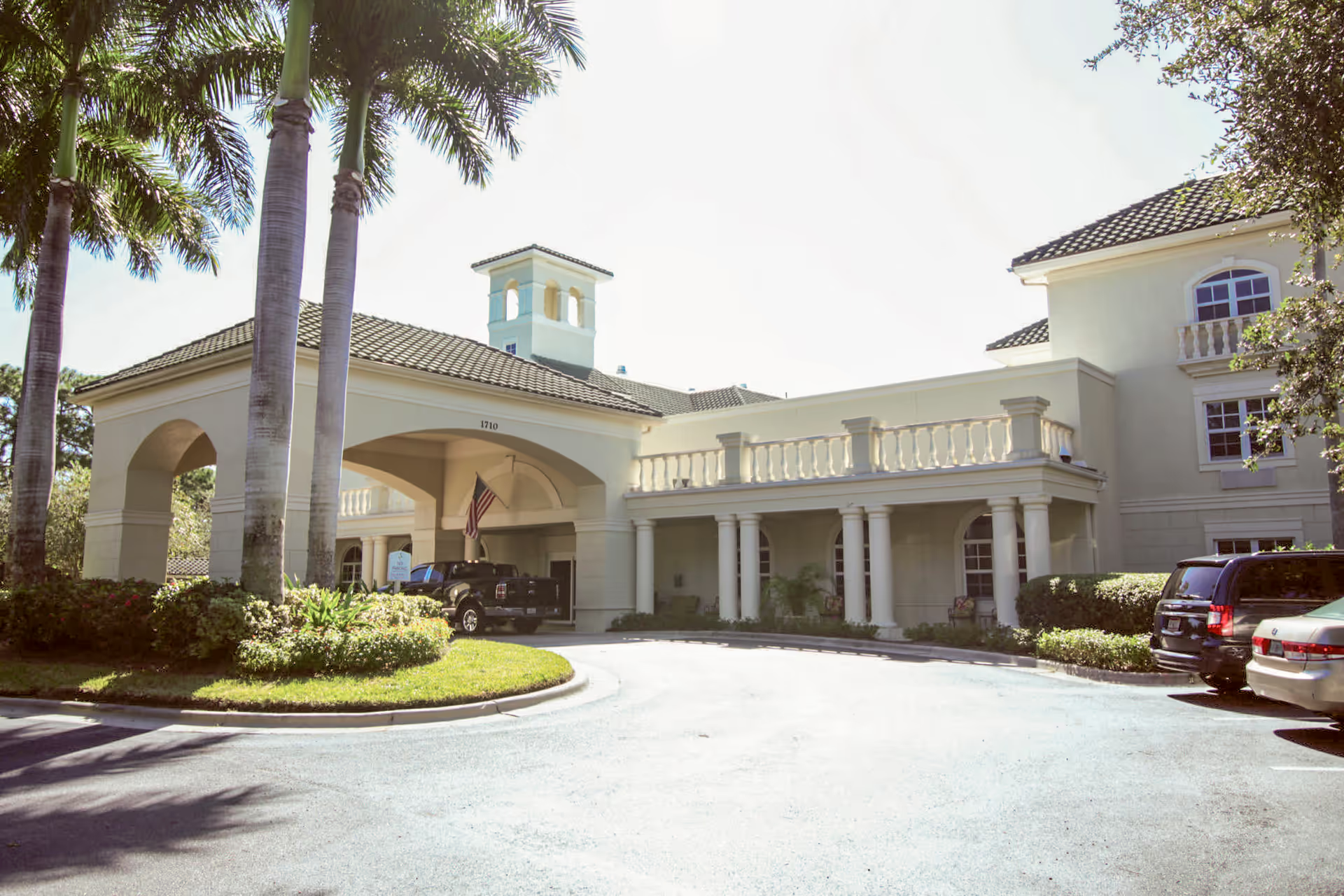
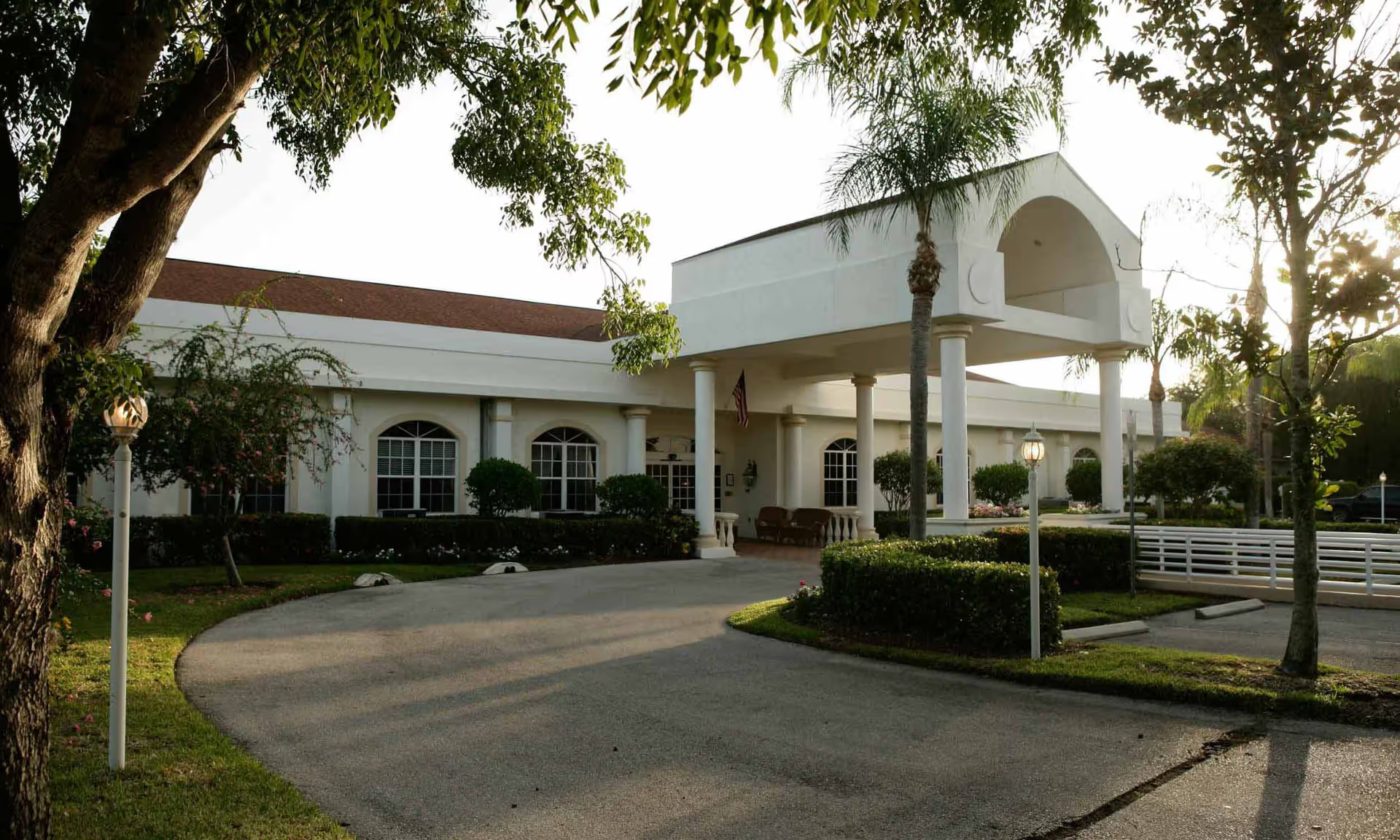
Brookdale Bonita Springs elicits a polarized but informative pattern of feedback. Many families and residents praise the community for its compassionate caregiving staff, visible executive leadership, active social calendar, and resort-style amenities. Renovated apartments, attractive public spaces, multiple dining venues, on-site therapy and medical services, and regular transportation and outings are frequently identified as strengths that contribute to a positive day-to-day experience for independent- and assisted-living residents.
Care quality presents a mixed picture. Numerous accounts describe attentive, kind caregivers and strong nursing oversight for routine needs; these reports emphasize staff who go above and beyond, effective transitions, and improved quality of life for lower-acuity residents. At the same time, recurring operational concerns appear around clinical reliability: inconsistent medication timing, delayed responses to call-buttons or alarms, and occasional delays in attending to injuries or incontinence care. These patterns suggest the community can meet the needs of residents who require minimal-to-moderate assistance, but that families should verify staffing ratios and clinical protocols when higher medical or cognitive needs are present.
Staff and management commentary is similarly mixed. Individual staff members—including front-desk, dining, activities, and some directors—are often singled out for praise, and several reviewers describe an engaged executive director and helpful admissions team. However, reviewers also raise concerns about staff turnover, inconsistent management communication, unmet promises during intake, billing disputes, and variability in responsiveness. These themes point to organizational areas that affect family trust and the consistency of service delivery.
Dining and activities are notable strengths for many residents. The community offers varied menus, white-tablecloth and buffet-style dining rooms, a bistro/coffee café, frequent special events, and a broad activities calendar (exercise classes, water aerobics, clubs, outings). Positive comments about socialization and community engagement are common. Conversely, some reviewers describe uneven food quality, repetitive menu cycles, and extra charges or restrictions for special dietary accommodations; prospective residents should confirm dietary policies and meal sampling options.
Facility condition and accessibility are a blend of recent improvements and persisting limitations. Many apartments and common areas have been renovated and are described as clean and attractive. At the same time, ongoing construction causes disruption for some, and older building features—wall-unit air conditioning, radiator heating, and smaller room footprints—remain in places. Accessibility concerns are specifically noted for mobility-impaired residents: limited pool access (no lift in some areas), large facility layout that can be challenging for wheelchair navigation, and steps into some amenity spaces. Maintenance responsiveness is praised in many reviews but other remarks point to backlog items such as exterior eaves, water intrusion, and periodic sanitation issues.
Notable patterns and practical guidance: experiences range from highly positive to sharply critical, with the clearest risk areas being inconsistent clinical reliability, staffing shortages (especially overnight), communication and billing transparency, and accessibility for higher-acuity or mobility-impaired residents. For families considering Brookdale Bonita Springs, recommended topics to verify during a tour or intake conversation include: current staff-to-resident ratios (day and night), call-button response policies and recent response-time data, medication-administration procedures, supervision practices for residents with dementia, fee schedules for medical and dietary services, laundry and personal-item handling protocols, and the timeline/impact of ongoing renovations. These checks will help match the community’s evident social and amenity strengths to an individual resident’s clinical and safety needs.