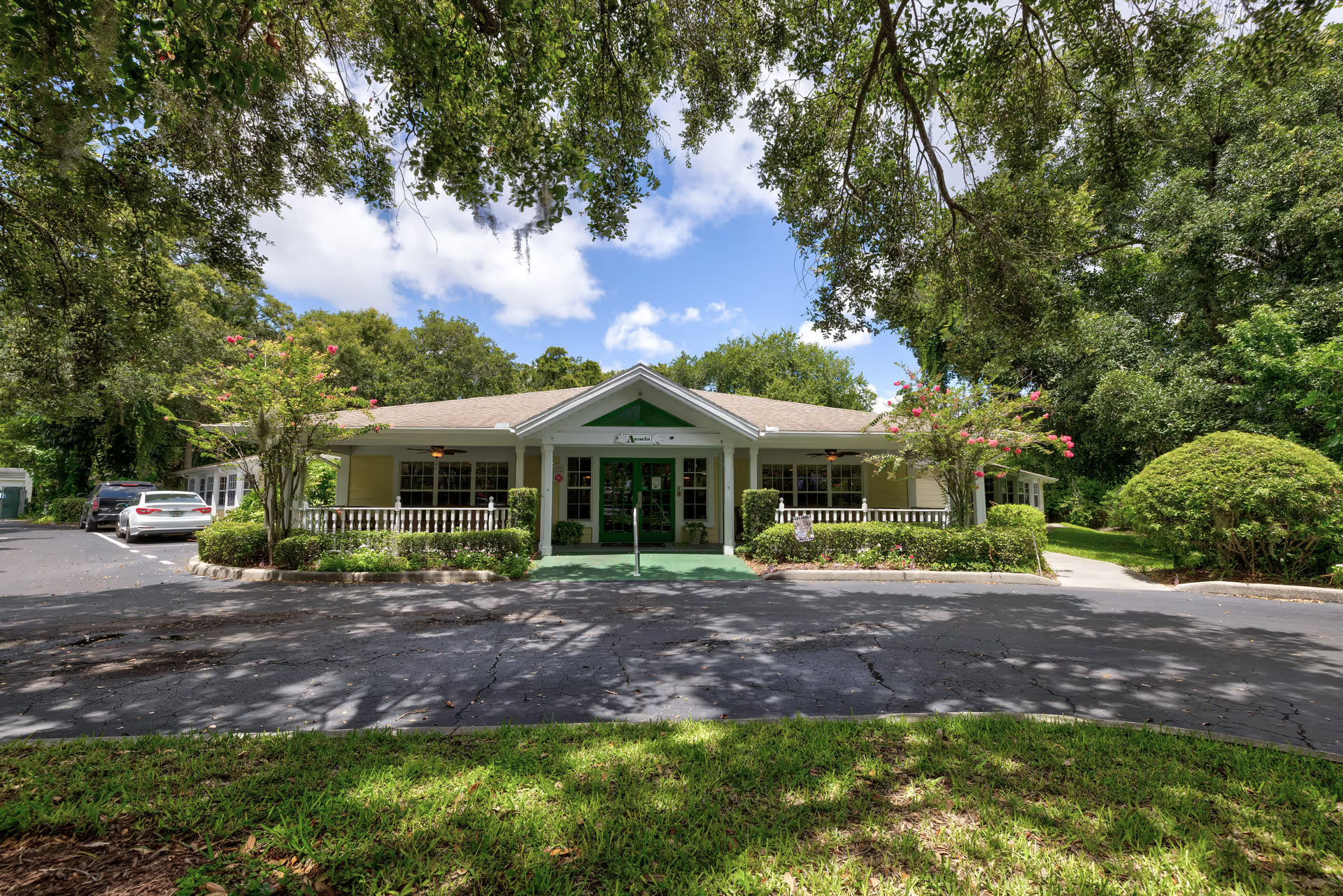
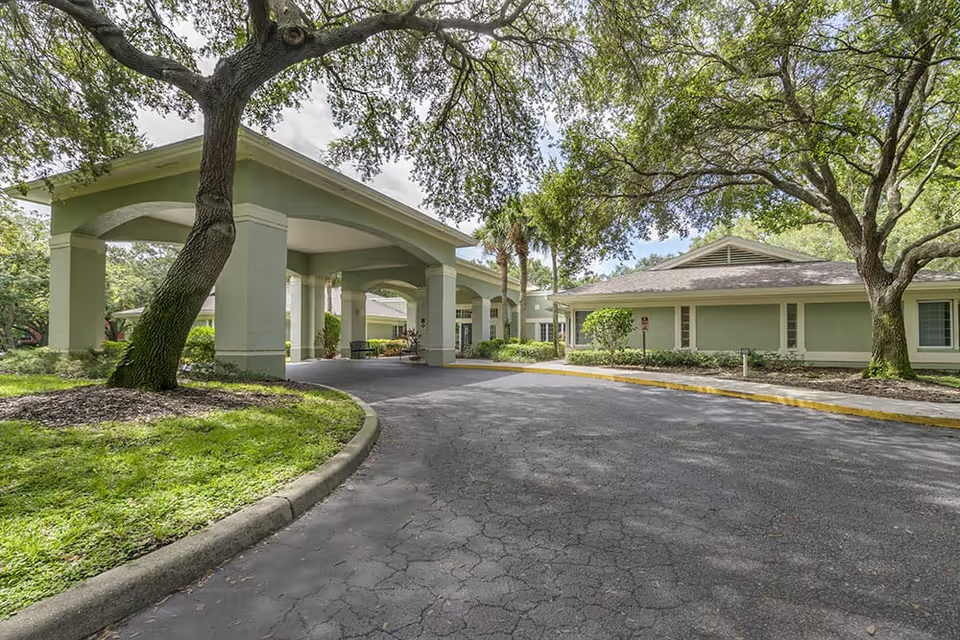
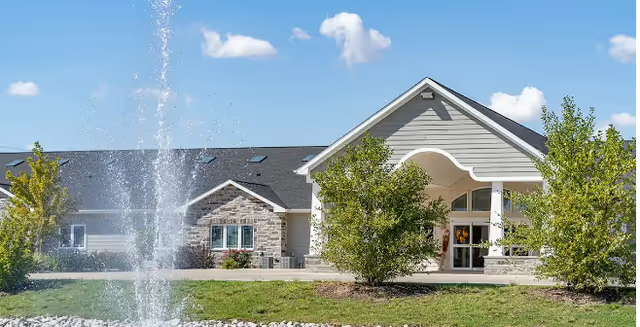
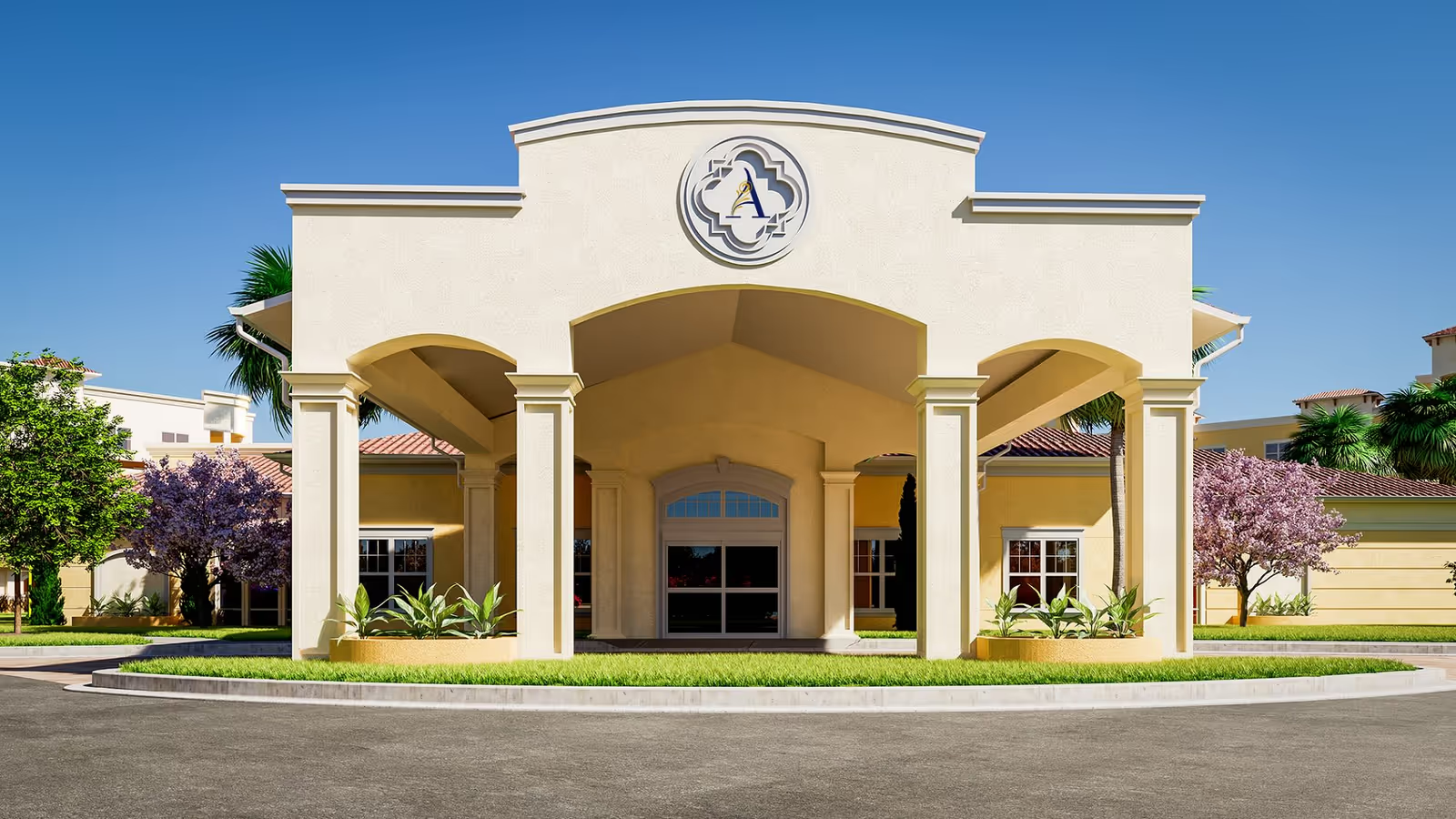
Overview The Windsor of Bradenton receives frequent praise for its warm, home‑like environment, attractive interior design, and active programming. Many families and residents describe clean, bright apartments with accessible bathrooms and handrails, an appealing interior courtyard and outdoor areas, and a range of on‑site amenities such as a salon, library, and activity room. The facility is consistently highlighted for offering restaurant-style dining, a robust activities calendar (bingo, crafts, outings, live music, exercise classes), and a social atmosphere that some reviewers liken to a close-knit community or “sleep-away camp” for grandparents.
Care and staff Direct-care staff are commonly described as compassionate, attentive, and willing to go beyond basic duties; reviewers frequently cite prompt responses to requests, individual attention to residents, and staff familiarity with residents’ names and preferences. Several comments reference effective move-in support and positive bedside manner from nursing staff. That said, a pattern of staffing inconsistency emerges: families noted higher turnover among leadership and clinical staff, and recurring concerns about reduced staffing coverage or responsiveness during nights and weekends. There are also flagged issues around clinical oversight and medication management — including a serious clinical incident that led families to question physician privileging and post-incident communication — which suggest the need for clearer clinical governance and after‑hours escalation protocols.
Dining and activities Dining is a strong selling point for many residents: reviewers describe high‑quality meals, personalized plates, and a chef who listens to dietary preferences. Multiple accounts also indicate variability in meal quality and service, with particular weaknesses on weekends (limited options, tougher or drier preparations) and reports of some residents avoiding the dining room during those times. The activities program is broad and well regarded, with frequent social opportunities, outings, live entertainment, religious groups, and creative classes that support social engagement and routine.
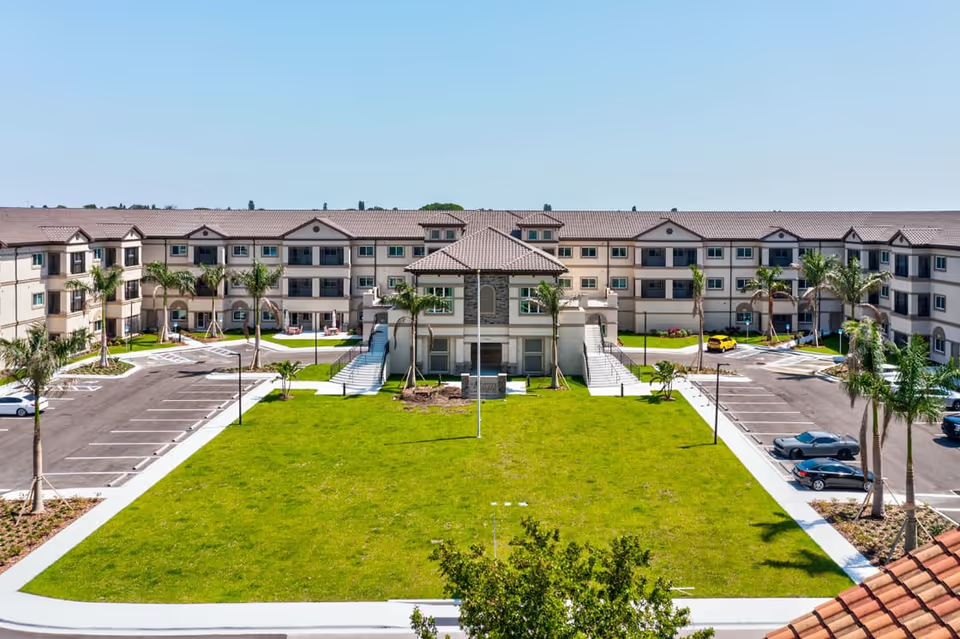
Facilities and amenities Physical spaces are frequently described as modernized, well maintained, and bright, with large windows, one‑story layouts in some areas, and private rooms with kitchenettes in certain units. The courtyard and garden areas are liked for outdoor events, and pet‑friendly policies are appreciated. A minority of reviews, however, point to episodic sanitation and pest‑control concerns in resident units and isolated housekeeping lapses, indicating inconsistent execution of room‑level maintenance protocols.
Management and operational patterns Two operational themes are evident. First, leadership turnover and regional management changes have influenced family perceptions of responsiveness and personalization; some families contrast past management favorably with more recent leadership transitions. Second, operational gaps — including inconsistent staffing at night/weekends, communication and records‑access challenges, occasional billing or admissions frustration, and concerns about valuables security — recur across reviews. There are also specific, serious allegations tied to financial misconduct and to a clinical consent/medication event; these are significant for families to explore directly with facility management and in regulatory records.
Notable patterns and guidance for families Overall, the facility offers many strengths in environment, social programming, and visible day‑to‑day caregiving. Prospective residents and families should balance those strengths against operational areas that multiple reviewers flagged: leadership stability, after‑hours staffing and responsiveness, clinical oversight and medication procedures, and safeguards for residents’ belongings and records access. When evaluating the community in person, families may wish to ask about current staffing ratios by shift, weekend dining menus and staffing, physician privileging and on‑call clinical coverage, incident reporting and family communication practices, pest‑control and housekeeping protocols, and recent leadership changes. Doing so will help align expectations with the facility’s strong social and environmental offerings while clarifying how operational concerns are being managed.