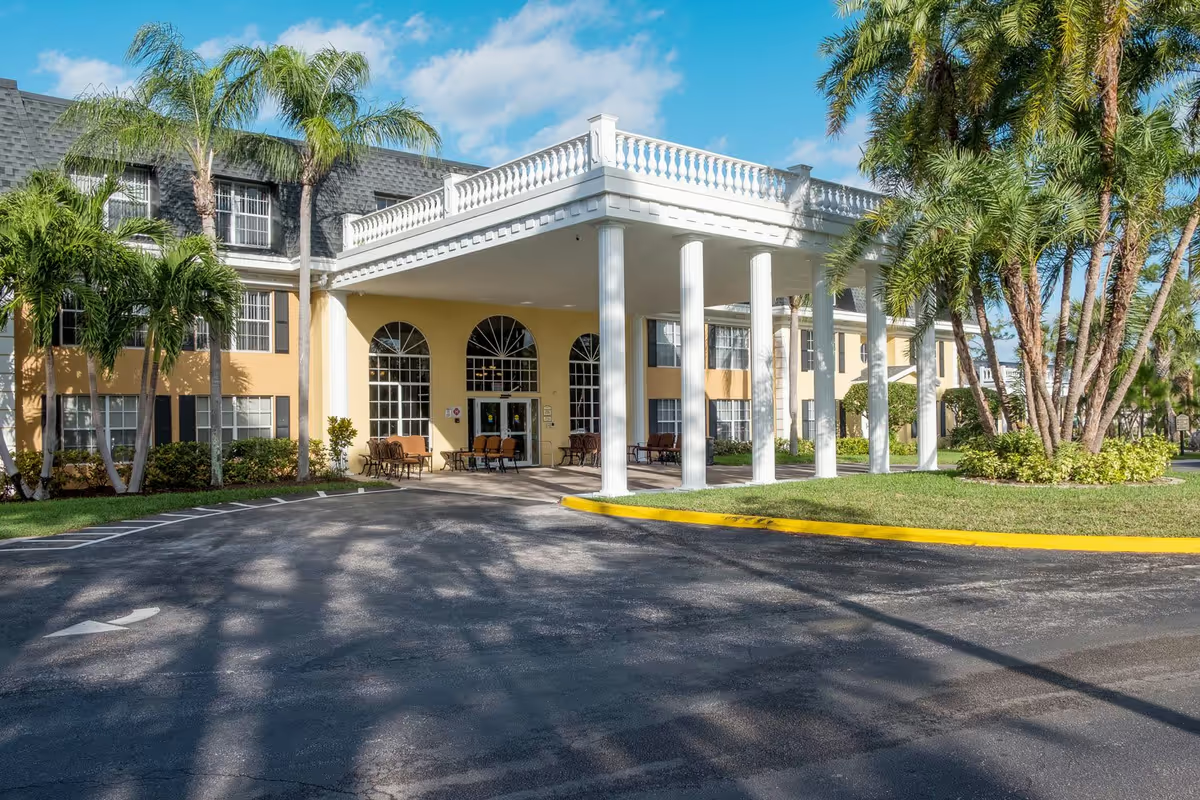
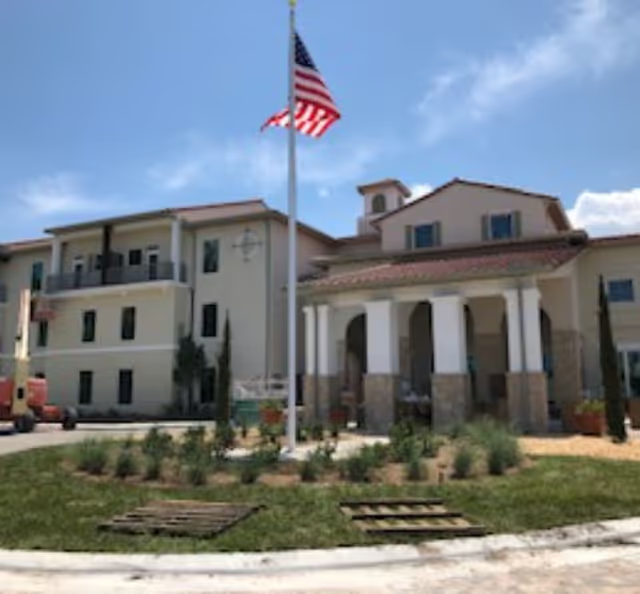
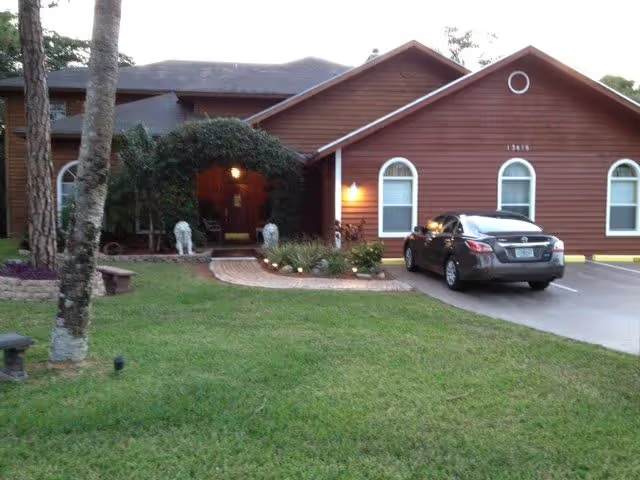
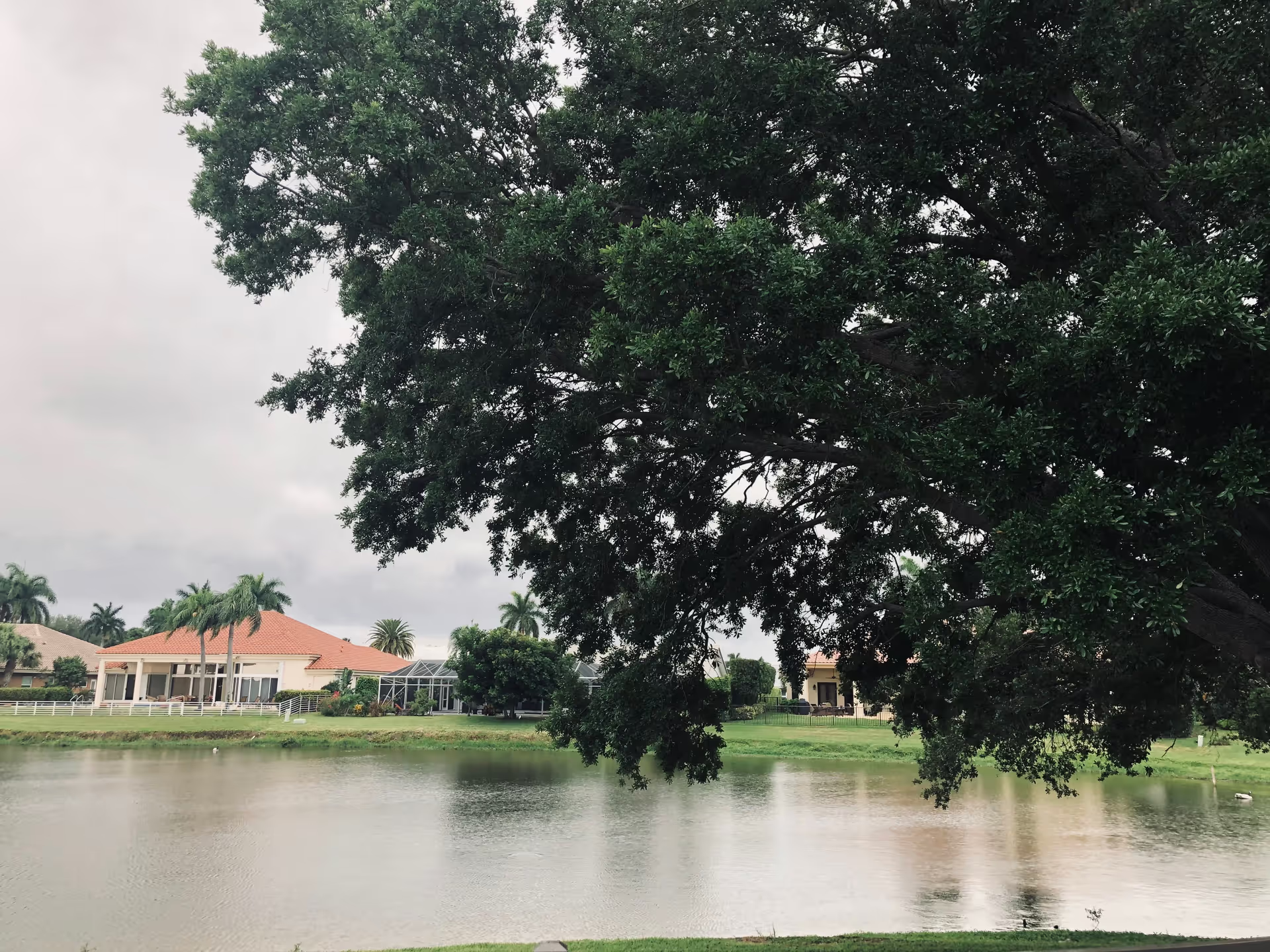
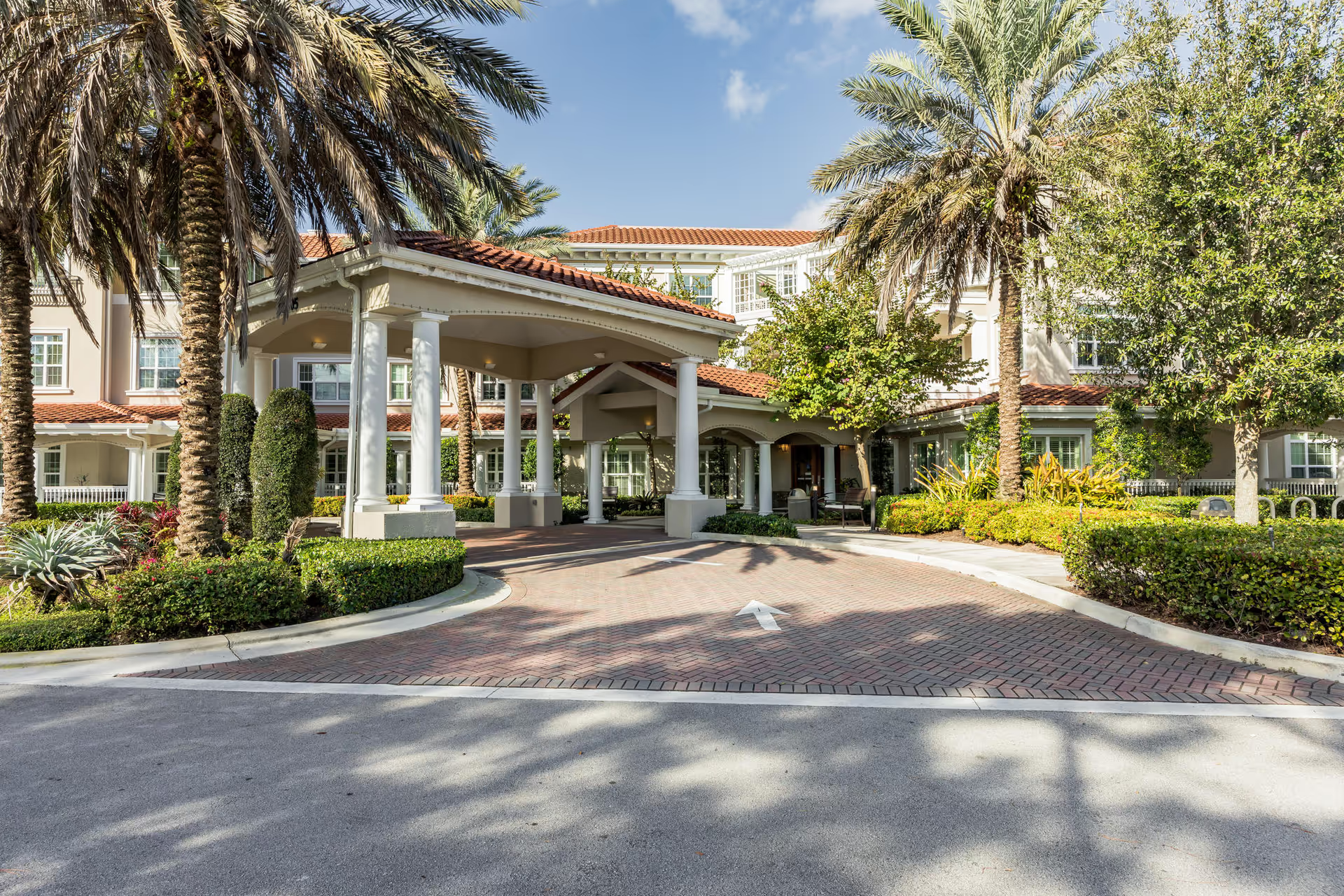
Sonata Delray Beach is repeatedly described as a small, well-kept community with a homey atmosphere and a strong emphasis on personalized, relationship-based care. The facility has undergone visible renovations and is frequently characterized as clean, bright, and freshly updated; reviewers consistently praise the landscaping, common areas, and courtyard spaces. Apartments and communal spaces are often described as comfortable and tastefully decorated, and on-site physical therapy, a fitness/gym area, and a range of amenities (transportation, hairdresser, computer area) are available.
Staff quality is the most prominent positive theme. Many accounts highlight compassionate, attentive caregivers and nurses, accessible executive leadership, and staff who treat residents like family. Memory care receives particular commendation: reviewers note a dedicated memory-care manager, structured memory programs, and engaging, person-centered activities. At times the community is described as offering excellent pandemic-era communication (FaceTime updates) and strong hospice coordination, which reassured families during transitions and end-of-life care.
Dining and programming are other strengths. The community offers flexible dining formats (smaller and communal settings), meals that are often described as nutritious with chefs who accommodate requests, and regular snacks. Activities are frequent and organized—arts and crafts, games, singalongs, entertainers, outings, animal visits, exercise classes, and puzzle groups are noted. That said, the activity program reflects the facility’s smaller scale: reviewers observe fewer options than larger communities and a concentration of programming during daytime hours, with more limited evening offerings.
Several operational weaknesses recur across reviews and may affect placement decisions. Staffing appears uneven: while many families praise stable, devoted employees and strong leadership, other accounts describe staffing shortages, variable aide competency, and management transitions that created communication gaps. Relatedly, there are reports implying gaps in supervision and incident response—examples include delayed attention during needs at night and inconsistent monitoring—suggesting the need for family vigilance where higher-acuity supervision is required. Dining quality is generally positive but has also been described as inconsistent by some families, and meal-service continuity and accuracy have been questioned in isolated accounts.
Administrative and financial issues are another theme. Multiple comments reference rigid contract terms, community fees, prorated-refund disputes, and the facility’s private-pay orientation with limited VA/Medicaid options, resulting in relatively high out-of-pocket cost. Some reviewers noted billing or refund disagreements and wished for clearer, more flexible financial communication. Finally, there are occasional notes about variable exterior maintenance (uneven patio pavers) and isolated sanitation or incontinence-care concerns; these items, while not widespread in the overall record, warrant direct inquiry during a tour.
Overall, Sonata Delray Beach appears to suit prospective residents and families who prioritize a small, renovated community with a strong memory-care program, engaged activities, and caregiving staff who form close relationships with residents. Prospective families should balance those strengths against operational variability (staffing and supervision), contract/fee structure, and the facility’s scale-limited programming when evaluating fit and required level of clinical oversight.