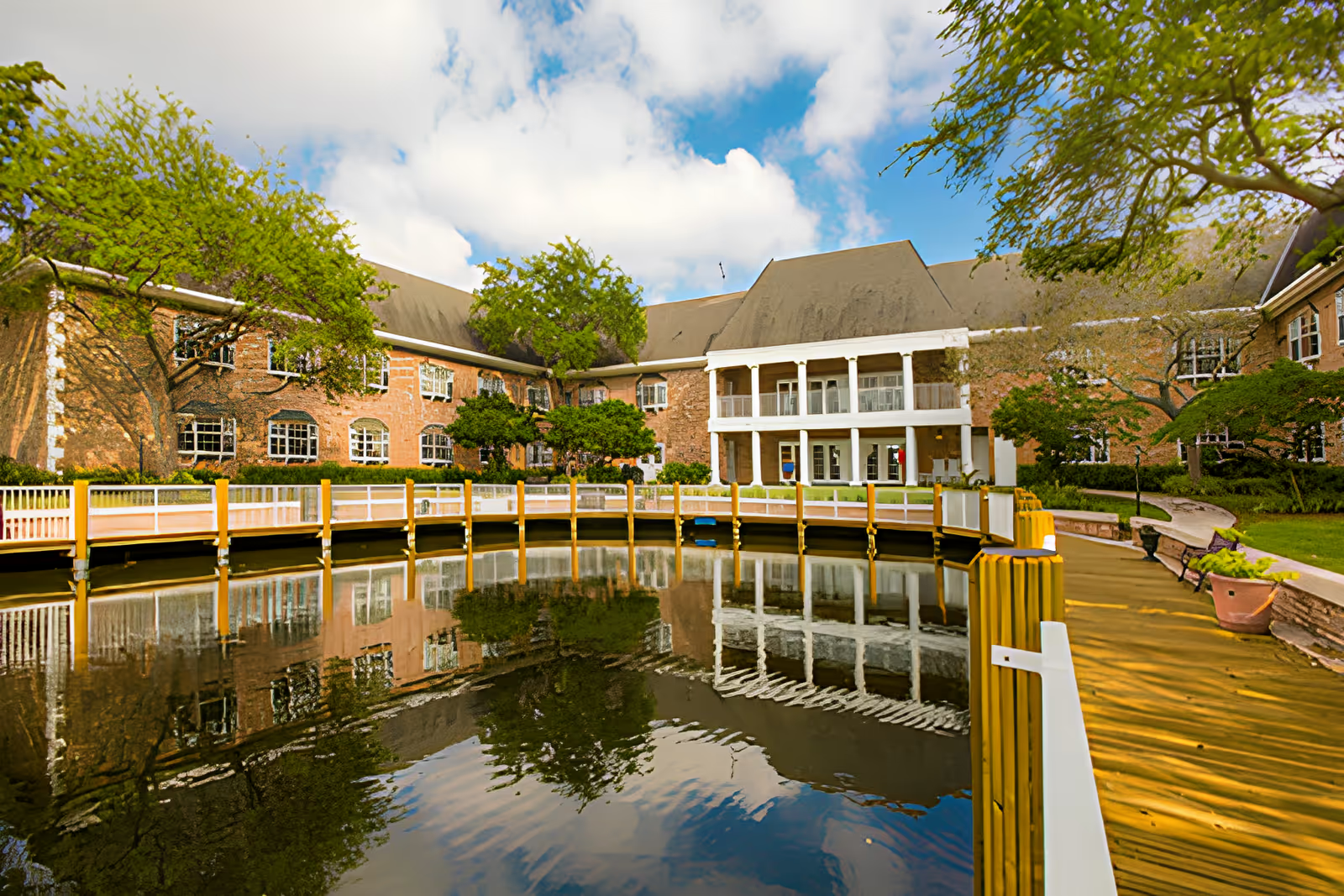
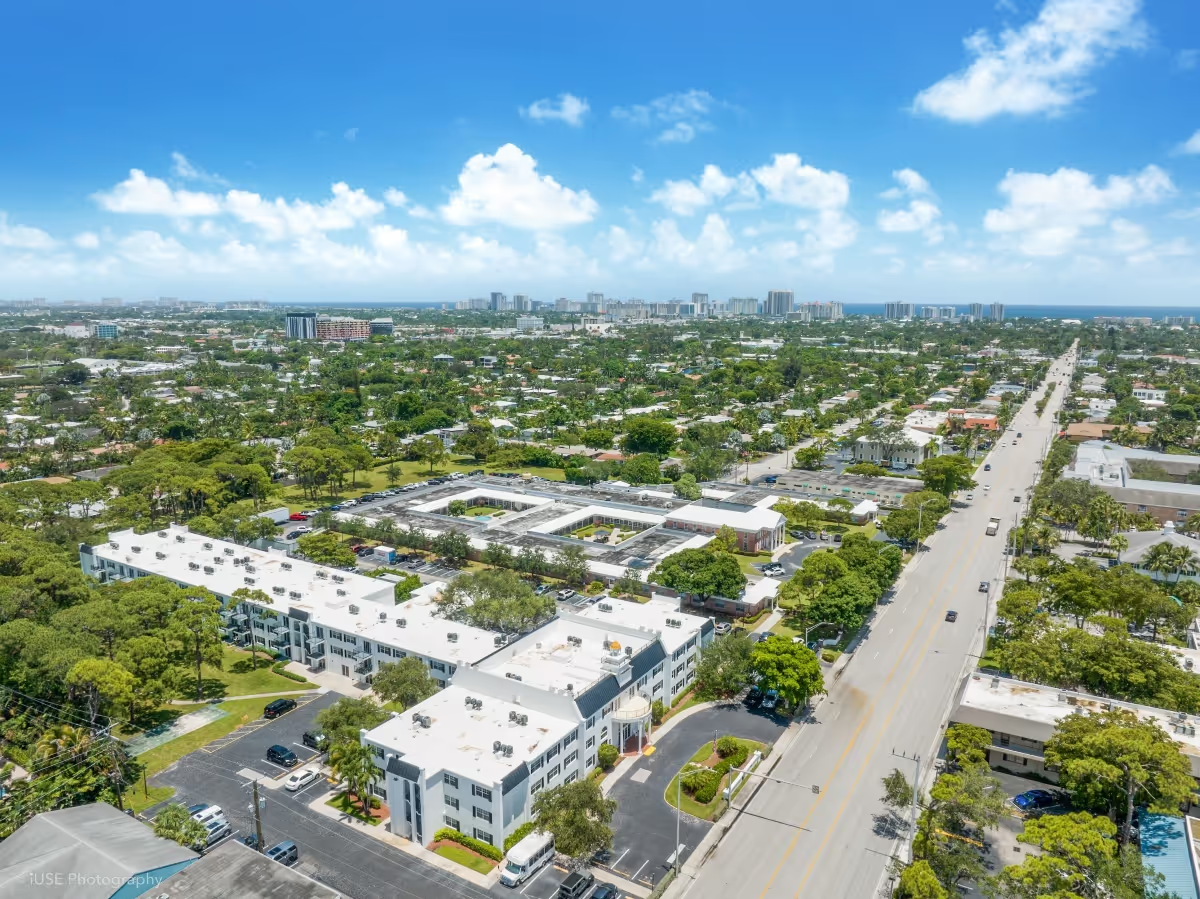
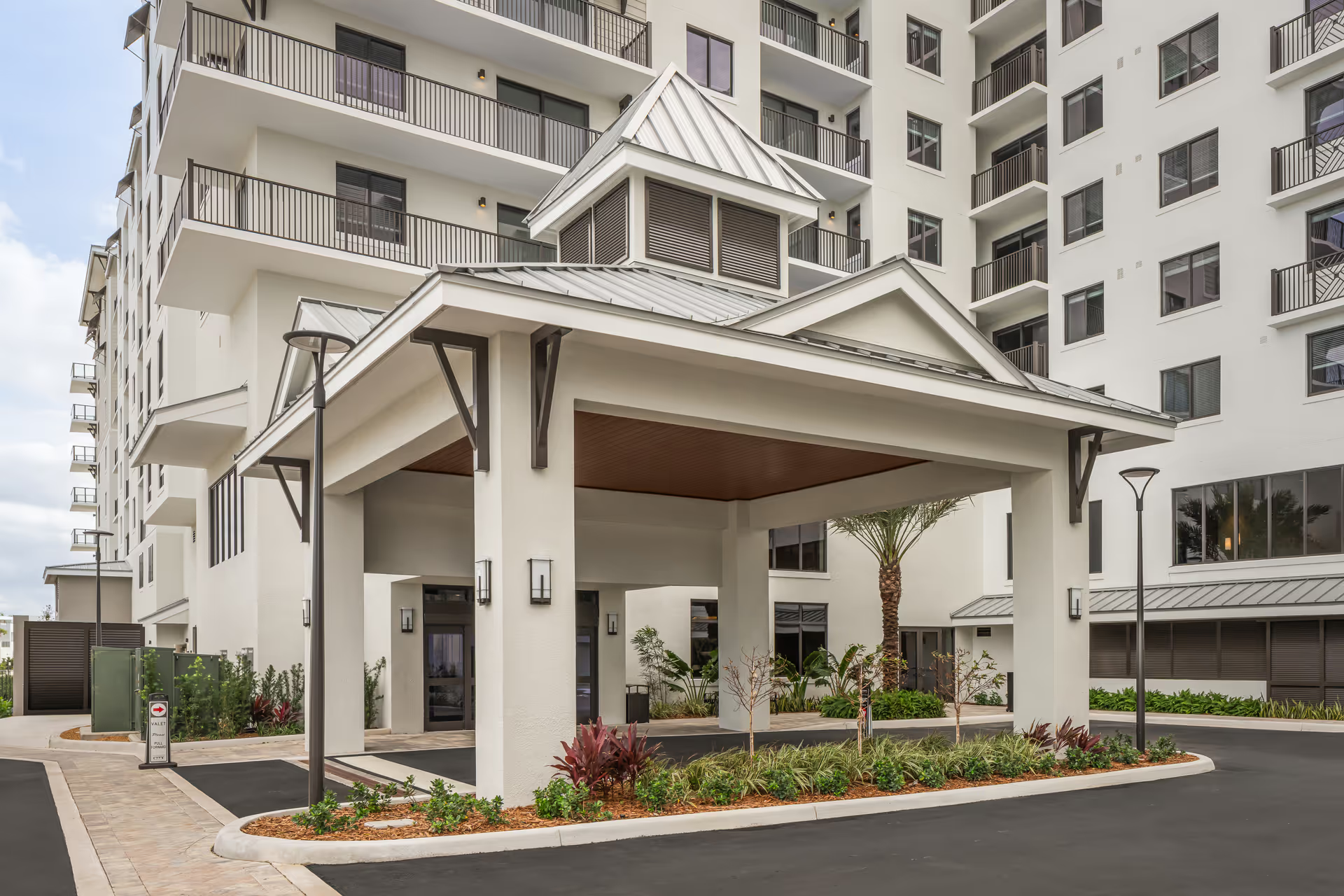
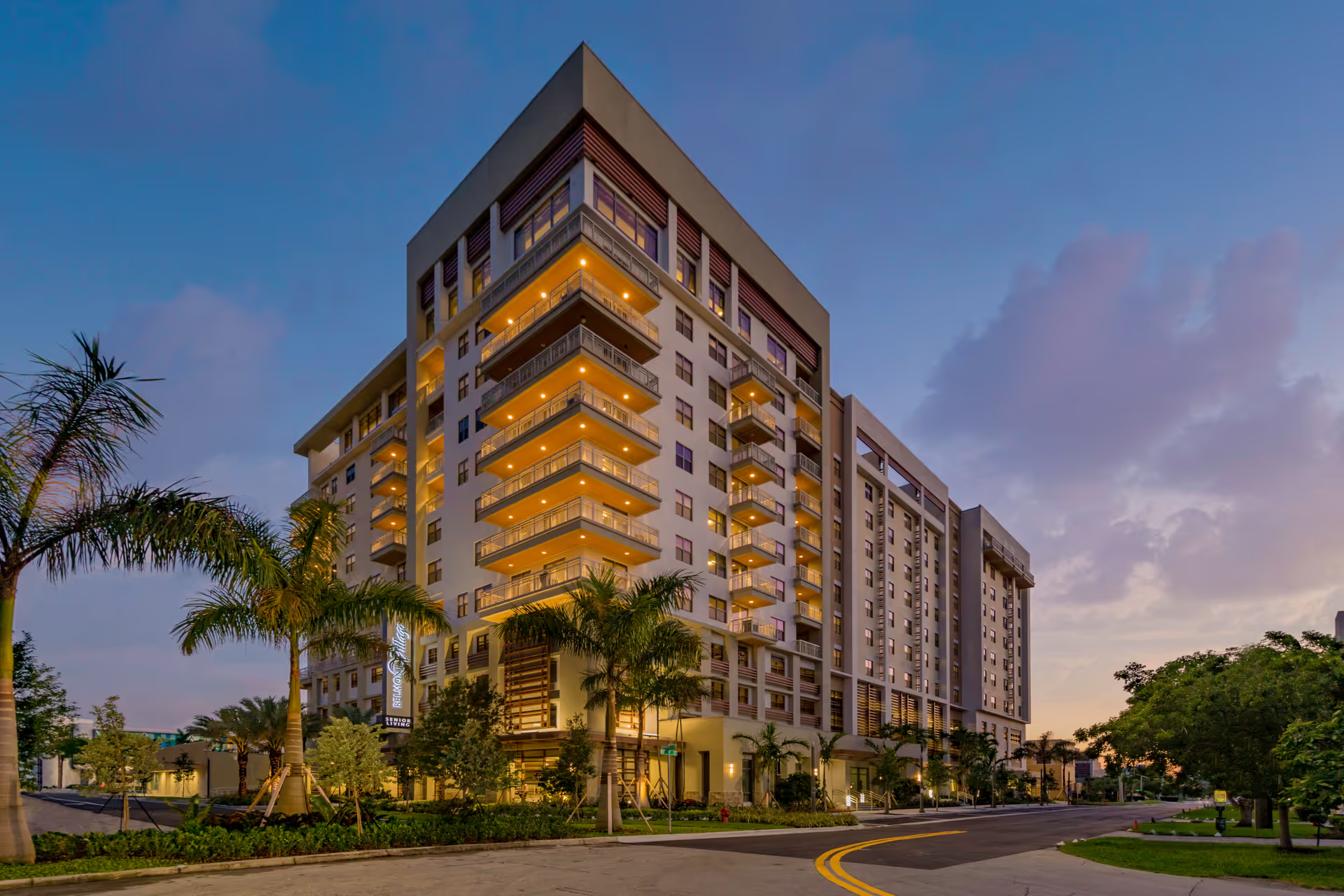
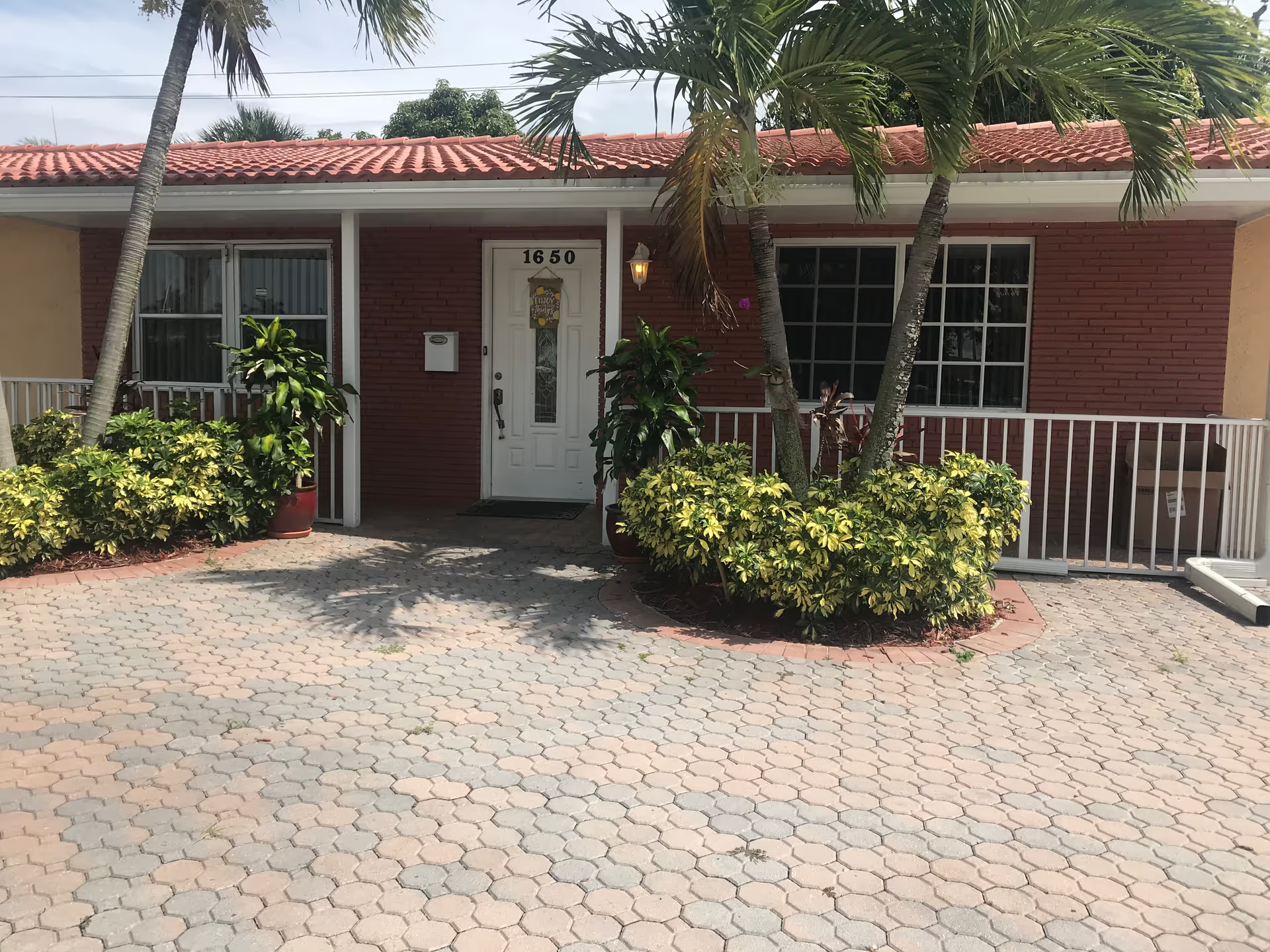
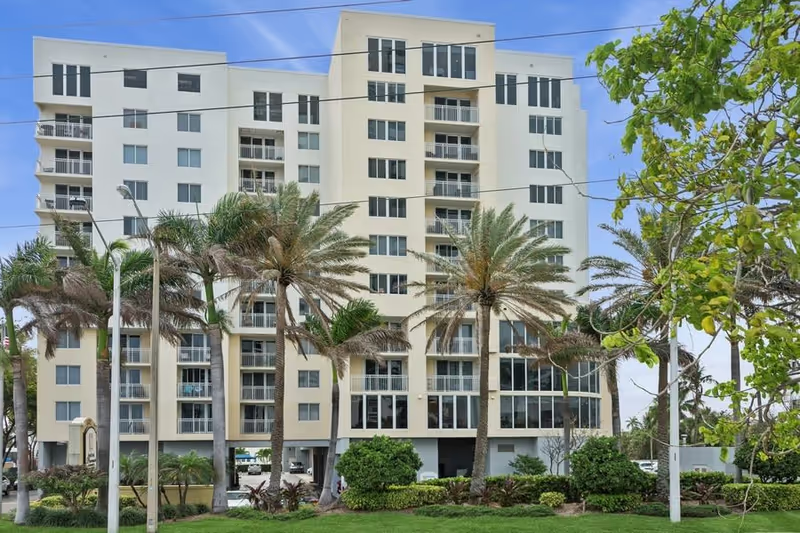
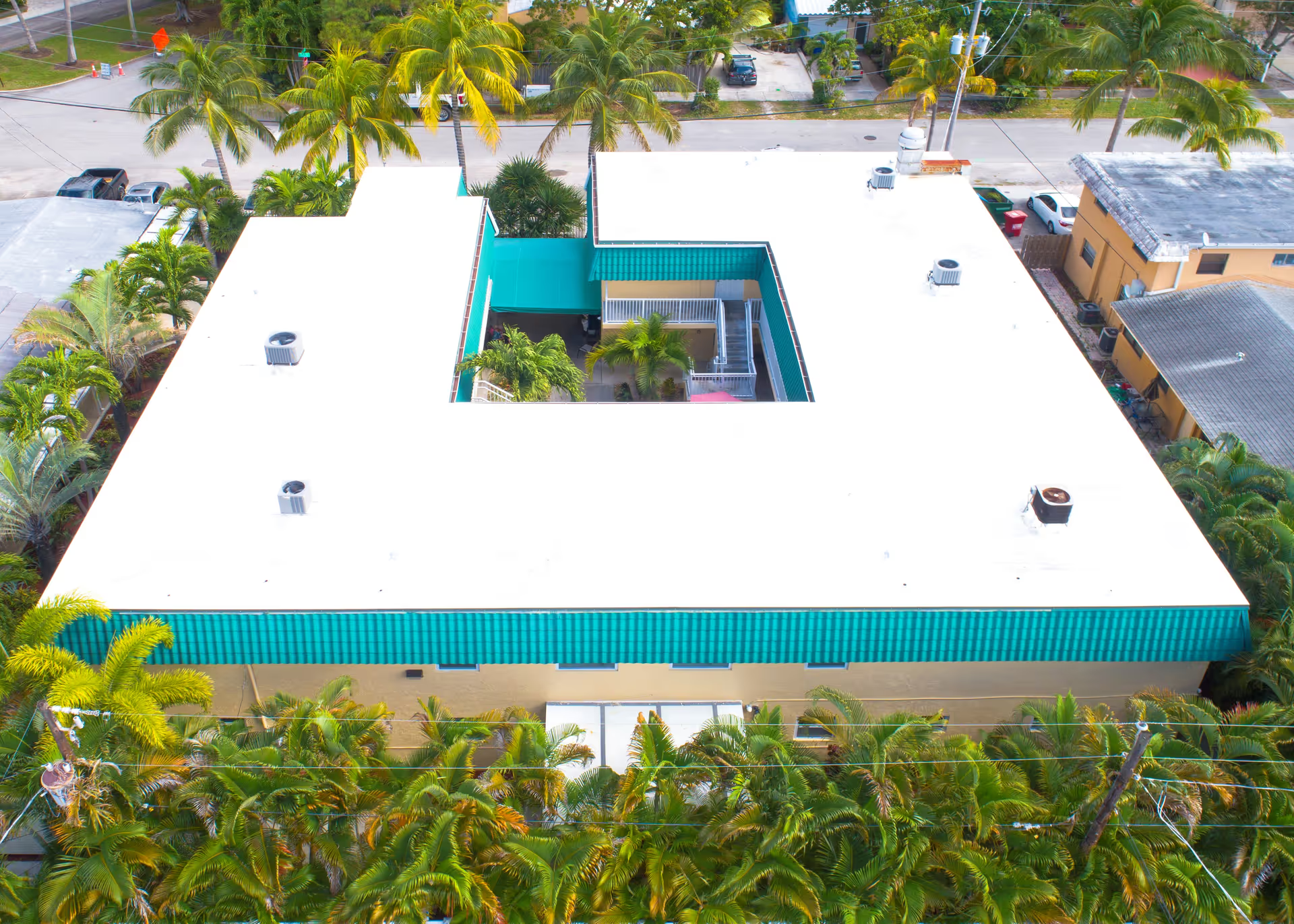
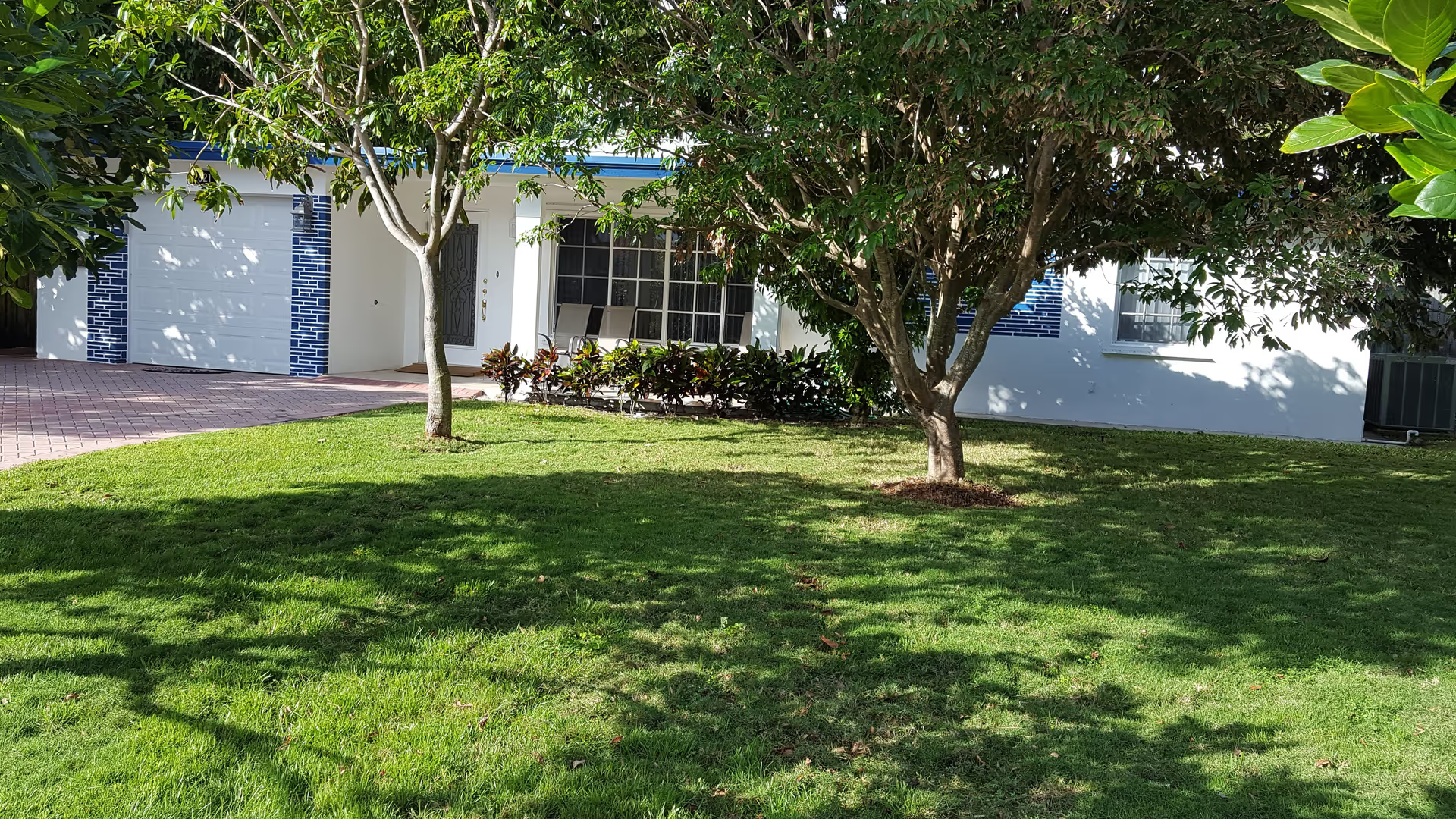
The Meridian at Waterways is presented across reviews as an upscale, boutique waterfront community with extensive amenities and a strong emphasis on dining, social engagement, and a hotel-like living environment. Commonly praised attributes include a chef-driven dining program offering made-to-order meals and resident-driven menu feedback, a top-floor restaurant with water views, private dining and event spaces, an on-site movie theater, salon and piano-bar areas, and active off-site excursions. The property’s aesthetic—modern decor, well-appointed common areas, and a generally clean presentation—contributes to a resort-style appeal that many residents and families find attractive.
Staff and direct care are frequently cited as the facility’s principal strength. Reviewers consistently describe caregiving staff as compassionate, attentive, and proactive; families noted strong dementia-care rapport, individualized memory-support approaches, and periodic on-site physician visits. Several comments highlight effective move-in and transition support, including photo-based communication and hands-on relocation assistance that helped preserve resident routines. The community’s small size and short hallways support a family-like atmosphere that many residents appreciate.
However, alongside these strengths there are repeated operational concerns that prospective residents and families should evaluate. Staffing instability and turnover emerge as a recurring theme, producing variability in day-to-day service continuity and responsiveness (for example, delayed call-light responses or reliance on specific staff members). Clinical operations show a mixed picture: while many families praise nursing leadership and dementia expertise, others describe inconsistent medication-administration practices and coordination lapses with outside clinicians. There is at least one serious-described medication coordination failure in the review set; accordingly, medication-management controls and clinical-communication workflows warrant close scrutiny during tours and discussions with leadership.
Dining is a standout amenity for many, but reviewers also noted intermittent service and supply issues—long meal waits, occasional shortages of staples, and an a la carte charge structure that increases out-of-pocket cost. Programming and activities receive generally positive marks for variety (casino nights, live entertainment, exercise classes, trips), yet some reviewers found the offerings mismatched to resident interests or under-resourced at times. Memory-care areas receive mixed feedback: while care quality is often commended, some reviewers reported less consistent maintenance and finishes in memory-unit corridors and rooms, suggesting variability between assisted-living and memory-care spaces.
Facility layout and pricing are additional practical considerations. Apartments are described as compact with limited window visibility in certain units and floorplan constraints that can restrict walking space; elevator dependence and narrower hallways were noted as functional limitations for mobility. Reviewers also flagged perceived high pricing and cumulative a la carte fees, creating a sense that cost transparency should be clarified before committing. Finally, recent leadership changes and intermittent communication gaps with management and the health director were mentioned; several reviewers observed improvements under new leadership, while others advised continued monitoring of administrative consistency.
Overall, The Meridian at Waterways offers a high-amenity, dining- and engagement-oriented environment with many strong caregiver relationships and a boutique setting. Prospective residents and families should verify clinical protocols (medication administration, nursing oversight), ask for specifics about staffing ratios and turnover, inspect memory-care maintenance standards, and get detailed, written pricing and meal-service information to ensure the community’s operational realities match the advertised experience.