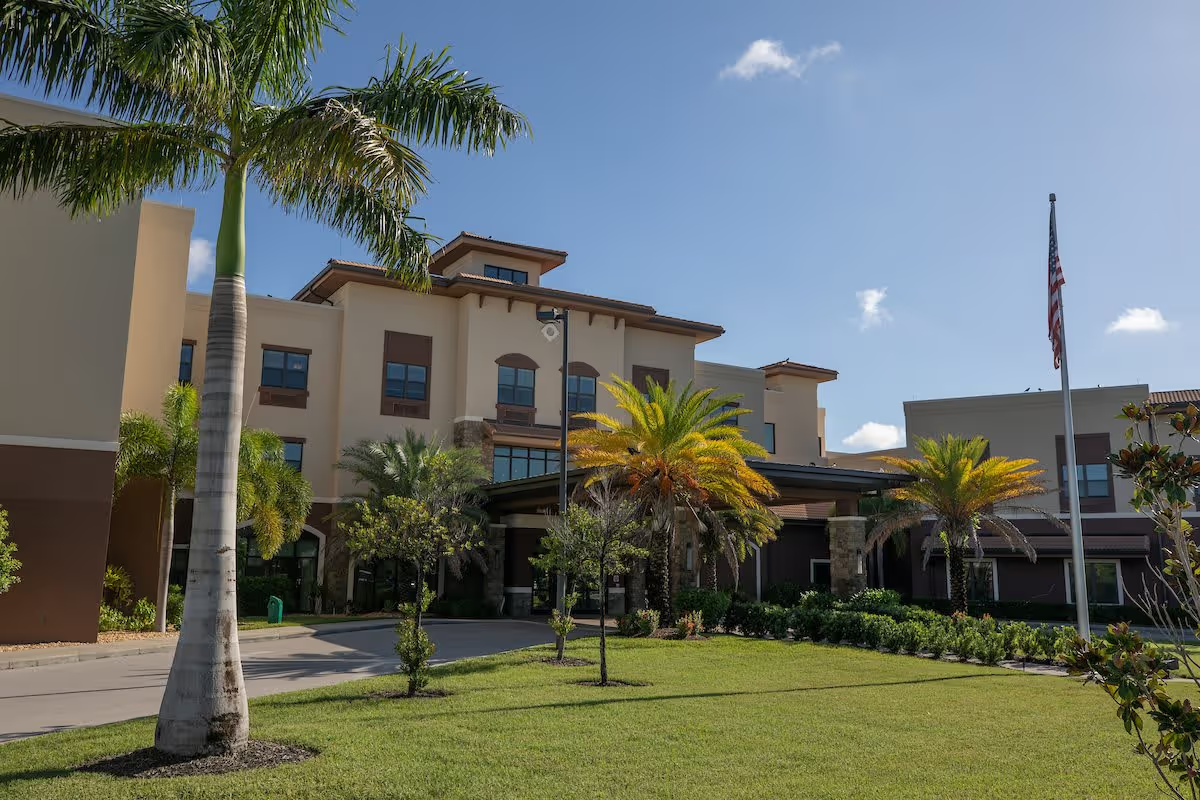
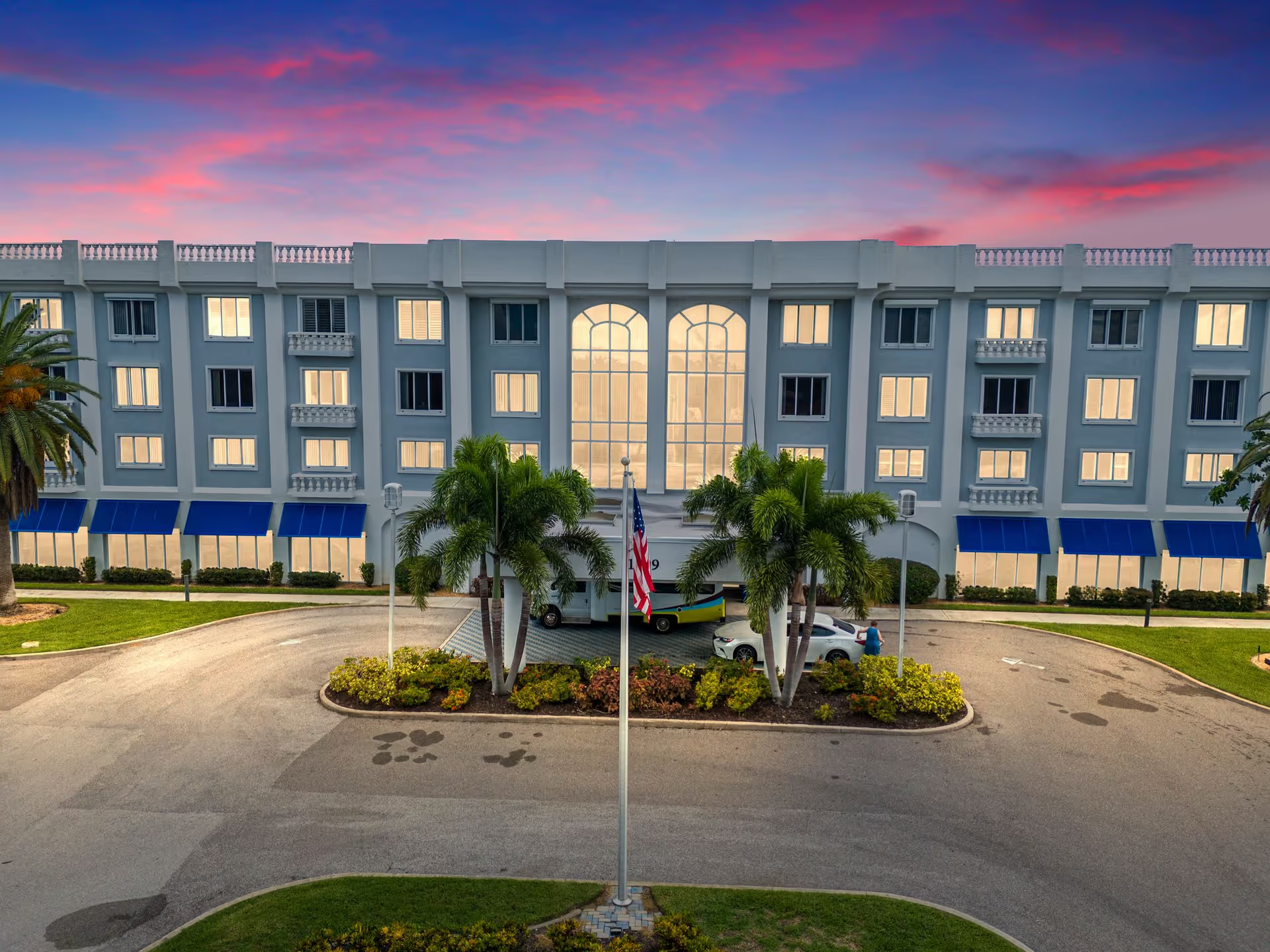
Overall impression: Barrington Terrace of Fort Myers appears to be a well‑kept, purpose‑built assisted living community with frequent praise for its caregiving culture, cleanliness, and activity/dining programs. Many families describe a warm, family‑style atmosphere with staff who take personal interest in residents, and the physical plant is regularly described as bright, renovated, and hotel‑like. The community offers multiple levels of care including a memory‑care unit, on‑site therapy, fitness resources, and a range of services bundled into the monthly fee, and its proximity to the local health park and shopping is often cited as convenient.
Care and staff: The dominant theme across feedback is positive: caregivers, CNAs, nurses, and leadership are commonly described as compassionate, attentive, and accessible. Several comments highlight long‑tenured staff and visible leadership involvement on the floor, which families link to continuity of care. Staff responsiveness is a strength in many accounts (timely checks, quick maintenance responses, and active engagement in activities). At the same time, there are recurring notes about variability in responsiveness and some periods of staffing turnover, particularly affecting dining and therapy teams. Prospective families should expect strong interpersonal care on average but to inquire about current staffing stability and nurse coverage during their tour.
Dining and activities: Dining is frequently praised for quality, portion size, and the ability to accommodate dietary restrictions; many reviewers describe a restaurant‑style dining room and flexible kitchen. The activity program is broad and well‑developed, including exercise classes, arts and crafts, outings, happy hours, live entertainment, and memory‑appropriate programming. That said, a subset of families mentioned that engagement levels can be variable—some residents thrive while others remain less active—so matching a prospective resident’s interests to the program calendar is advisable.
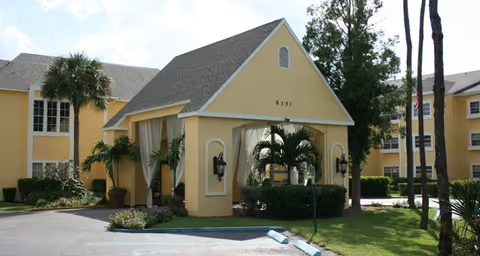
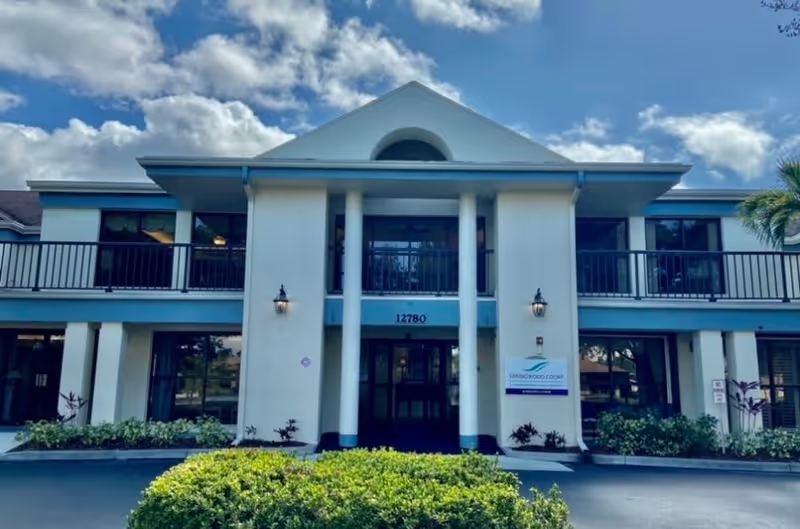
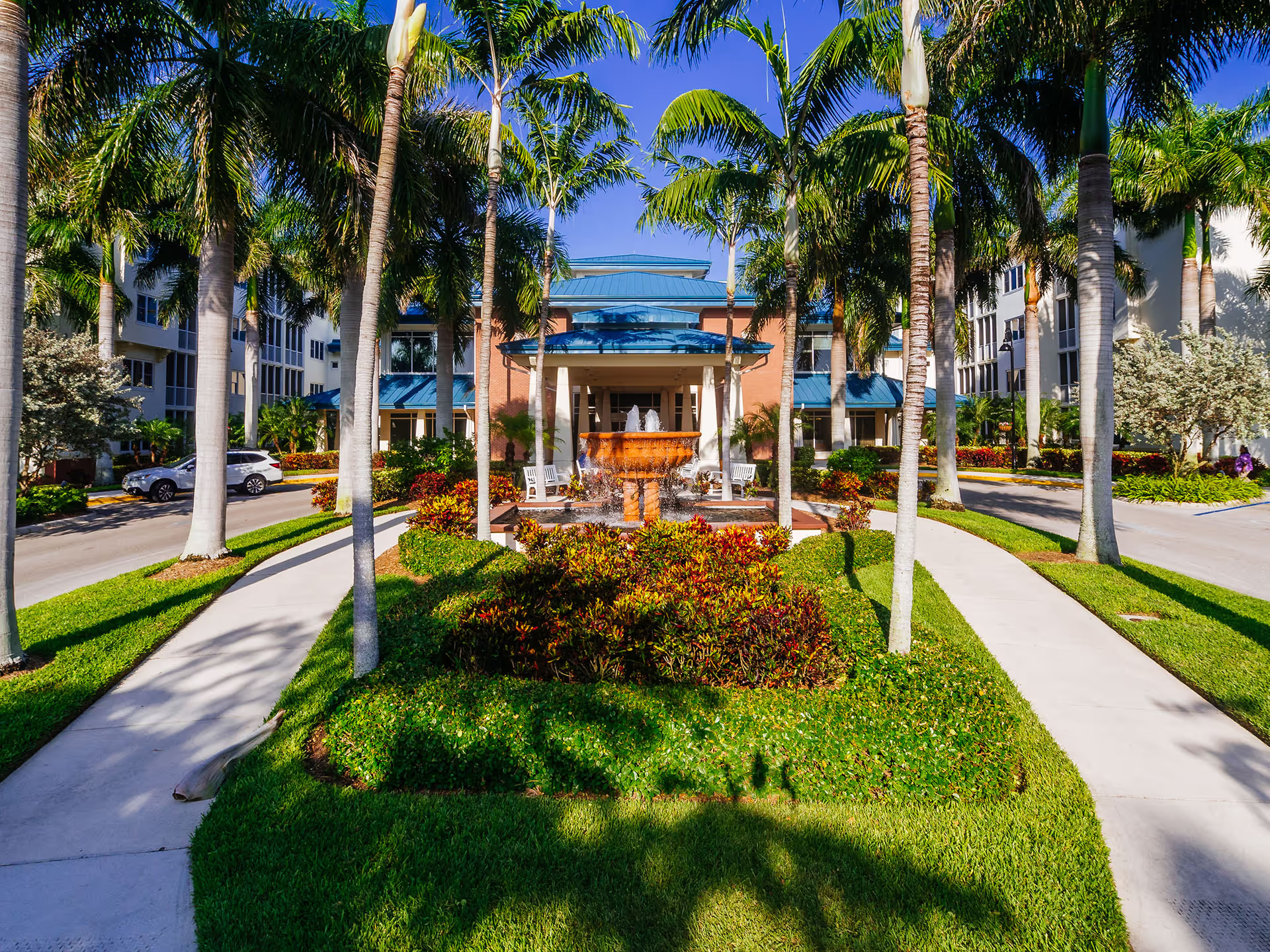
Facilities and amenities: The facility is repeatedly described as clean, sunny, and well‑decorated, with renovated apartments, bright common spaces, an inner courtyard, and outdoor walking areas. Maintenance responsiveness is noted positively in many accounts (rapid repairs), but there are also comments about uneven upkeep—tired carpets, landscaping needs, and ongoing renovation work—indicating places to inspect in person. Security measures such as sign‑in/sign‑out and a single‑floor layout are seen as practical features for mobility and safety.
Clinical operations and areas of concern: Several operational concerns appear with some frequency and are worthy of inquiry. Medication management and transparency have been raised as inconsistent in a portion of accounts, including questions about administration practices and medication costs; families should ask for details on pharmacy partners, medication‑review protocols, and billing for meds. A number of reviewers described limited or inconsistent rehabilitation outcomes after surgery, suggesting the need to clarify expectations for post‑acute therapy and mobility goals. There are also mentions of supervision gaps and fall‑prevention monitoring in isolated instances; prospective residents should review fall‑risk protocols and overnight/3AM check policies. Incontinence‑care and toileting support were raised as a care area of concern by some families—this should be discussed directly with nursing leadership during a visit.
Management, sales, and billing: Management and admissions staff receive mixed commentary. Many families praise accessible administrators and helpful admissions coordination, especially during moves and end‑of‑life transitions. Conversely, there are recurring notes about unclear fee disclosures, surprise charges, and sales communications that some found confusing or overly promotional; reviewers advise confirming all fees and the process for level‑of‑care transitions in writing. The community’s response to external events (for example, hurricane‑related closures) was cited positively in some reports for staff retention efforts and communication, but interested parties should ask how contingency plans and family updates are handled today.
Bottom line: Barrington Terrace offers a strong, hospitality‑oriented assisted‑living option with consistently highlighted strengths in staff compassion, cleanliness, dining, and activities. The most important due diligence points for prospective residents and families are to confirm current staffing stability, medication‑management and billing practices, rehabilitation capabilities relative to individual needs, and specific supervision protocols for higher‑risk residents. An in‑person tour that includes meetings with nursing leadership, the activity director, and the business office will help clarify whether the facility’s strengths match a given resident’s clinical and social needs.