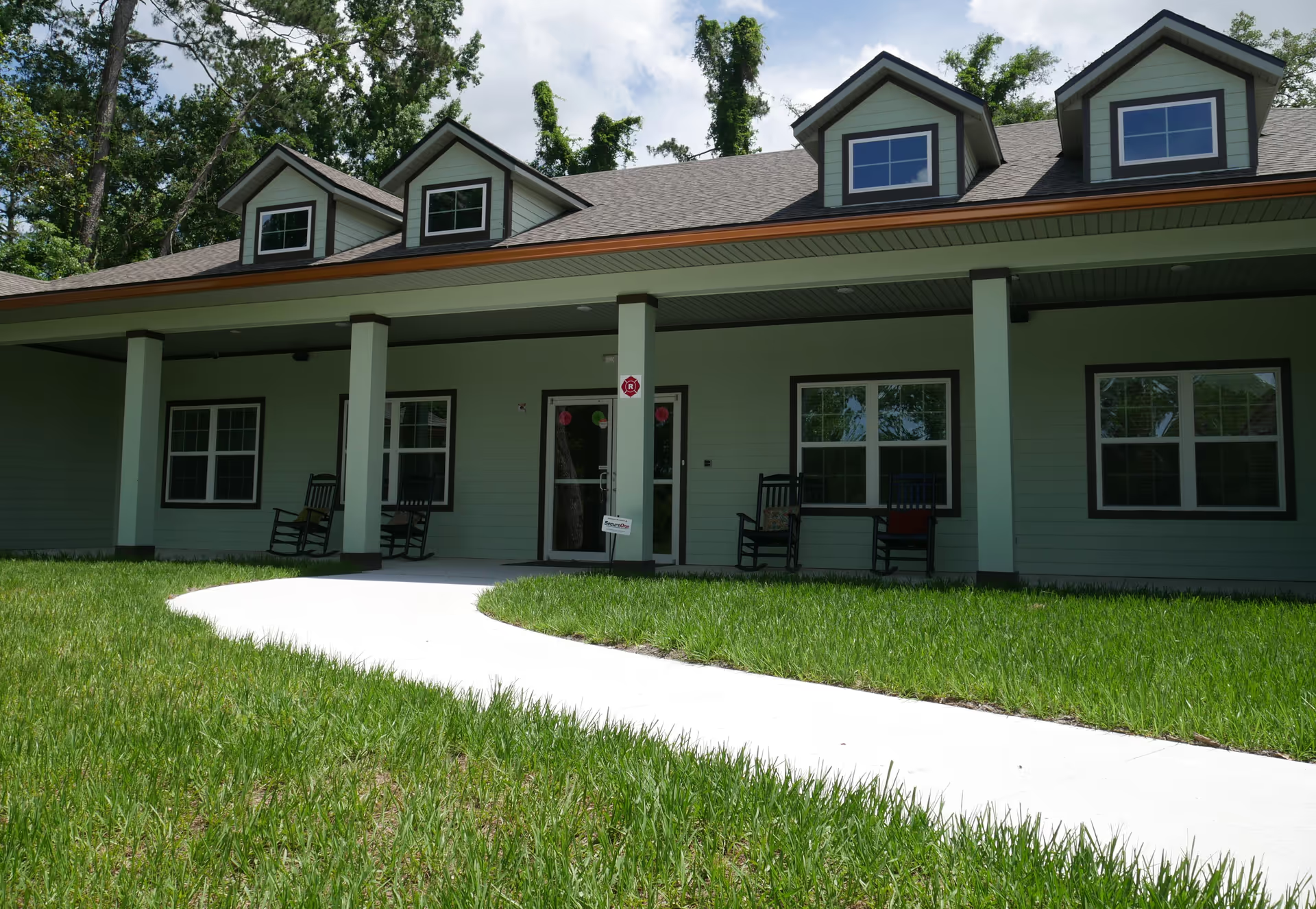
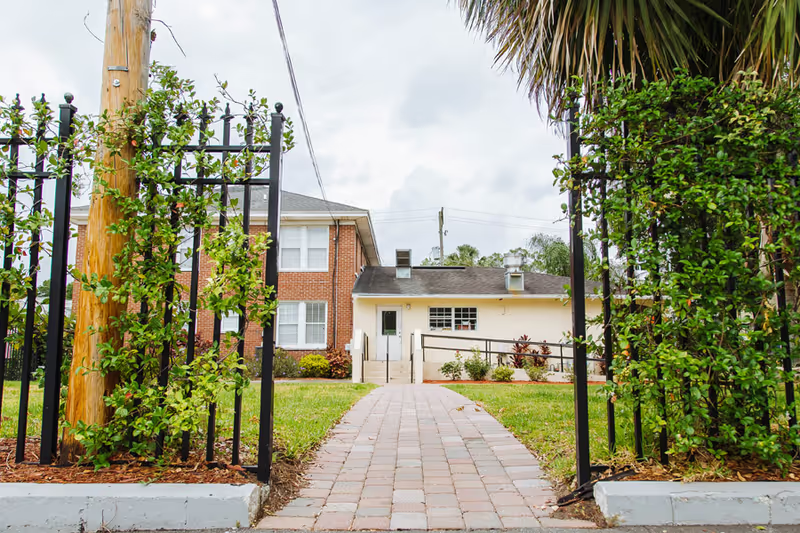
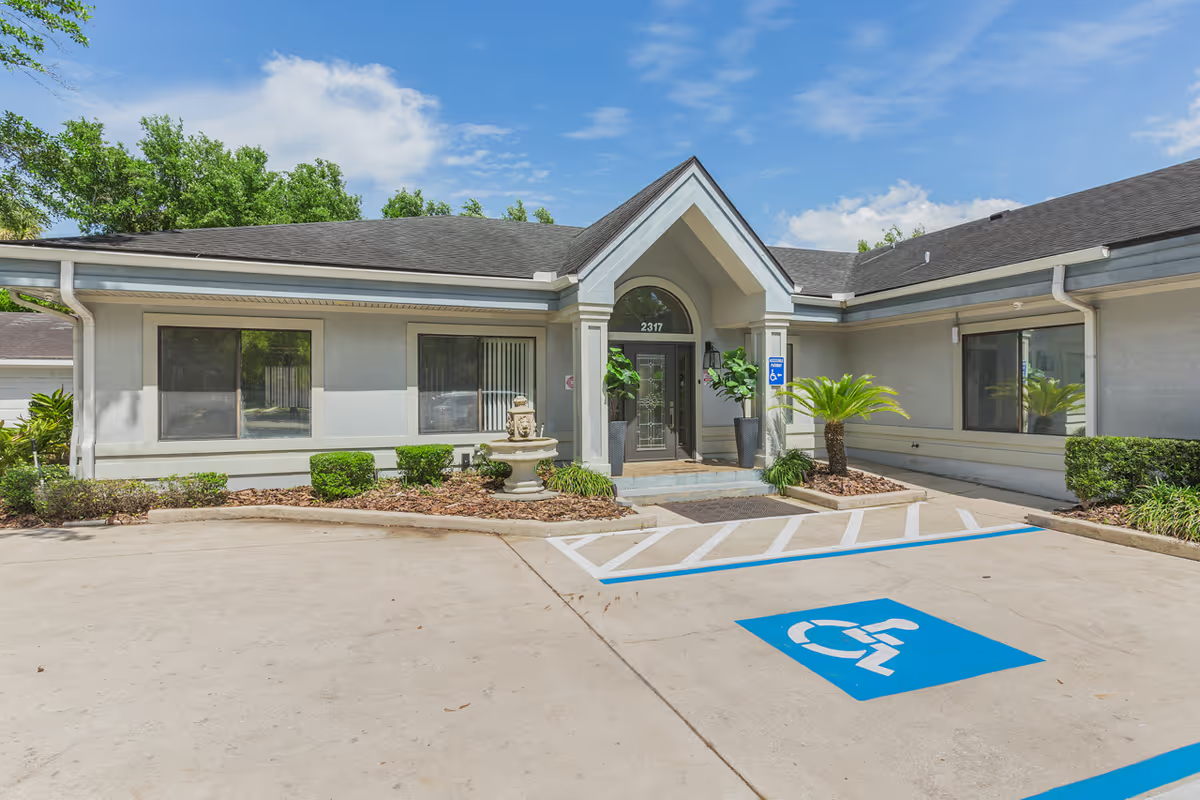
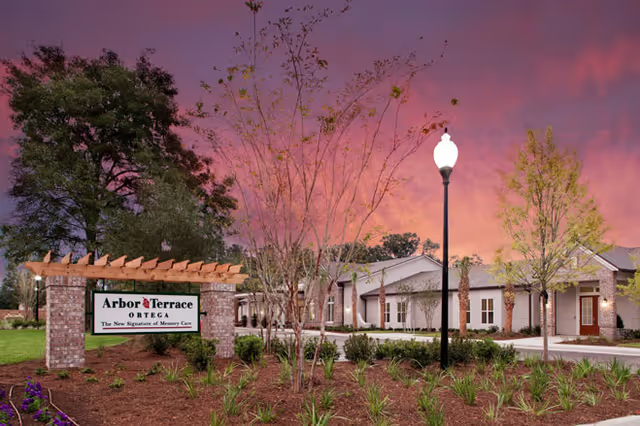
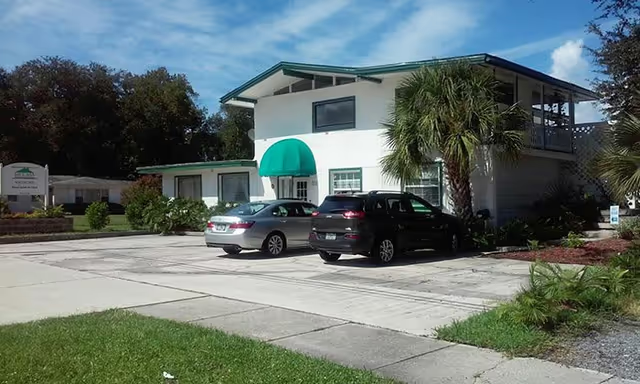
Overall impression: Brookdale Avondale presents as a small, cottage-style senior living community with a strong emphasis on a home-like environment and relational care. Reviewers frequently describe the staff as warm, compassionate, and family-oriented; many families feel residents are treated as individuals. The community’s single-floor layout, attractive landscaping, and communal spaces (central courtyard, screened porch, reading nook) contribute to a residential rather than institutional atmosphere.
Care quality and staff: Clinical care is described as attentive and caring in numerous accounts, with several mentions of dedicated nurses and aides who provide comfort and continuity. At the same time, a recurrent operational pattern is variability in staffing — reviewers describe periods of understaffing, limited RN oversight at night, and uneven training for some aides. These staffing inconsistencies are often tied to communication breakdowns between shifts (lost messages, missed follow-up) and occasional lapses in ancillary services such as laundry and meal delivery. Overall, families report good interpersonal care but note that reliability and clinical coverage can fluctuate.
Dining: Dining is a mixed area. The dining room atmosphere and social meal times are frequently praised, and some families cite excellent meals and presentation. Conversely, a consistent theme is uneven food quality and variety: portions sometimes described as small, menus perceived as carb-heavy or repetitive, and limited fresh fruits, vegetables, and fish on offer. These issues affect perceived value for some families, particularly when pricing increases are factored in.
Activities and social life: The community offers a range of onsite activities, including crafts, puzzles, live music, outings, and pet/comfort-dog visits, and many residents are described as engaged and active. However, reviewers also note variability in the activities program — relevance to residents’ interests and overall consistency have been uneven at times (recent changes in activity staff were mentioned). When the program is well staffed, families report high resident engagement and meaningful social opportunities.
Facilities and amenities: Physical plant strengths include well-kept grounds, a clean interior, in-room kitchenettes, salon and therapy spaces, and accessible common areas. Apartment sizes skew toward studios and small one-bedrooms; there are limited two-bedroom options, which may constrain couples seeking companion rooms. Maintenance and housekeeping are praised when services are operating normally, but isolated maintenance issues and occasional cleanliness lapses have been reported.
Management, communication, and value: Administrative experiences vary. Many families commend local leadership for being relational, welcoming, and helpful during move-in. Others describe administrative disorganization (chaotic tours, inconsistent follow-through) and concerns about billing transparency and annual rate increases. Clinical communication during emergent situations has been cited as an area for improvement — families expect clearer, more proactive updates from staff and physician teams.
Notable patterns: The dominant positive thread is the community’s relational culture: staff who build personal connections, an atmosphere that feels residential, and active social dining. The dominant negative patterns are operational: inconsistent staffing and clinical coverage, uneven meal quality and variety, activity-program variability, and occasional administrative or communication breakdowns. Prospective residents and families who prioritize a warm, small-community environment and strong interpersonal staff relationships may find Brookdale Avondale appealing; those who require consistently robust clinical coverage, larger apartments, or a highly predictable dining program should assess operational consistency during touring and ask specific questions about nursing coverage, meal plans, activity schedules, and recent staffing stability.