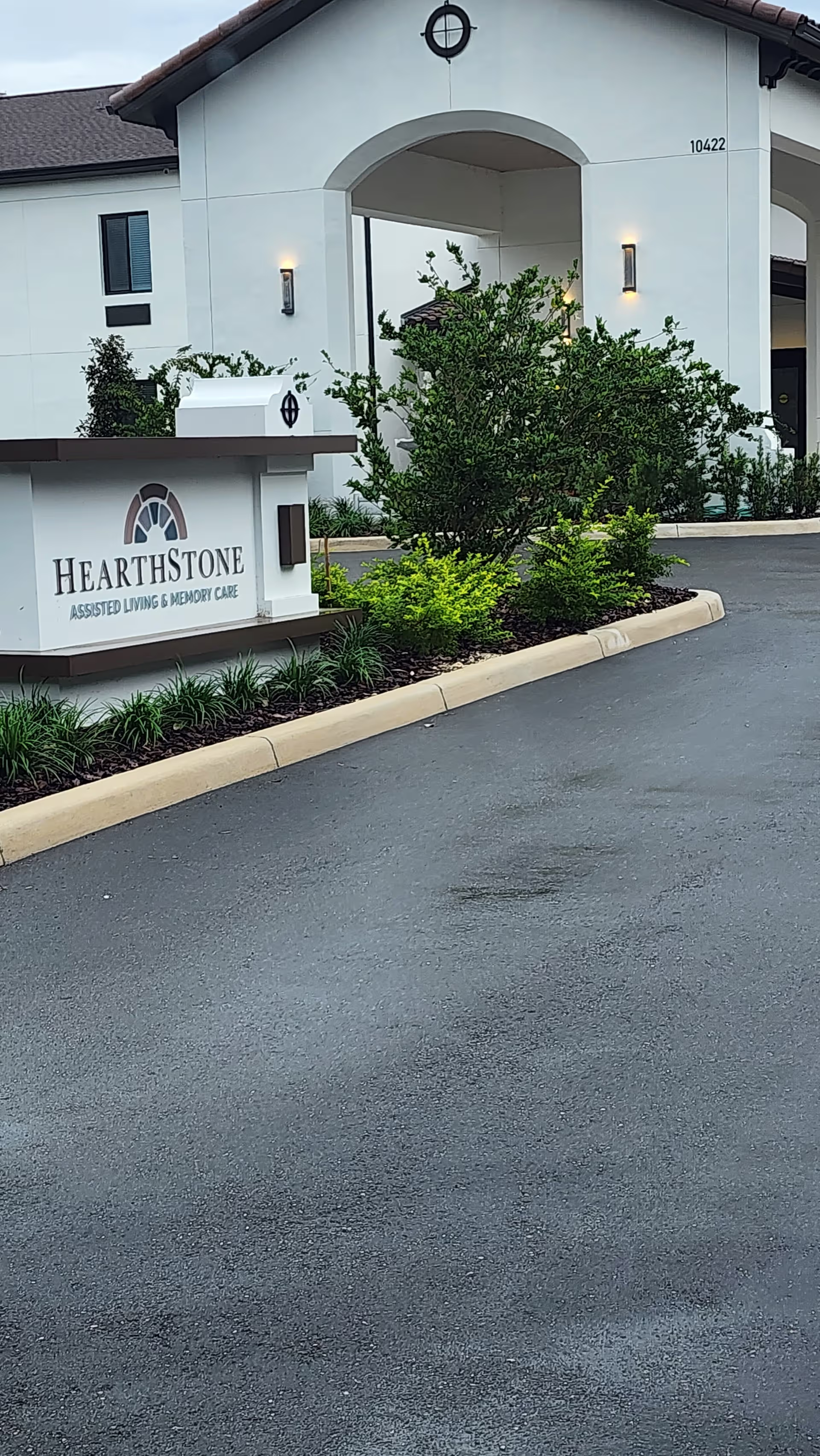
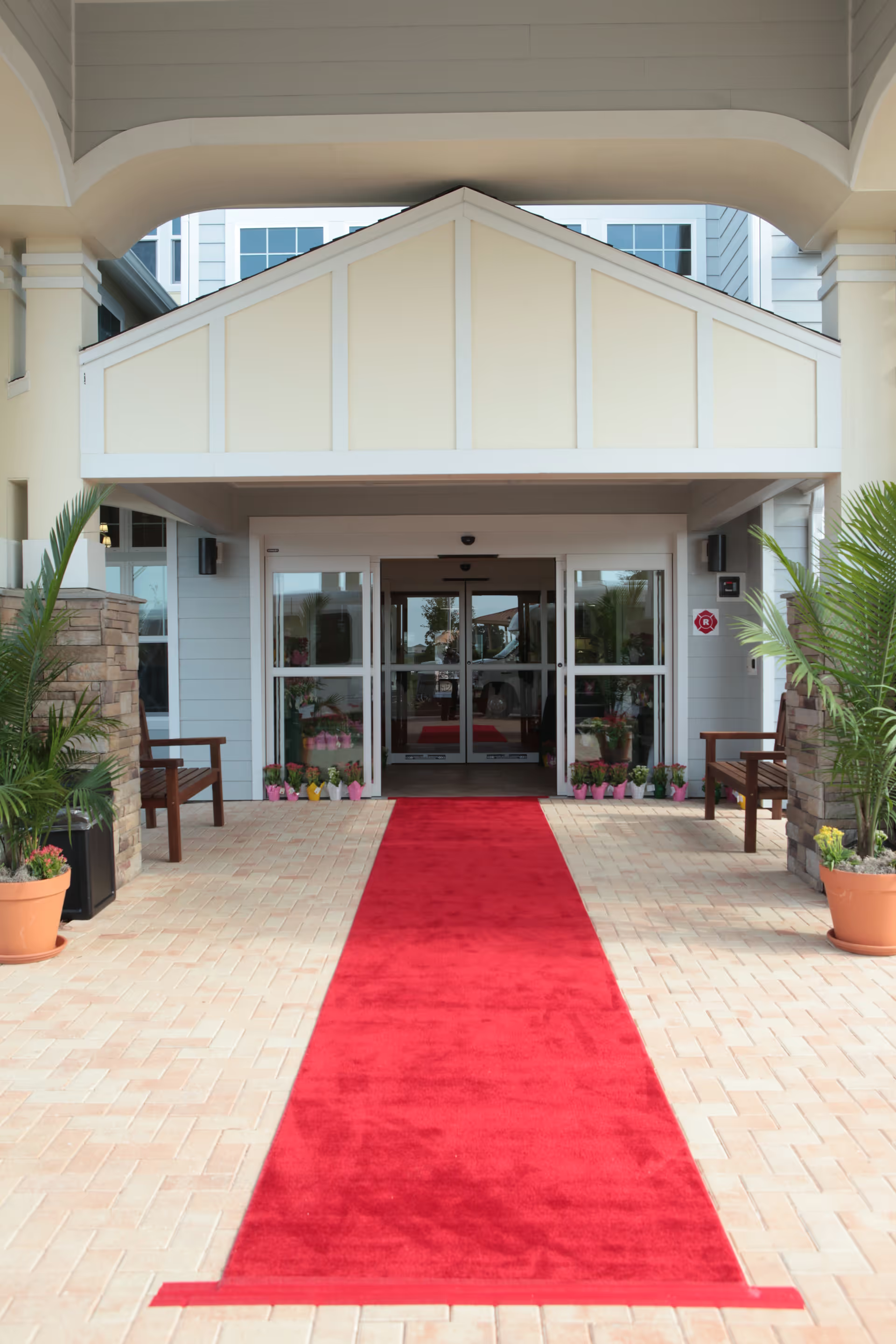
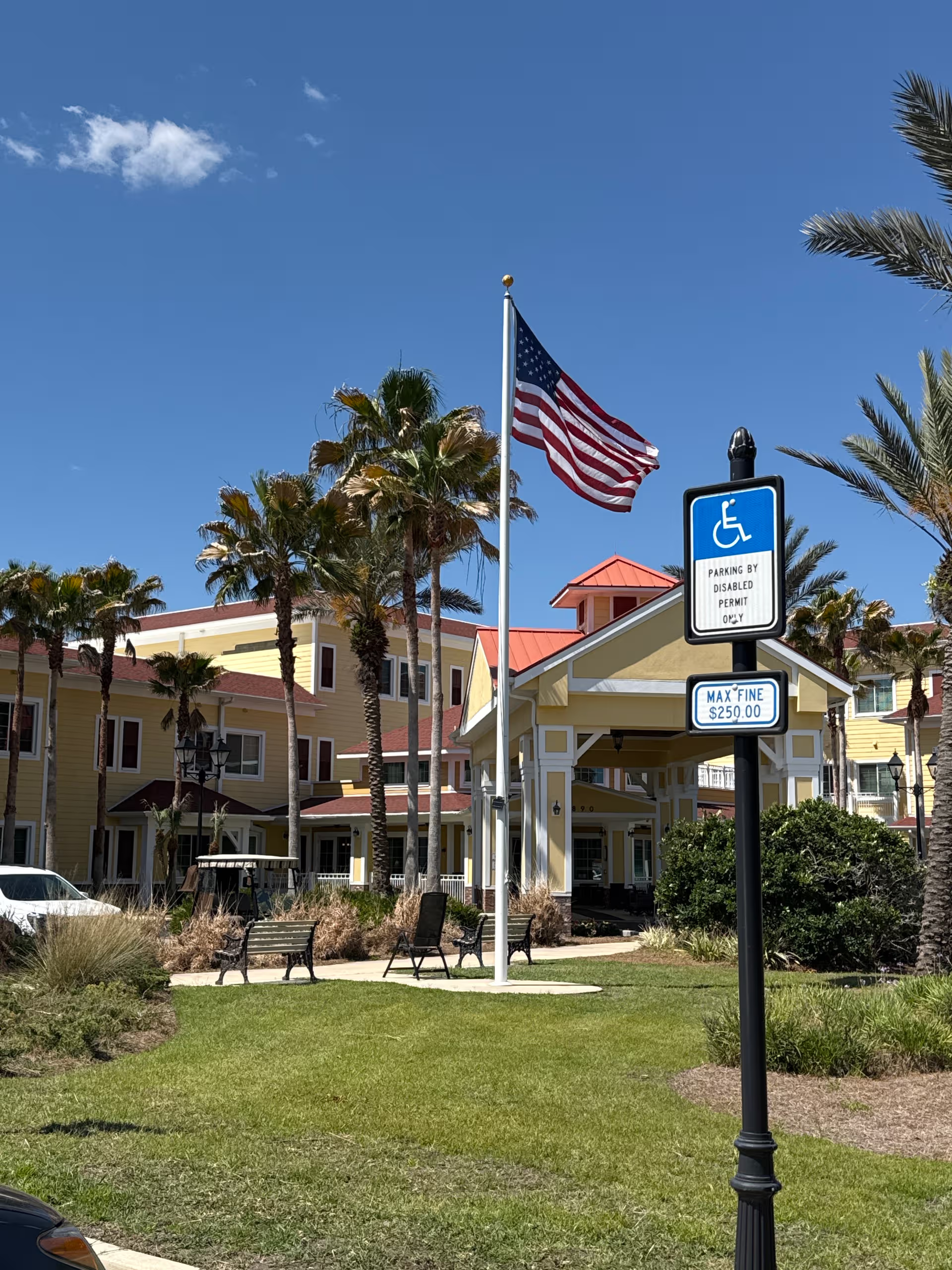
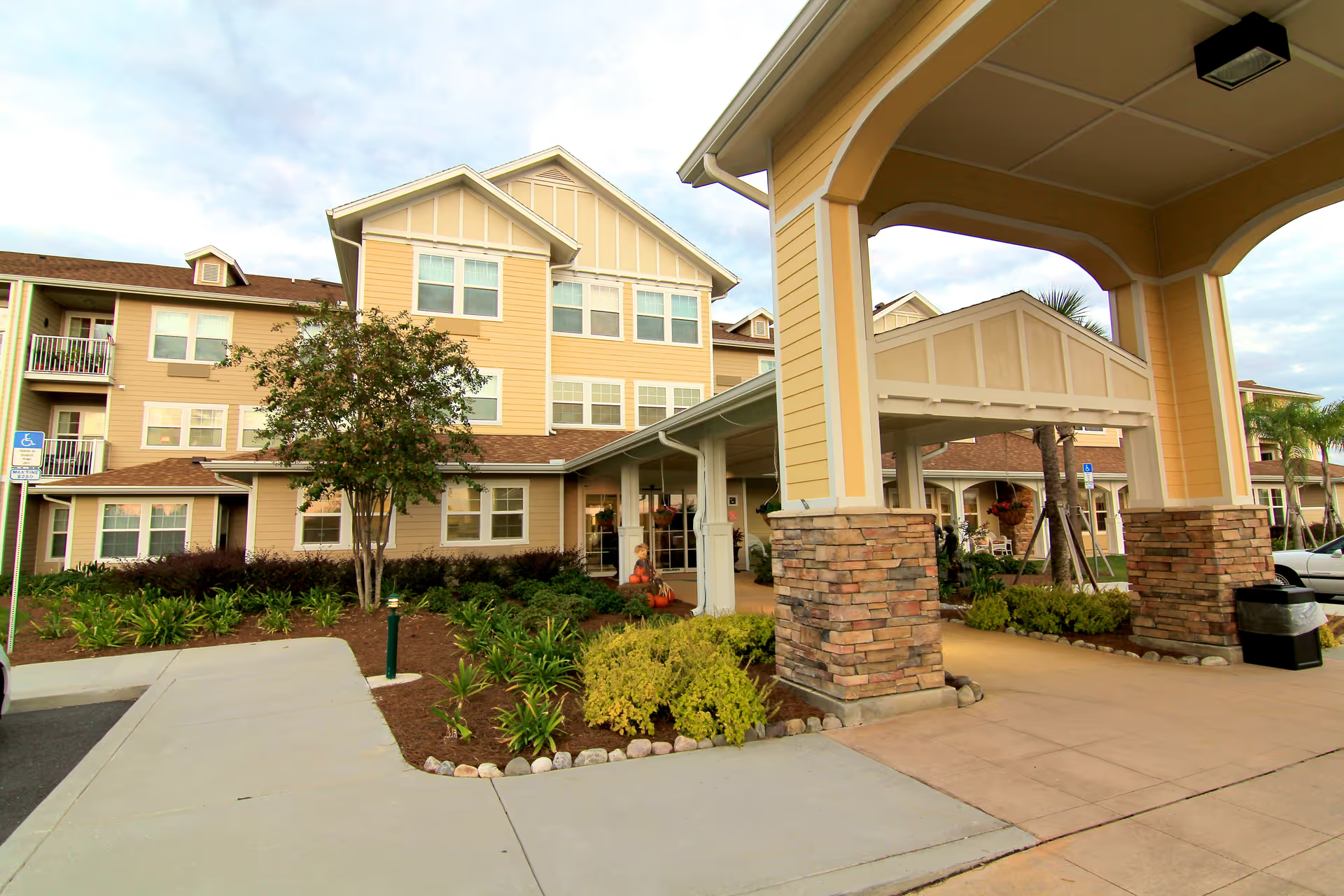
Reviewer feedback is polarized: many families praise the facility for its compassionate staff, attentive leadership, and welcoming atmosphere, while an overlapping set of reviews identifies operational weaknesses that affect clinical consistency and day-to-day reliability. Positive accounts emphasize a team-oriented culture, strong executive directors who step in during transitions, extensive activity offerings, a comfortable interior, and a convenient retail/restaurant location. Several reviewers credited specific staff and managers with making moves and recoveries smoother and with maintaining clear family communication.
Care quality shows variability. Numerous reviews describe attentive, resident-focused caregivers and nursing staff who provide reliable medication management and reassurance; several expressly note good outcomes in assisted-living and post-op recovery. At the same time, a distinct pattern of concerns centers on the memory-care unit and higher-dependency residents: staffing changes, limited on-floor supervision, missed or inconsistent room checks and meal delivery, and lapses in clinical monitoring were cited. These comments point to uneven performance across shifts and units rather than uniformly poor care.
Dining and activities receive mixed feedback. Many families praise varied menus, well-presented meals, holiday offerings, and an active calendar (theater, line dancing, arts and crafts, religious services). Other reviewers note inconsistent food quality and interruptions to meal service. Activity programming is described as rich and relationship-building by some, while others report reduced offerings or specific program cancellations and limited weekend transport for outings.
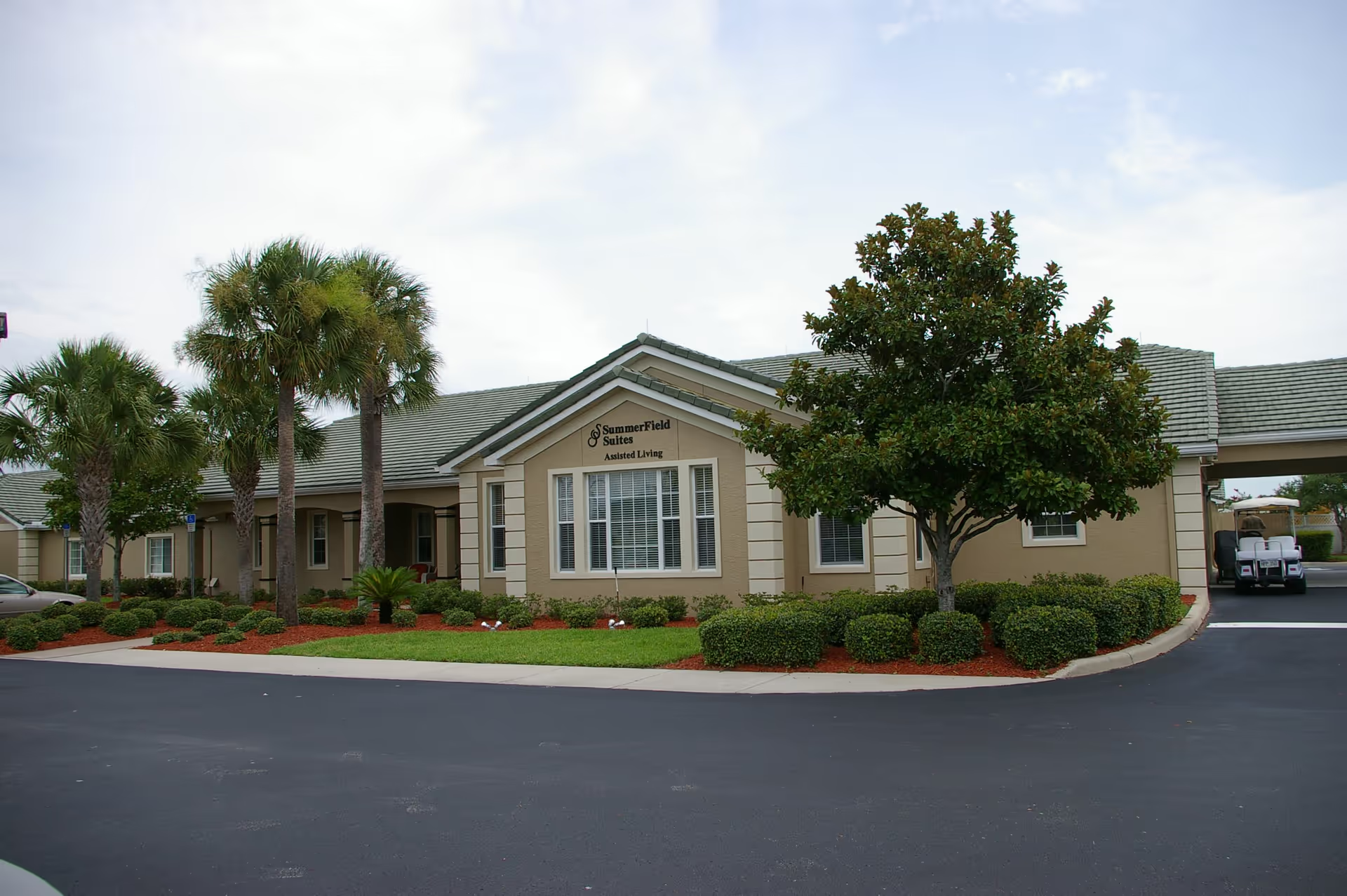
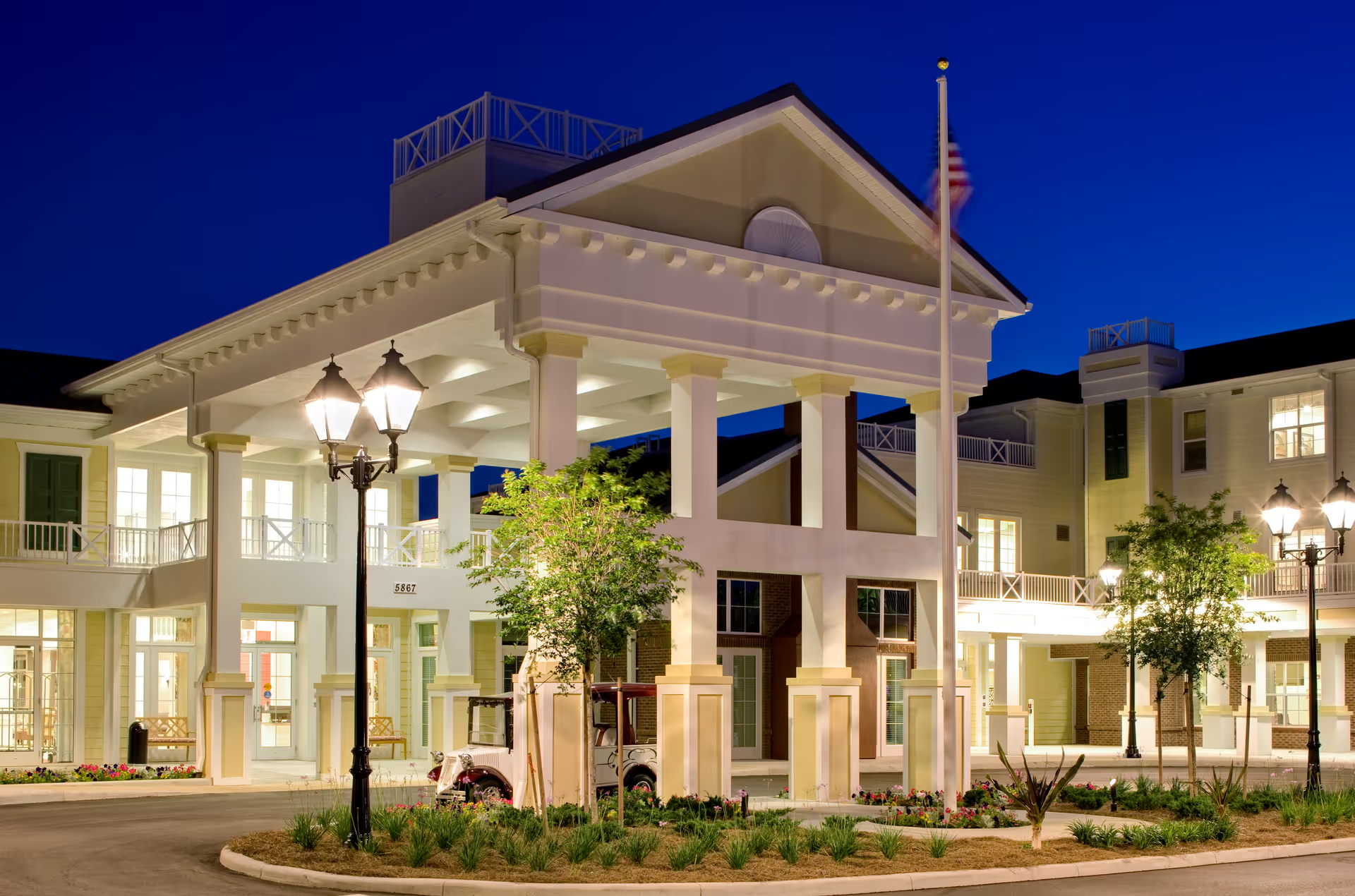
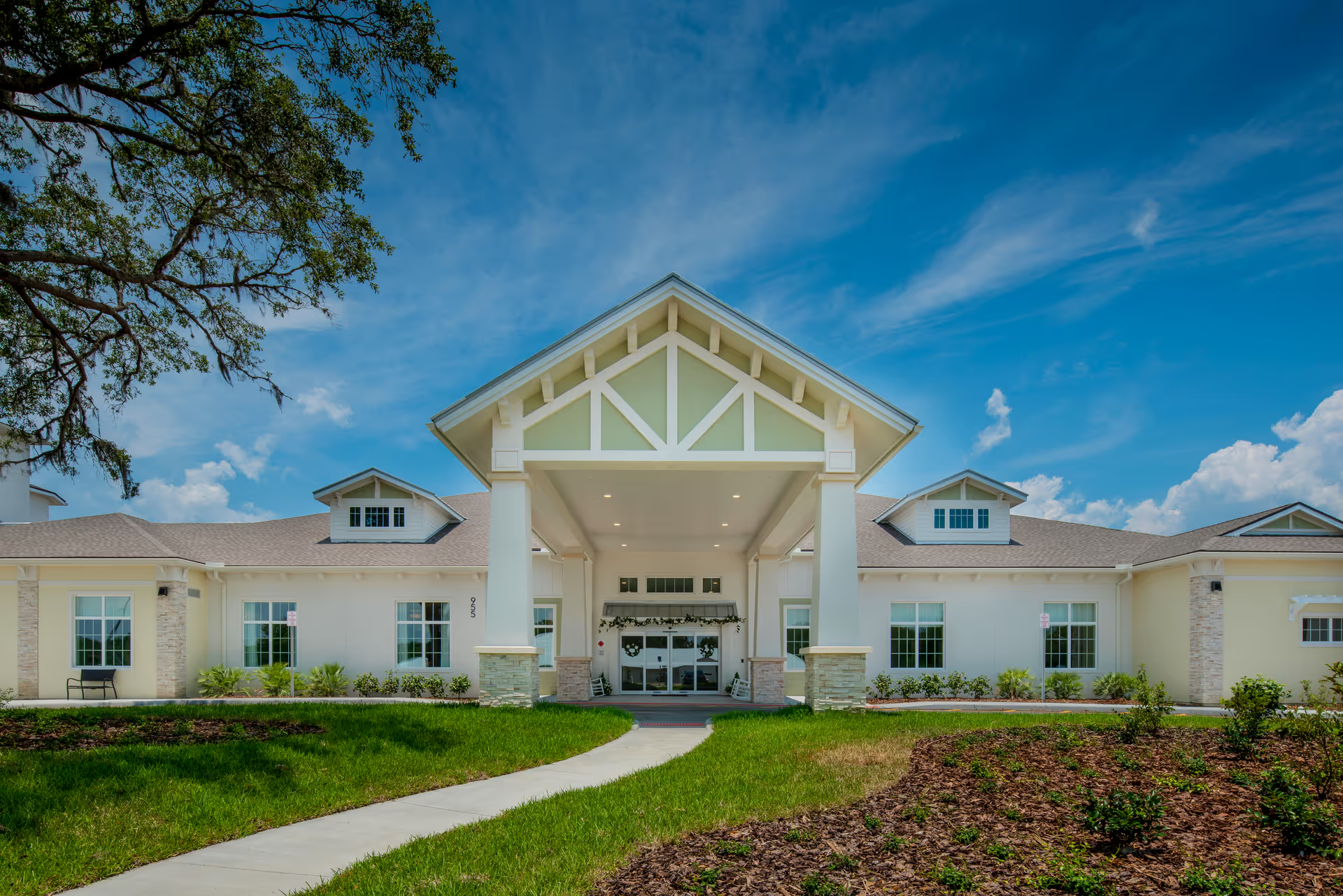
Facility condition and services are similarly mixed. Several reviewers describe a clean, attractive interior, comfortable apartments, and a campus that feels like home. Contrasting remarks include sanitation concerns in specific apartments or bathrooms, unreliable building systems (examples include prolonged air-conditioning outages), and intermittent Wi‑Fi and transportation-van availability. The location and access to local amenities are generally seen as strengths.
Management and communication are praised in many accounts—executive directors and wellness leaders are frequently named for proactive family communication and hands-on support. However, other families describe slow or inconsistent responses to written concerns, difficulty escalating issues to corporate, and unclear or nontransparent pricing (including nonrefundable deposits). Policy-level choices—such as restrictive rules on in-room cameras and a tightly controlled entry experience for the memory-care unit—contribute to discomfort for some families and should be clarified during a tour.
Overall, prospective residents and families will find a community with strong interpersonal strengths and appealing amenities, but they should investigate operational consistency for higher-acuity needs. Recommended due diligence items include asking about current staff turnover and typical staff-to-resident ratios (especially in memory care), typical meal and housekeeping schedules, policies on room monitoring and privacy, response times for maintenance requests, weekend transportation availability, and full fee disclosure including refundable policies. A focused tour that includes time in the memory-care neighborhood and conversations with current families will help assess whether the facility’s strengths match an individual resident’s care needs.