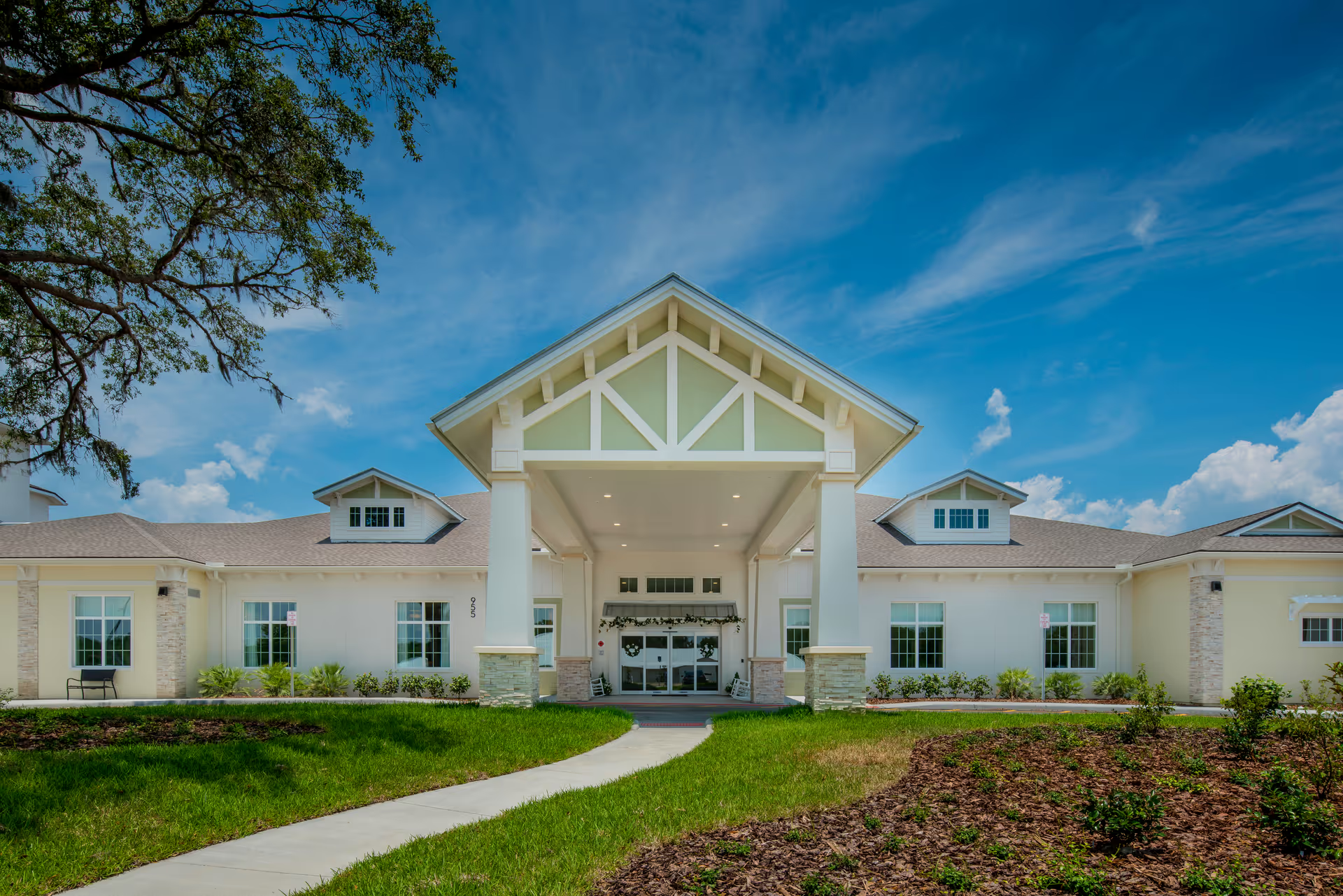
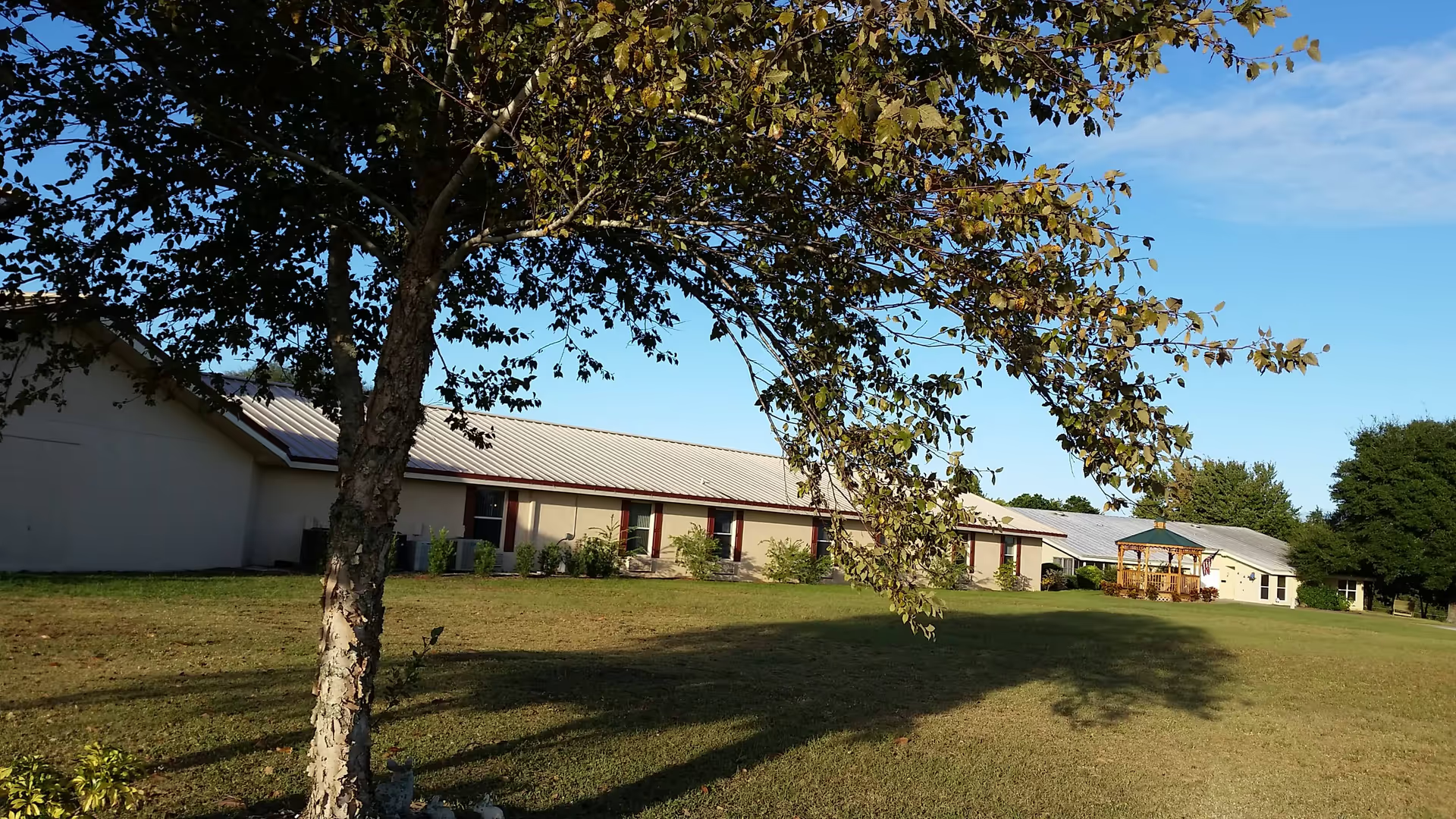
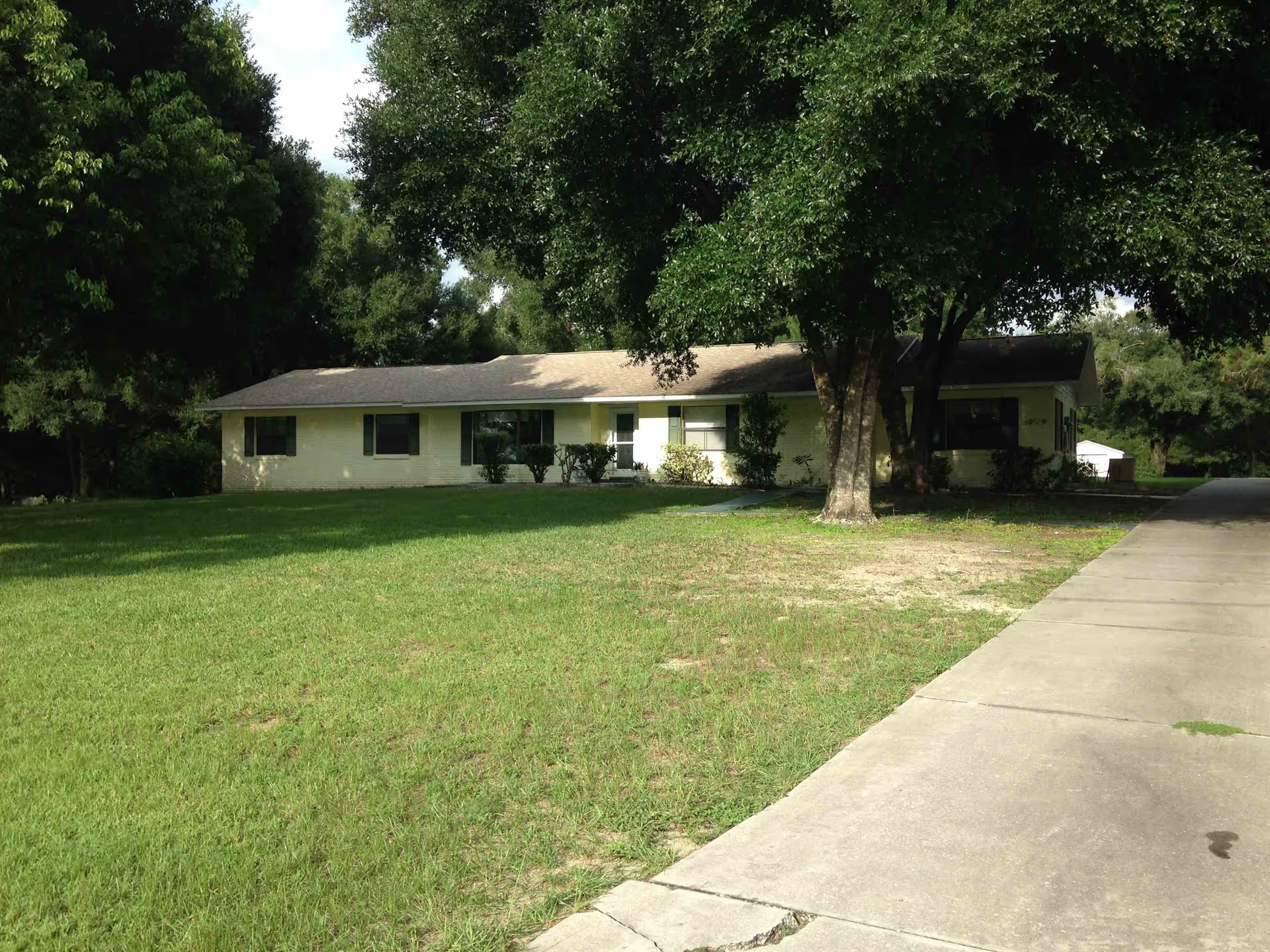
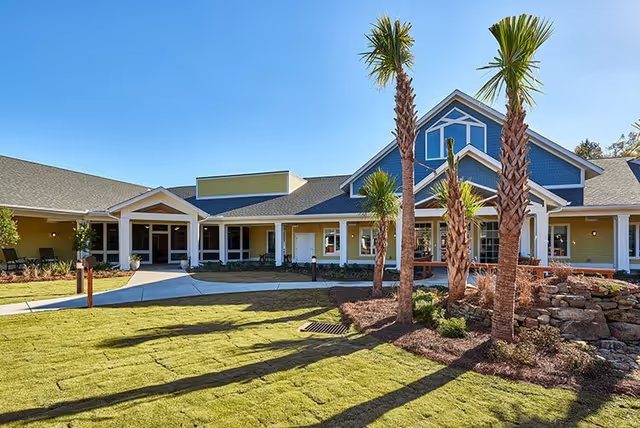
HearthStone at Leesburg elicits strongly mixed impressions. Many families and visitors describe a visually attractive, hotel-like community with clean, well-maintained common areas, welcoming reception, and thoughtfully laid-out apartments that include safety features. The facility's dining receives frequent praise for restaurant-style meals that are nutritious and well presented. Admissions and sales staff are often characterized as approachable and helpful, and several accounts note that the community can provide a genuine sense of comfort and peace of mind when its caregiving teams are engaged.
Care quality and staff performance are central to the divergent perceptions. Positive accounts emphasize compassionate, attentive caregivers who know residents by name, provide personalized care plans, and run lively memory-care programming with music, dancing, and social engagement. These descriptions portray a staff able to support quality-of-life and meaningful interaction for residents with dementia. Conversely, other accounts identify persistent operational weaknesses: concerns about dementia-specific training, medication-administration delays or inconsistencies, and caregivers stretched thin by workload pressures. Several families raised specific worries about overnight supervision and described conduct issues that they believe merit investigation.
Activities and social programming are a noted strength for some families—events, music, and engaged residents are repeatedly cited as enhancing wellbeing. At the same time, other visitors find the activity schedule uneven, with some programming described as limited or repetitive. Dining is generally a highlight, though a subset of comments point to occasional service delays or individual meal disappointments that suggest occasional lapses in service continuity.
Management and operations show a split profile. Some reviewers praise empathetic executive and sales leadership and describe helpful guidance through placement. Others highlight frequent administrative changes, difficulty getting managers to respond, and a perception that behind-the-scenes staffing or housekeeping problems are masked by a polished front-of-house presentation. Housekeeping and maintenance are noted positively in many areas, but there are recurring concerns about inconsistent room-cleaning schedules and slow resolution of housekeeping complaints.
Taken together, the pattern suggests that HearthStone at Leesburg offers a high-quality physical environment and strong programming when staffing and leadership are stable, but that families should probe operational consistency during touring and decision-making. Recommended inquiries for prospective families include current staff tenure and turnover rates, dementia-specific training protocols, medication-administration procedures and audit practices, overnight supervision policies, housekeeping schedules, and any expected out-of-pocket costs for continuous one-on-one care. Observing staff–resident interactions during a visit and asking for recent family references can help clarify whether the community’s strengths are being sustained on a day-to-day basis.