Brookdale Orange Park elicits strongly mixed impressions. Many families describe a caring, family-like culture with long-tenured and attentive caregivers, robust rehabilitation support, and a range of social programming that includes worship services, outings, guest speakers, and exercise offerings. Several accounts highlight timely therapy initiation, individualized dietary accommodations, on-site medical and prescription services, and outdoor/commons spaces that contribute to resident engagement and recovery. When the operation is functioning as intended, reviewers describe prompt communication, cheerful staff, and perceptible clinical improvement in residents.
At the same time, a substantial cluster of concerns recurs across reviews and points to operational inconsistency. Staffing levels and turnover are frequently described as problematic; reviewers cite difficulty finding staff on the floor, delayed responses to call buttons, and leadership changes that have affected continuity of care. These workforce issues are connected in several reports to lapses in supervision—particularly in memory-care areas—where wandering, inadequate monitoring, and falls have been described. Families also raise concerns about medication-administration processes and clinical follow-up, and about outsourced clinical tasks (for example, insulin administration) that are not always smoothly coordinated.
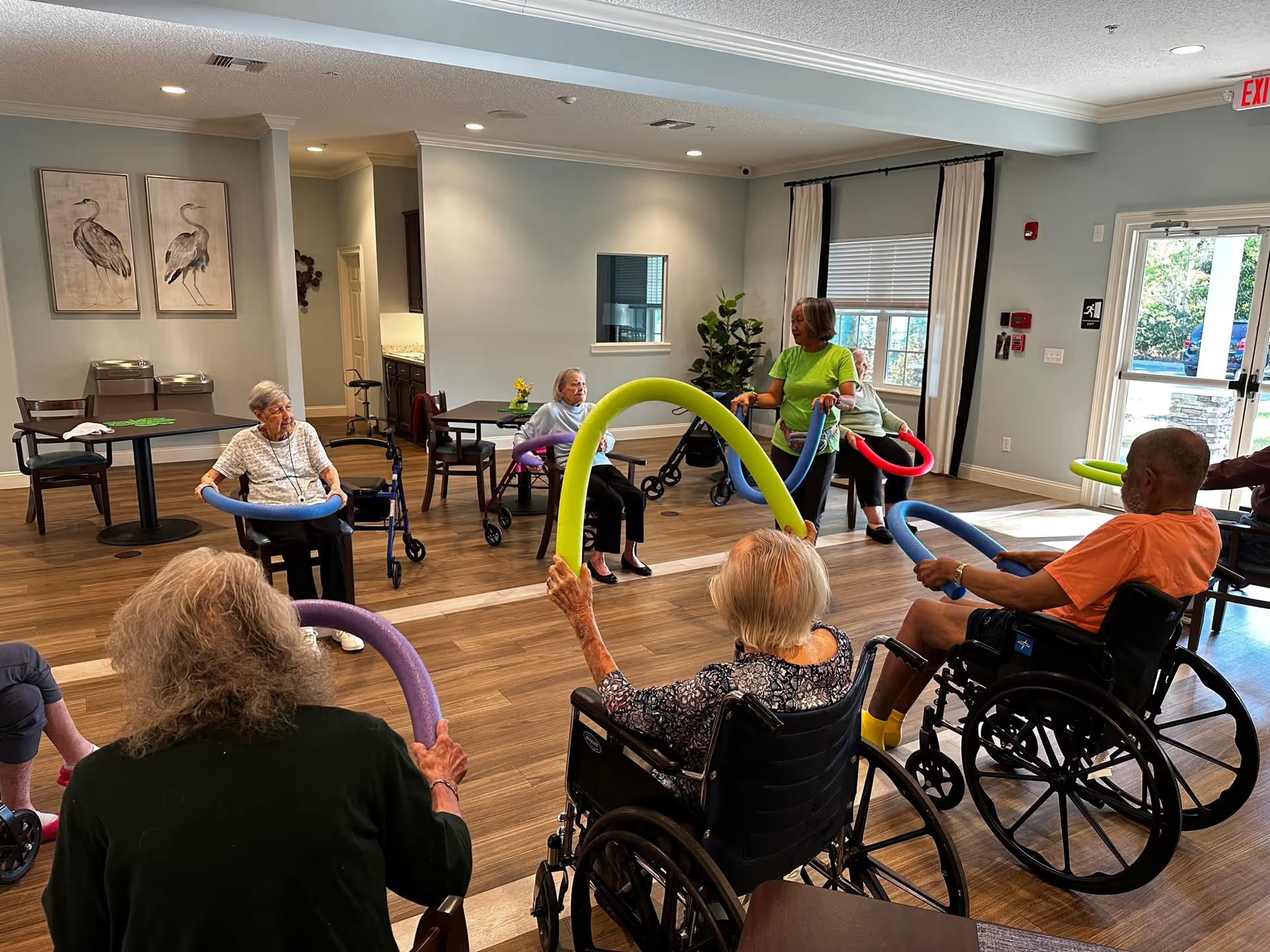
Dining and activities receive mixed feedback. Positive comments note fresh, varied menus, staff accommodations for special diets, and active dining-room programming. Conversely, other accounts describe limited menus, inconsistent meal quality, and occasional shortages of expected choices. Activity programming is a clear strength for many residents — organized events, social meals, therapy-related exercise, and community outings are frequently cited — yet some families report that certain units rely heavily on passive activities (television) and that memory-care residents in particular receive limited stimulation.
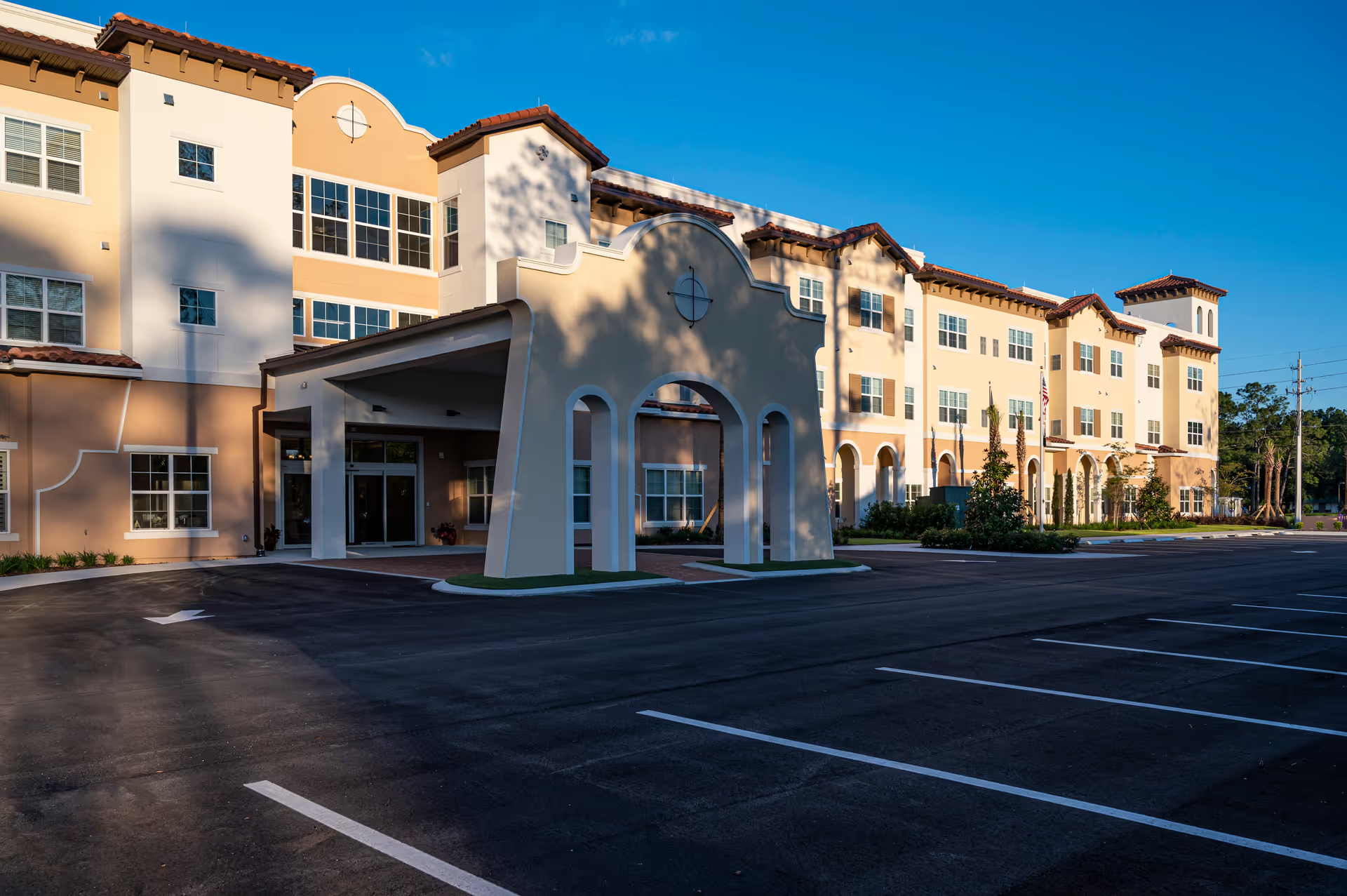
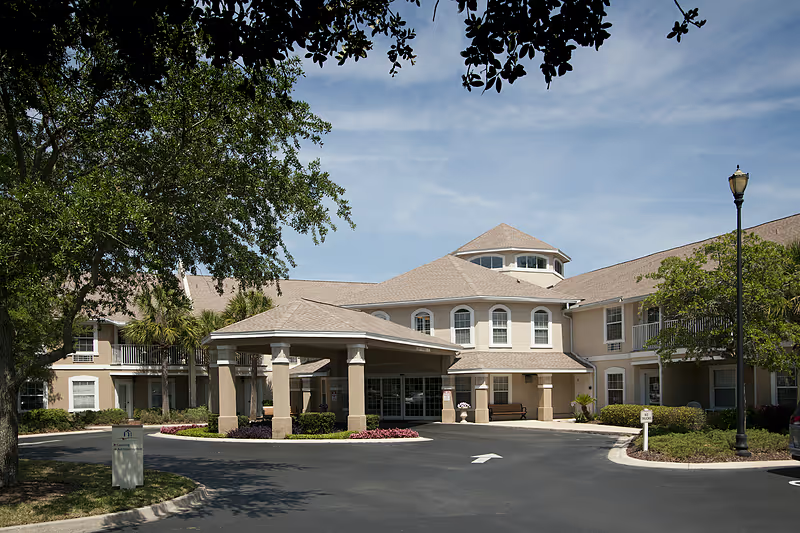
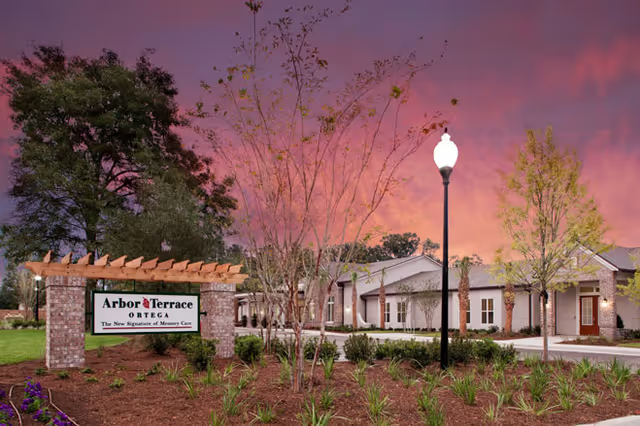
Facility condition and housekeeping are similarly uneven. Numerous reviewers praise clean, well-maintained areas, private apartment options, and attractive outdoor courtyards; others identify sanitation inconsistencies, persistent odor concerns in some halls, pest-control issues, and delayed or infrequent room cleaning. Practical logistics such as laundry services (limited machines, prolonged equipment outages) and building updates are recurring operational pain points. Several families describe planned remodeling as a positive but note that current conditions can be dated in places.
Management and administrative practices generate frequent commentary. Positive examples emphasize proactive leadership, transparent communication, and helpful admissions staff. Negative patterns include inconsistent follow-through on promised financial assistance, abrupt price increases, unclear billing and contract practices, and at least one allegation of theft and financial misconduct. Communication from the front desk and clinical leadership was described as unresponsive by several families, and corporate visits were sometimes perceived as masking day-to-day issues.
Overall pattern and guidance: reviewers portray a facility capable of high-quality, person-centered care when staffing, leadership, and processes align — but they also report repeated instances of operational breakdowns that affect safety, sanitation, and family trust. Prospective residents and families should consider an in-person tour focused on current staffing ratios and turnover, memory-care supervision protocols, fall-response times and documentation, medication-administration procedures (including who administers insulin), housekeeping and pest-control schedules, laundry capacity, and specific contract/billing terms. Asking for recent inspection reports, examples of staff tenure on the unit, and references from current families may help clarify whether the local unit is operating at the higher end of the reviews or experiencing the negative patterns described.