The reviews present a mixed but consistent portrait: many families and residents praise Homestead Village of Pensacola for its compassionate caregivers, therapeutic services, comfortable accommodations, and active social programming, while others describe operational weaknesses that affect reliability and clinical oversight.
Care and staff: Strengths include caring, attentive direct caregivers, available nursing and therapy support, and teams that enabled improved resident nutrition and activity levels for many residents. Several reviewers emphasized hospice support and individualized care plans, as well as positive interactions between staff and residents that contribute to a family-like atmosphere. However, multiple accounts describe variability in clinical quality between shifts and after ownership or management changes. Concerns include gaps in medication management, slow or inconsistent response to clinical issues, and limited after-hours clinical coverage. These patterns point to uneven clinical oversight rather than a uniform level of care across the campus.
Dining and activities: The community offers a robust activities calendar (bingo, fitness, weekly excursions, ice-cream events) and building-level dining rooms that foster socialization. Transportation services and outings are noted positively. Dining quality appears inconsistent: some families report excellent meals and marked improvement over time, while others describe diminished food quality and service presentation issues. Prospective families should ask about current dining management, menu cycles, and how special-diet needs are handled.
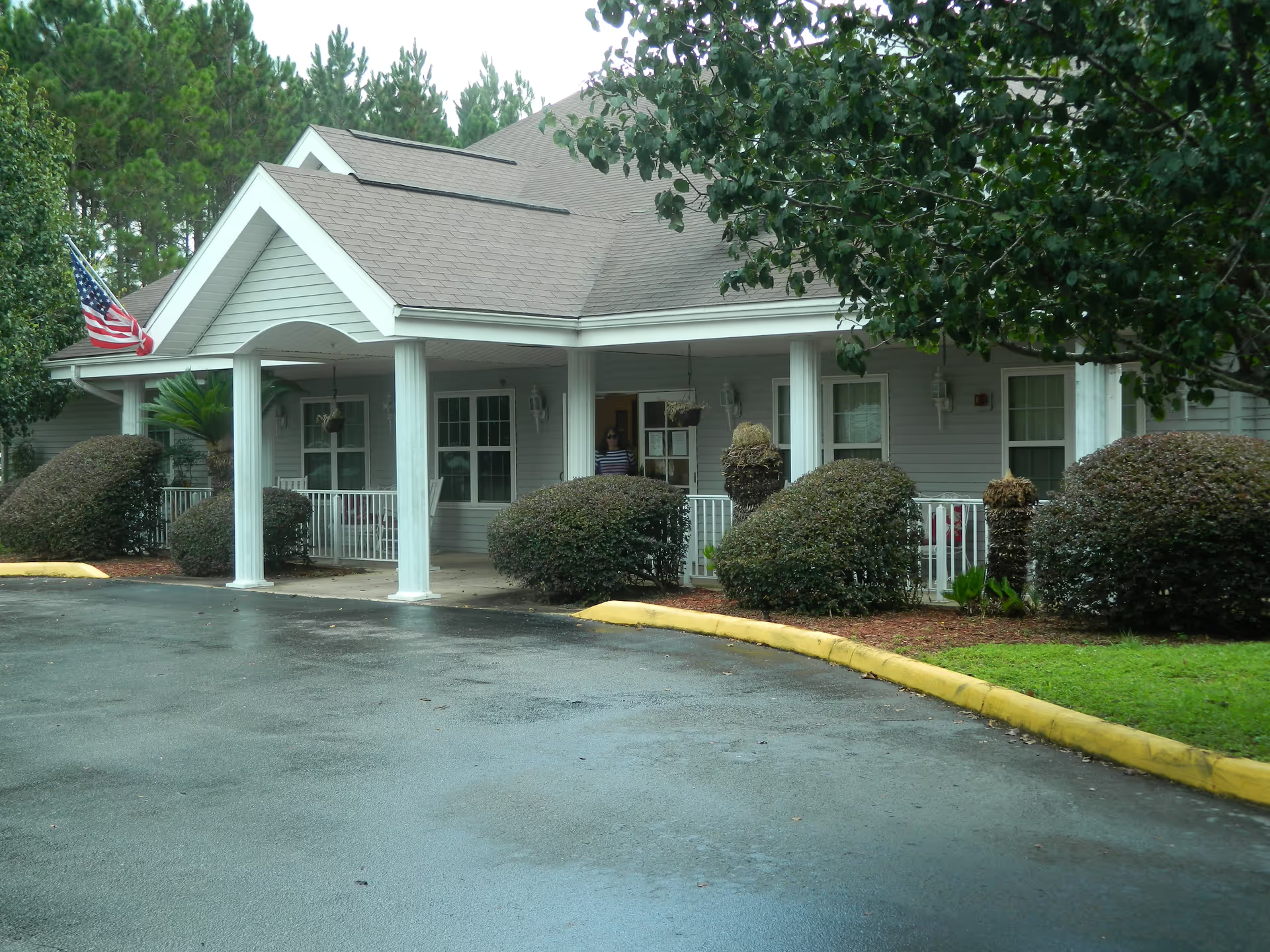
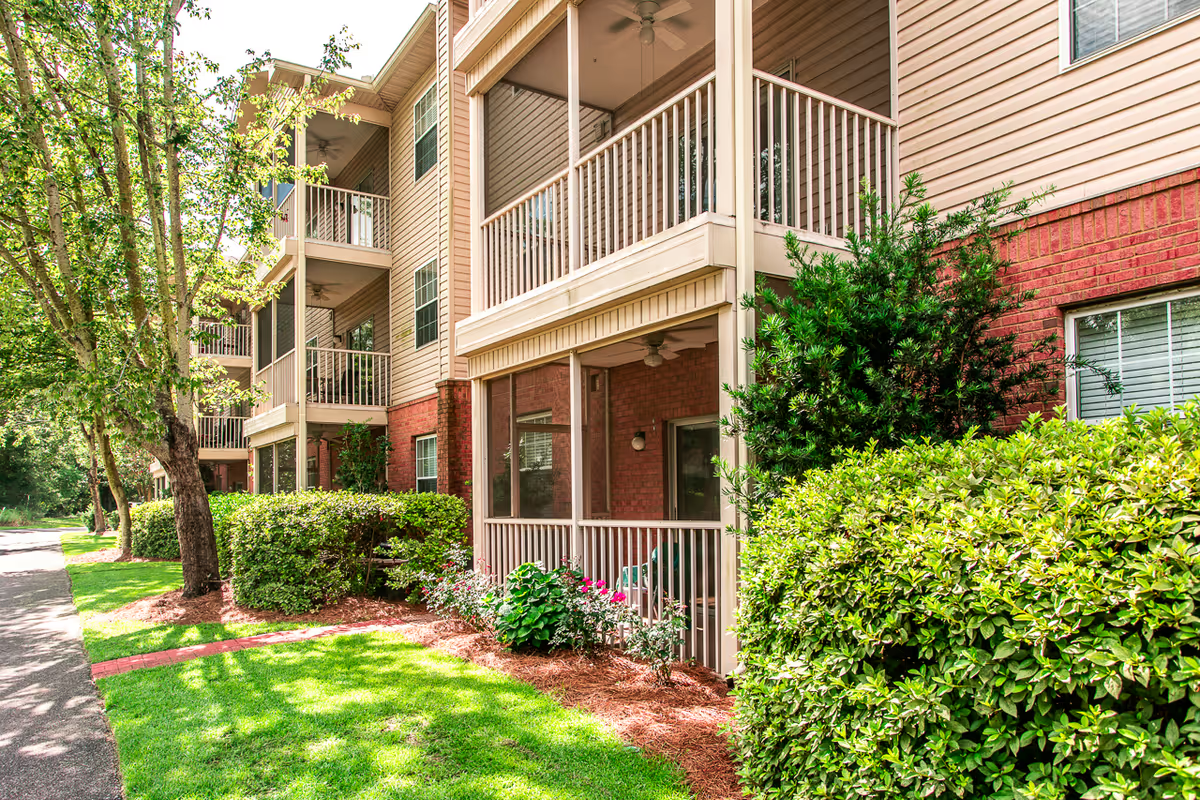
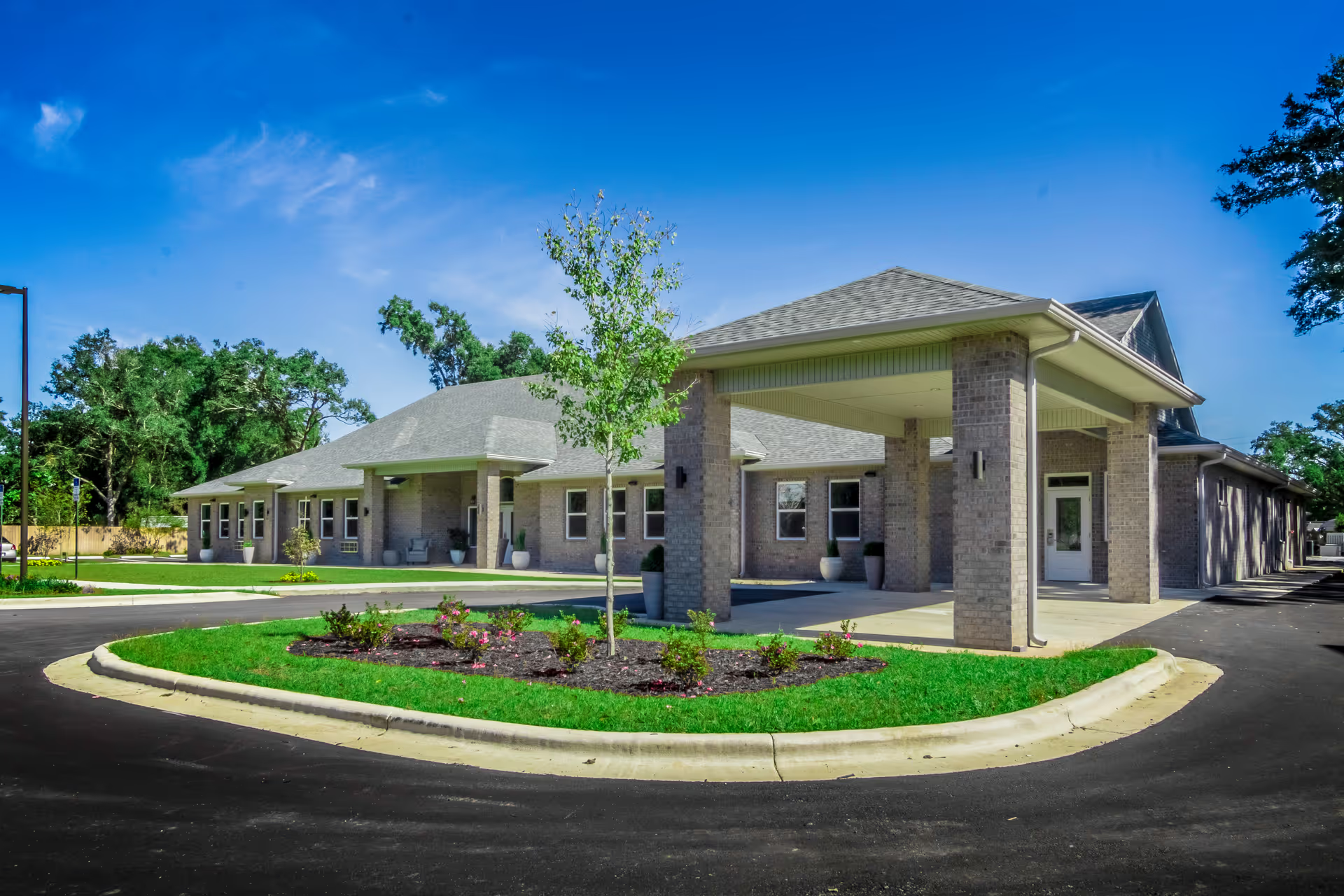
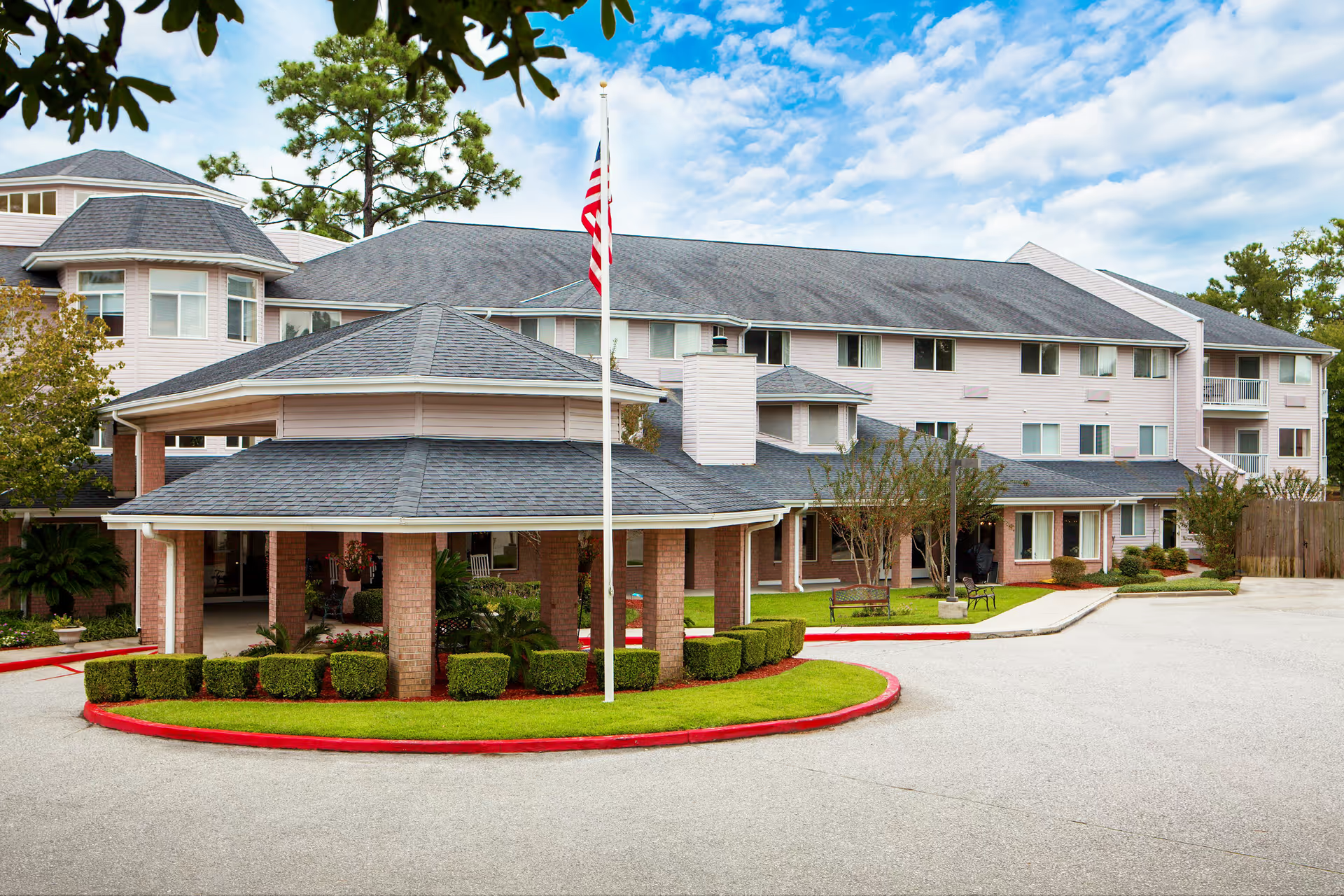
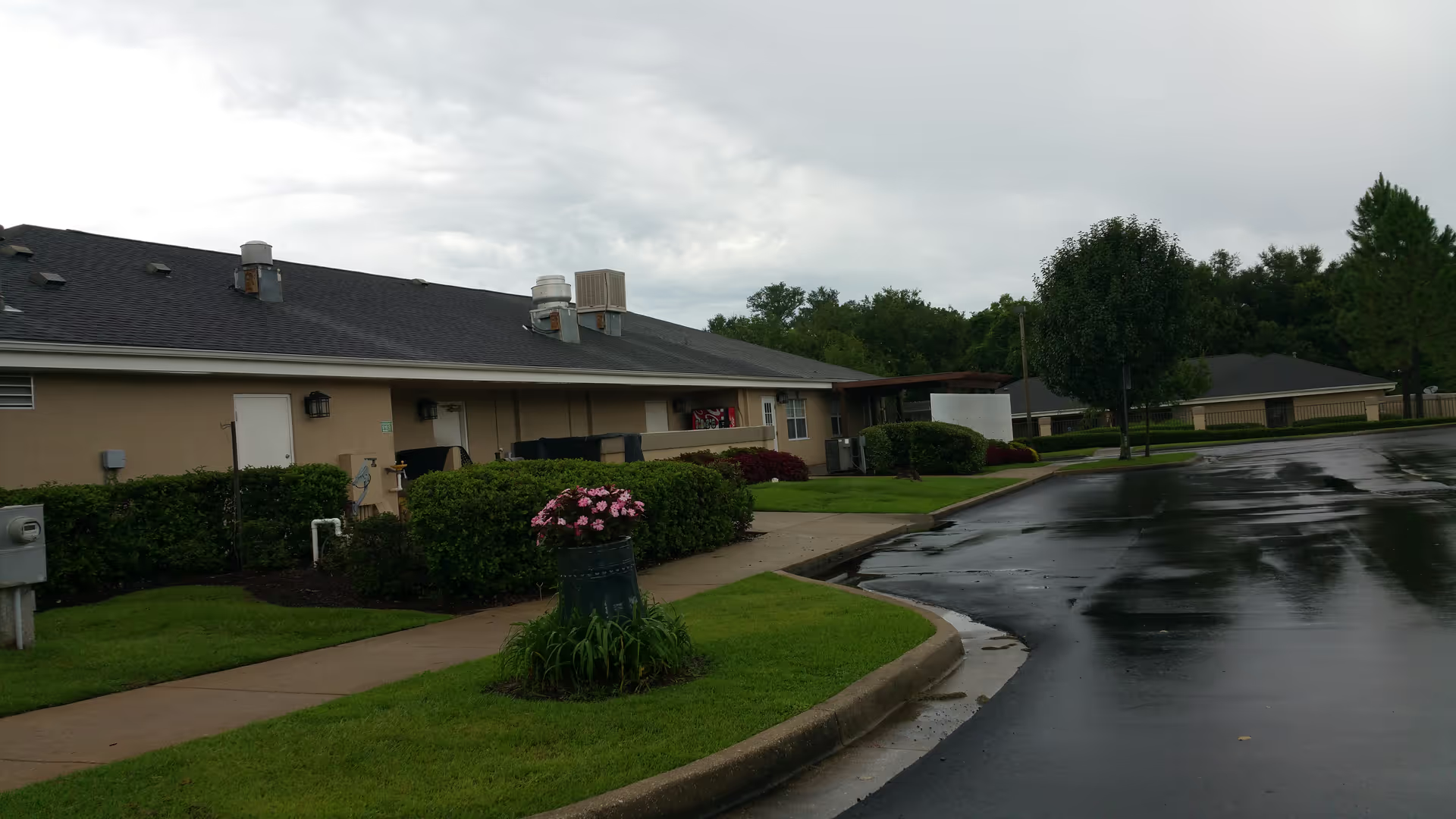
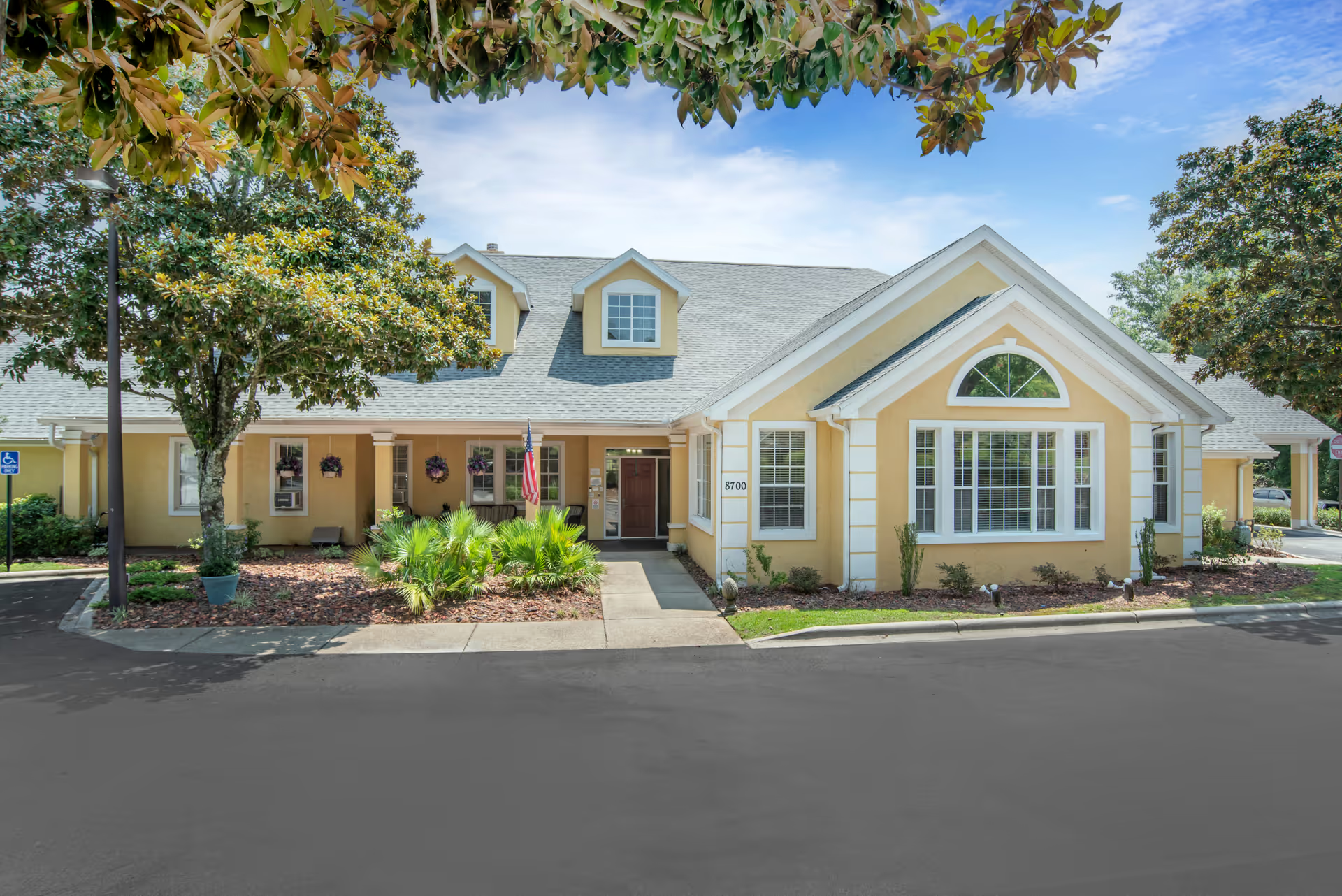
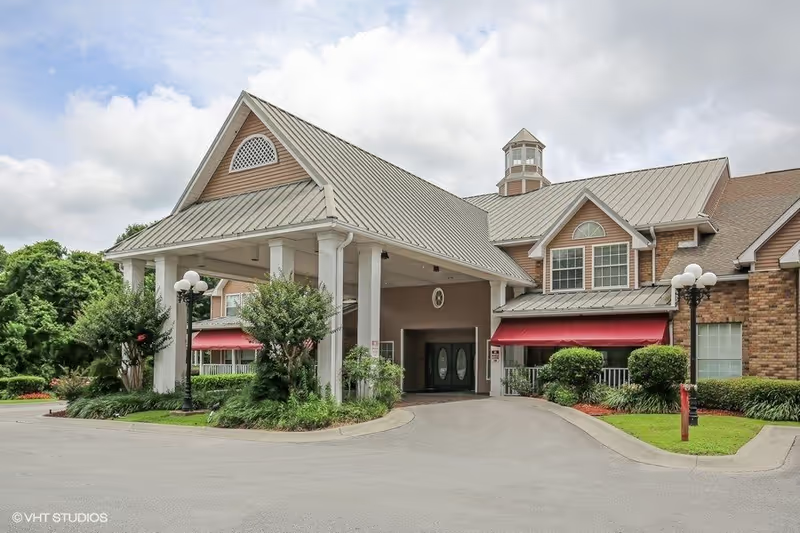
Facilities and maintenance: Many reviews describe clean, roomy units, well-maintained cottages, attractive grounds, and independent-living options with kitchenettes. At the same time, there are recurring maintenance and sanitation concerns in parts of the campus, including appliance and laundry reliability, signs of wear (rust, mold in some common areas), and pest-control issues. Internet and phone reliability during inclement weather was also mentioned as a recurring inconvenience. Facility condition appears uneven across buildings and cottages, suggesting variability in maintenance attention.
Management, administration, and financial practices: Reviewer impressions of leadership are polarized. Some describe approachable, professional management and a positive workplace culture, while others describe weak communication, delayed follow-up on maintenance and medication requests, and grievances over billing and deposit/refund handling. Allegations include missing personal items and disputed fees; these raise questions about property-handling procedures and contract transparency. Staffing stability and morale were also cited as concerns tied to compensation and supervision, which can affect continuity of care.
Notable patterns and guidance for prospective families: The strongest, recurring positives are compassionate frontline staff, an active social program, and comfortable, home-like living options. The most consistent cautions relate to operational reliability: variability in clinical oversight, emergency-call system function, meal consistency, maintenance follow-through, and administrative transparency around contracts and refunds. Before committing, families should tour at different times of day, ask for details about staffing ratios and after-hours clinical coverage, inspect emergency-call systems, review contract and refund terms, inquire about pest-control and maintenance schedules, and request recent state inspection or deficiency records. Doing so will help align expectations with the current operating reality of the campus.