The Canopy at Walden Woods, also referred to in some reviews as Alto at Walden Woods, receives sharply mixed feedback. Families who are satisfied often describe a welcoming, family-like community with kind caregivers, attentive activity staff, and residents who feel comfortable and socially connected. Other families describe substantial difficulties with care consistency, communication, staffing, and day-to-day operations. Positive comments about a newer management team and recent improvements coexist with longstanding concerns, suggesting that experiences may vary by period, department, and level of care.
Care experiences range from families describing reliable assistance and individualized support to concerns about delayed responses, inconsistent care-plan follow-through, medication management, and access to nursing or other clinical staff. Some families also describe difficulty reaching leaders or getting concerns resolved. Memory care and assisted living are not portrayed uniformly: positive accounts of respectful, attentive care are present, while other accounts raise concerns about staffing coverage, monitoring, and coordination. Families are encouraged to confirm what clinical support is available on site at different times and whether the specific assistance their relative needs can be provided consistently.
Staff are frequently praised for warmth, patience, and personal attention, with front-desk and activities staff receiving particular recognition. Families describe staff who help residents join activities, support transitions, and communicate with relatives. In contrast, other accounts point to turnover, uneven coverage, and inconsistent staff engagement. Leadership is likewise mixed: some families commend recent management for being responsive, while others describe difficulty obtaining clear answers or follow-through.
Dining feedback varies considerably. Some residents and families enjoy meals, especially breakfast, and praise the kitchen team. Others describe inconsistent quality, limited choices, and meals that may not suit residents who need softer or modified textures. Housekeeping is another recurring concern: although the building and common areas are often described as clean and well maintained, some families report having to clean residents’ bathrooms and rooms themselves and note irregular laundry or cleaning schedules. A smaller set of accounts raises pest-control and moisture-related maintenance concerns.
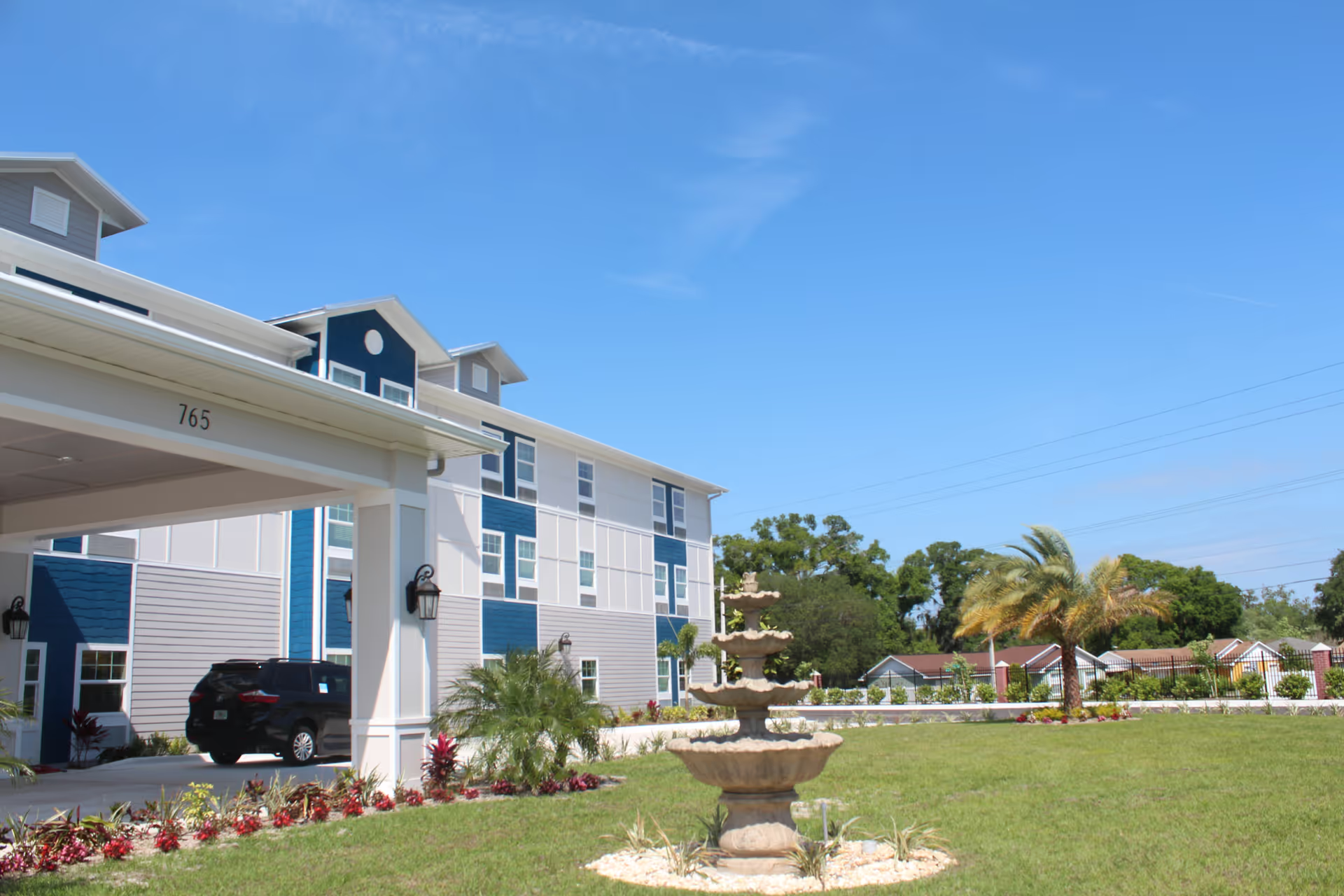
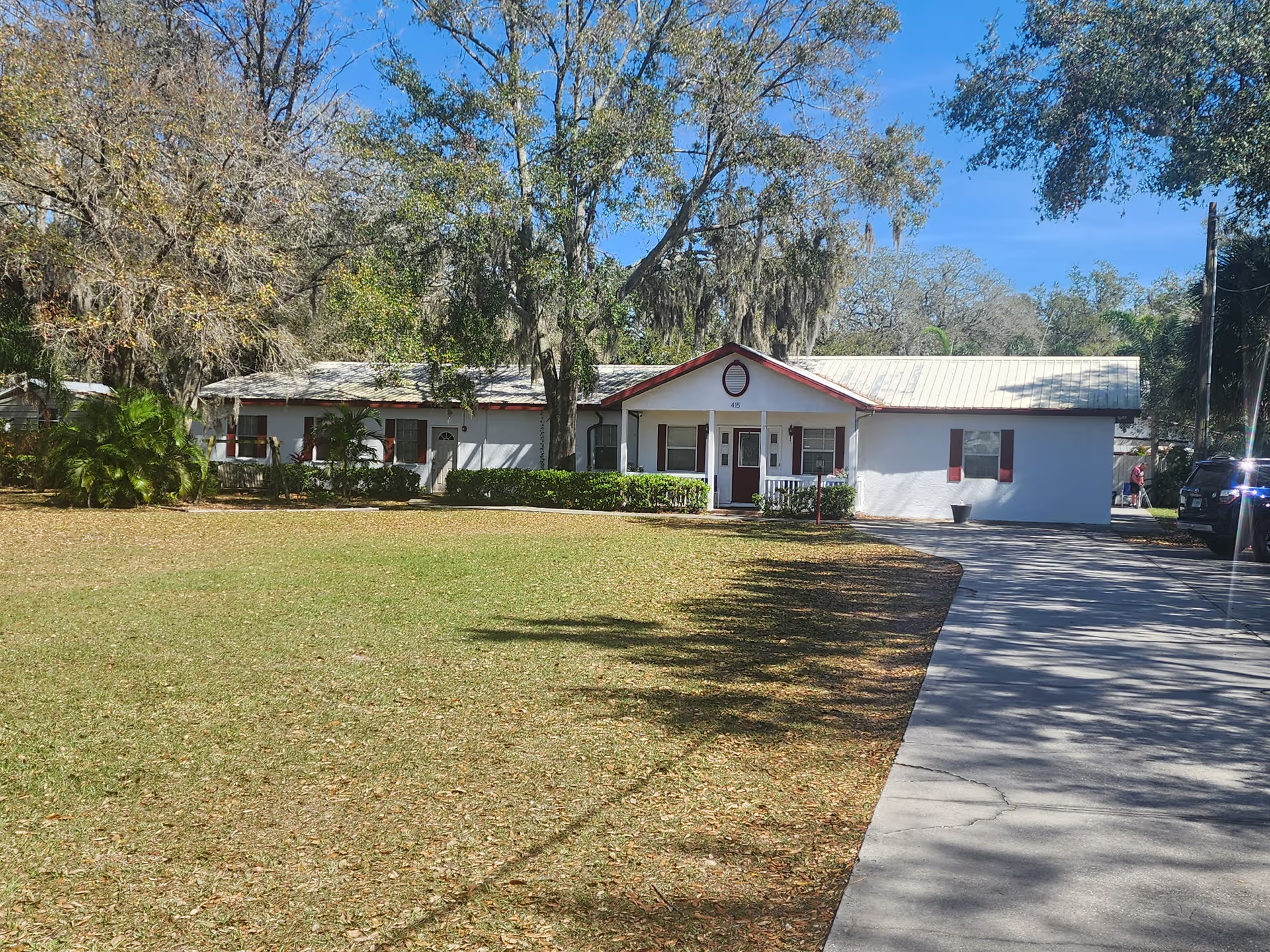
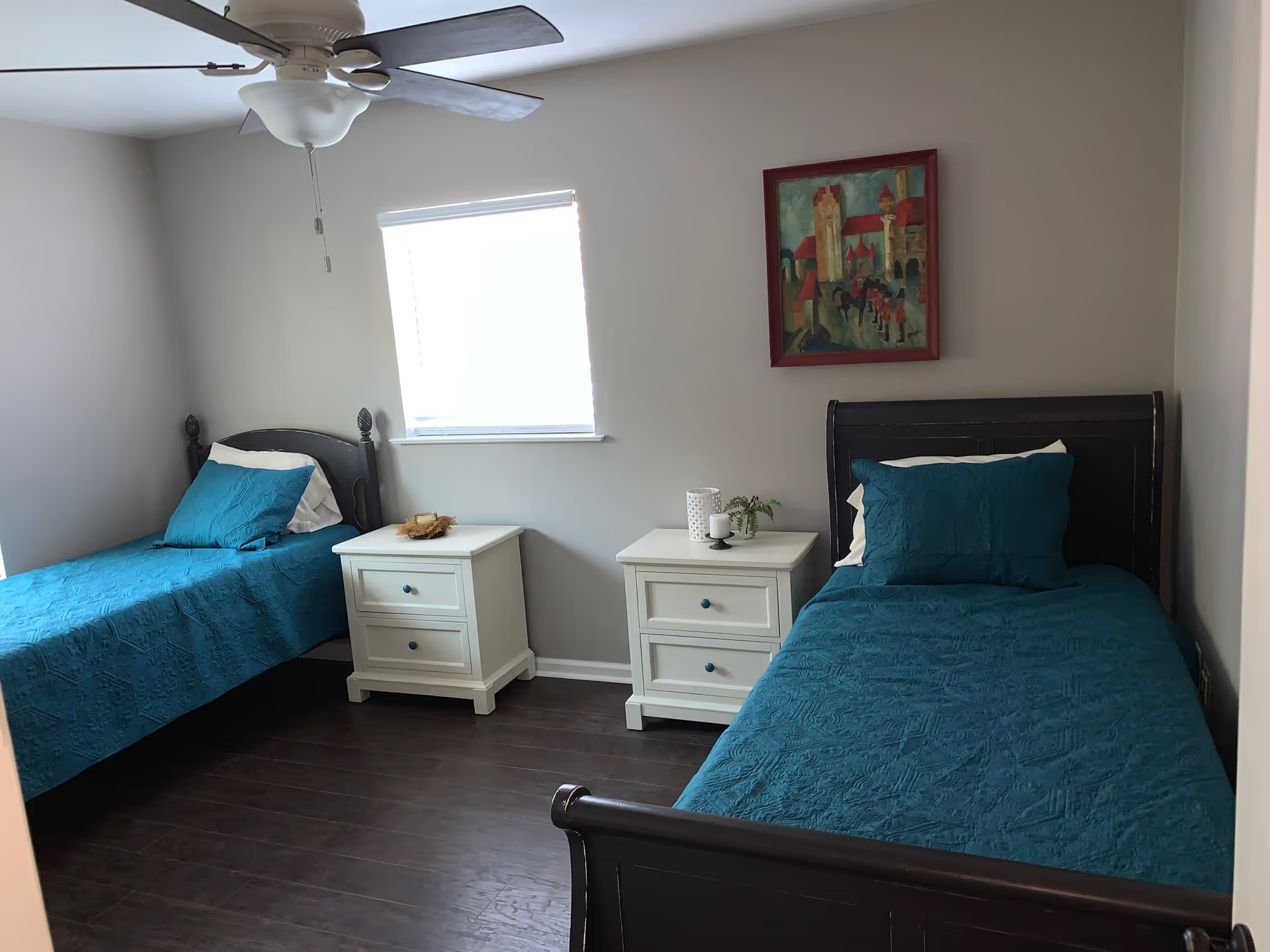
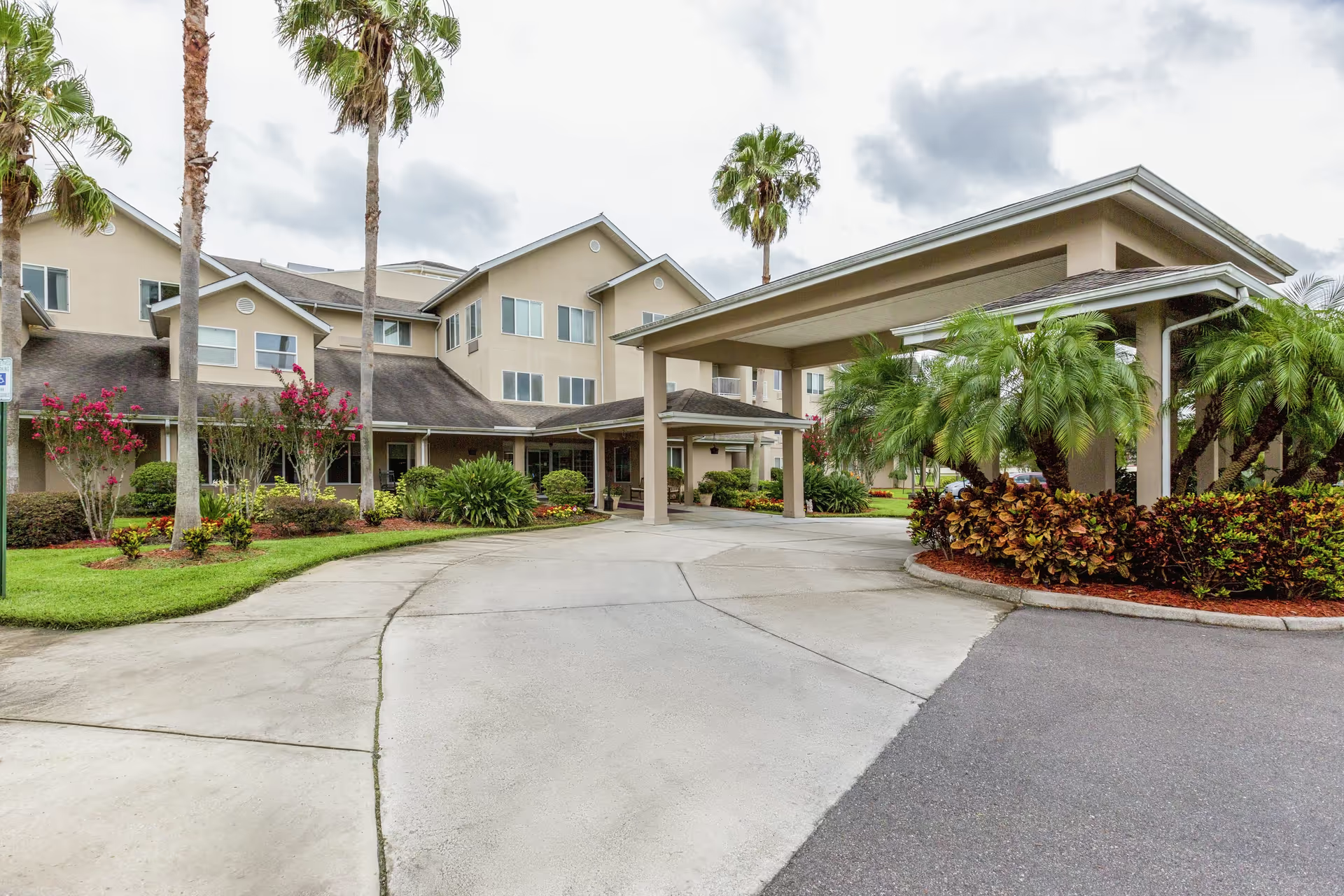
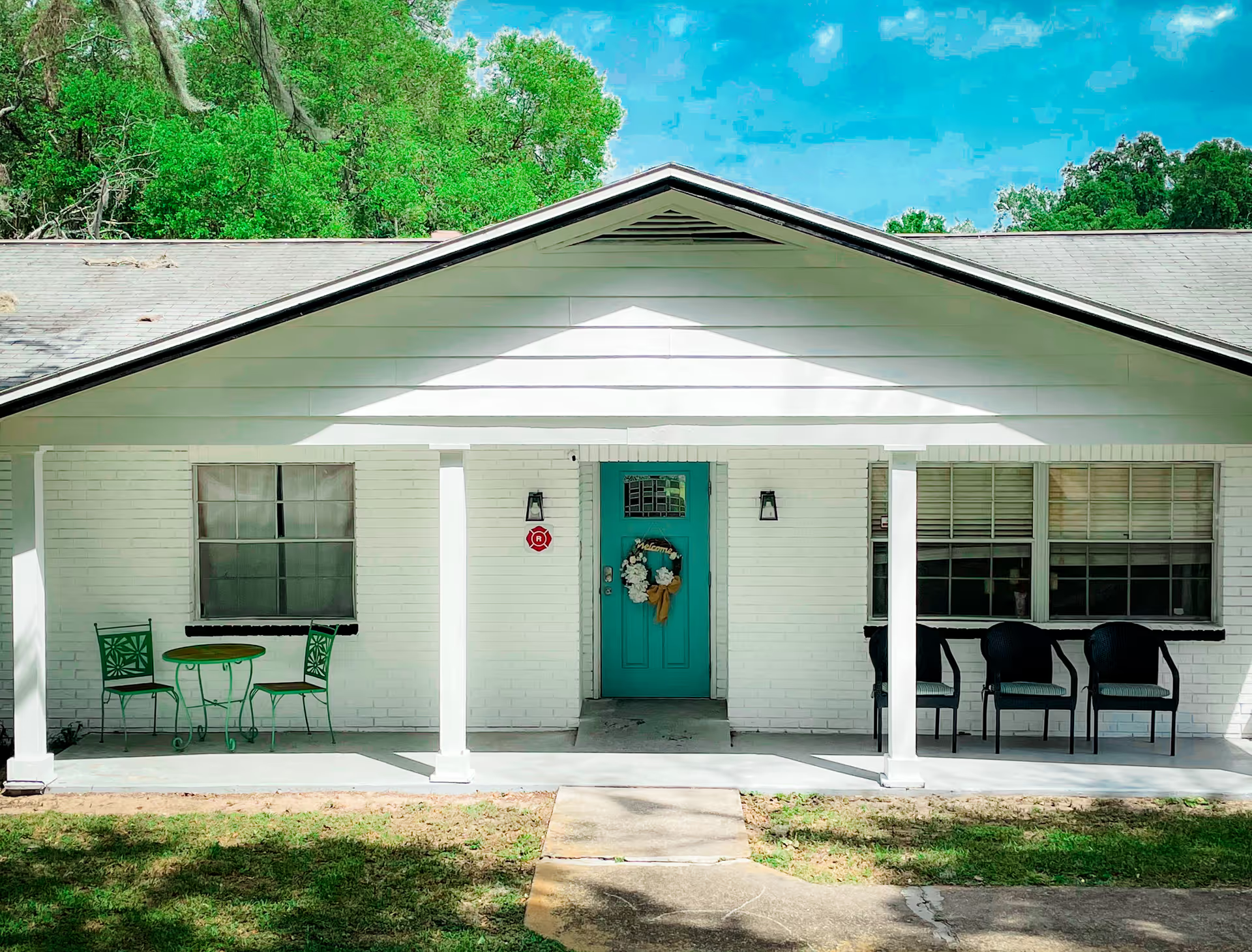
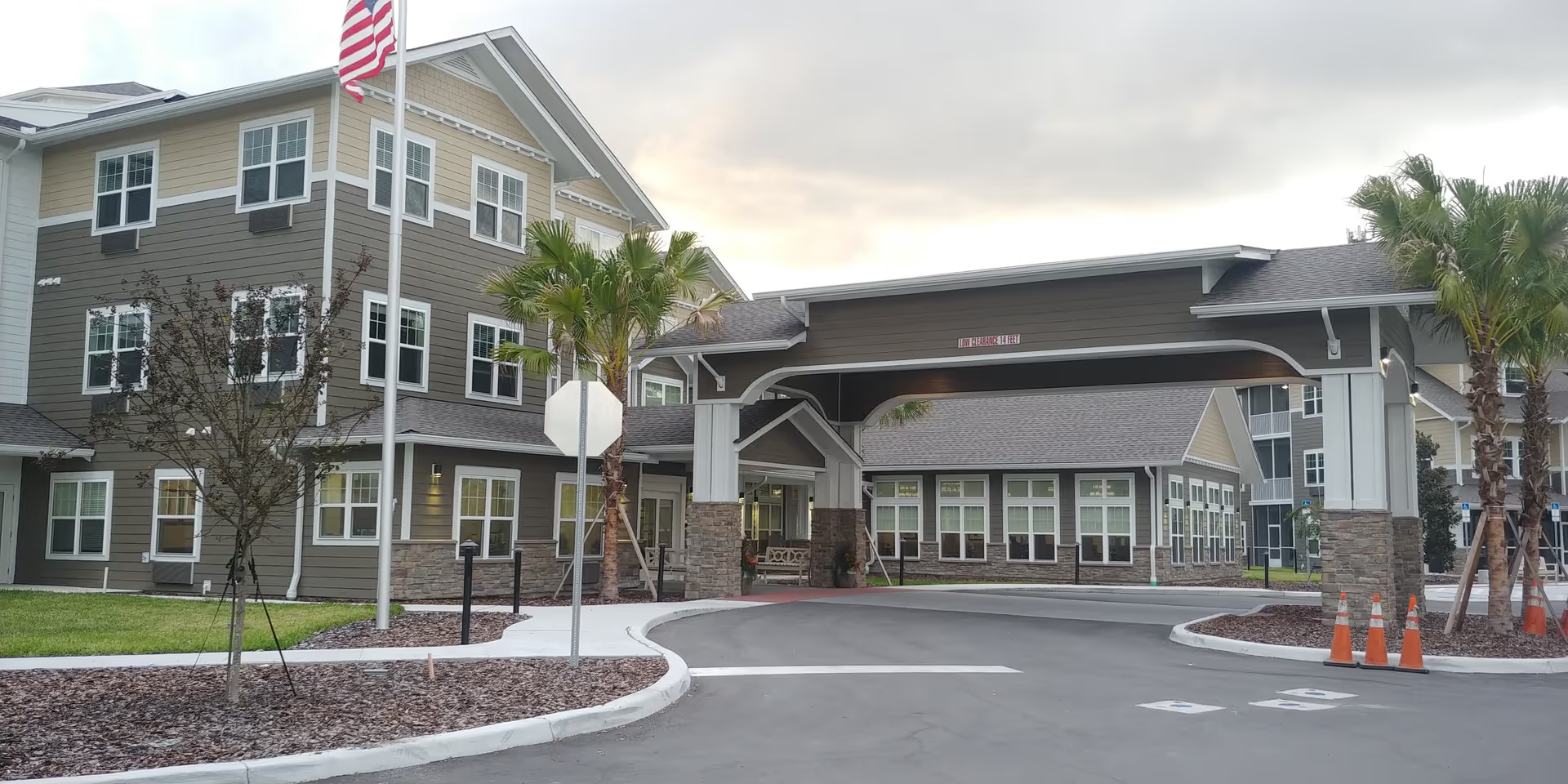
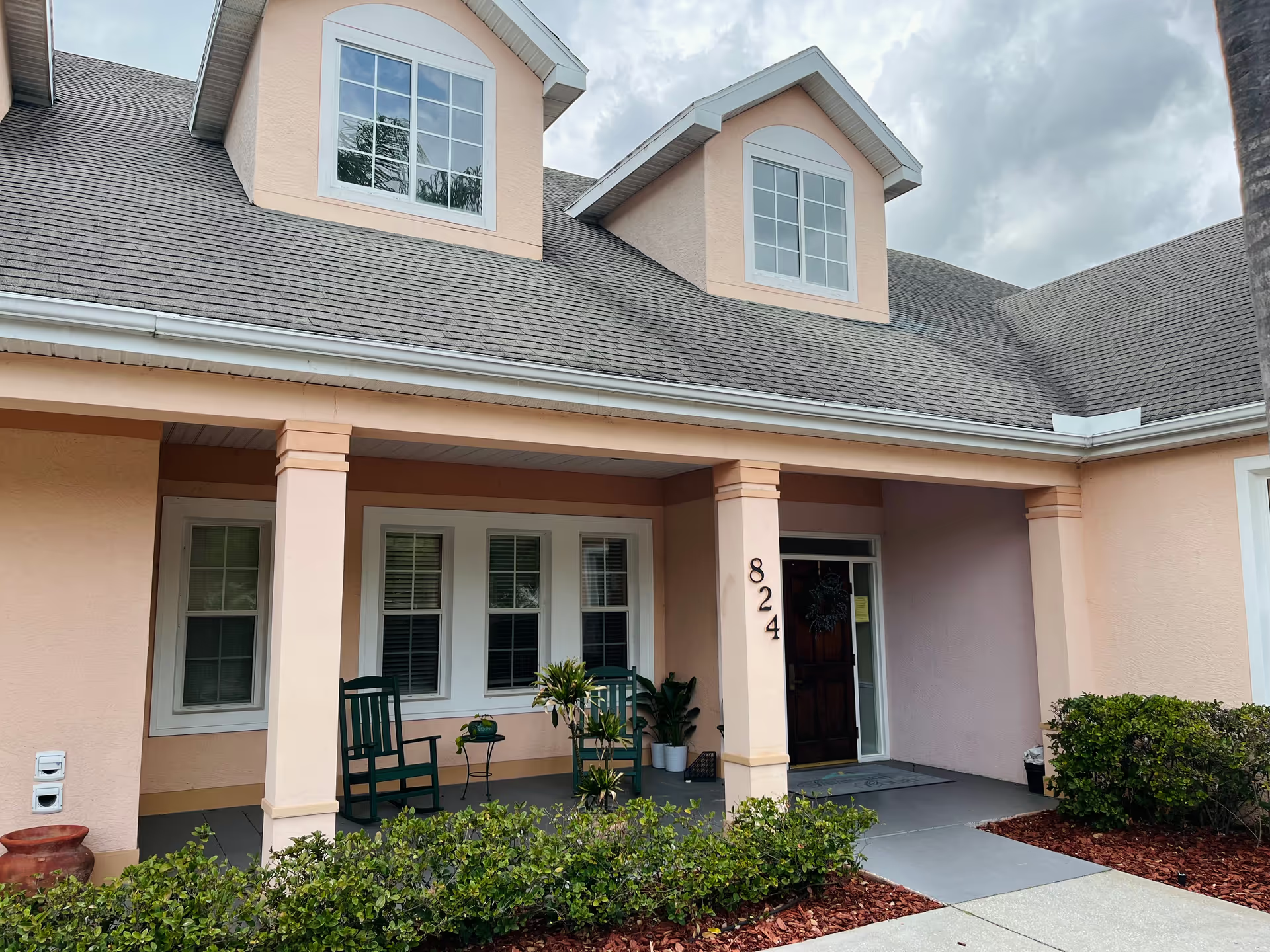
The building is commonly described as modern, bright, and attractive, with private apartments, accessible bathrooms, and a compact layout that can make it easier to get around. Some visitors, however, found rooms small or the courtyard and outdoor areas less inviting. Activities include bingo, exercise, music, social events, and selected outings; families value the activity staff, while others would like more varied outings, walking areas, or exercise facilities. On-site or visiting services such as physical and occupational therapy are cited as conveniences.
Costs and service details merit careful review. Some families found the price reasonable, while others considered the community expensive or were concerned about tiered care assessments and extra charges. Before moving in, families may wish to clarify what is included, how care needs are reassessed, what staffing and clinical services are available on each shift, and how concerns are escalated. Overall, the community’s attractive setting and strong personal connections are meaningful advantages, but the mixed accounts make verification of staffing, housekeeping, dining accommodations, and care processes especially important.