Reflections Memory Care of Port Orange presents a mixed but largely specific profile: many families describe a warm, engaging community with staff who provide compassionate, personalized care for residents with memory needs, while others raise operational and clinical concerns that suggest variability in day-to-day performance. Strengths most often cited include a strong, dementia-focused activity program, attentive CNAs/HHAs, a clean and hotel-like environment, and coordination with hospice providers for end-of-life needs. Several reviewers highlighted quick and effective social programming (music, exercise, pet visits, themed events) and meaningful resident engagement that appears to support mood and socialization for many residents.
Care and staffing portray a bifurcated picture. On the positive side, caregivers are frequently described as respectful, family-oriented, and knowledgeable about dementia care; some clinical leadership (medical director/med director) and nursing teams receive praise for medication management and emergency response. Conversely, other accounts indicate inconsistent clinical oversight, staffing shortages or hours cuts, and variability in weekend or off-shift coverage. Those operational weaknesses are associated with service delays, intermittent attention to bathing/linen needs, and concerns about monitoring that relate to falls and other safety events.
Dining and activities are clear strengths for many residents: chef-prepared meals, social dining, and a broad calendar of stimulating activities were repeatedly praised, and these programs were seen as contributing to residents’ quality of life. At the same time, a subset of families noted inconsistent meal quality, occasional perceptions of poor nutrition, and limited menu consistency. Activity staffing and leadership (notably the activities director) receive positive mention, though continuity of services can be affected when staffing is reduced.
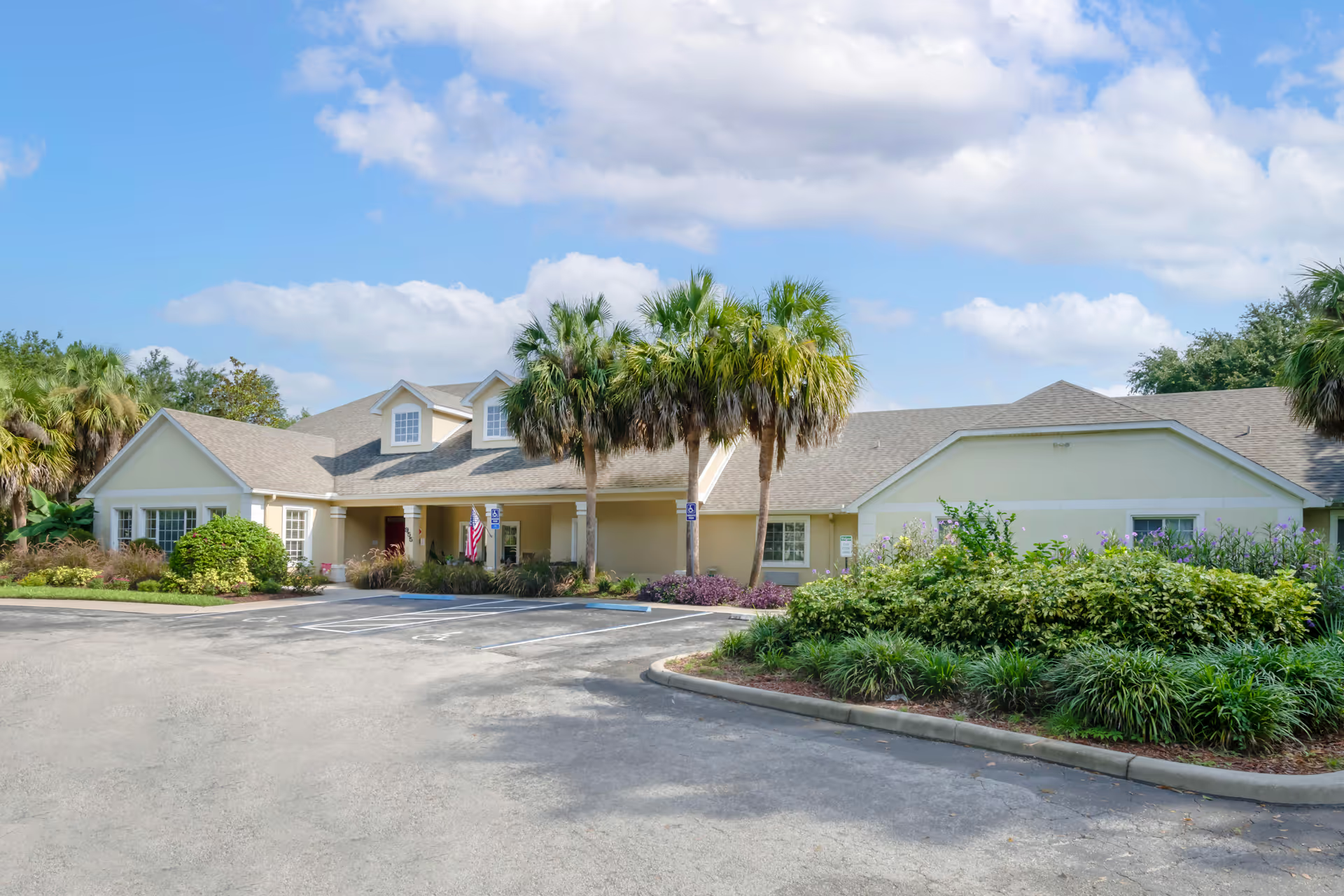
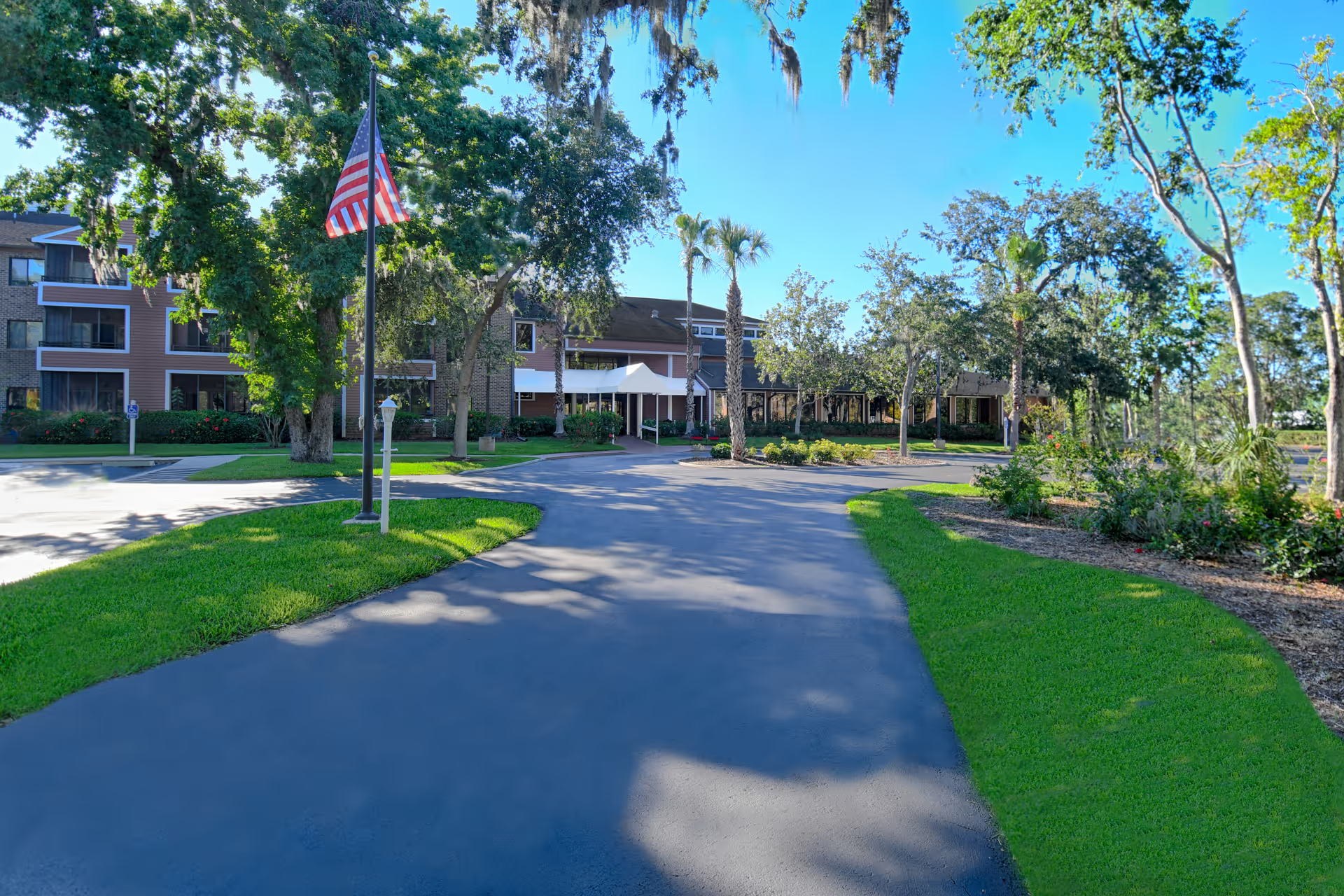
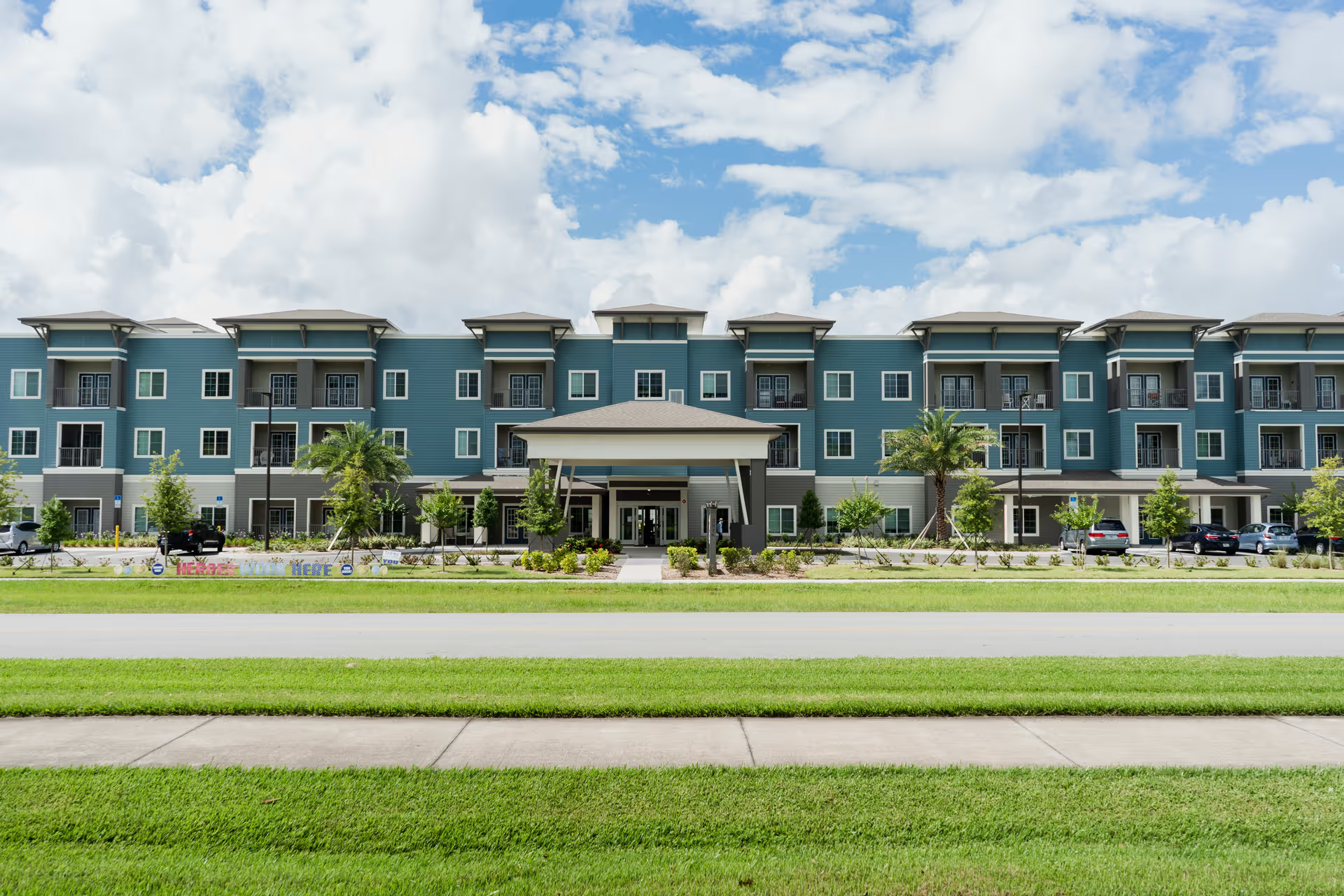
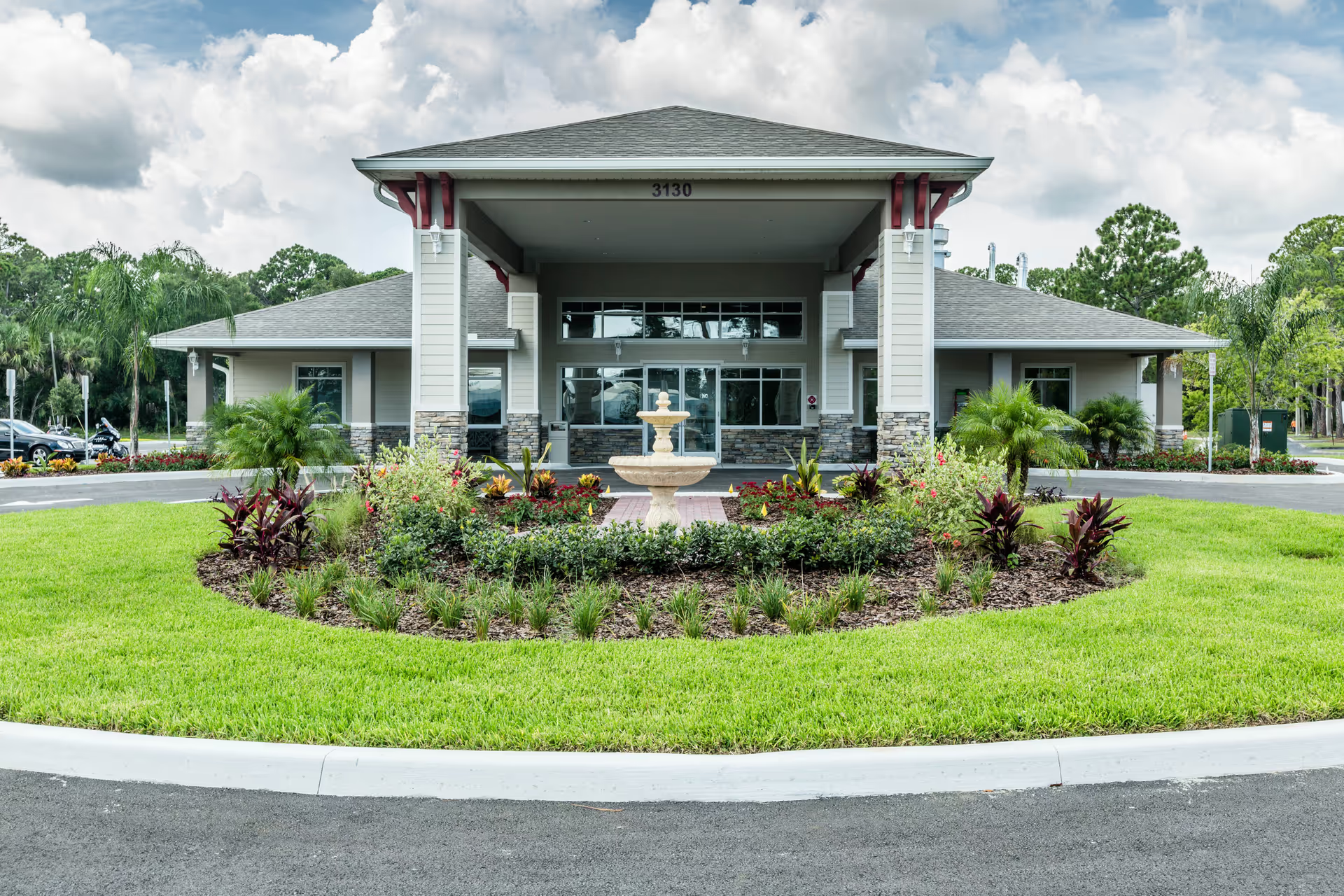
Facility and environment feedback is predominantly favorable: reviewers emphasize cleanliness, attractive common areas, outdoor space, and a secure setting appropriate for memory care. Some practical facility-level concerns appeared: smaller apartment sizes, shared-bathroom configurations in certain units, and isolated comments about odors or carpeting that need replacement. Overall, the physical plant is described as well-maintained and welcoming by most reviewers.
Management, communication, and corporate relations represent a recurrent area of mixed feedback. Positive reports describe supportive and present management who facilitate smooth transitions. However, many families described communication lapses, delayed responsiveness from administration or corporate offices, and promises (financial or otherwise) that were not followed through. A small number of reviews include more serious claims, including allegations of theft and unsafe handling; these items are serious and warrant direct inquiry and verification with the provider and regulators.
Notable patterns: the strongest signals are high satisfaction tied to direct-care staff and activity programming, and persistent operational concerns tied to staffing consistency, housekeeping schedules, and leadership responsiveness. Prospective residents and families should arrange a focused tour to observe staffing levels at different times of day, ask about weekend and evening coverage, review housekeeper/linen-change protocols, clarify communication pathways with site leadership and corporate, and ask how the facility tracks and responds to safety incidents. If clinical stability is a priority, verify current clinical oversight, medication-management practices, and how the facility partners with outside hospice or medical providers.