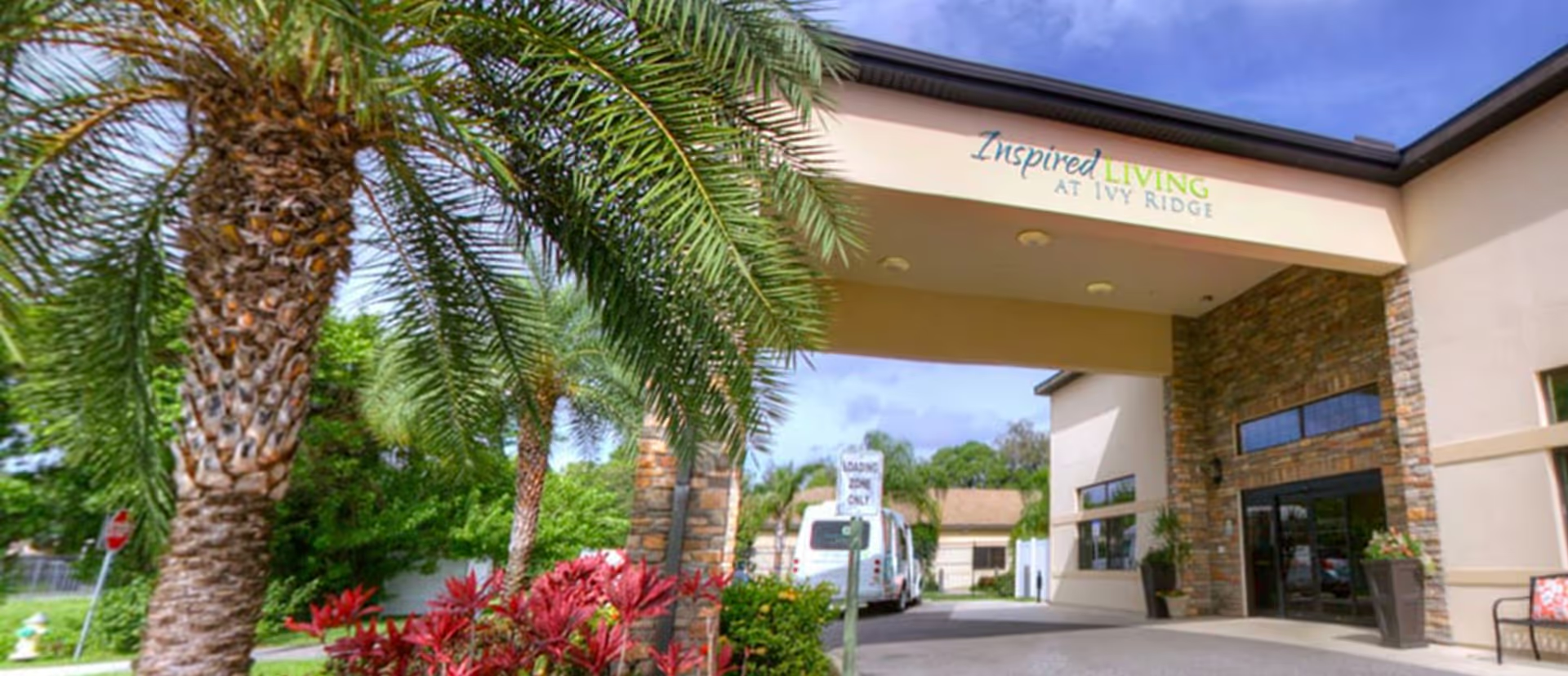
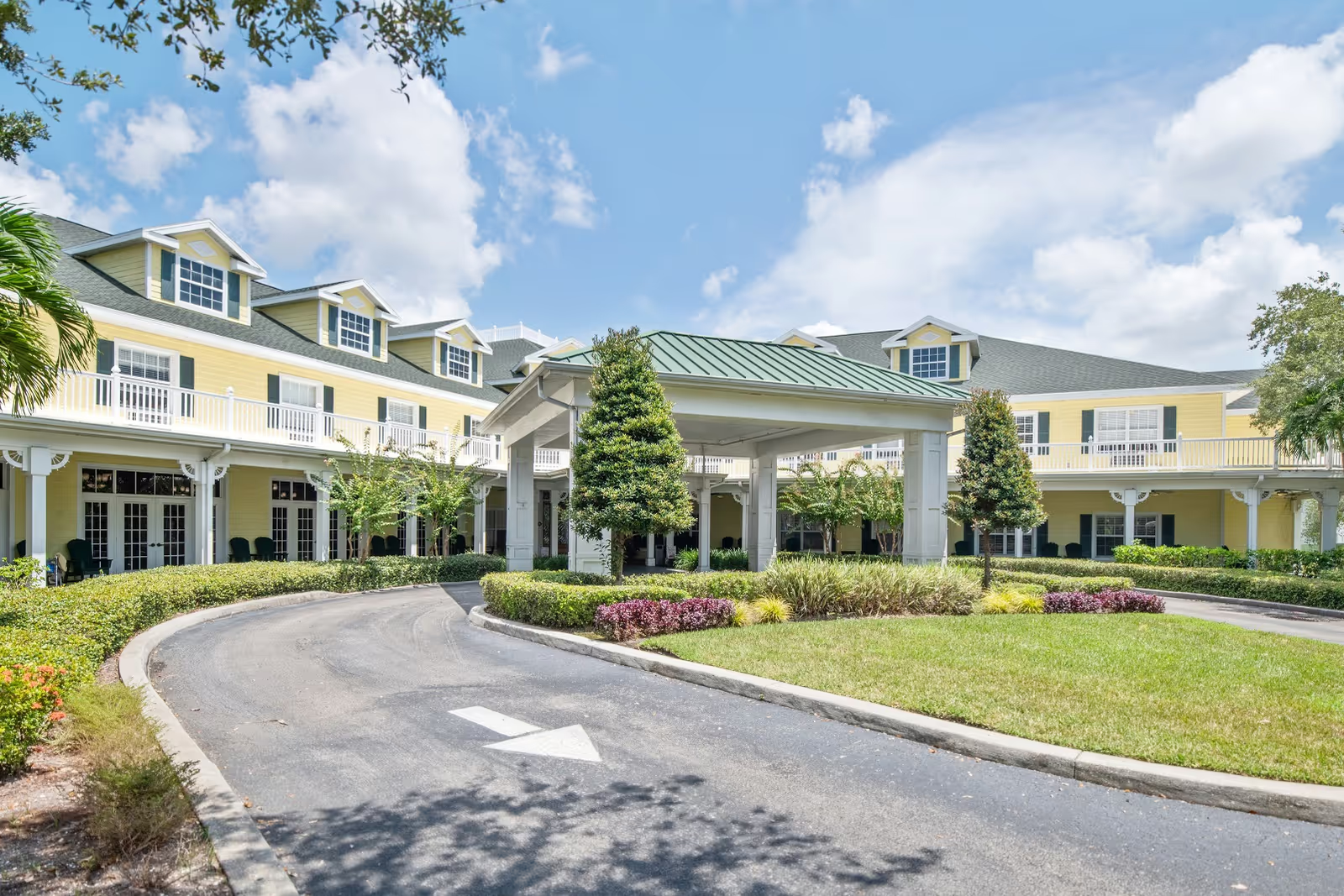
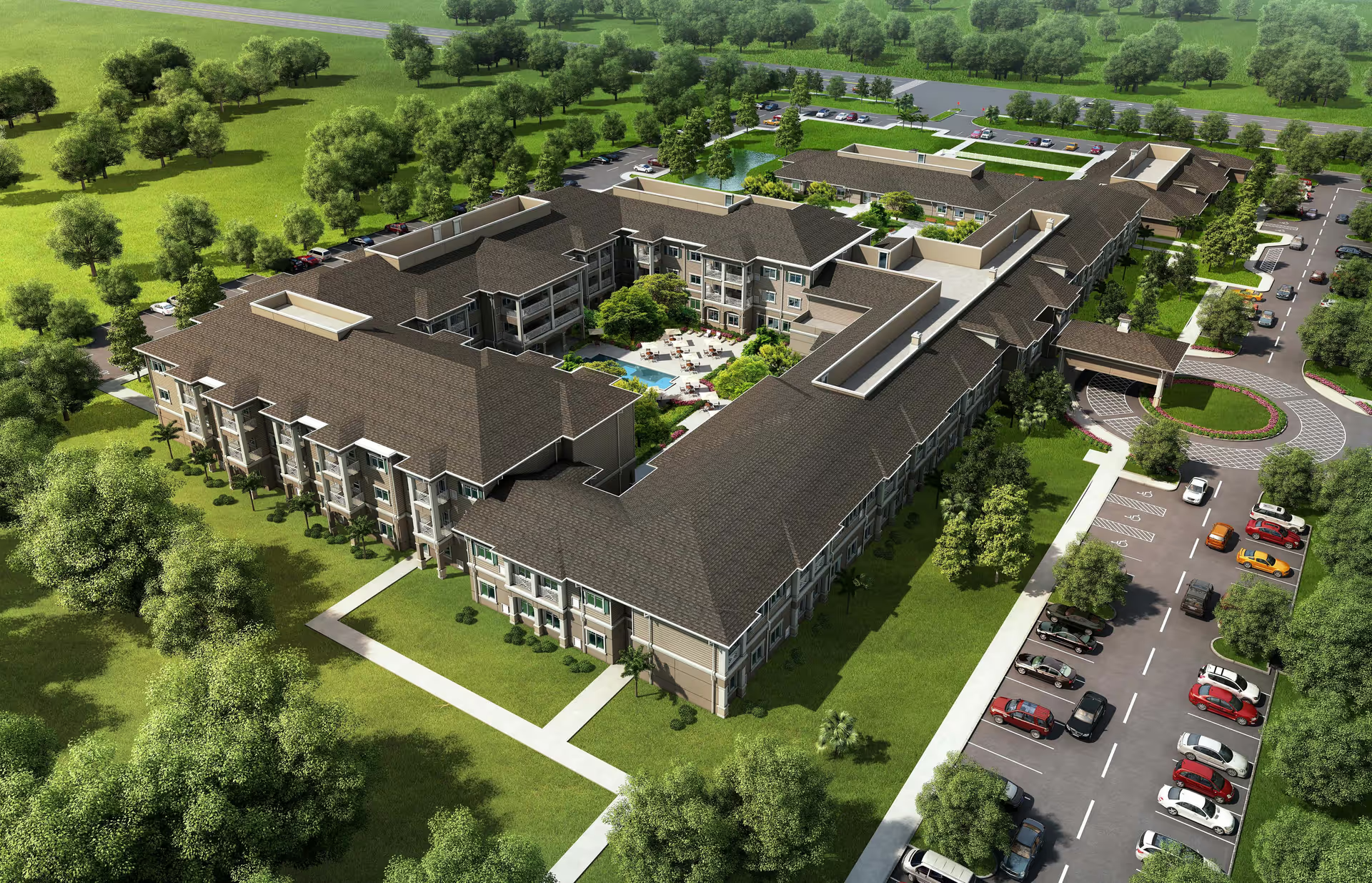
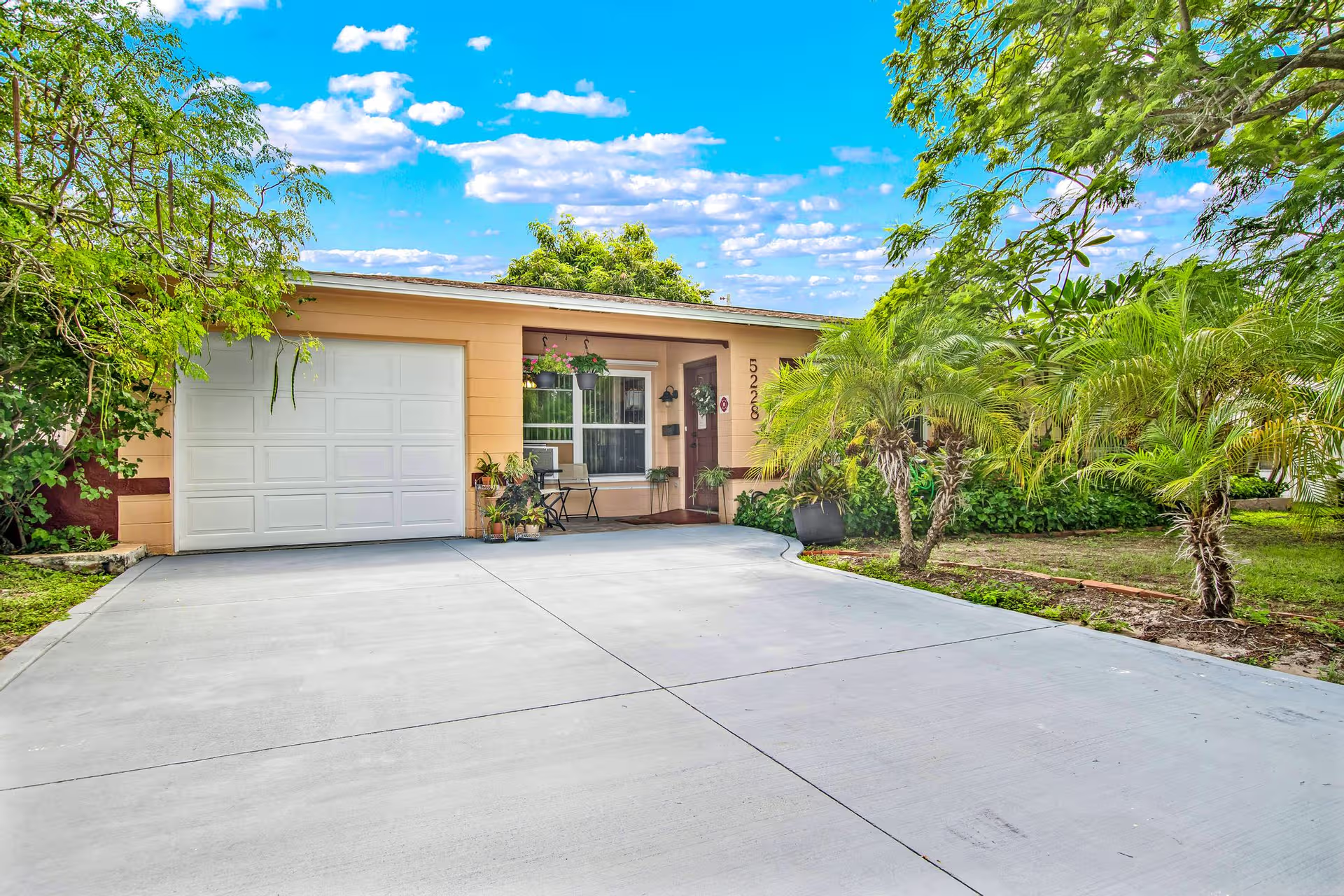
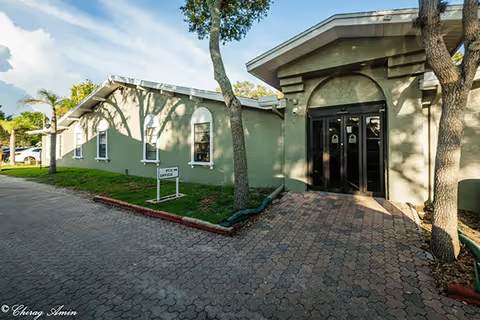
The Goldton at St. Petersburg elicits a mixed but broadly informative picture: many families and visitors praise a welcoming, well-kept physical environment and an engaged daytime staff, while recurring operational weaknesses create variability in the lived experience. The facility is frequently described as clean, modern, and attractively designed, with well-appointed common areas (movie room, billiards, library, chapel) and secure, accessible outdoor spaces. Admissions and tour interactions are often reported as helpful, and several reviewers highlighted a family-like atmosphere and responsive individuals on the care team.
Care quality observations are mixed. Positive comments emphasize compassionate, one-on-one attention from specific caregivers, consistent staff members (rather than agency personnel), and successful transitions for some residents. However, reviews also identify pattern-level concerns: medication-administration processes and pharmacy coordination appear inconsistent (examples cited include med reordering lapses and workflow interruptions), and there are gaps in overnight and weekend staffing that affect responsiveness. Several accounts point to delayed assistance after falls or other incidents and to inconsistent clinical communication with family members. Memory-care services, in particular, are described as uneven — while assisted living areas are often characterized as bright and engaging, the memory-care wing is described by multiple reviewers as under-resourced, with limited programming, smaller rooms, and a duller ambiance.
Dining and activity programming receive varied feedback. Many residents and families compliment the meals, snacks, and social dining areas; activities such as music, bingo, happy hour, karaoke, and exercise classes are cited as quality-of-life strengths when staffing and scheduling allow. At the same time, some reviewers describe intermittent declines in meal quality, limited dietary accommodations (for example, diabetic-friendly options), and interruptions to meal service when caregiving staff are pulled away for other duties. Activity coverage is uneven across units: assisted living often shows a fuller calendar, whereas memory-care activities and escort services are sometimes limited or in development.
Facility operations and maintenance show a similar split. The building is generally described as new, clean, and attractively furnished, but reviewers also note isolated maintenance issues (broken equipment, unfinished landscaping, nonfunctional fountain) and sanitation or pest-control concerns in particular areas. These operational inconsistencies extend to administrative matters: several families described unclear or delayed communication during an ownership/management transition, unexpected rent increases or billing disputes, and variable responsiveness from leadership. A small number of serious allegations — including concerns about employee substance use and questions raised after adverse clinical events — were included in reviews and should prompt direct inquiries during a tour.
Overall, The Goldton presents strengths in its physical environment, daytime staffing, and social offerings, making it a good fit for families prioritizing community amenities and daytime engagement. The most consistent cautions relate to after-hours coverage, medication and clinical-process reliability, memory-care resourcing, and certain maintenance/sanitation issues. Prospective families should tour multiple times, ask specific questions about overnight staffing levels, medication management and pharmacy procedures, memory-care programming and escort services, dietary accommodations, pest-control practices, and written policies on billing and rent changes to determine whether the facility’s operational practices meet their expectations.