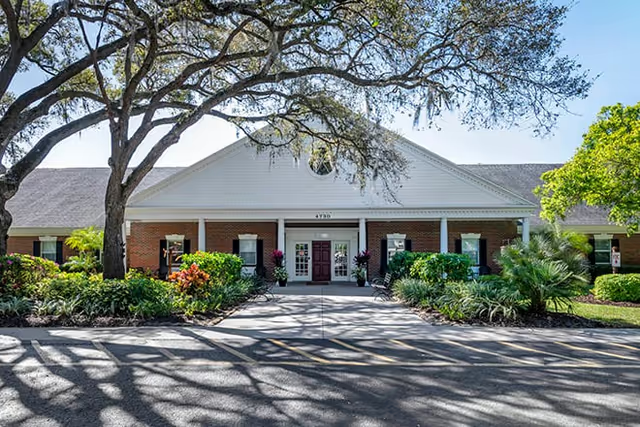
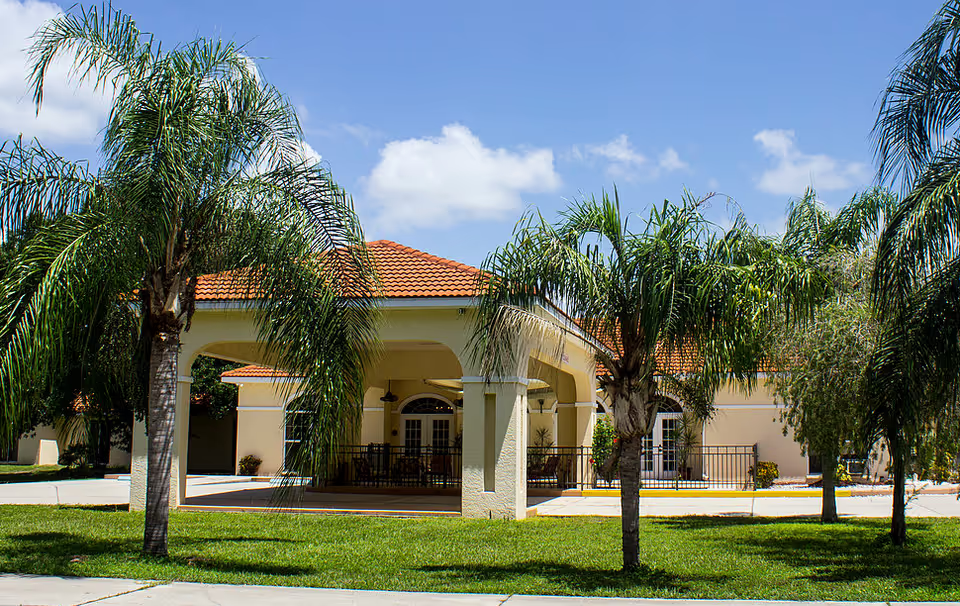
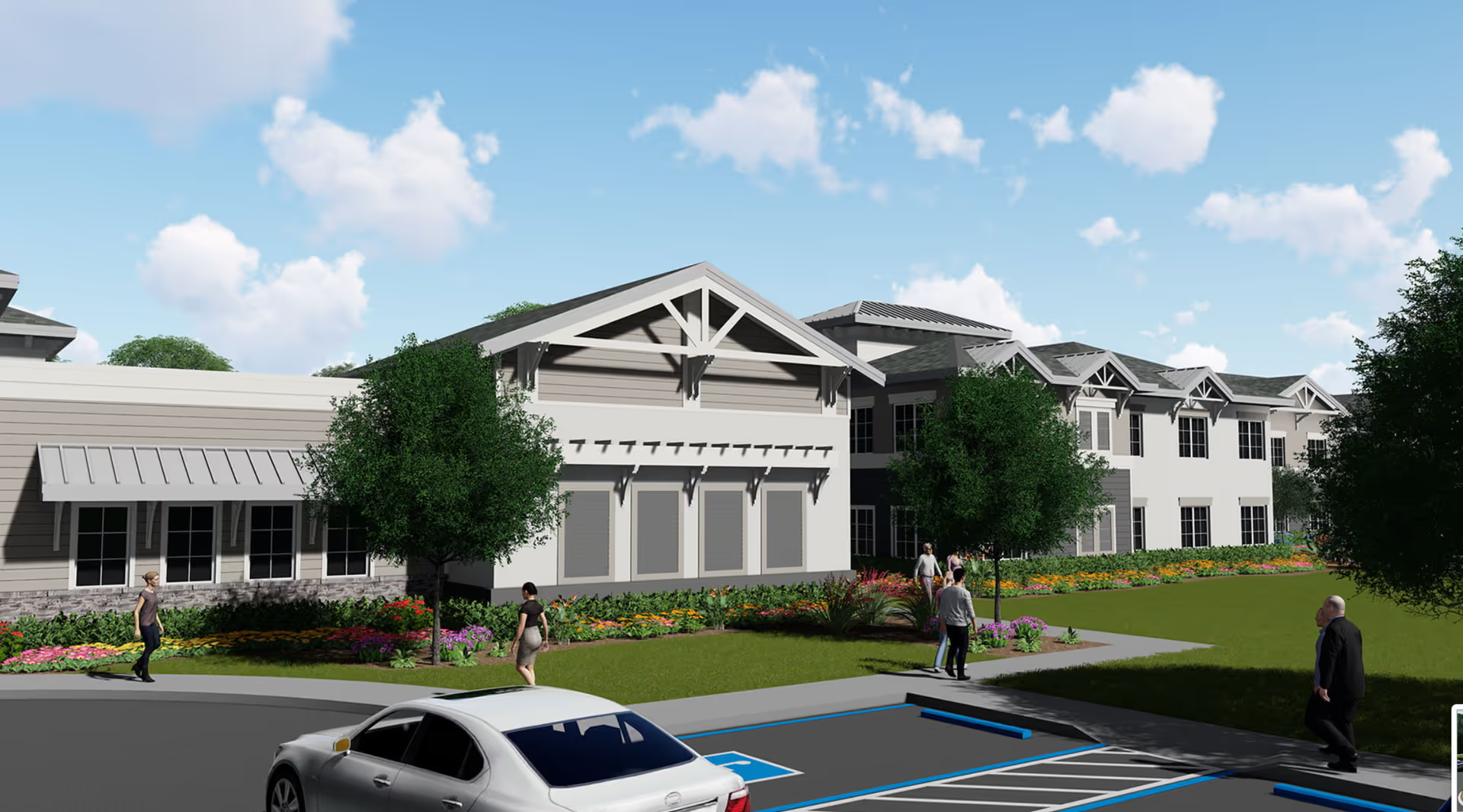
Heron East receives considerable positive feedback for its interpersonal and community strengths. Many families and residents describe warm, attentive caregiving, long‑tenured staff members, and an active life‑enrichment program led by an engaged Activity Director. The community offers frequent live entertainment, happy‑hour events, and organized outings; on‑site therapy (PT/OT) and a salon are noted as useful services. The campus and interior common areas are often described as clean and well maintained, with attractive grounds including gardens and a pond. Admissions and move‑in processes are frequently characterized as organized and welcoming.
Clinical care and day‑to‑day assistance elicit mixed impressions. While rehabilitation teams and many CNAs are praised for restoring confidence and independence, reviewers also describe variability in direct care continuity: staffing shortages, turnover, intermittent unresponsiveness to call bells, and inconsistent personal‑care scheduling (bathing, assistance after incontinence events). There are also multiple comments that suggest gaps in medication‑administration practices and in timely clinical incident response. A number of reviews raise serious concerns — including clinical‑incident follow‑up and pest‑control — that prospective families should investigate directly with the facility and during an in‑person visit.
Dining and hospitality are polarizing. Several reviewers highlight homemade‑style meals, pleasant dining service, and tasty snacks, while others describe inconsistent food quality, cold plates, and institutionalized menu items. Meal timing and the requirement to dine in the dining room at scheduled service times are noted constraints for some residents. Families considering Heron East should ask about menu rotation, accommodations for special diets, and how the kitchen handles temperature and plating consistency.
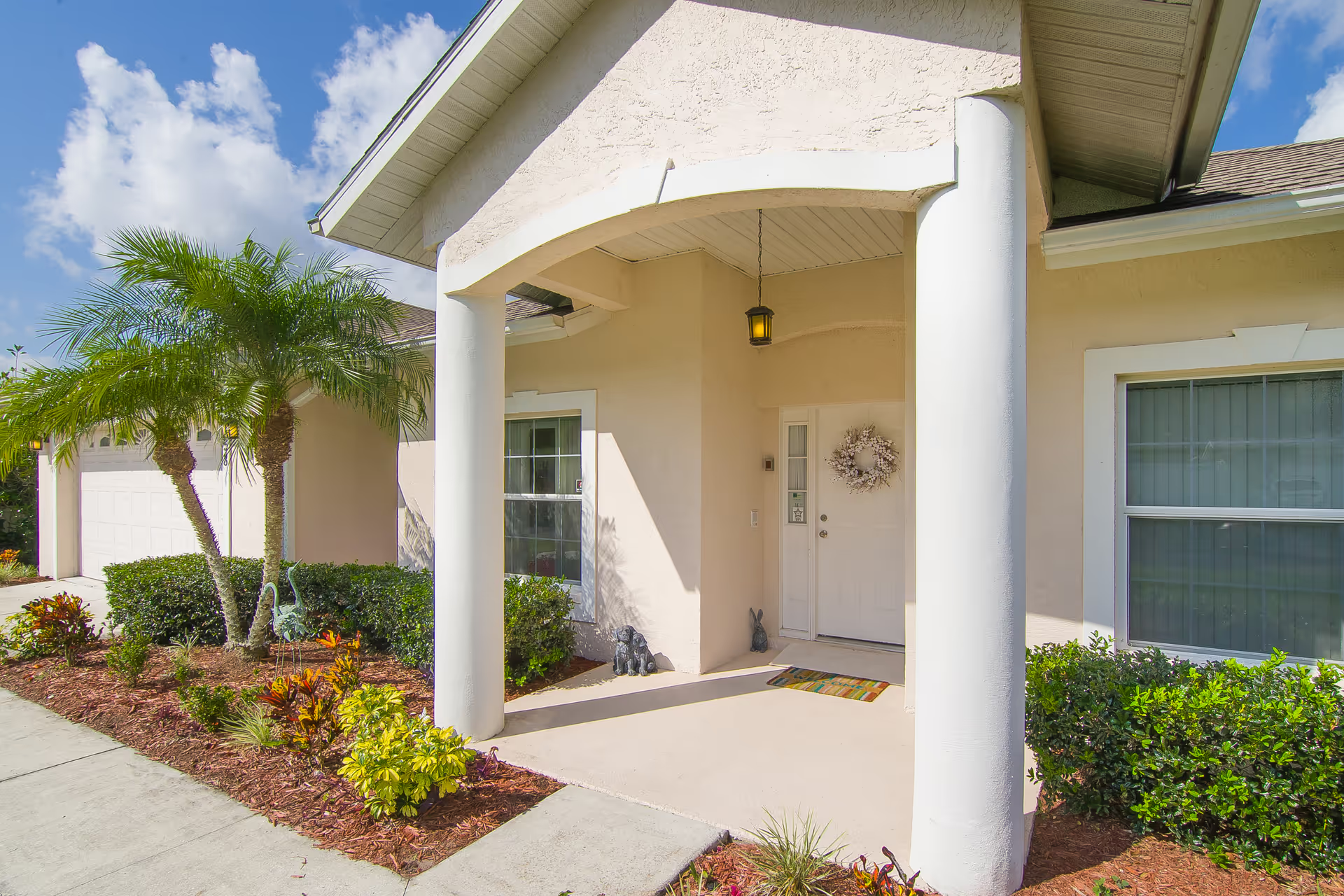
Facilities and layout are generally favorable for mobility and socialization: single‑floor circulation, multiple courtyards, communal spaces such as a library and game room, and private rooms with baths. However, many studio and one‑bedroom units are described as compact; equipment like larger wheelchairs or walkers can make some rooms feel tight. There is limited in‑room kitchenette availability, and prospective residents should confirm room sizes and accessibility based on individual mobility needs.
Management and administrative themes recur across reviews. Admissions and marketing staff are often credited with helpful, compassionate interactions and smooth move‑ins, but ongoing family communication, billing transparency, and timely administrative responsiveness are areas of concern. Specific operational issues cited include unclear ancillary fee structures, problems sending documents to hospitals or coordinating POA directives, and perceptions of pressure to fill vacancies. Prospective residents and families are advised to request written policies on billing, 24‑hour clinical coverage, infection‑control procedures, communication protocols with POAs, and pest‑control documentation.
Overall, Heron East appears to offer a warm, activity‑rich environment with strengths in staffing relationships, therapy services, and attractive outdoor spaces. At the same time, the facility shows recurring operational weaknesses that can affect clinical continuity and family communication. Visit in person, tour multiple room types, meet nursing leadership, review staffing ratios and RN coverage, examine recent inspection or pest‑control records, and request clear written explanations of fees and emergency‑transfer protocols before deciding.