Overall impression: The Villas at Killearn Lakes is presented across reviews as a small, villa-style assisted living community that emphasizes a home-like atmosphere, close staff–resident relationships, and a robust activity and dining program. The dominant theme is individualized, person-centered care delivered in intimate houses rather than a large institutional setting. Families consistently praise the warmth and attentiveness of caregivers, onsite nursing support, and frequent communication from administration.
Care and clinical services: Multiple accounts describe in-house nursing oversight, LPN coordination of medication and labs, and periodic physician and therapy visits. Reviewers cite effective medication adjustments and measurable clinical improvements for some residents. Staffing levels are frequently framed as a strength (examples include two caregivers per villa and caregiver ratios described as low as roughly 1:6), and reviewers credit that staffing model for close monitoring and rapid response to routine needs. That said, clinical continuity and medical-care responsiveness are not uniformly described; a minority of families noted variability in medical attention and recommended confirming clinical capabilities for complex needs prior to placement.
Staff and management: The management team and executive leadership receive consistent praise for responsiveness, transparent communication, and a family-oriented approach. Staff are described as professional, compassionate, and relationship-oriented; many reviewers speak to long-term caregiver continuity, staff going "above and beyond," and caregivers attending important family events. There are isolated criticisms pointing to caregiver turnover or a revolving door of aides in some periods, indicating that staffing consistency can vary over time. Ownership’s local investment and hands-on administration are seen as positive factors in operations and culture.
Dining and activities: Dining is repeatedly highlighted as a strong element. Meals are prepared from scratch, served family-style in each villa’s great room, and described as customizable and punctual. Reviewers note appealing aromas at mealtime and encourage resident participation in food preparation or dining routines. The activities program is described as comprehensive and energetic with daily schedules of social, musical, and physical activities (bingo, mocktail hour, chair exercise, walking groups, guest musicians, arts and crafts, pet therapy). An active activities director and a community-oriented calendar are commonly mentioned.
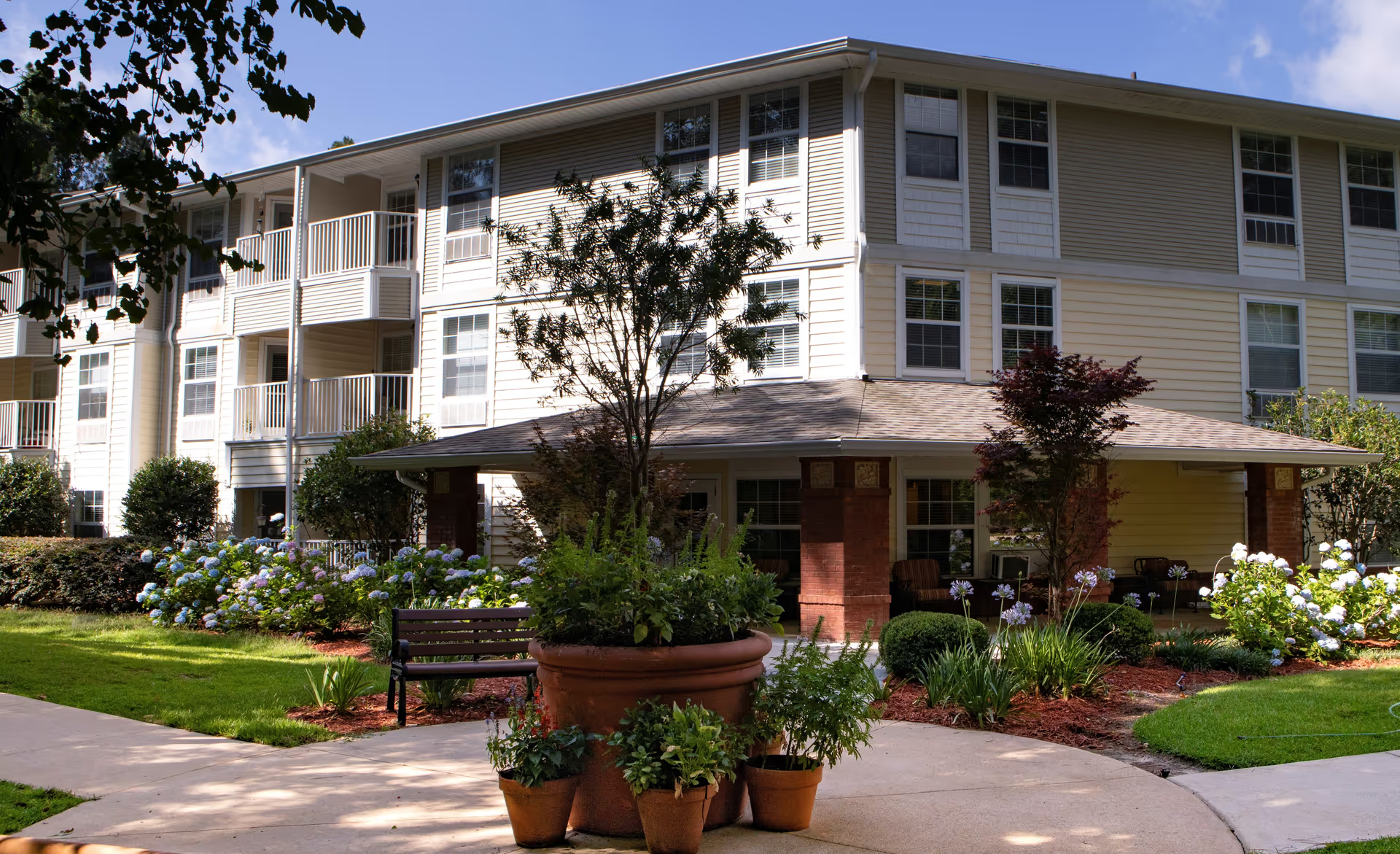
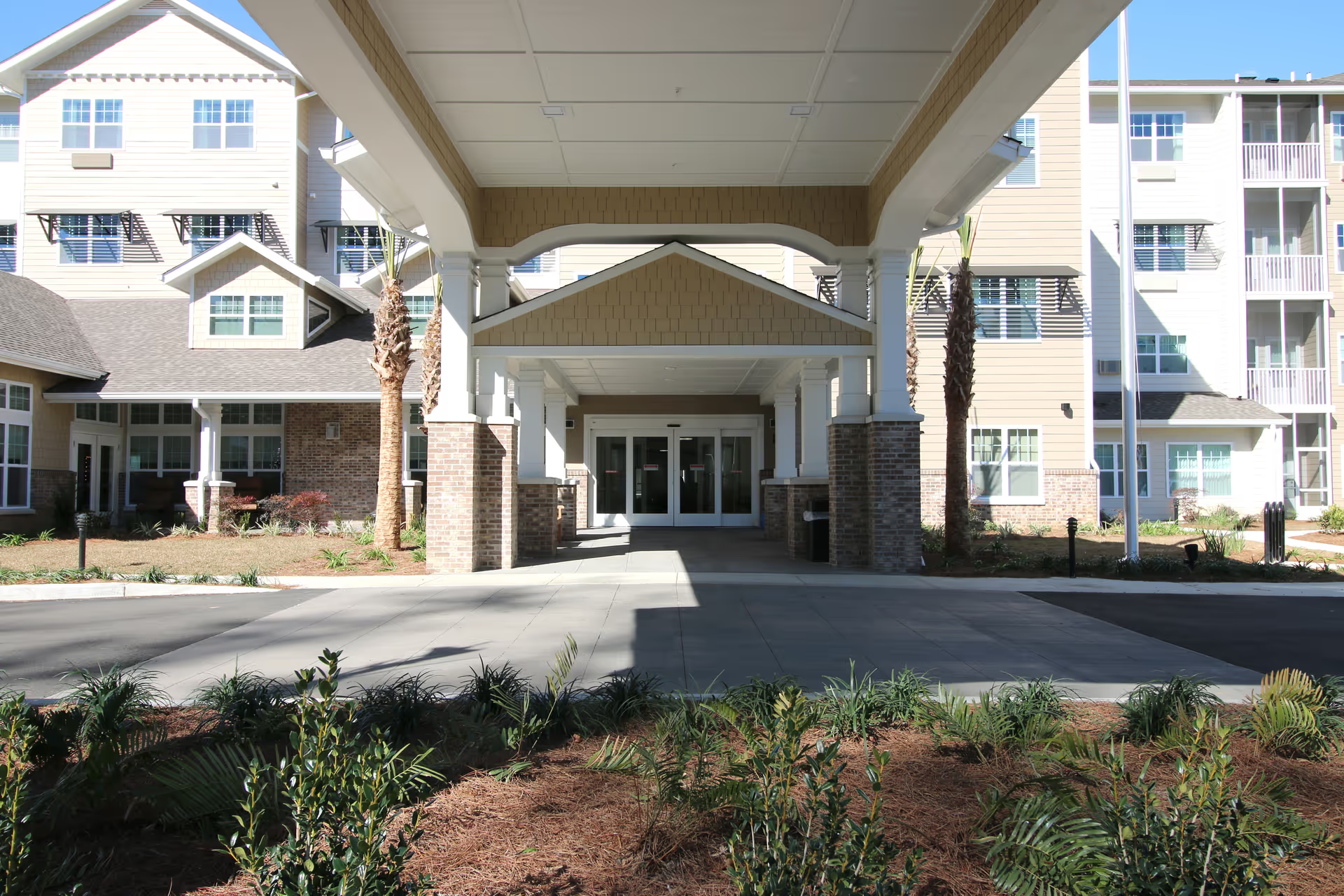
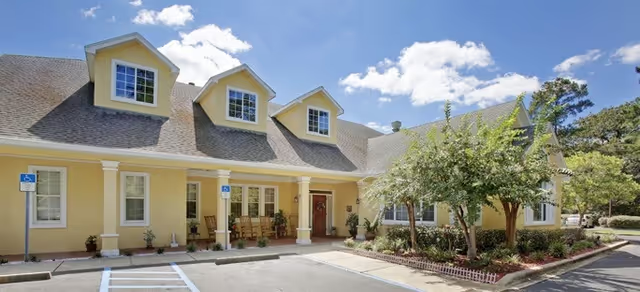
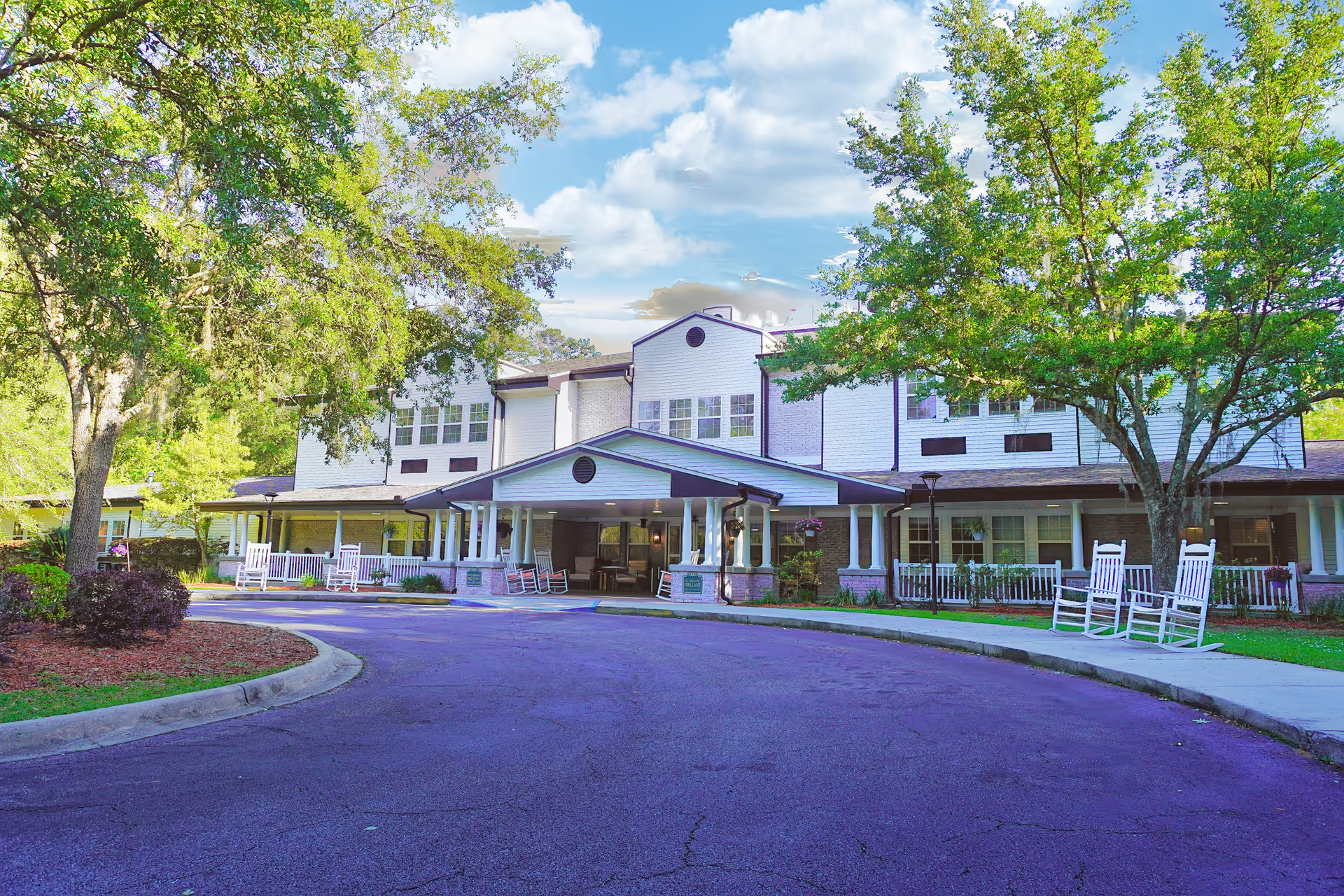
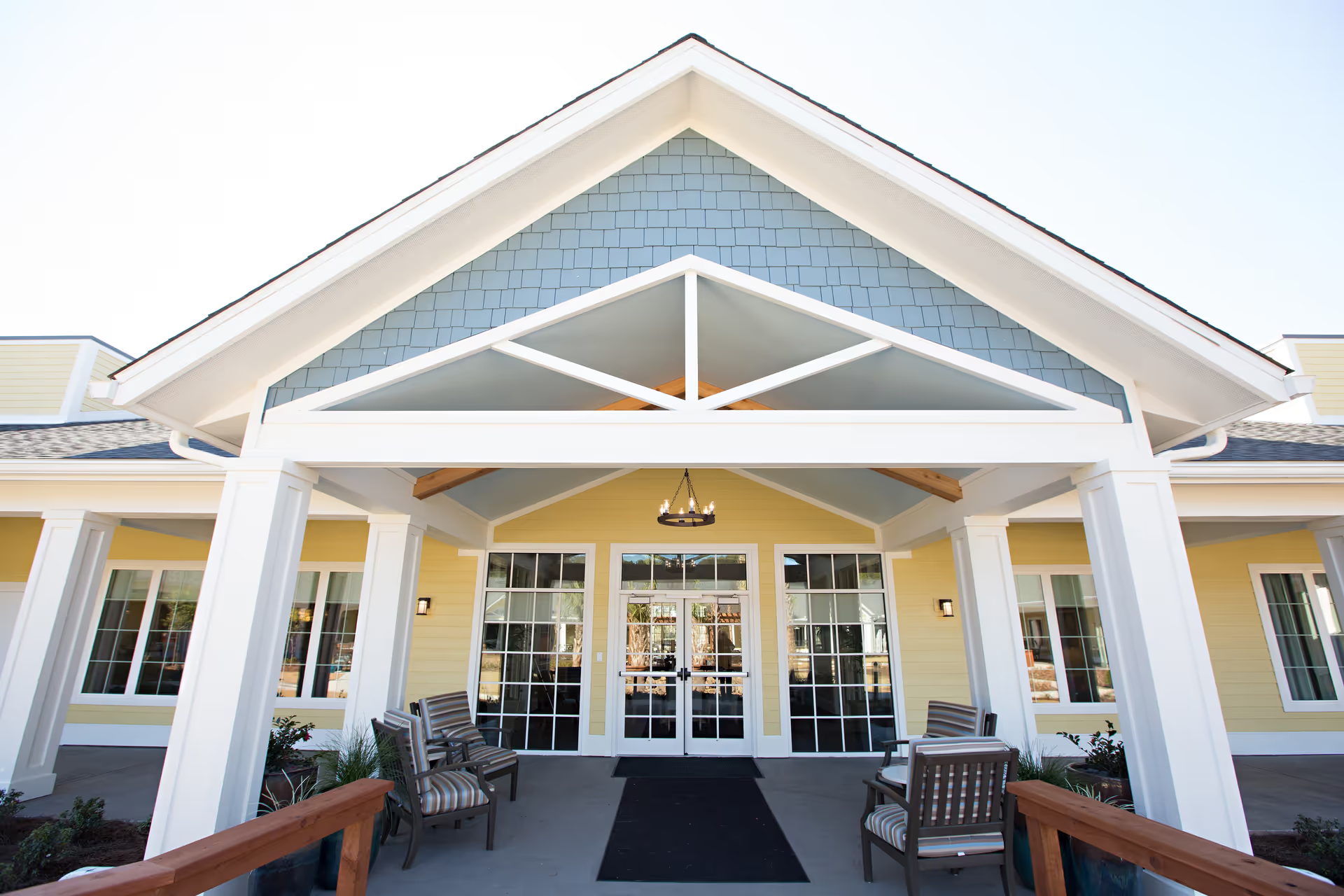
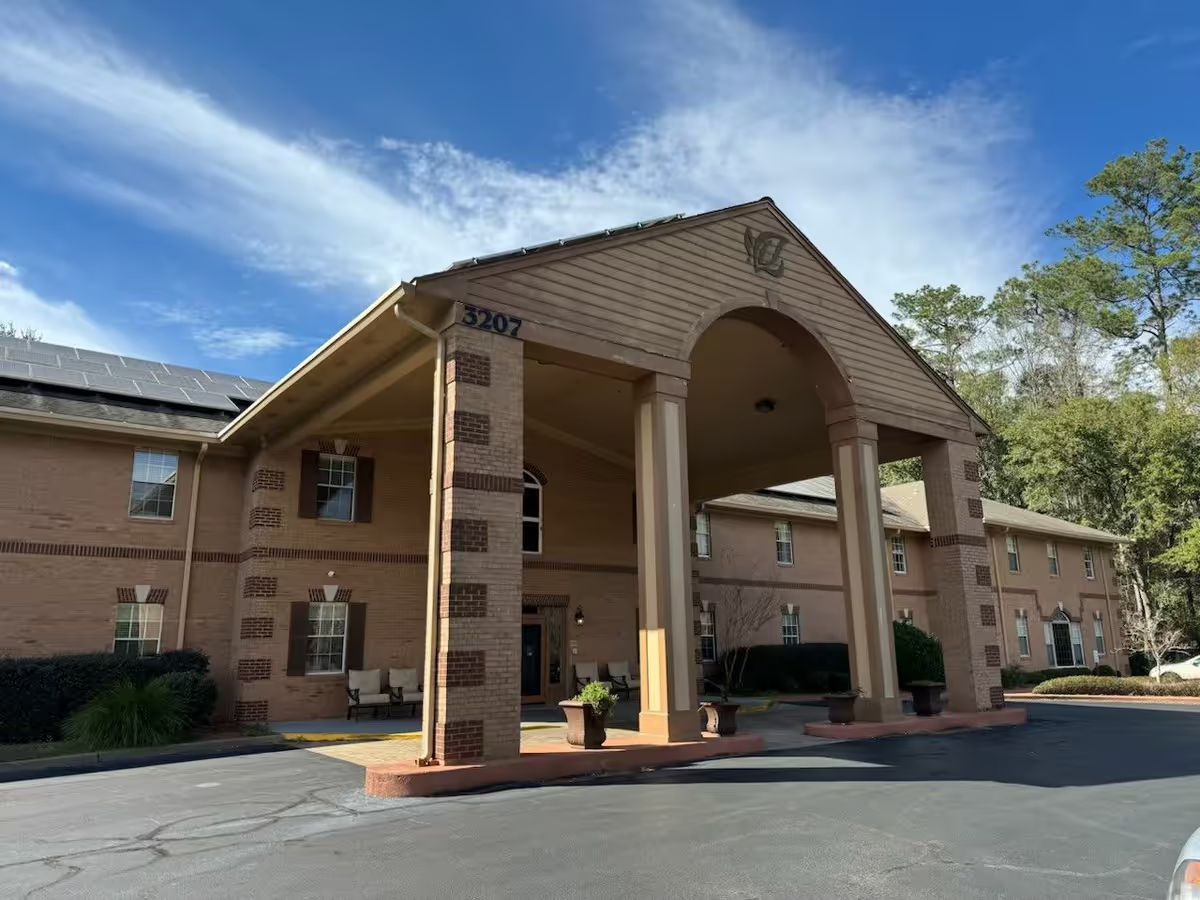
Facilities and safety: The physical design—six single-story, house-like villas with large private bedrooms and en-suite bathrooms—is a recurring positive. Central kitchens/great rooms create a focal point for social life. Grounds, covered porches for visits, gated entry, monitored walkways, and emergency preparedness (generators in each villa) contribute to perceived safety and comfort. Cleanliness and pleasant upkeep of rooms and common areas are commonly reported.
Notable patterns and cautions: Reviewers are strongly united about the facility’s strengths for typical assisted-living needs—social engagement, meal quality, and personalized caregiving. However, a clear pattern of concern involves management of progressive cognitive impairment and dementia-related behaviors. Several families described situations where staff struggled to safely manage advancing memory-care needs, and in some cases relocation or family-funded private caregiving was needed when needs escalated. A small number of accounts praise the memory-care approach, but the overall pattern advises caution: prospective residents with significant or progressive memory impairment should have a detailed clinical discussion and clear escalation plan before placement. Other operational concerns, mentioned less frequently, include occasional variability in clinical continuity, intermittent staff turnover, and the potential for extra out-of-pocket costs for certain ancillary services or premium meal options.
Bottom line: For residents seeking a small, home-like assisted living environment with strong social programming, scratch-made meals, and highly engaged caregivers, the Villas at Killearn Lakes presents as a compelling option. Families considering placement for individuals with progressive dementia or complex medical needs should verify the facility’s current staffing, clinical protocols, and contingency plans for escalating care needs, and budget for potential ancillary service fees if applicable.