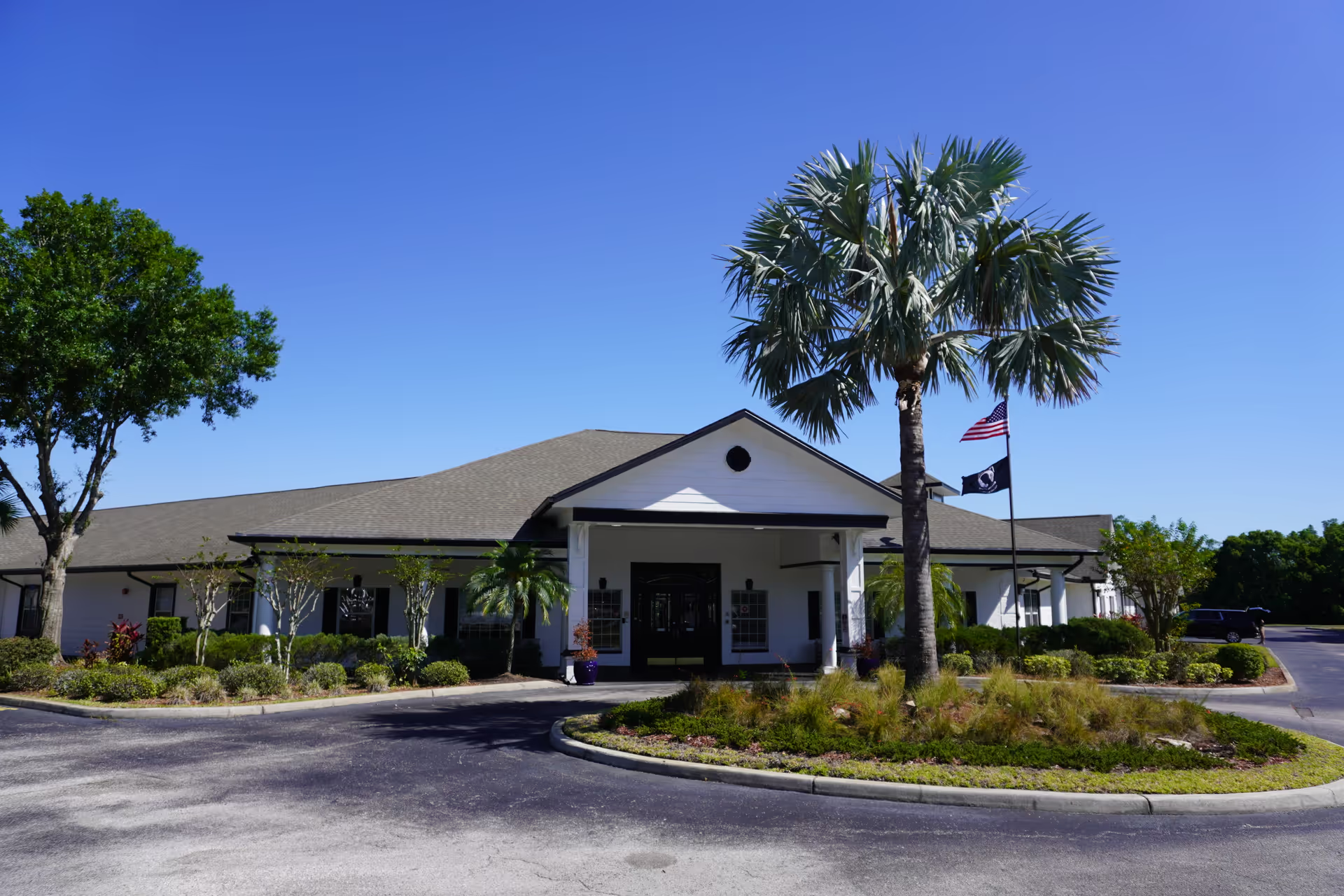
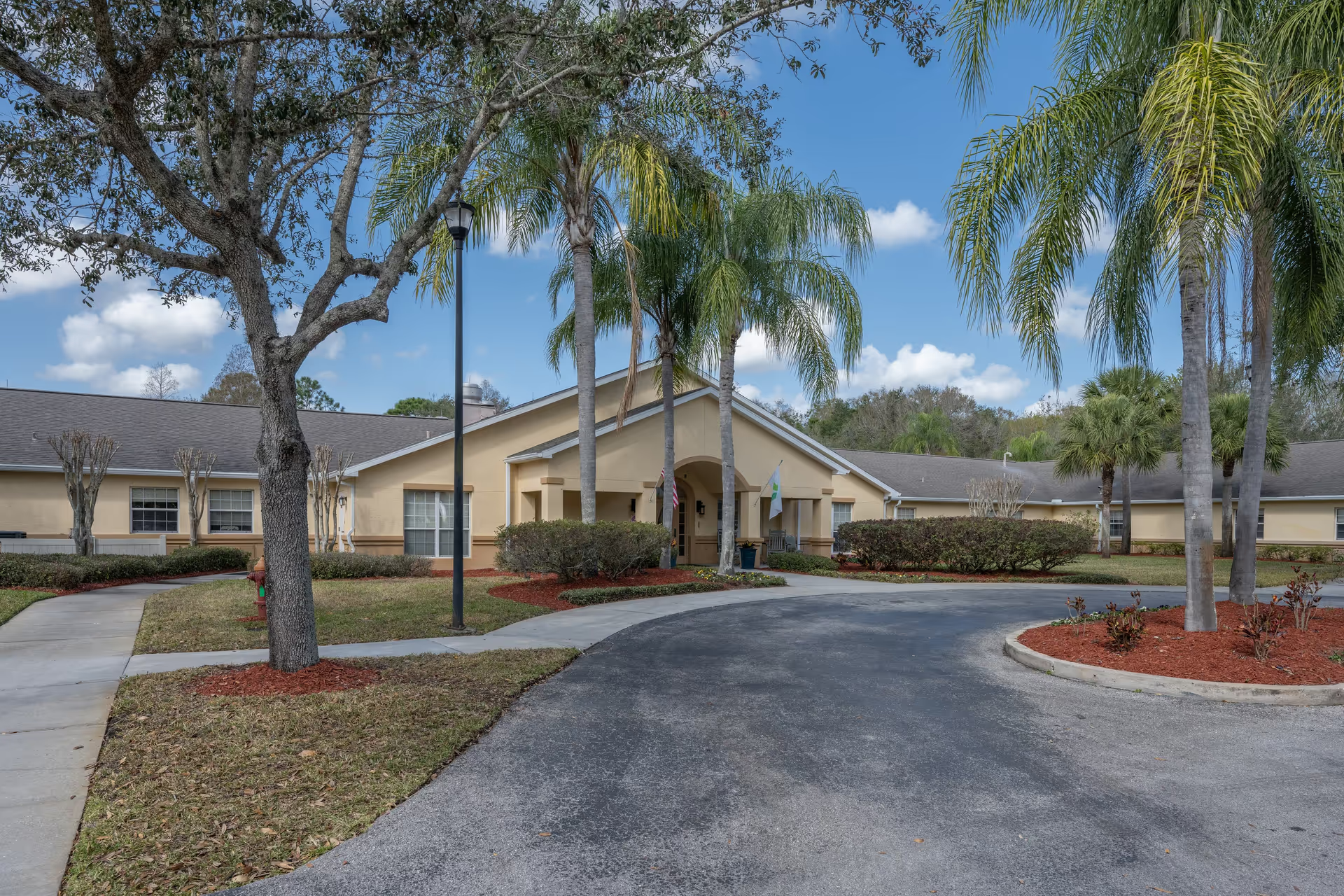
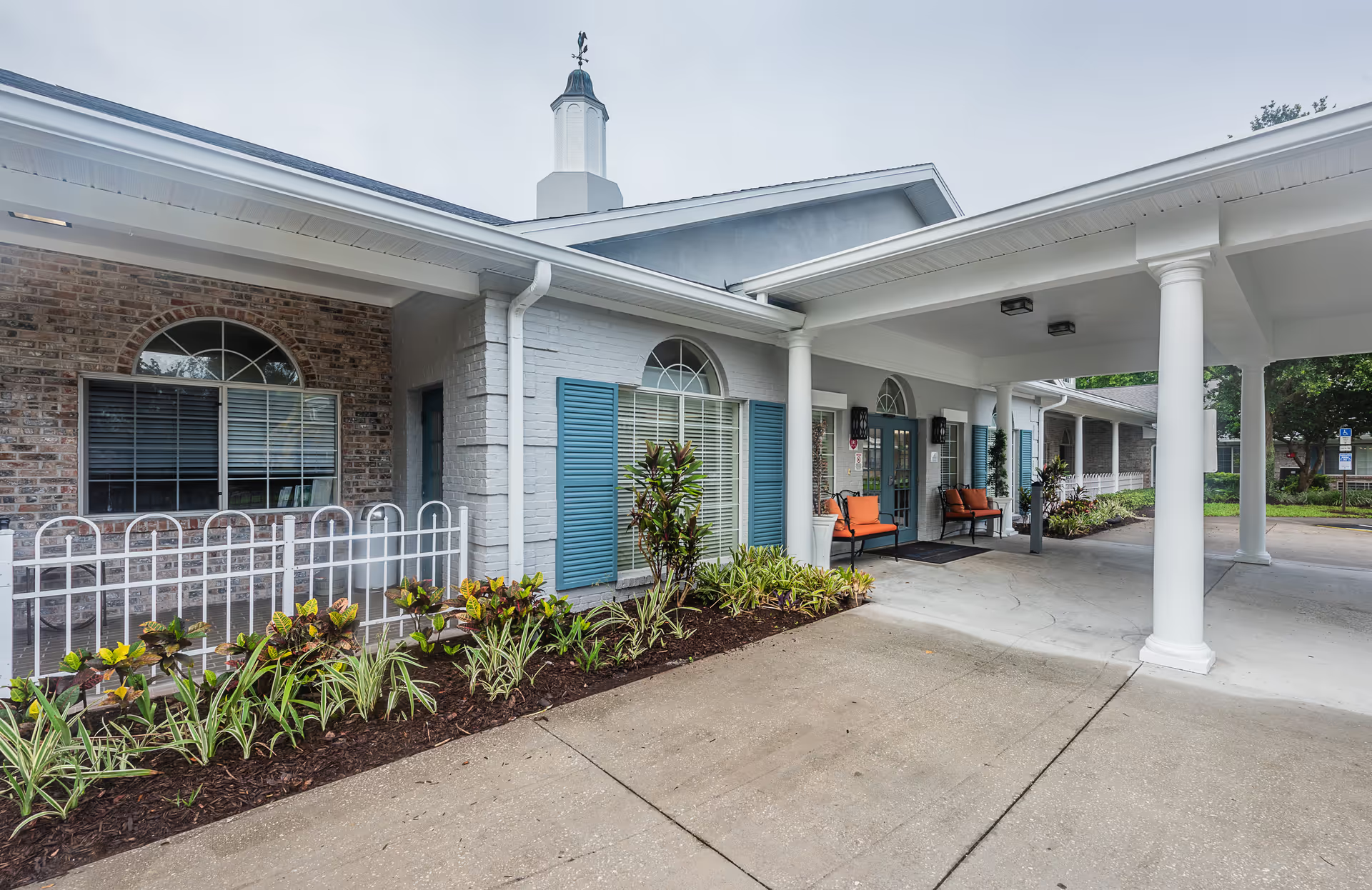
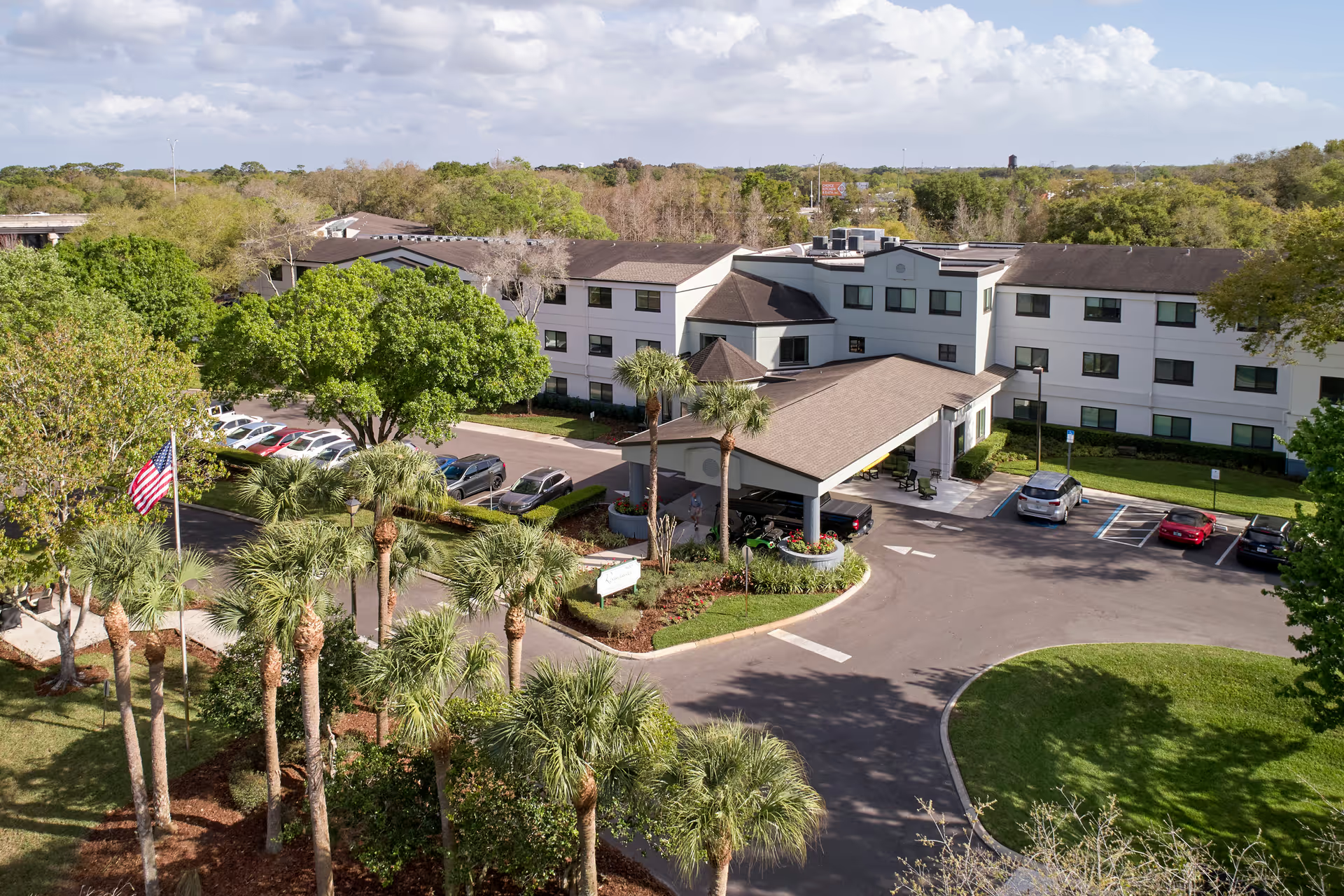
Overall impression The Colonnade at Northdale receives substantial praise for its facility aesthetics, dining program, and caregiving staff. Many reviews emphasize a well-maintained, hotel-like environment with recent unit renovations, pleasant common areas and courtyards, and private studio-style rooms. The dining program and chef receive frequent commendation for meal presentation, variety and responsiveness to resident preferences. Activity offerings are broad, including arts, outings and transportation, and the community supports family visits, overnight stays and on-site services such as hairdressing and therapy.
Care and staff Caregiving staff are consistently described as compassionate, hands-on and accessible; several accounts single out managers and directors who facilitate transitions and paperwork. The community reports a favorable staff-to-resident ratio in many shifts, which families link to better day-to-day attention and faster response times. At the same time, reviews reveal variability: some families experienced delays in responsiveness, inconsistent medication or therapy documentation, and weekend coverage gaps. Memory-care impressions are mixed — some families report a safe, well-run memory unit with individualized programs, while others describe limited engagement for residents with more advanced dementia and inconsistent supervision for residents who require higher levels of stimulation.
Dining and activities Dining is a clear strength for many residents: well-prepared meals, visible chef engagement and an attractive dining room that resembles a restaurant. There are private dining options and flexible mealtimes for some levels of care. Activity programming is extensive, with scheduled outings, buses for shopping and local trips, hobby spaces and frequent on-site events. That said, a subset of families noted variability in participation and stimulation for residents with cognitive decline, and some reviewers cited limited access to continuous dining/food service outside scheduled meals.
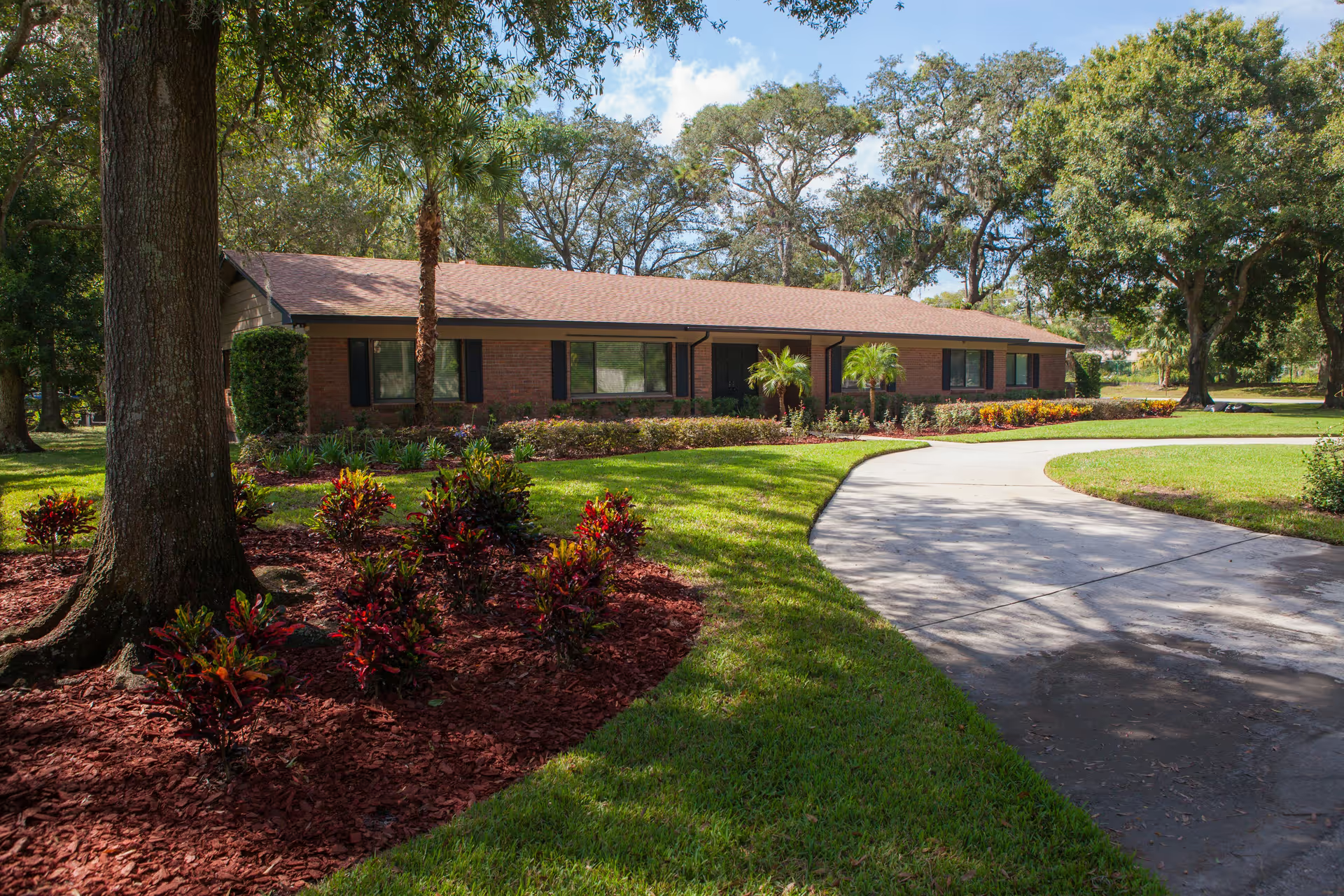
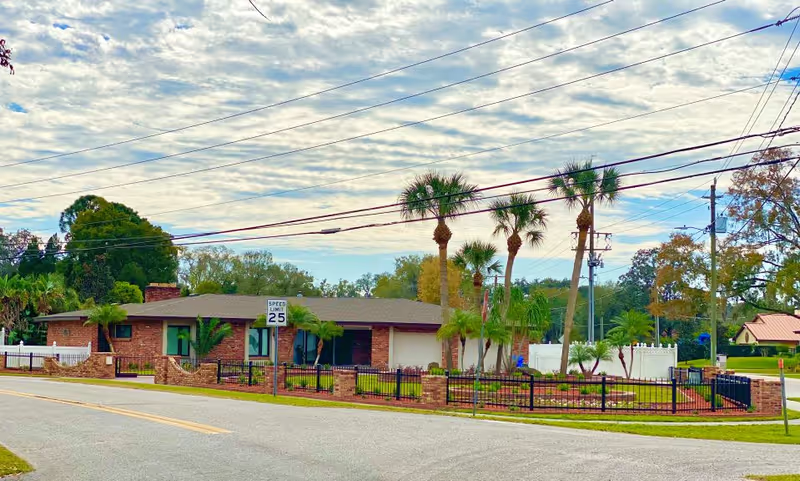
Facilities and cleanliness The facility's finishes, layout and common areas earn frequent positive remarks — bright dining rooms, visible courtyards, updated paint and carpeting, and a generally clean presentation. However, there are also isolated sanitation and odor concerns noted in some rooms and corridors, and at least one account raised infection-control issues. Room sizes are described inconsistently: many find studios comfortable and well-appointed, whereas others consider some rooms small or tightly configured. Outdoor space exists but is described as limited by some families.
Management, billing and policies Management style is frequently described as proactive and engaged, with specific staff praised for assisting with transitions and care plans. Conversely, administrative weaknesses recur as a pattern: billing and accounting communication gaps, unexpected fee increases or add-on charges, difficulty obtaining clear final-bill answers, and at least one account alleging inappropriate financial practices. Policy changes and occasional friction over transparency are themes prospective families should clarify before move-in.
Notable patterns and guidance for families The overall pattern is one of a generally high-quality assisted living community with strong dining, attractive facilities and many dedicated caregivers, balanced against variability in administrative responsiveness and intermittent operational lapses. Memory-care experiences vary widely between positive and concerning; similarly, cleanliness and infection-control appear strong overall but with some isolated negative accounts. Prospective families visiting Colonnade should: ask for current staffing ratios and weekend coverage plans; review sanitation and infection-control protocols; request sample therapy and care documentation (including frequency of physical-therapy reports); confirm all fees and potential add-on charges in writing; tour multiple room types; and discuss engagement plans for residents with advanced cognitive needs. These targeted questions will help reconcile the facility's many strengths with the operational inconsistencies described across accounts.