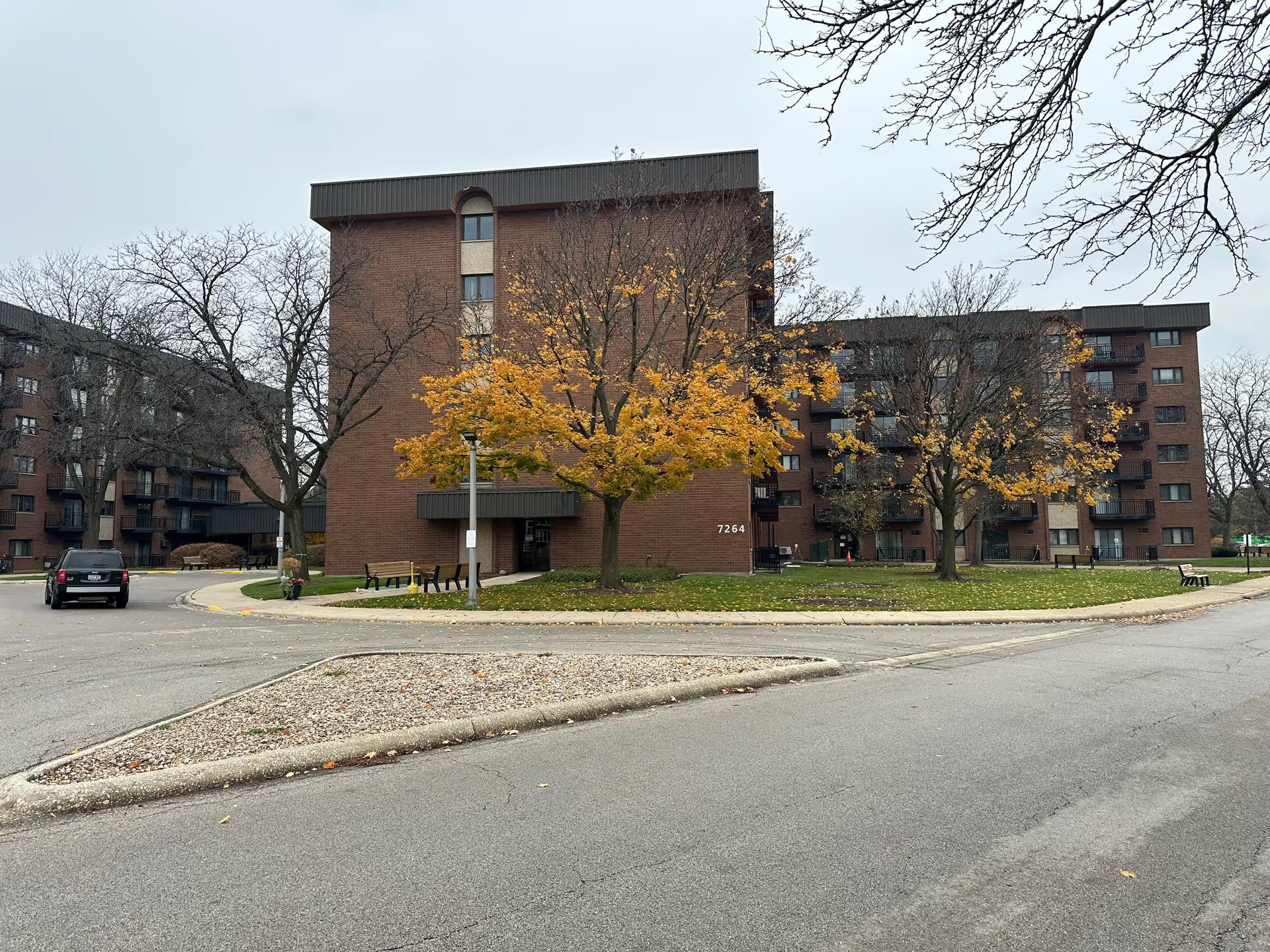
Norwood Crossing elicits a strongly mixed but coherent set of impressions. Many reviewers praise the frontline caregiving team: staff are described as attentive, compassionate, and in some units long‑tenured; trained nurses, supportive medication management, and effective hospice transitions are noted strengths. The community offers private one‑bedroom apartments with good natural light, multiple levels of care (assisted living, memory support, skilled nursing), and newer renovated assisted‑living sections that many find bright and attractive.
Dining and activities are frequently highlighted as positive program elements. The campus has restaurant‑style dining rooms, varied menu options, frequent snacks, and an extensive activities calendar that includes fitness classes, live events, music/piano rooms, library outings, and volunteer‑led programs. Families commonly report that the lifestyle and social programming support resident engagement and that transportation for group outings is available.
However, the positive features coexist with recurring operational concerns. Cleanliness and maintenance are uneven: while some common areas and renovated units are described as clean and well cared for, other wings—particularly older skilled‑nursing and sheltered care areas—are characterized as dated and in need of further renovation. Staffing levels and coverage are an important pattern in the reviews: observers cited intermittent understaffing, limits on direct‑care presence during some shifts, and slow call‑response times. This variability also appears to affect resident assistance, timely follow‑up, and the consistency of daily care routines.
Food quality and dietary accommodations emerge as a divided area: several families appreciate the restaurant atmosphere and menu variety, while others find certain meals unpalatable or inadequately adapted to post‑surgical or restrictive diets. Management and administrative themes include helpful and friendly admissions/tour staff but some recurring gaps in communication between families and leadership, unclear pricing or billing practices, and difficulty with Medicaid or affordability for lower‑income residents. A small number of serious individual accounts raise security and property‑management concerns; these are cited as isolated but important issues to clarify during a visit.
In short, Norwood Crossing presents substantive strengths in staffing compassion, program breadth, and physical amenities—especially in renovated and newer assisted‑living sections—while also showing variability in cleanliness, maintenance, staffing consistency, dining execution, and administrative transparency. Prospective residents and families would benefit from an on‑site tour of the specific unit they would occupy (older vs. renovated wings), direct questions about average staffing ratios by shift, documented dietary accommodation processes, security and lost‑property protocols, and a clear written explanation of what services are included in fees versus extra costs.