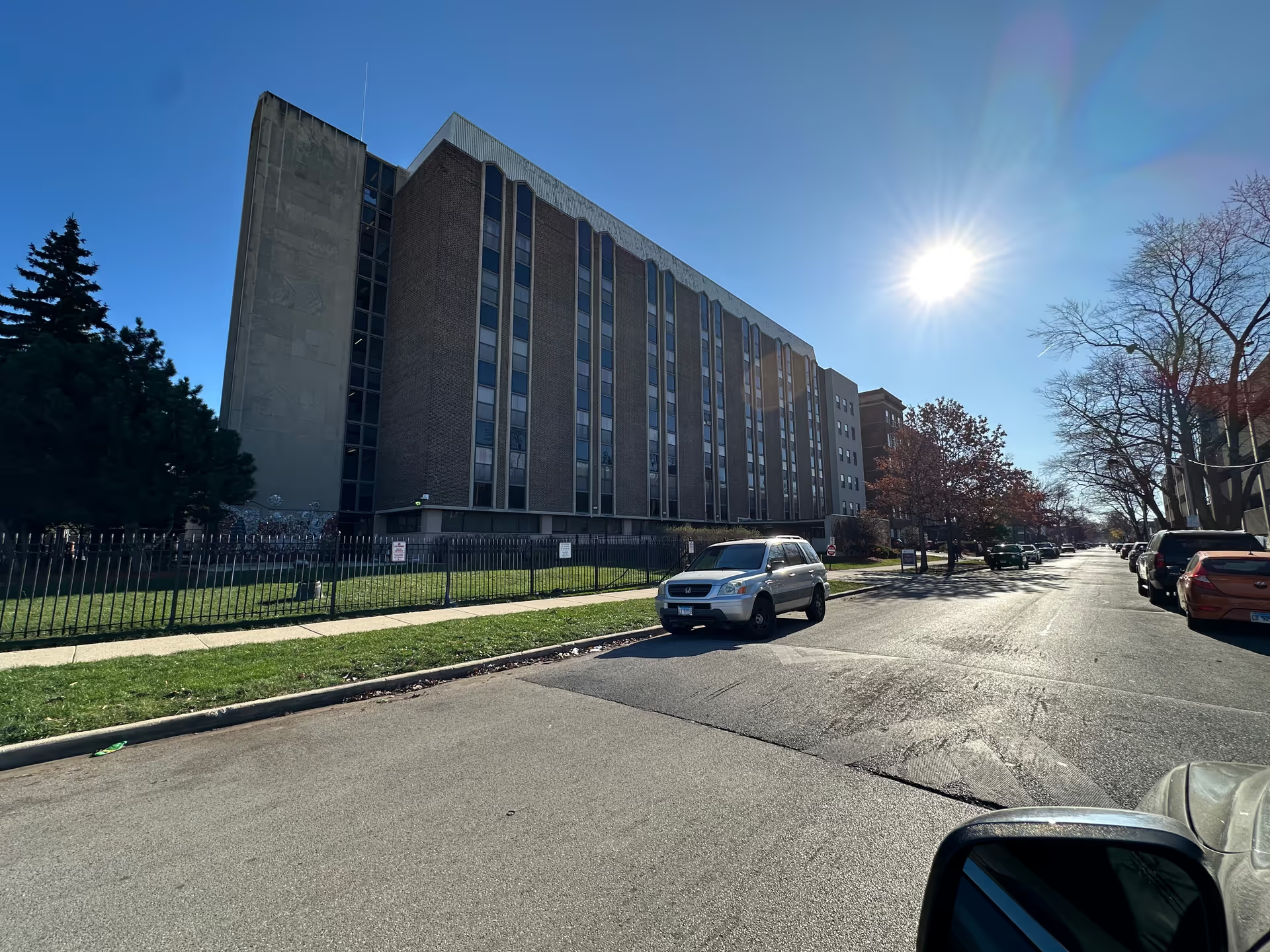
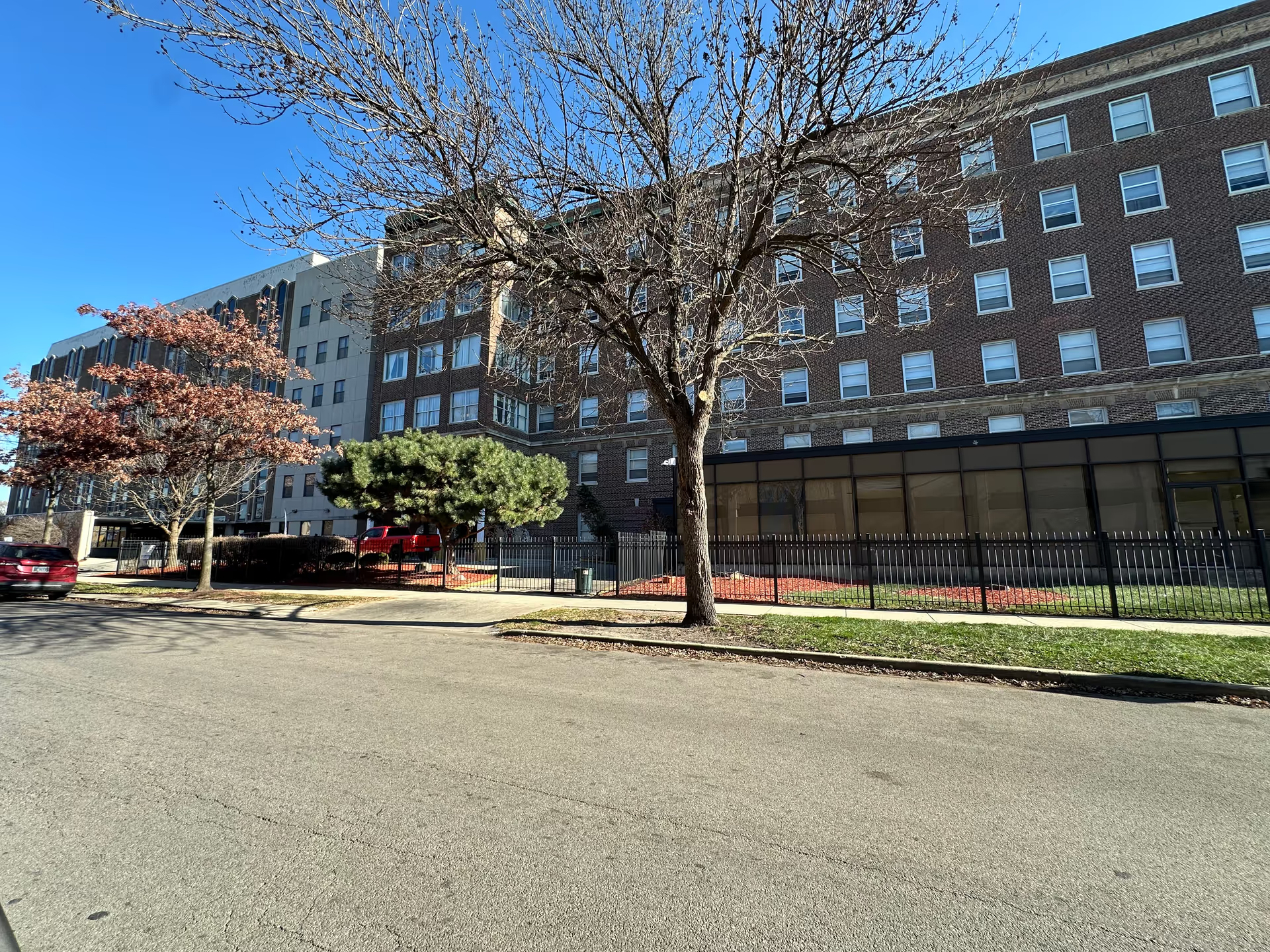
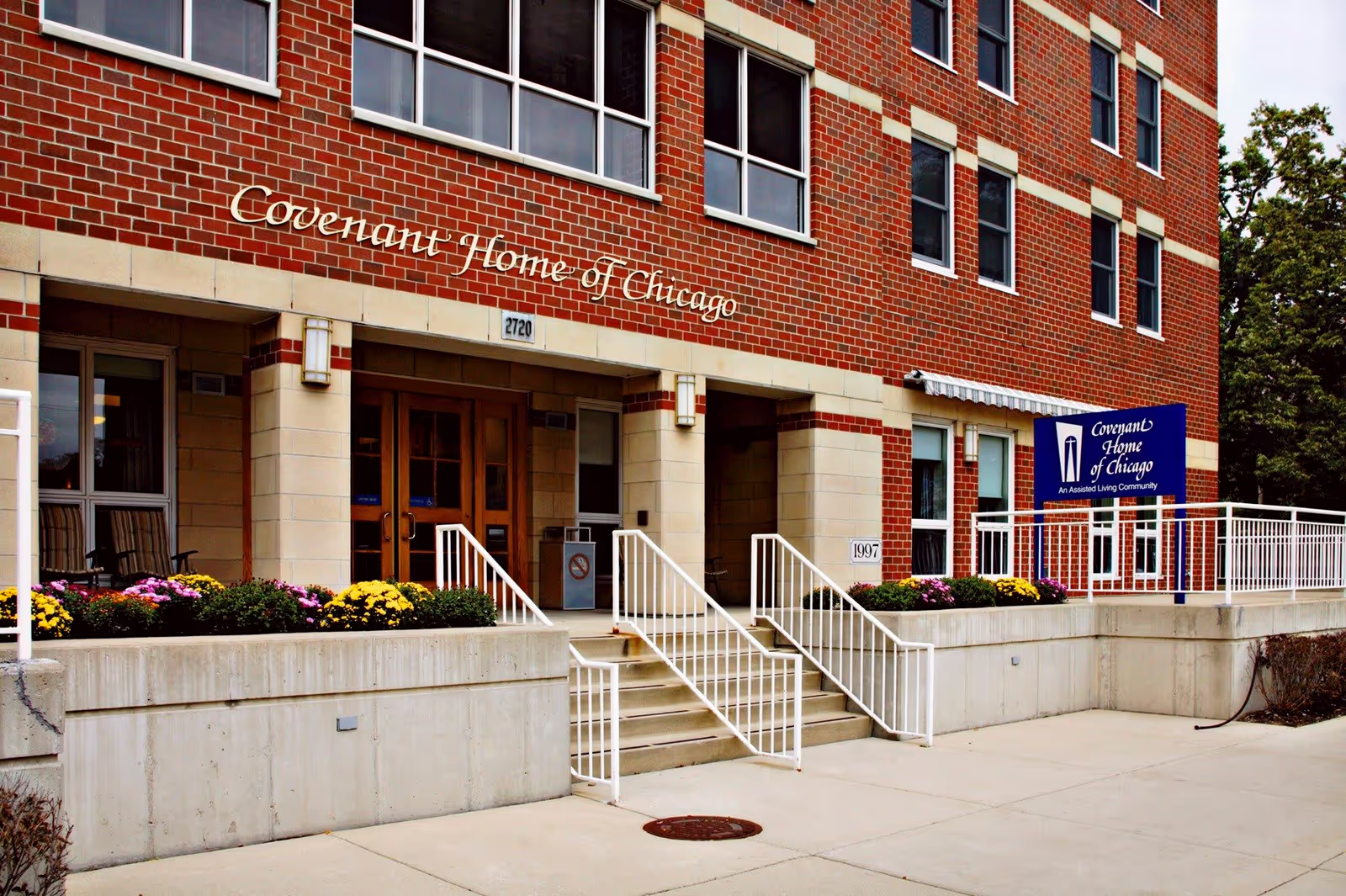
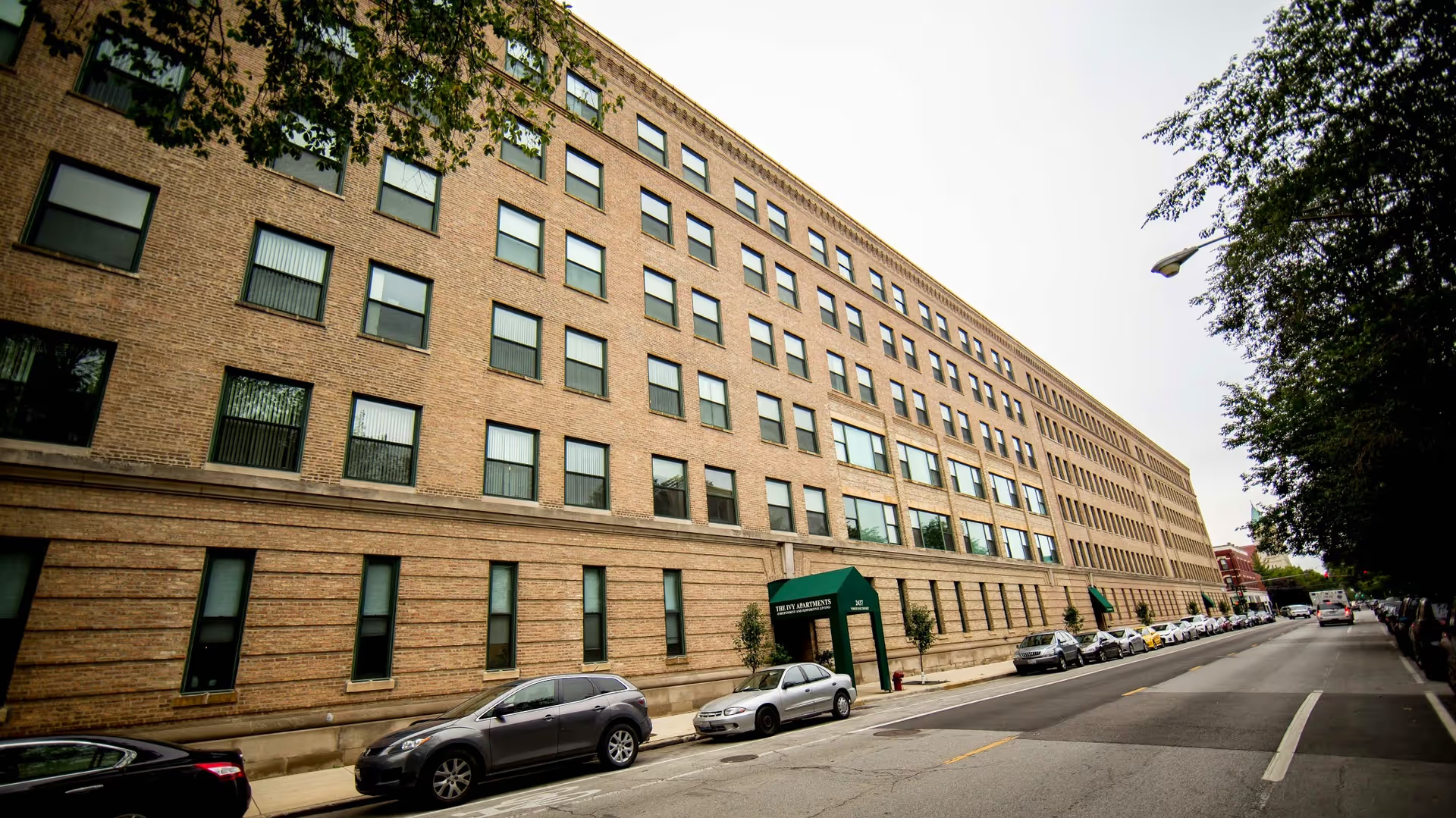
St. Joseph Village of Chicago presents a mixed but instructive picture for prospective residents and families. The facility is frequently commended for its clinical and rehabilitative strengths: therapy services (physical and occupational) are described as highly effective, rehabilitation outcomes are notable, and clinical teams coordinate with external physicians, including Rush University. Daytime nursing, CNAs, therapists, and many front-line staff receive consistent praise for compassion, attentiveness, and hands-on care. The building and grounds also score well for many visitors: attractive landscaping, a large chapel, varied apartment plans (including private outdoor spaces), a fitness center, salon services, and generally clean, well-appointed public areas are recurring positives.
At the same time, a recurring operational pattern raises concerns about consistency and continuity. Multiple comments indicate leadership turnover and uneven management follow-through, which correlates with family communication problems, discharge-planning delays, and occasional lapses in equipment ordering or delivery. Staffing adequacy is another important theme: while daytime staff are often described as professional and kind, reviewers repeatedly note short-staffing and limited night coverage. These staffing gaps have been associated with reduced floor-level activities in certain units, residents spending extended time in rooms, and perceived delays in routine assistance.
Dining and activities are generally strengths but with caveats. Many families describe high-quality, varied meals and an active social calendar that includes spiritual programming (daily Mass), bingo, outings, and life-enrichment offerings. Therapy-driven meals and special touches are highlighted. However, activity availability appears uneven across units: memory-care residents and some locked floors are described as having fewer on-floor activities and less engagement, and there are mentions of pandemic-era limitations that affected programming.
Facility condition and systems are described in mixed terms. Numerous reviewers praise the clean, spa-like areas, roomy apartments, and well-maintained communal spaces. Conversely, there are specific notes about inconsistent environmental upkeep in parts of the building — for example, dated finishes, worn carpeting, or areas undergoing renovation — and functional issues such as nonworking room phones, alert buttons, or temperature-control problems. These operational deficiencies, when combined with communication weaknesses, can amplify family concern during care transitions.
Management and policy considerations merit careful pre-admission review. Admissions and marketing staff, when available, are often cited as helpful, bilingual staff are present, and some families report excellent intake experiences. Yet the facility’s payment and admission approach can be restrictive for certain payor situations, and some families point to high upfront costs. Prospective residents should ask specific questions about staffing levels (including night coverage), memory-care activity schedules, discharge-planning processes, in-room safety systems, and payment/insurance acceptance before deciding. Overall, the facility offers strong rehabilitative care, compassionate daytime staff, and attractive amenities, but prospective families should verify operational consistency and management responsiveness to ensure those strengths are sustained for long-term needs.