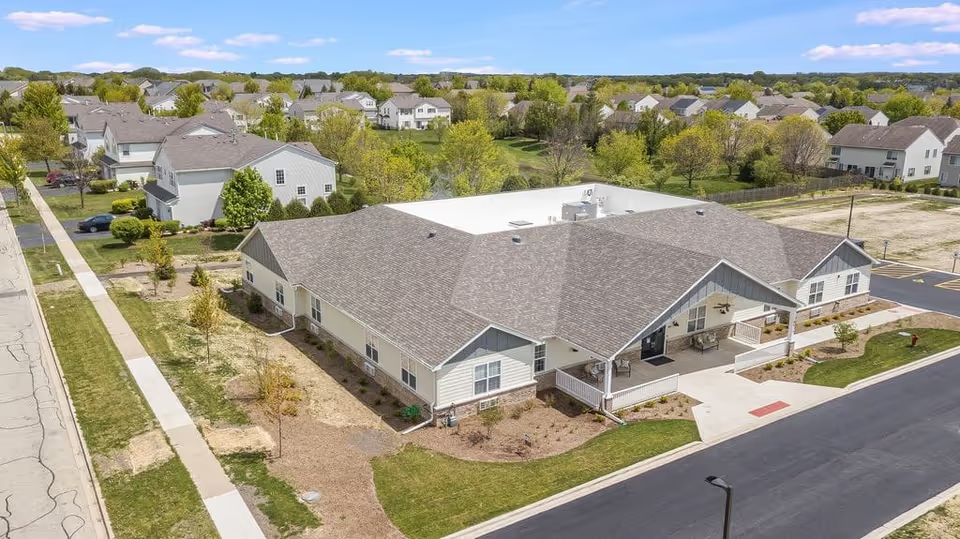
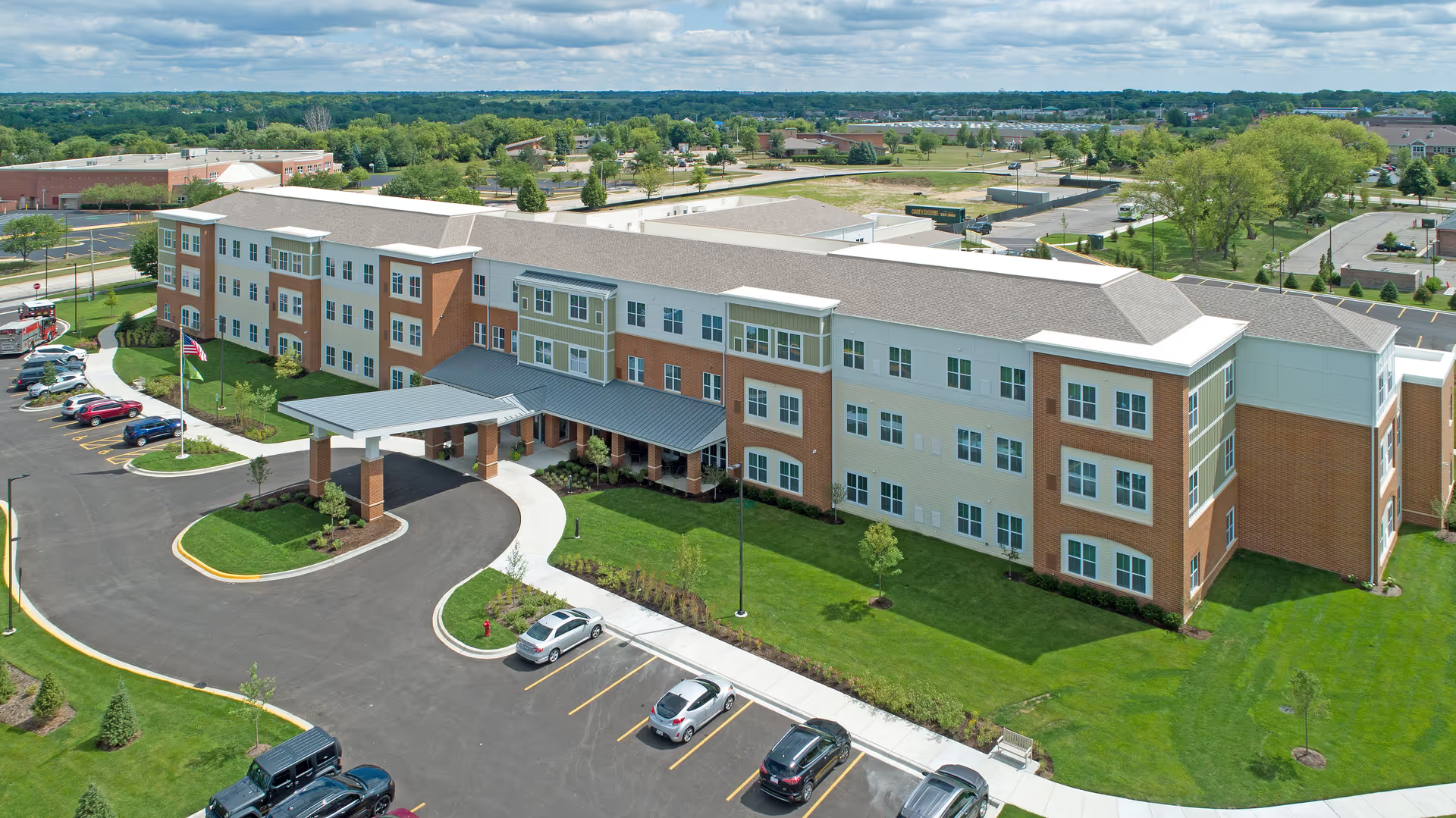
Bickford of Crystal Lake elicits strongly mixed impressions. Many families and residents praise the community for its clinical presence and warm direct-care staff: reviewers cite knowledgeable nurses, compassionate caregivers, frequent nurse checks, and instances where clinical oversight produced clear benefits (improved mobility, monitored vital signs, and smooth hospice transitions). Tours and admissions staff are frequently described as personable and informative, and the property is often noted for its clean, well-maintained appearance and attractive grounds. The community offers a restaurant-style dining area, a varied activities calendar (music, church services, outings, crafts, and exercise), secure memory-care options, and transportation services that support resident engagement.
At the same time, a consistent cluster of operational concerns appears across evaluations. Staffing levels and turnover are recurring issues: families report variable staffing by shift and weekend understaffing, and reviewers indicate frequent leadership changes in nursing and management. These patterns have been associated with observable consequences, including delays in responding to resident needs, gaps in clinical assessment leading to inappropriate level-of-care placement for some residents, and inconsistencies in how care plans are followed. Communication with families is uneven in some cases, with reports of delayed or unclear follow-up on care issues and billing questions.
Dining and housekeeping receive mixed feedback. Some reviewers commend meals prepared from scratch and a pleasant dining environment, while others describe inconsistent meal quality, missed or delayed meal service, and instability in kitchen staffing. Cleanliness is similarly polarized: many accounts describe a sparkling, home-like interior, whereas others identify sanitation concerns in specific operational areas (for example, food-preparation or staff-only spaces) and maintenance items left unaddressed. Room sizes and layouts are generally comfortable for single residents but repeatedly noted as small, with limited storage and few options for couples or wide wheelchair accommodation.
Management and administrative practices are a frequent point of divergence. Positive accounts highlight flexible admissions, promotional offers (temporary rate discounts, visitor meal policies, equipment loans), and responsive social-direction support. Critical accounts point to unclear pricing structures (room rate plus care fees and community charges), private-pay-only policy, delivery gaps after move-in, inconsistent follow-through on leadership promises, clerical/billing errors, and a perception of profit-driven decisions. Taken together, these comments suggest operational variability depending on shift, unit, and leadership stability.
For prospective residents and families, the evidence suggests Bickford of Crystal Lake can provide a warm, activity-rich environment with committed caregivers and clinically capable nurses — particularly when staffing and leadership are stable. However, prepare for variability in daily operations: ask for recent staffing ratios and turnover data, request written, up-to-date assessment and care-plan procedures that address level-of-care placement, clarify all fees and billing practices in writing, and tour the specific unit or floor where the resident will live (including dining, kitchen-adjacent areas, and resident rooms) to verify cleanliness, room size, and accessibility. These steps will help gauge whether the community’s strengths align with the prospective resident’s clinical and lifestyle needs and whether current operational practices meet your expectations.