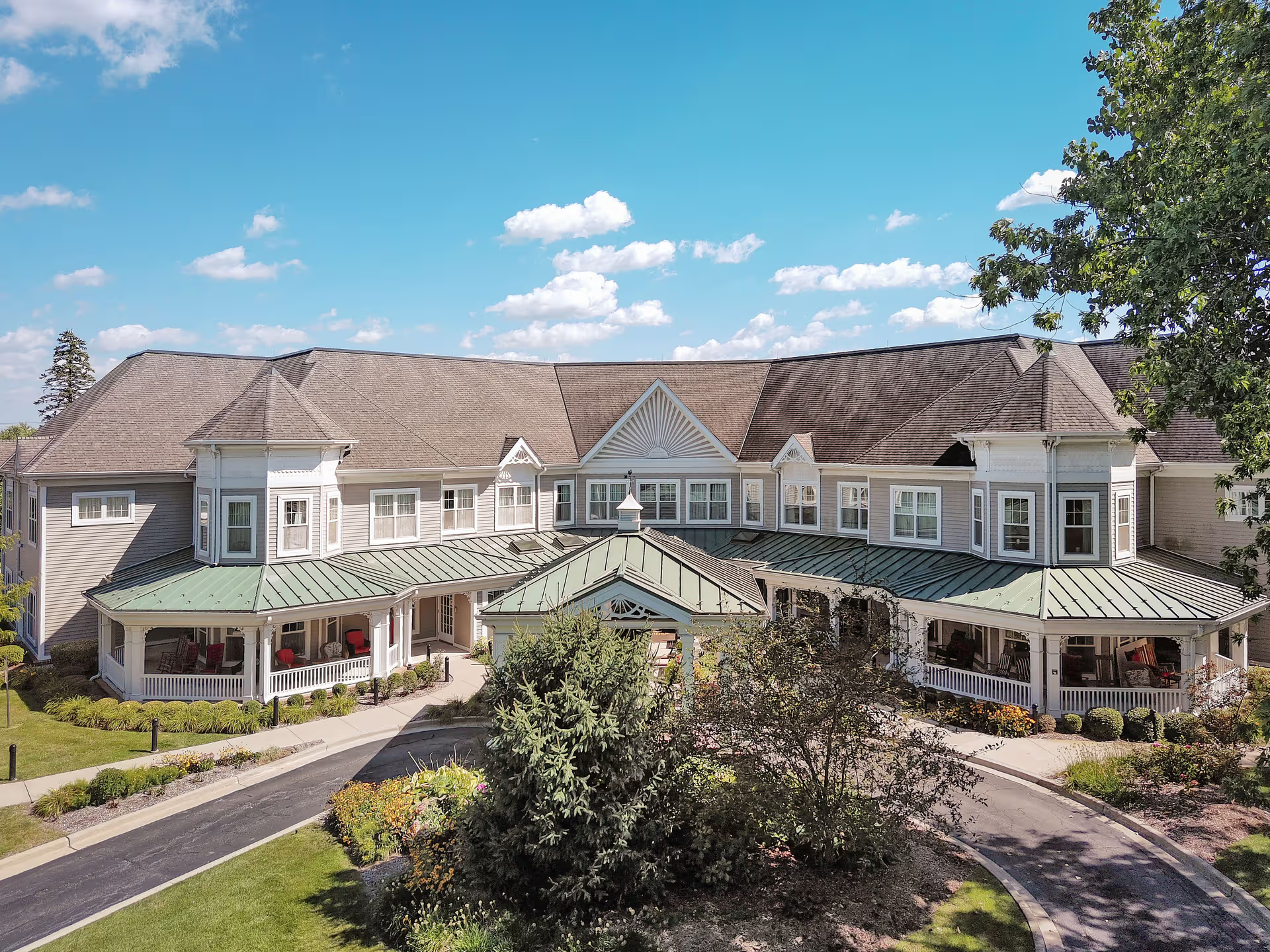
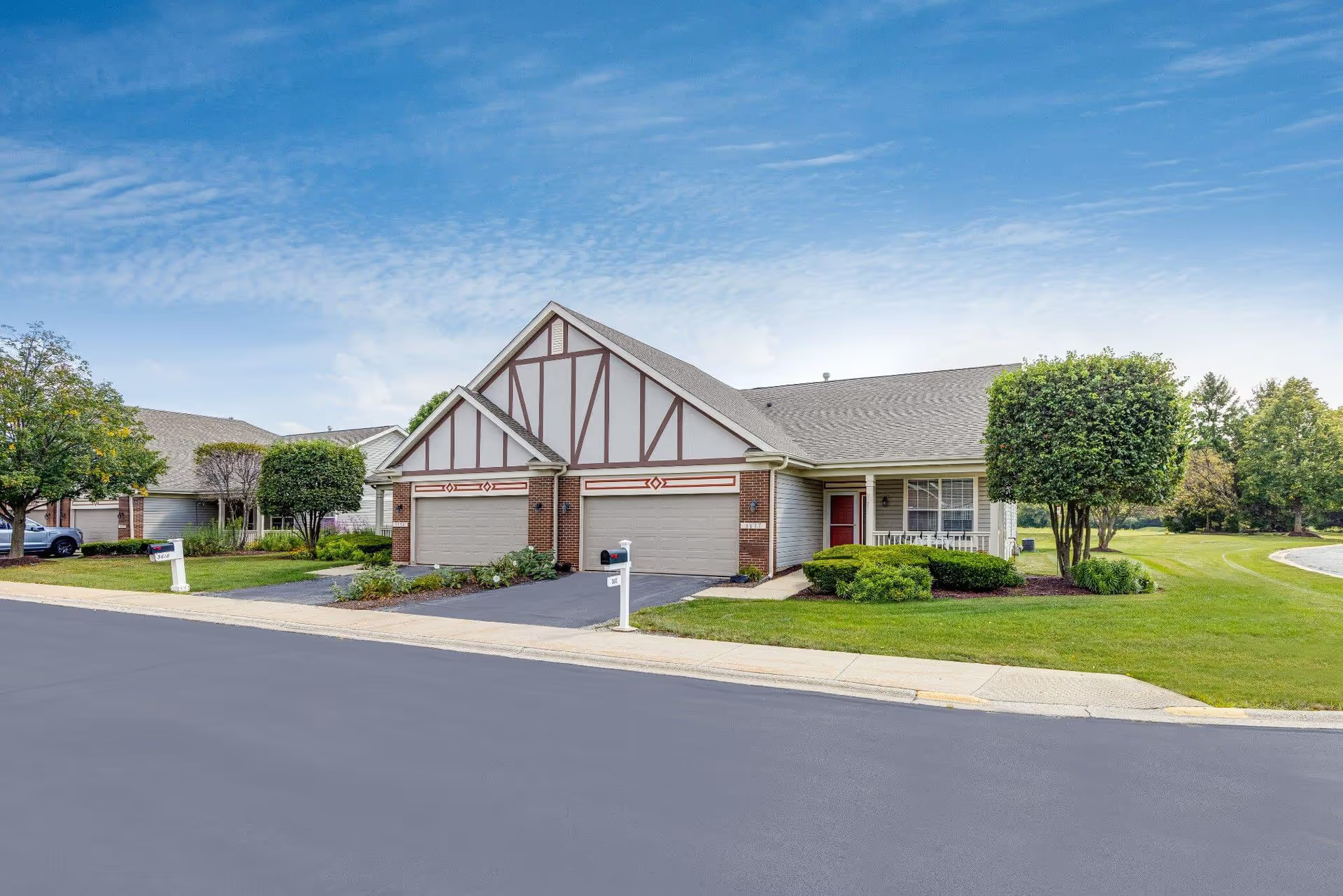
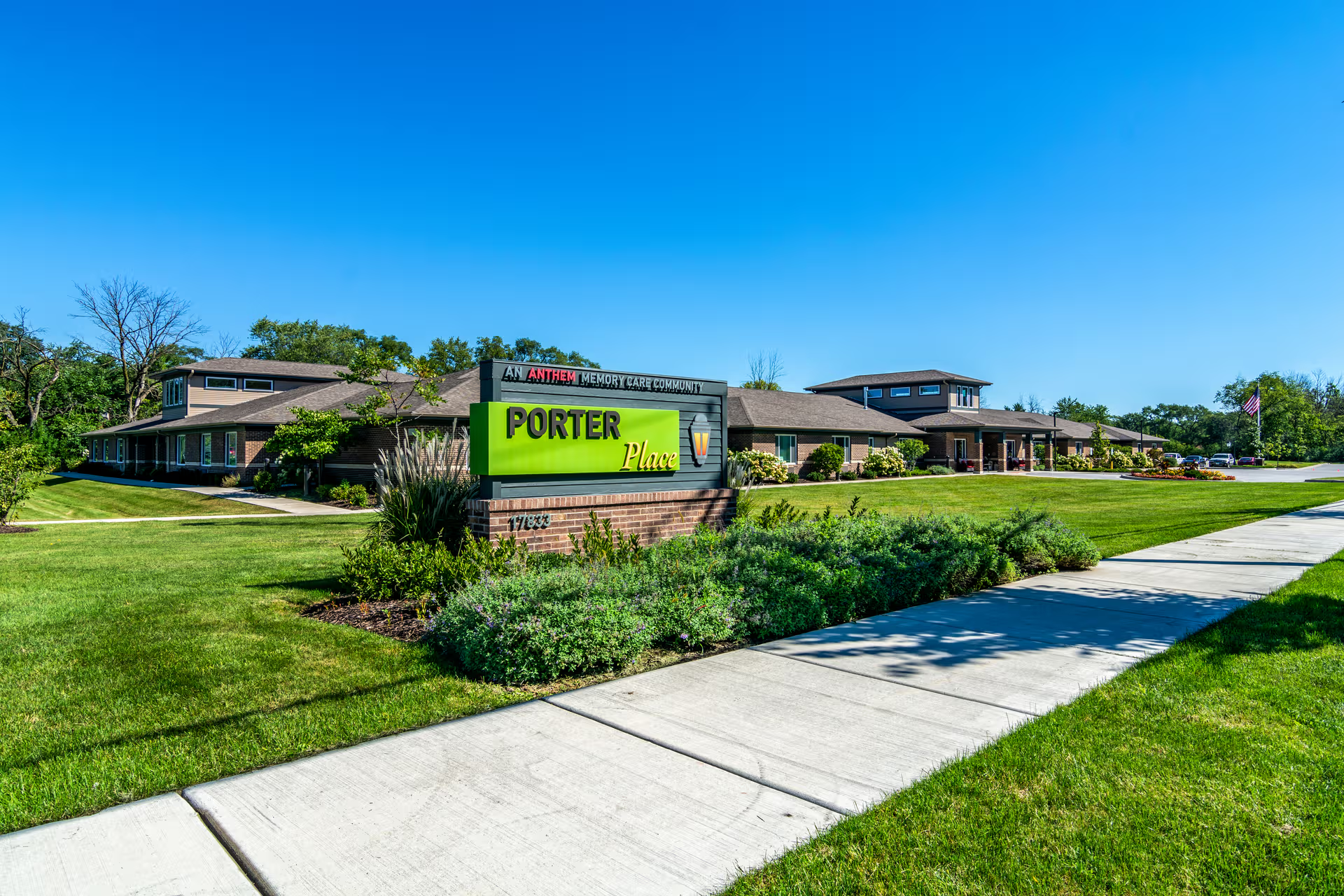
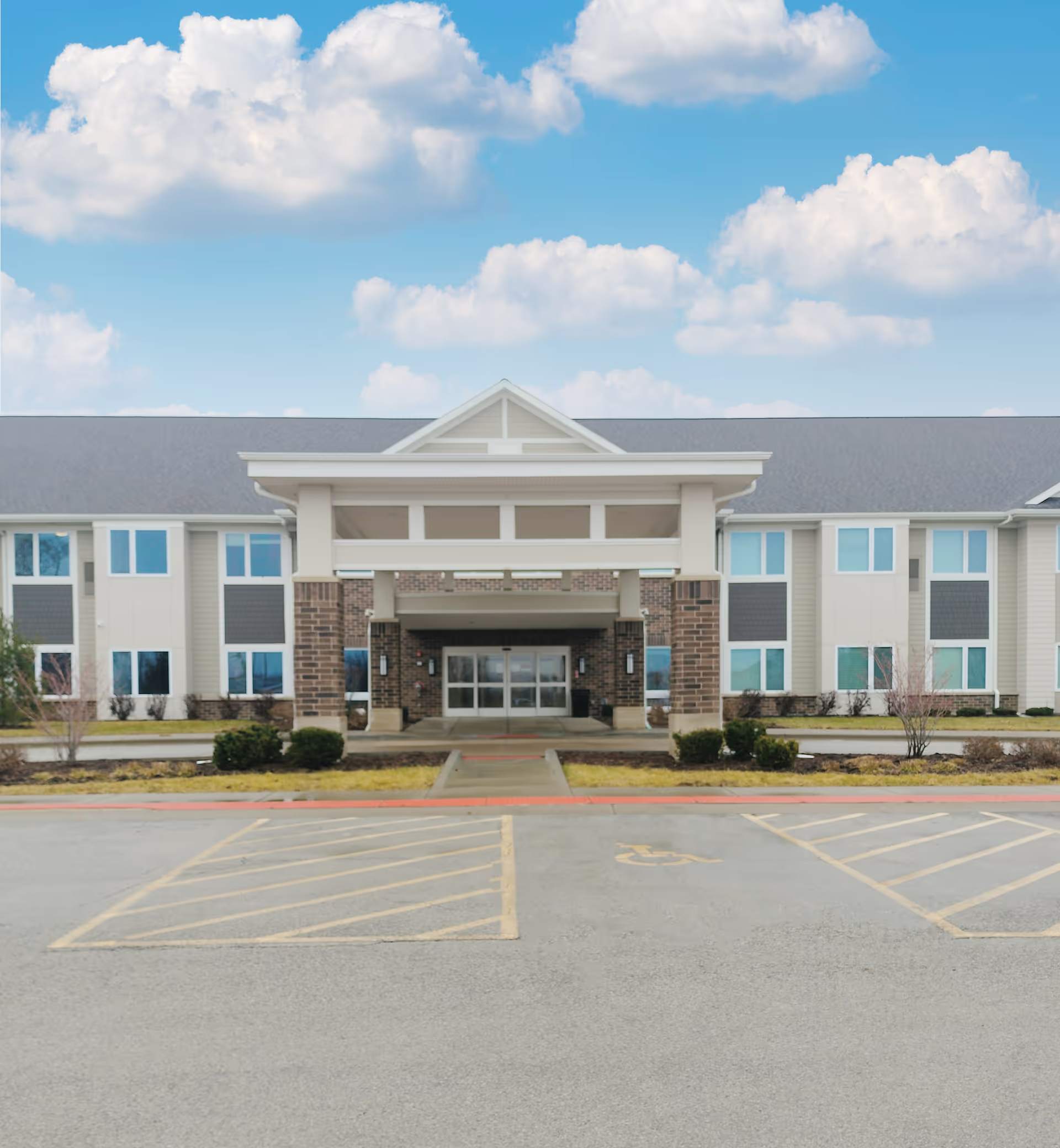
Charter Senior Living of Hazel Crest receives consistent praise for its small, household-style campus, personable leadership, and a staff culture that many families characterize as caring and engaged. The facility layout—single-level wings connected by courtyards and walking paths—supports a homelike atmosphere and secure memory-care environment. Reviewers frequently highlight on-site amenities (salon/barber, bistro/coffee bar, library, movie room), furnished and customizable rooms, and programmatic strengths such as frequent live entertainment, themed activities, outings, and regular therapy services including PT/OT. Several families also described positive collaborations with hospice and noted 24-hour nursing coverage in many accounts.
That positive picture is counterbalanced by recurring operational concerns. The most consistent theme among critical comments is staffing instability: reviewers describe high turnover and periods of understaffing that correlate with delayed personal care (for example, irregular bathing schedules and inconsistent linen or housekeeping follow-through). Related sanitation concerns in some rooms and carpeting were raised by multiple families. There are also repeated mentions of medication-management issues or insufficient communication around medication changes, and several reviewers cited weaknesses in how clinical incidents (falls, care changes) were documented and communicated to families.
Dining and activities are generally strengths but show variability. Many residents and families praised restaurant-style dining areas, appetizing menus, and robust daily programming; others reported diminished meal quality or less consistent menu variety over time. The activities program is a clear asset for resident engagement—examples include group exercise, dancing, themed events, Wheel of Fortune, and field trips—though some reviews note limitations for residents with more advanced memory-care needs.
Management and culture present a mixed picture. Numerous reviews commend an accessible, involved executive director and responsive communication; however, several families reported management turnover or reduced administrative responsiveness that they associate with declines in housekeeping, staffing, and clinical oversight. Some accounts also express concerns about inconsistent staff professionalism and property-management practices (misplaced or mixed-up resident belongings). Cost and perceived value were mentioned frequently: while some families found pricing flexible and reasonable given services, others felt the cost did not align with the level of care they experienced.
Overall, the pattern across reviews is polarized: many families describe a clean, secure, and activity-rich small community with warm staff and strong leadership, while another subset identifies operational weaknesses that have tangible effects on daily care and family confidence. Prospective residents and their families would benefit from an in-person tour focused on current staffing ratios, personal-care schedules (bathing/linen change frequency), medication-review and consent procedures, incident-reporting practices, and recent housekeeping/renovation status to assess how the facility’s strengths align with their specific care needs.