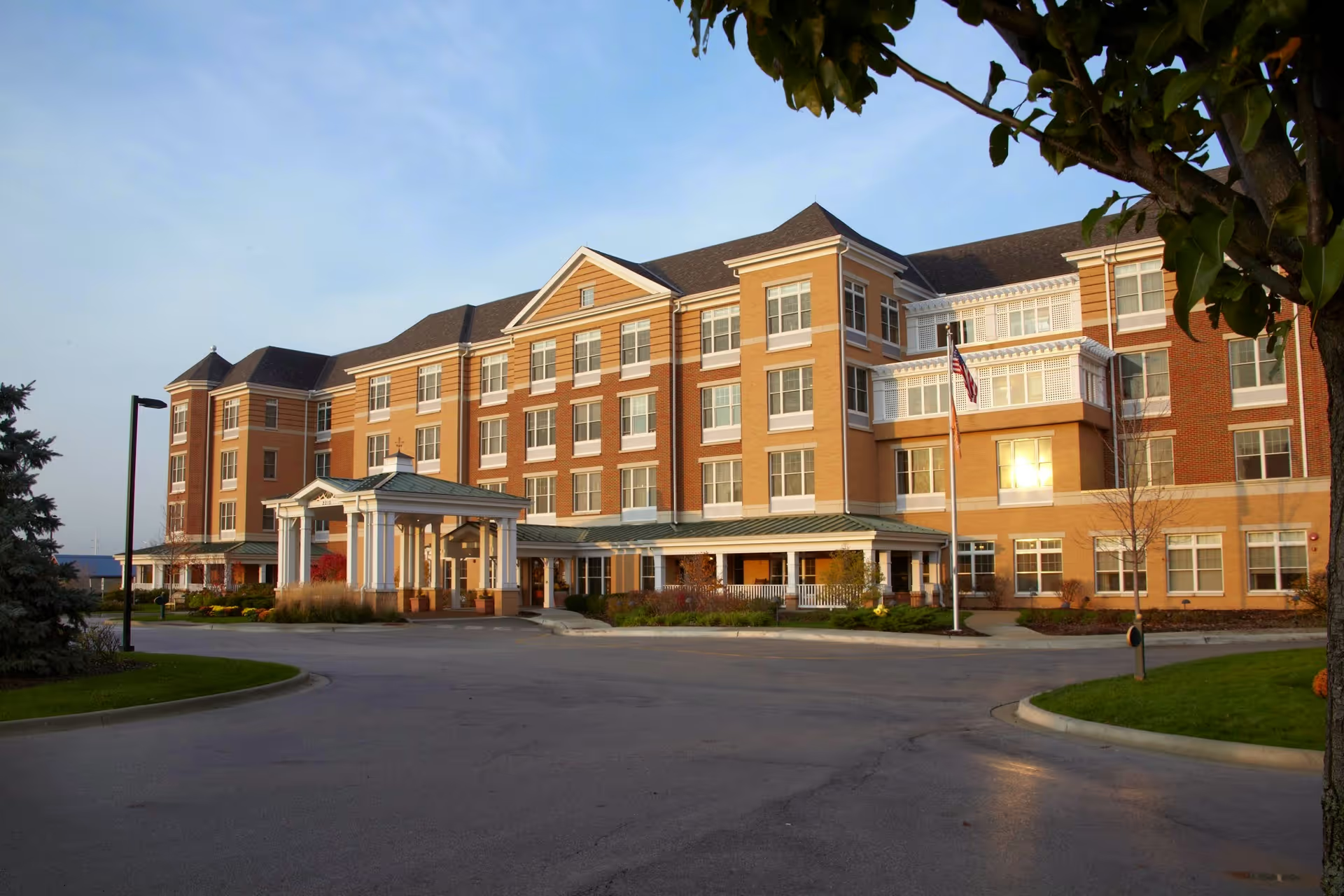
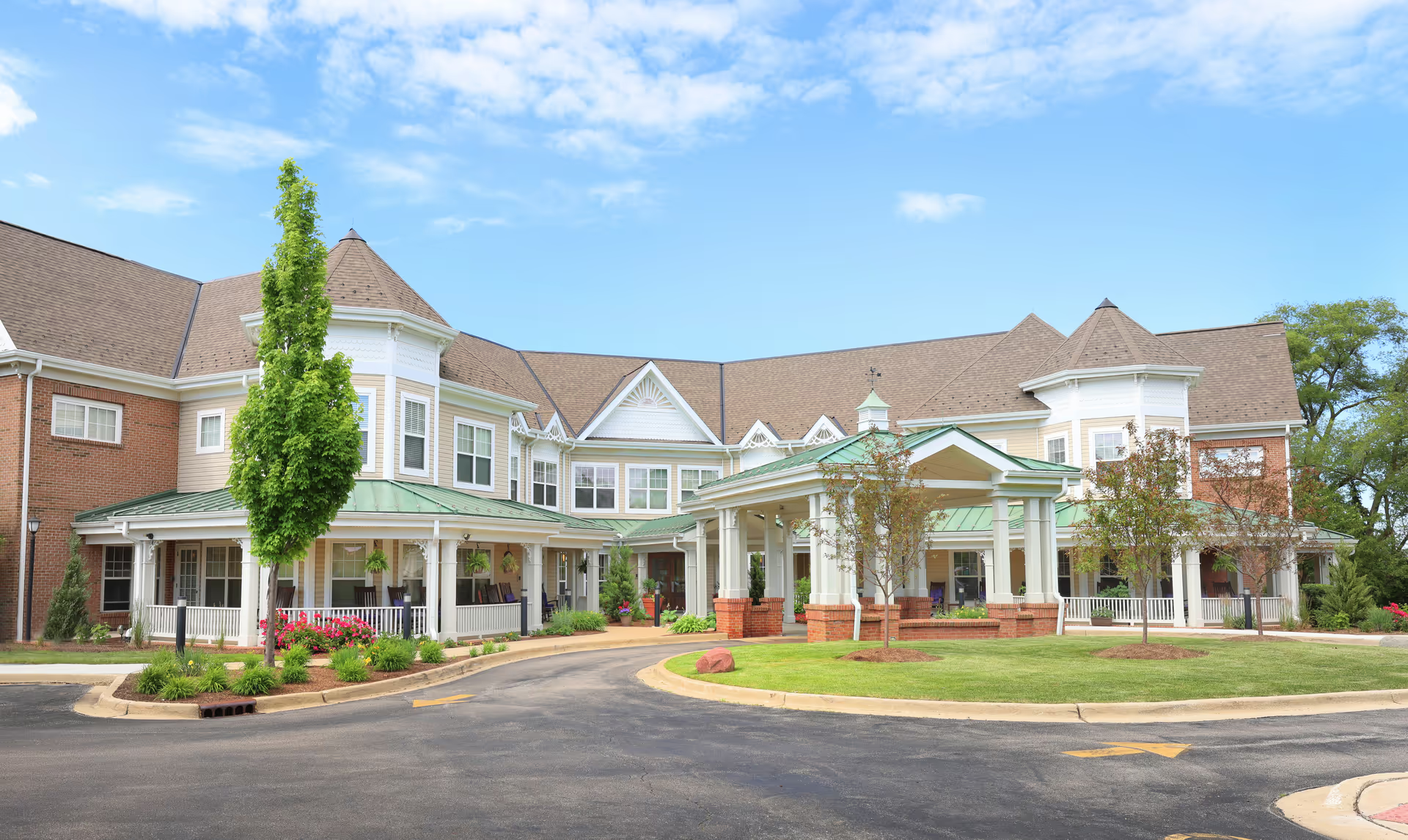
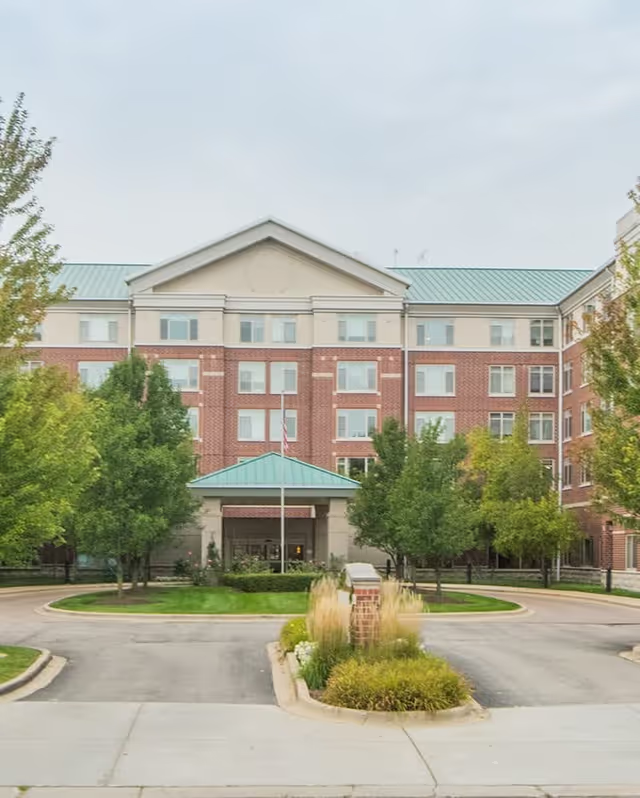
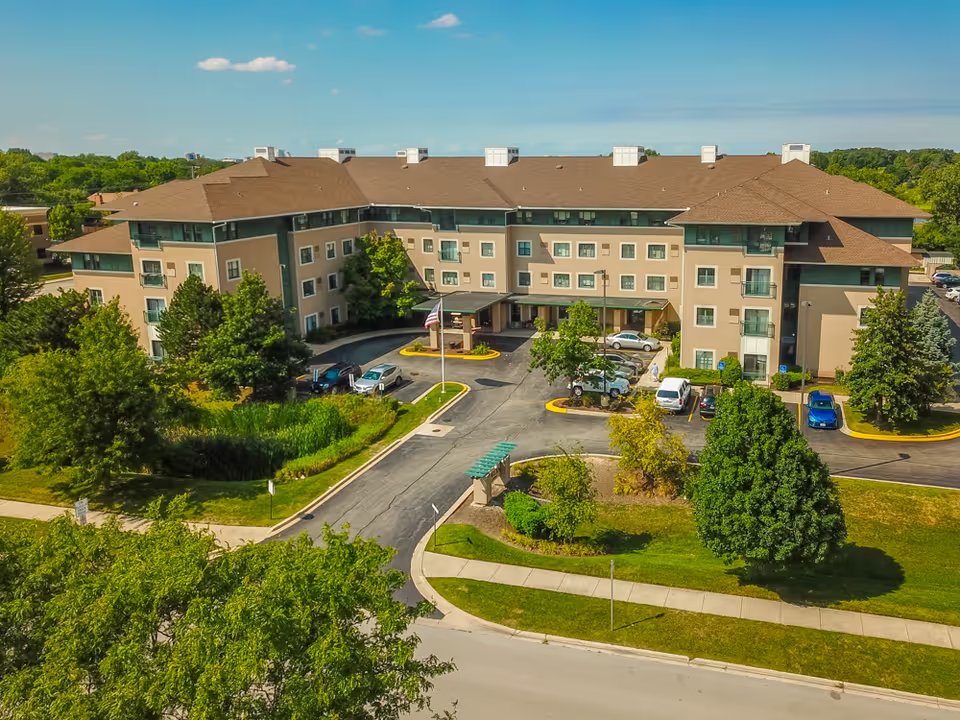
Lombard Place presents as a modern, hotel-like assisted living and memory-care community with a bright, well-maintained physical plant and a broad set of resident amenities. Reviewers consistently describe the facility as clean, attractively furnished, and stocked with social spaces such as a library, bistro, salon, large dining room, and therapy areas. Apartment options are flexible (studio through two-bedroom), many units include in-unit washers/dryers and kitchenettes, and safety features such as resident call systems and per-room climate controls are highlighted. The community’s life-enrichment program is frequently praised; organized offerings include musical performances, exercise classes, clubs, outings, religious services, and regular entertainment that many families say supports social engagement and improved mood for residents.
Staff quality is the most commonly cited strength: caregivers, activity staff, and many nurses are described as warm, compassionate, and resident-focused. Several reviewers cited strong individual relationships between staff and residents and effective family communication during routine care. At the same time, a recurring operational concern is inconsistent staffing as resident care needs increase; families reported times when staffing levels did not match acuity, which ties into other clinical concerns such as delays or inconsistencies in medication administration and uneven clinical oversight. Memory-care experiences are mixed—some families describe seamless transitions, strong engagement, and good hospice support, while others experienced declines after admission and variability in the clinical management of higher-acuity needs.
Dining and food service attract polarized feedback. Many residents and families enjoy the social dining environment and some menu offerings, but there are numerous accounts of limited menu variety, repetitive or processed items, insufficient fresh vegetable choices, and variable meal temperature or presentation. Several reviewers felt meal quality did not align with the community’s cost. Related to cost, reviewers flagged opaque or retroactive pricing changes, add-on fees, and complex contract language; these issues have generated billing disputes and dissatisfaction for some families.
Operational and management patterns include several positive points—helpful tours, attentive front-desk staff, and examples of proactive family engagement—but also notable weaknesses. Reported management weaknesses include inconsistent follow-up on family concerns, turnover in leadership, long and complex admission contracts, and occasional shortfalls in housekeeping or unit-level maintenance (including isolated sanitation and maintenance issues). Some practical considerations for visitors and prospective residents include traffic noise affecting certain common areas and potential accessibility limits for heavier-padded carpeting or specific mobility devices.
Bottom line: Lombard Place’s core strengths are its modern facility, robust activity program, and many staff who are described as caring and resident-focused. These attributes make it attractive for seniors who value social programming and a hotel-like environment. Prospective residents and families should balance those strengths against recurring operational patterns—particularly around staffing consistency, medication and clinical oversight, dining quality, and contractual/billing transparency—and should seek direct, written clarification on medication policies, staffing ratios during higher-acuity care, menu rotations or special-diet accommodations, and all contract and fee terms before admission.