Overall impression: Feedback is polarized. Many families and residents describe Harbor Chase / Ciel of Long Grove as a modern, well‑appointed community with compassionate caregivers, strong clinical oversight in some areas, and engaging social programming. At the same time, a substantial subset of comments point to operational instability—particularly around leadership continuity, staffing levels, and service consistency—that produces widely divergent resident experiences.
Care and clinical services: Nursing staff and direct caregivers are frequently characterized as attentive, compassionate, and proactive; several accounts highlight individual clinicians who provided above‑and‑beyond care and effective end‑of‑life coordination. There are also consistent notes about delays in service requests, reliance on agency nursing, and slow therapy coordination. Clinical strengths include on‑site physician involvement and successful management of certain clinical issues, while operational gaps include inconsistent medication/transfer practices and occasional delays in routine care response.
Staff and leadership: The facility benefits from many engaged front‑line employees—activities coordinators, maintenance personnel, dining staff, and named caregivers receive repeated praise. However, reviewers report high staff turnover, absentee or changing executive leadership, and variability in night and memory‑care staffing (including subcontracted teams). These leadership and staffing inconsistencies are linked to unpredictable day‑to‑day experiences and lapses in supervision.
Dining and housekeeping: Dining is regularly described in dual terms: the chef‑prepared presentations and some meal experiences are praised for taste and appearance, yet others report declining quality, reduced portions or choices, delayed meal service, and sanitation/cleaning inconsistencies (including dishware concerns). Housekeeping and move‑in readiness are generally satisfactory in many areas, but there are recurring notes about inconsistent cleaning during transitions and occasional missed or delayed housekeeping tasks.
Activities and social life: Activity programming is a clear strength for many residents—organized outings, themed events, and opportunities for socialization are cited as contributors to well‑being. Conversely, there are reports of limited or declining activity engagement in particular units or periods, producing a quieter environment described as less socially stimulating.
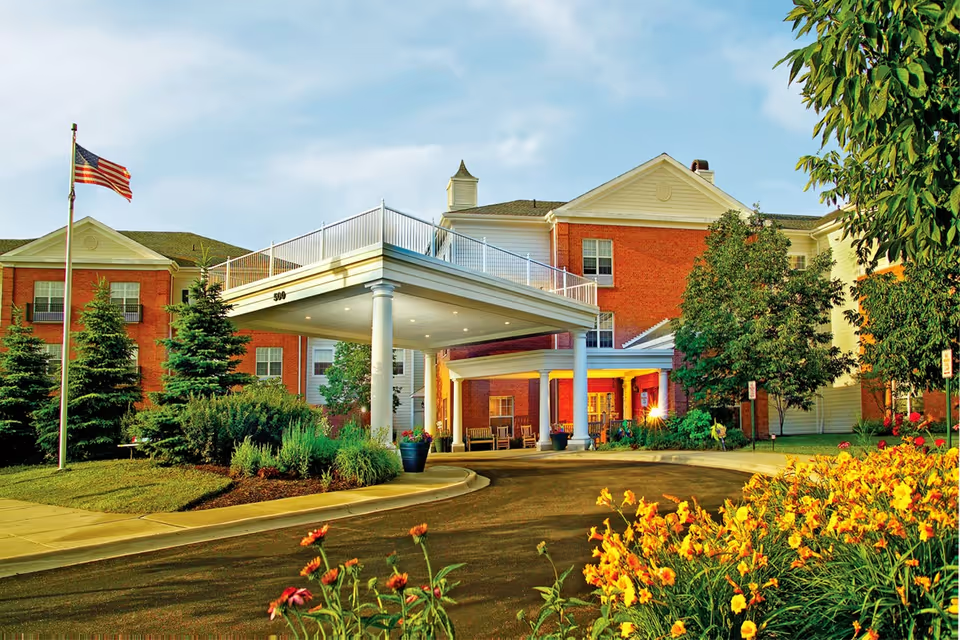
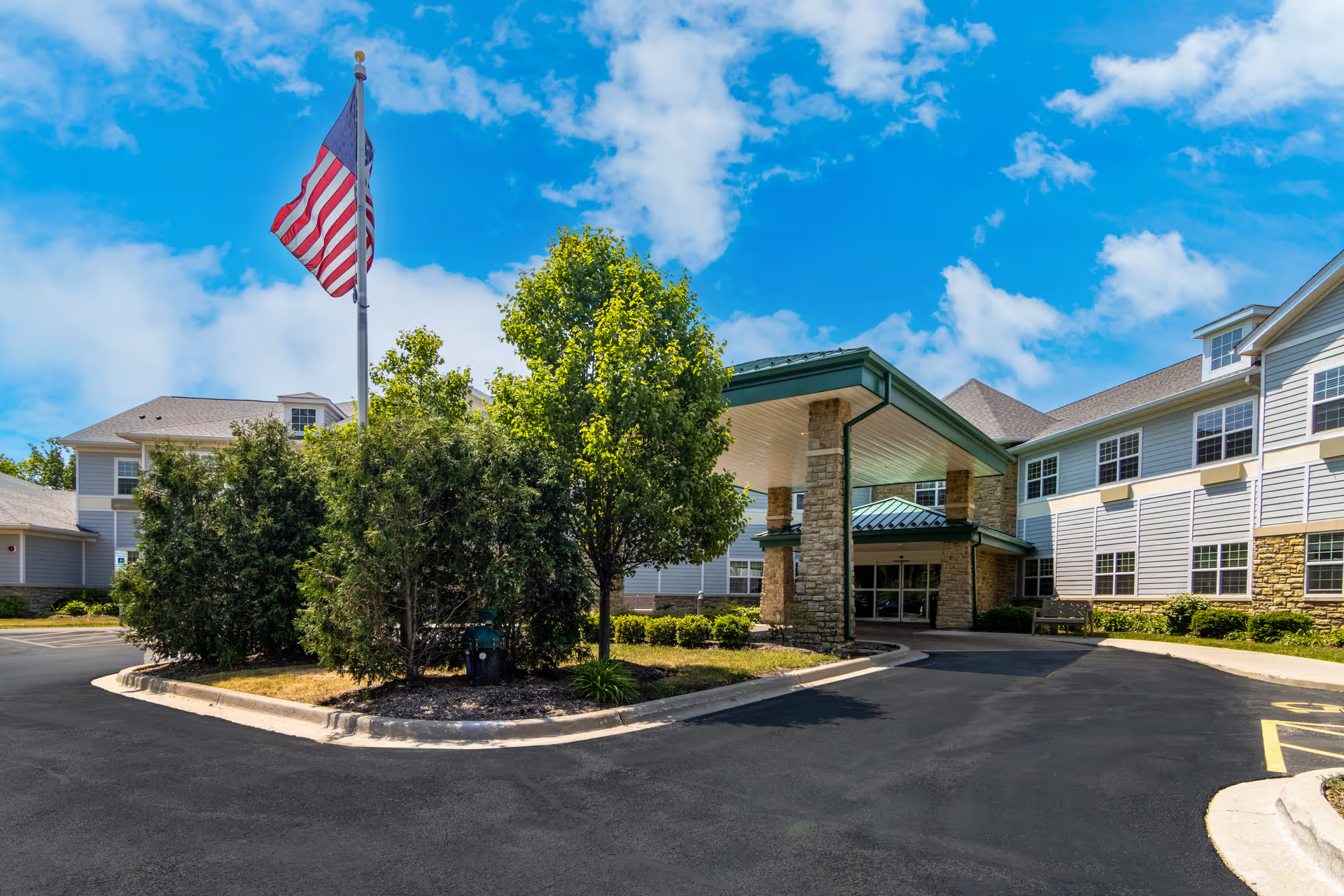
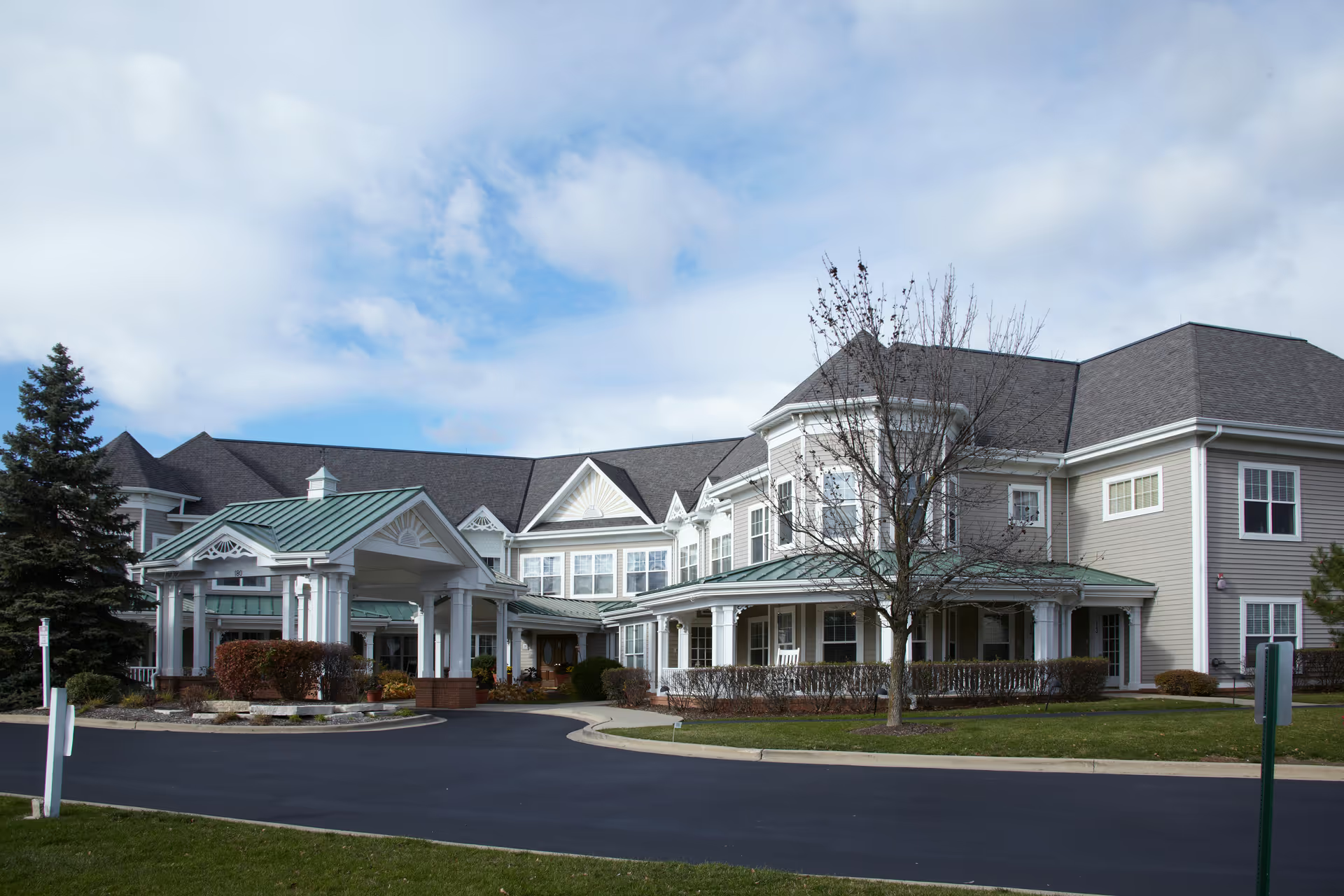
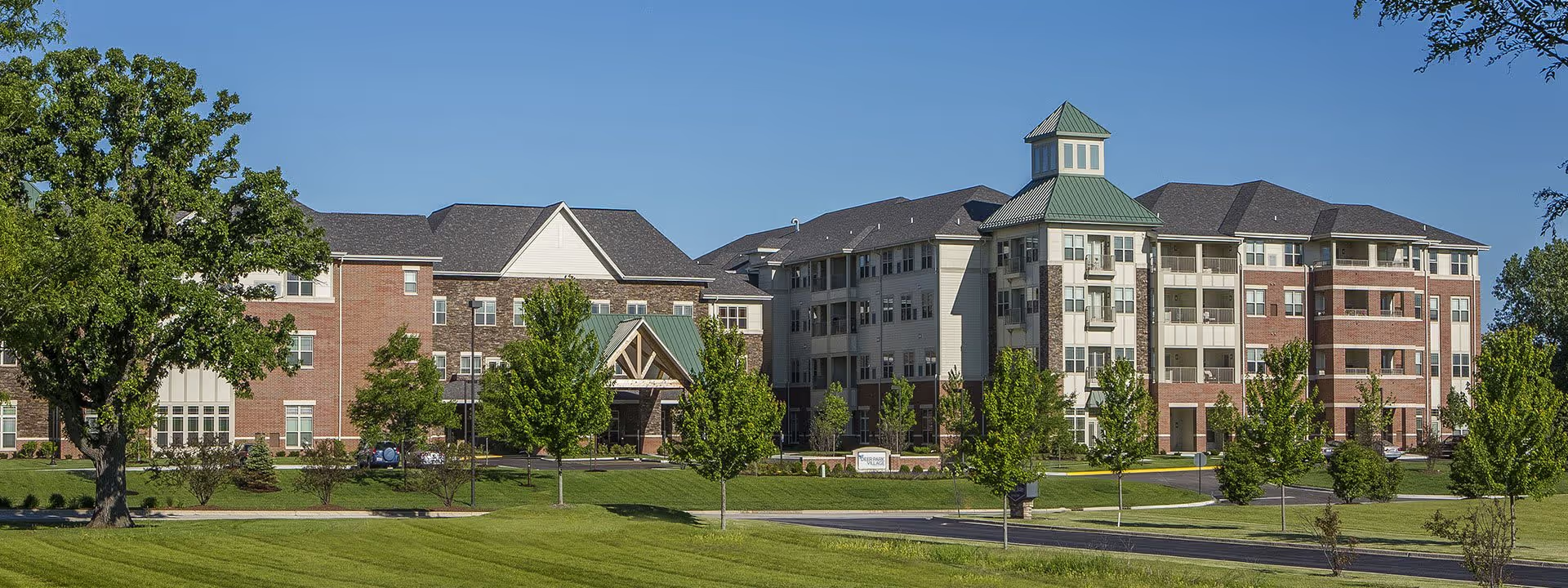
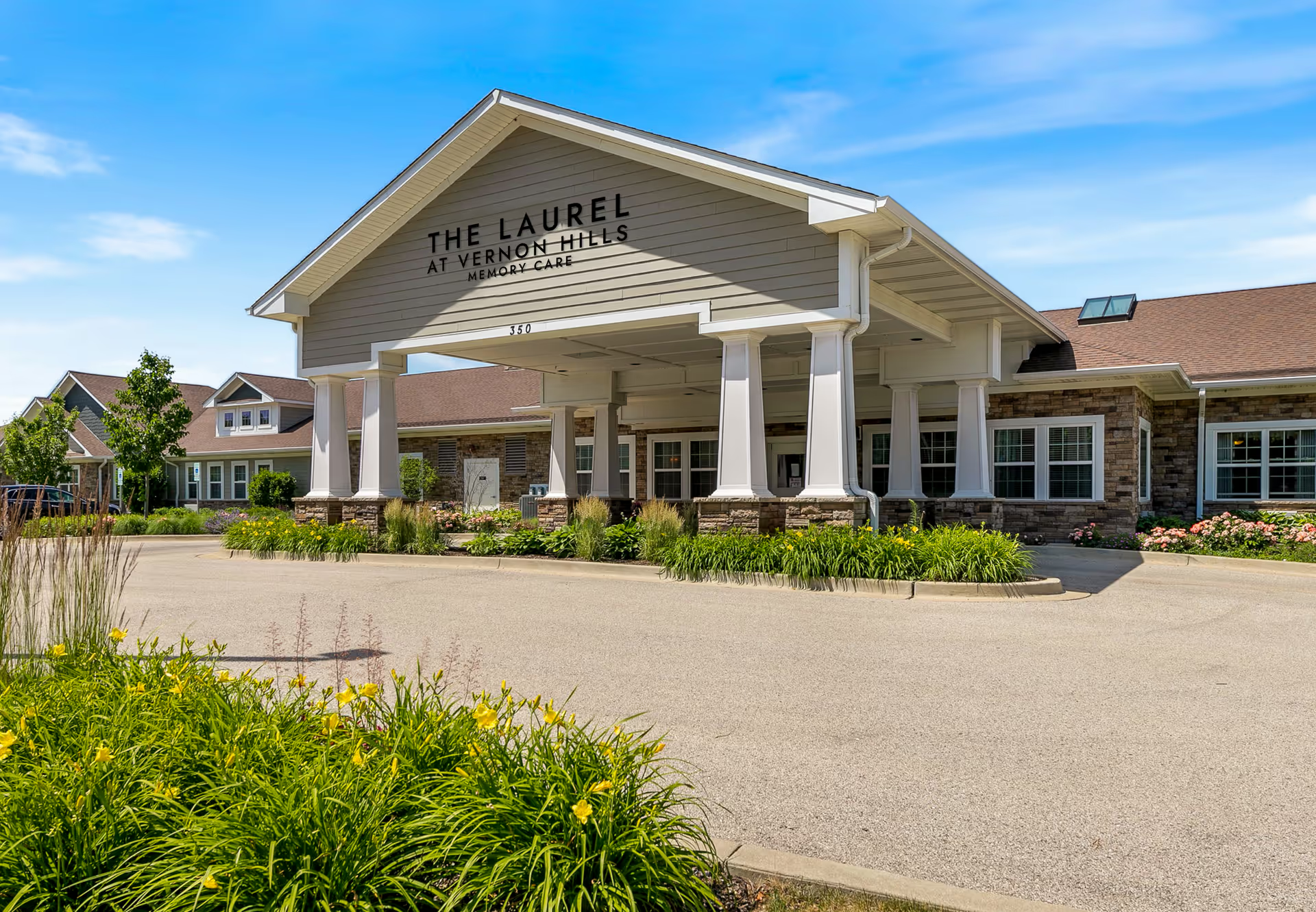
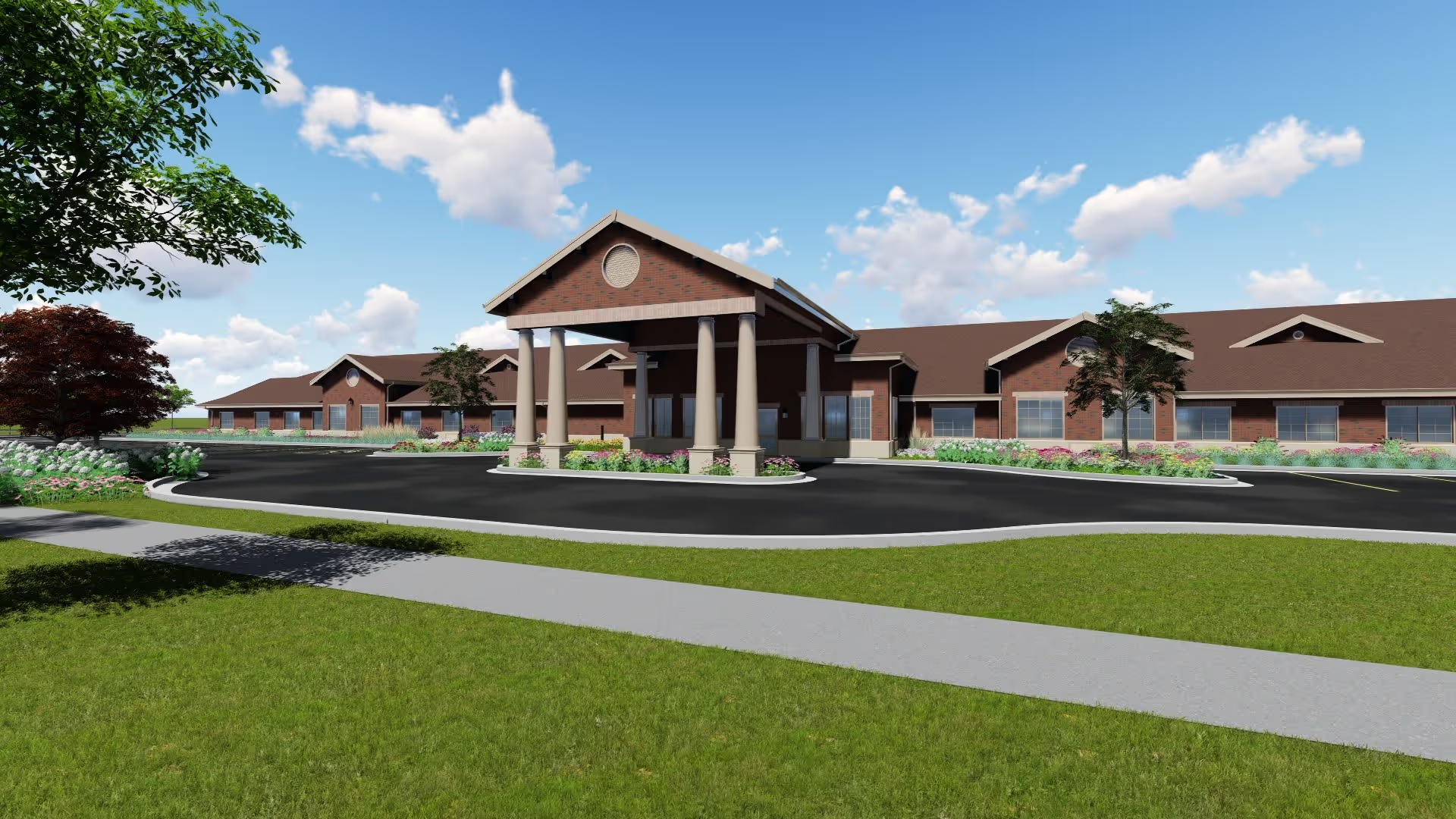
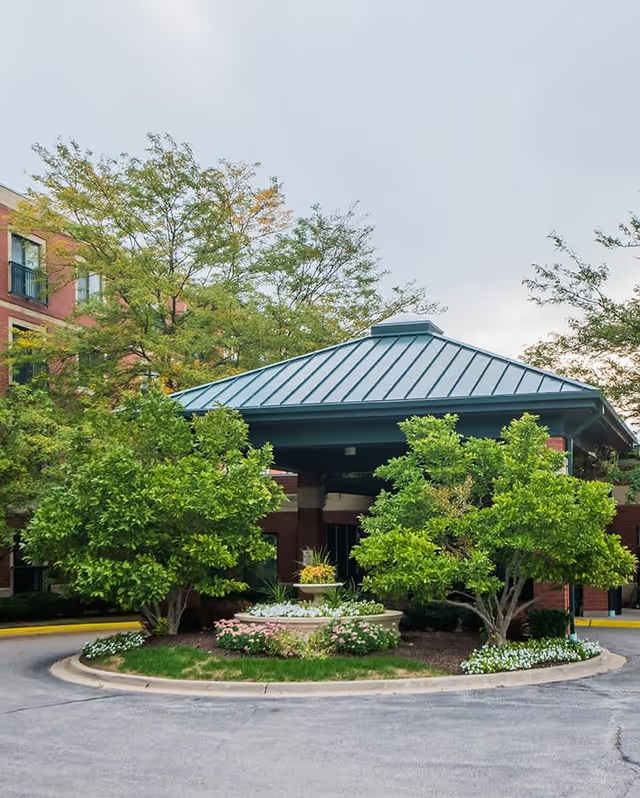
Facilities and operations: The building design, suite sizes, and common spaces receive strong positive remarks for being bright, spacious, and hotel‑like. Maintenance responsiveness is often singled out as a practical asset (shuttle, repairs). Operational problems also appear intermittently: heating outages, move‑in logistics failures, misplaced belongings, and other building‑system reliability issues have been reported and contribute to family frustration.
Management, communication, and financial practices: Communication quality varies markedly. Some families praise transparent, responsive leadership; others report unreturned calls, delayed notifications about health events, and unclear pricing or billing practices. There are also a small number of serious allegations regarding missing personal property and disputed refunds/billing; these claims suggest the need for stronger controls over property, admissions processes, and financial transparency.
Notable patterns and decision guidance: Prospective residents and families should weigh the facility’s strong physical environment, frequently compassionate staff, and robust activity offerings against evidence of operational variability. Those prioritizing a modern setting with active programming and attentive caregivers may find this community attractive, but families for whom consistent leadership, guaranteed staffing levels, predictable meal service, and tight financial controls are decisive should seek written clarifications and documented commitments during the tour and contract phase. A focused walkthrough of the memory‑care unit, night staffing plan, meal schedules, admission/refund policies, and recent leadership tenure will help clarify how current operational practices align with family expectations.