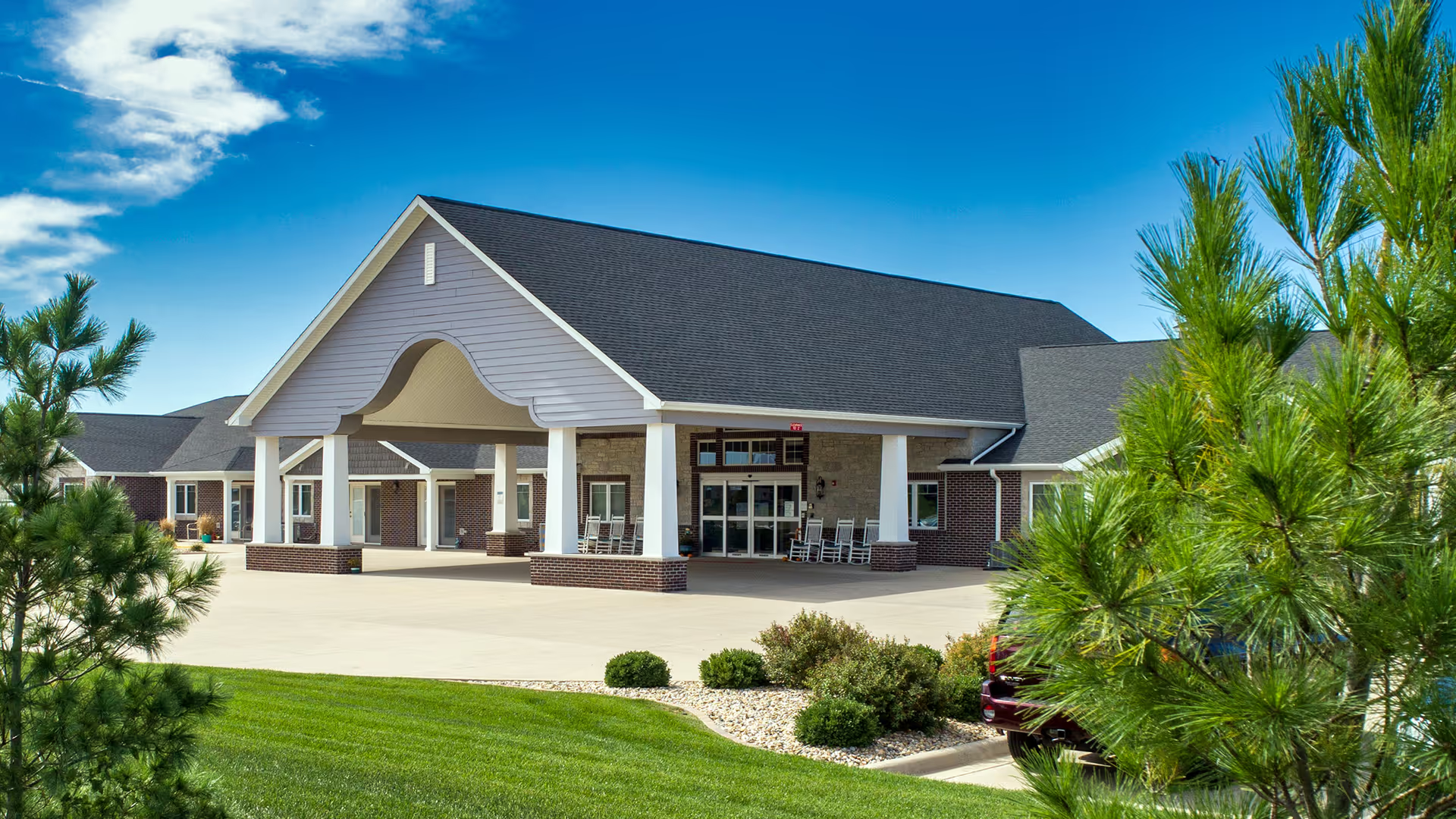
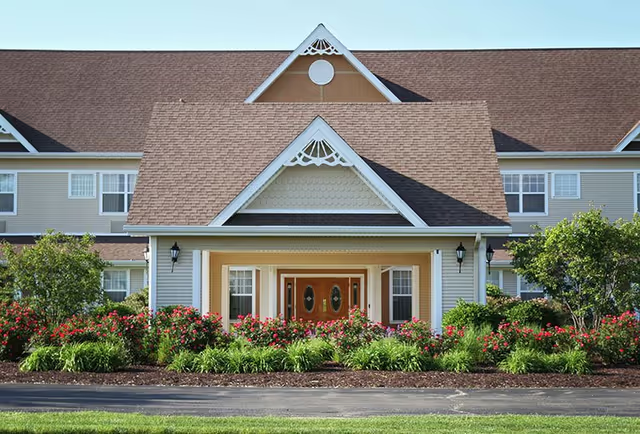
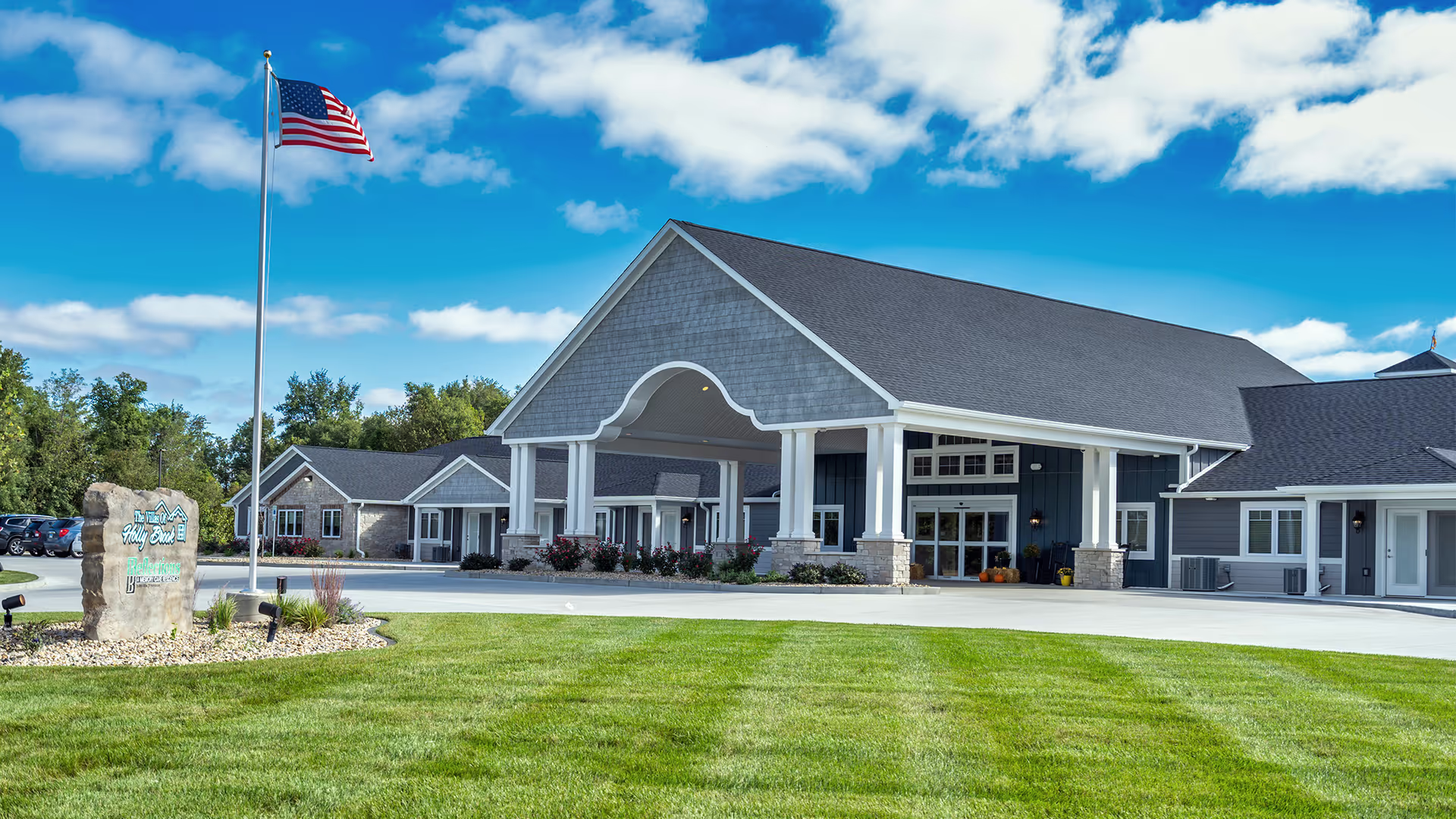
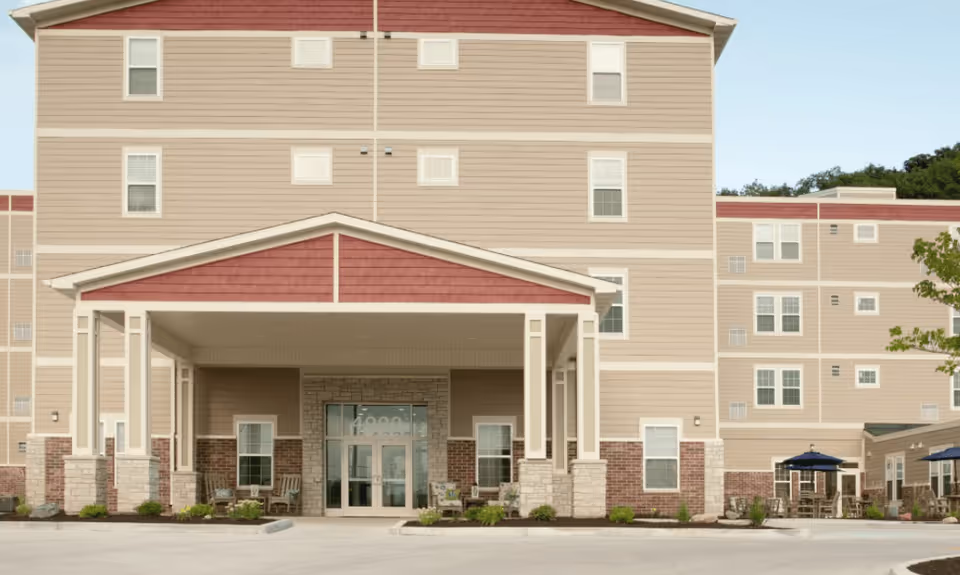
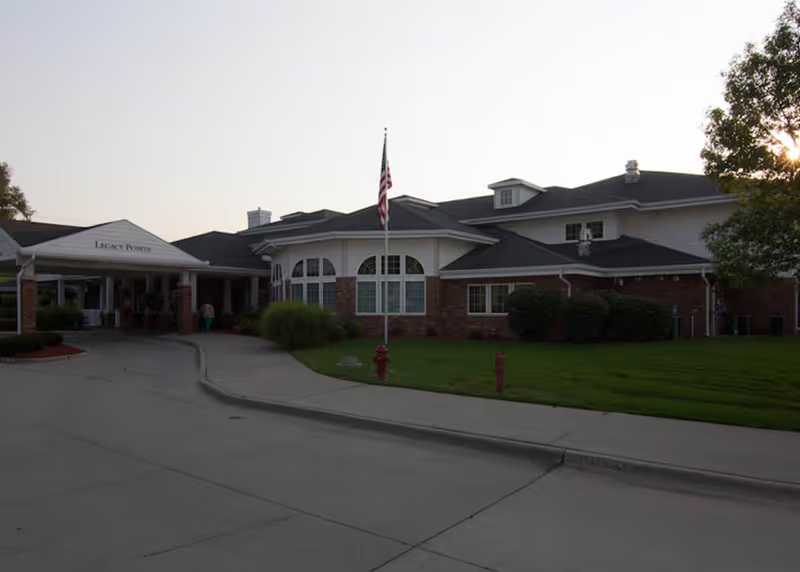
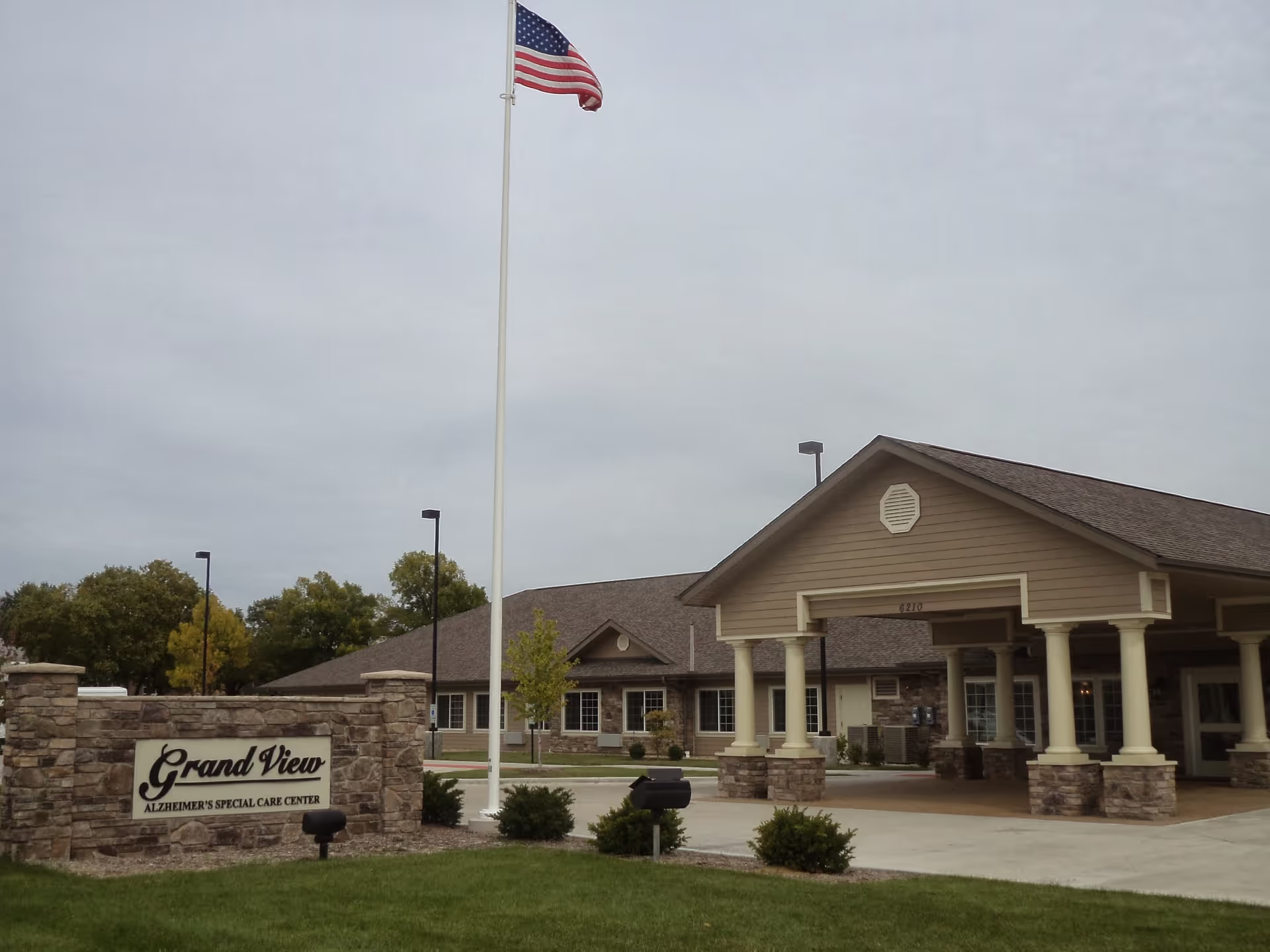
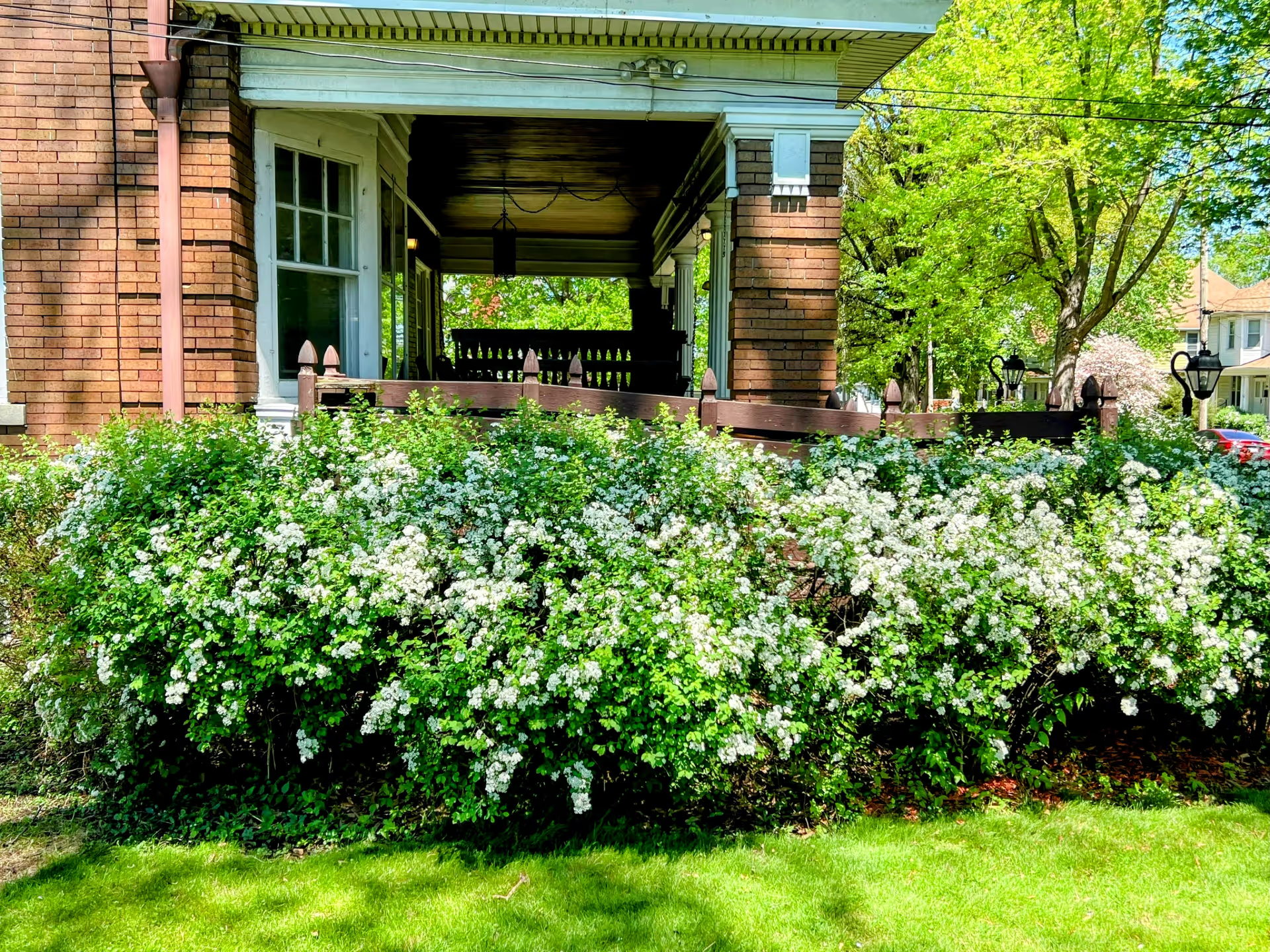
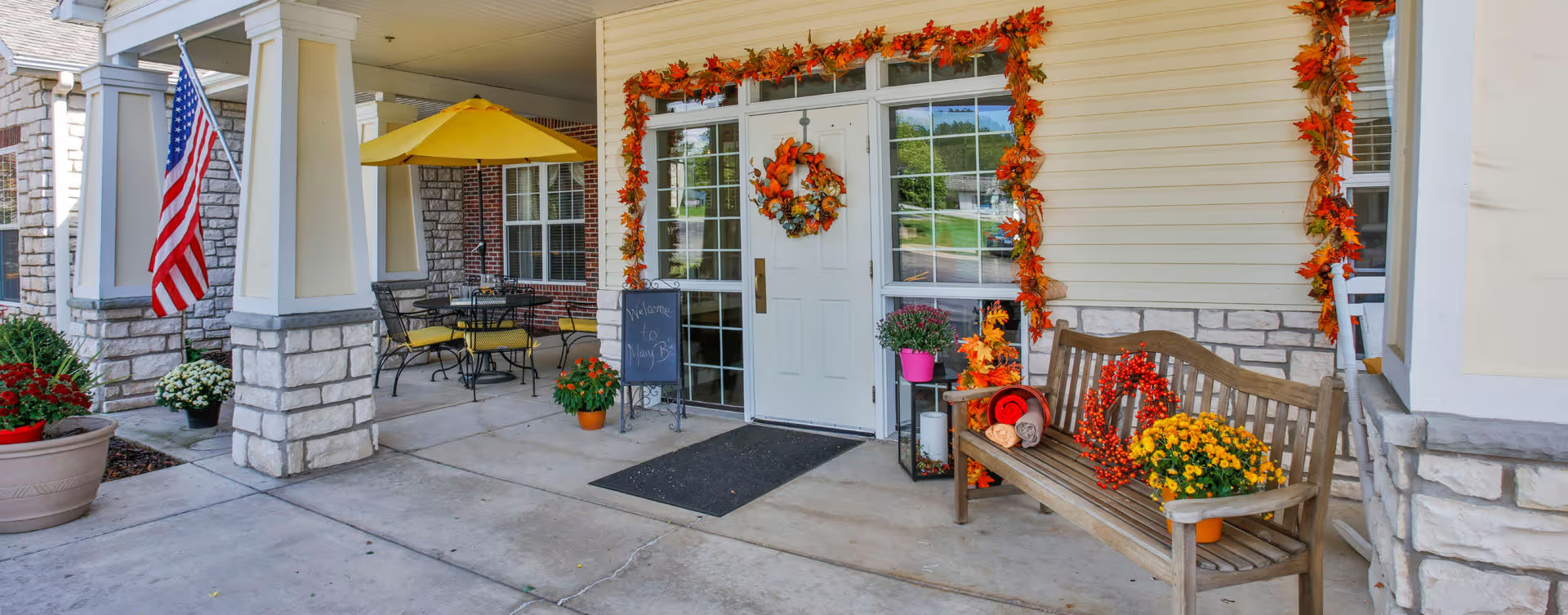
Overall impression: Snyder Village presents as a well-maintained, modern assisted‑living community with many strengths in day‑to‑day resident life. The campus is often described as clean, updated, and home‑like, with pleasant common areas, a nice dining room, exercise and library spaces, and recent construction in new wings. Families and residents commonly note a safe environment and visible emergency preparedness features.
Care and staff: The facility’s strongest asset in these reviews is its caregiving team. Staff are routinely characterized as compassionate, respectful, and attentive; reviewers describe staff who are knowledgeable, professional, and able to build close relationships with residents. Medication administration and routine clinical support are frequently cited as timely and reliable. Administration is also described as open to suggestions and engaged in continuous improvement, and the community supports family involvement and escalation of care when needs change.
Memory care and clinical coordination: A consistent concern relates to dementia care and broader clinical coordination. Although Snyder Village operates a locked memory‑care unit, reviewers express that its programming and clinical planning for residents with dementia may be limited compared with other specialized facilities in the area. Relatedly, there are critiques about care‑planning processes and coordination with outside medical providers; these indicate gaps in individualized clinical planning and in seamless communication between the facility and external clinicians.
Dining and activities: Dining gets mixed feedback. Positive notes include made‑to‑order breakfasts, enjoyable meals, and a pleasant dining atmosphere. At the same time, some families perceive portions of the menu as institutional in character or inconsistent in quality. Activity programming is a prominent positive in many accounts — daily games, entertainment, and supervised outings are highlighted — but programming appears uneven across units, with some residents experiencing limited offerings.
Management, communication, and operations: Reviews reflect a division in perception of management. Many families praise a receptive administration and prompt responses, while others cite communication shortfalls, broken commitments, or a tone problem in interactions. Concerns about staff workload and morale are present and tied to instances of inconsistent conduct; these operational weaknesses can affect reliability of daily services. Pricing perception also varies: some view the community as competitively priced, whereas others find affordability an issue. Finally, geographic location is suitable for some but may be inconvenient for family members depending on where they live.
Bottom line: For prospective residents who prioritize a modern facility, attentive caregiving, active social programming, and responsive admission-to-care escalation, Snyder Village shows clear strengths. Families focused on specialized dementia care, tightly coordinated clinical planning with external providers, or uniformly consistent daily-service delivery should evaluate the memory‑care program and ask specific questions about care plans, clinical coordination, staffing patterns, and activity schedules to determine fit.