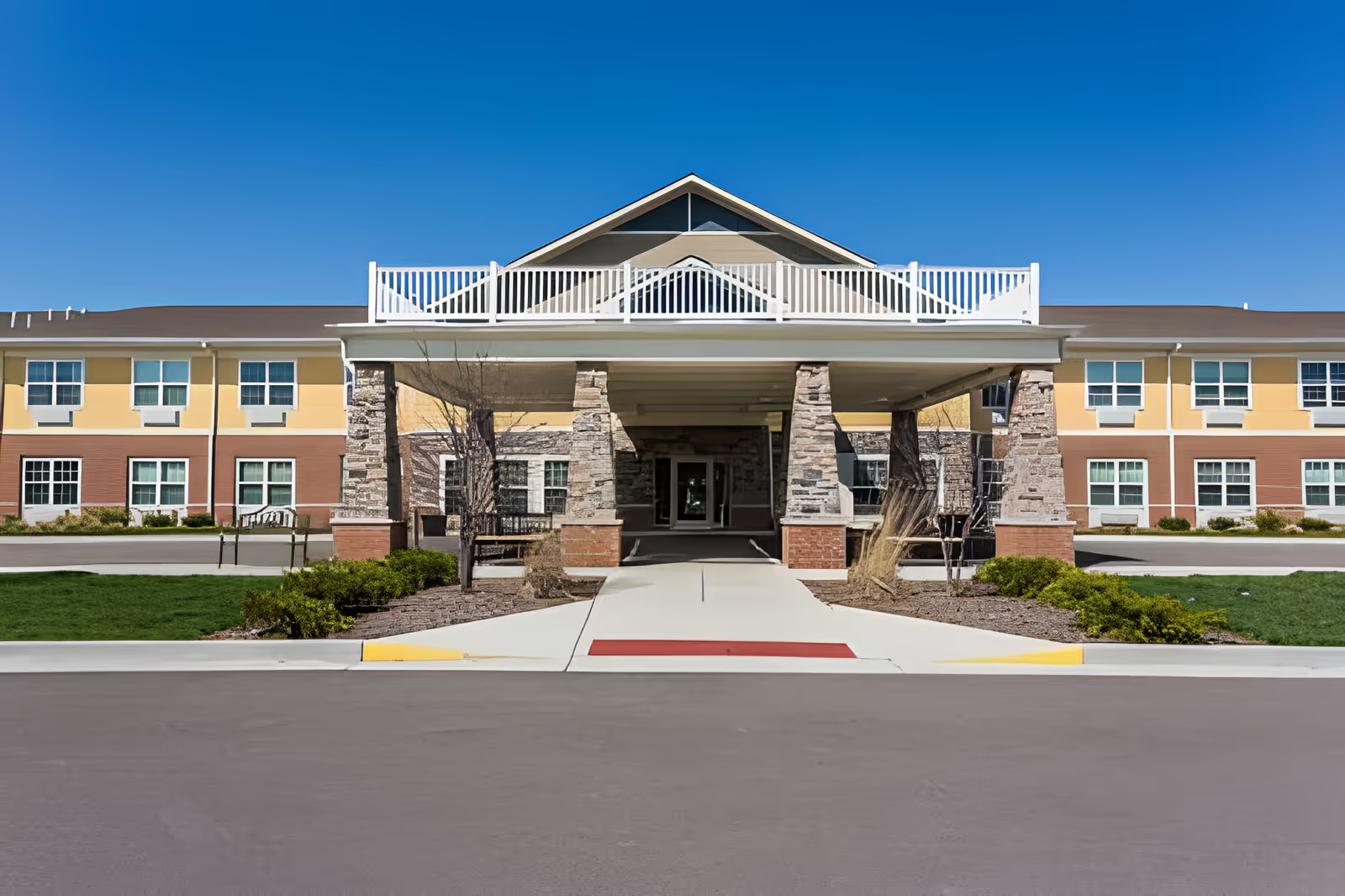
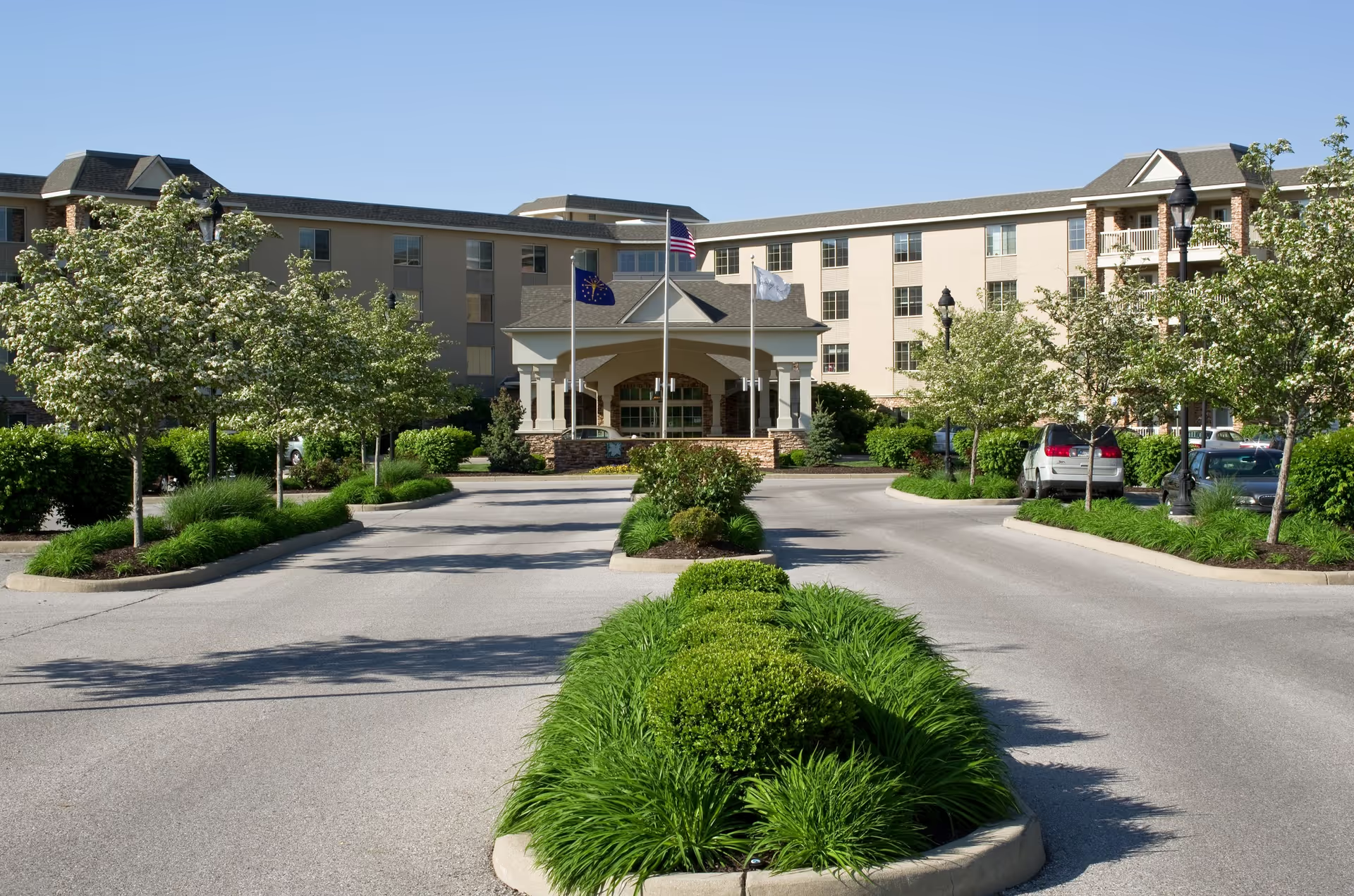
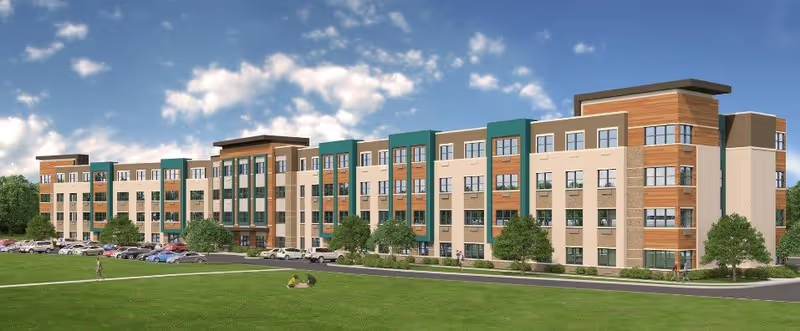
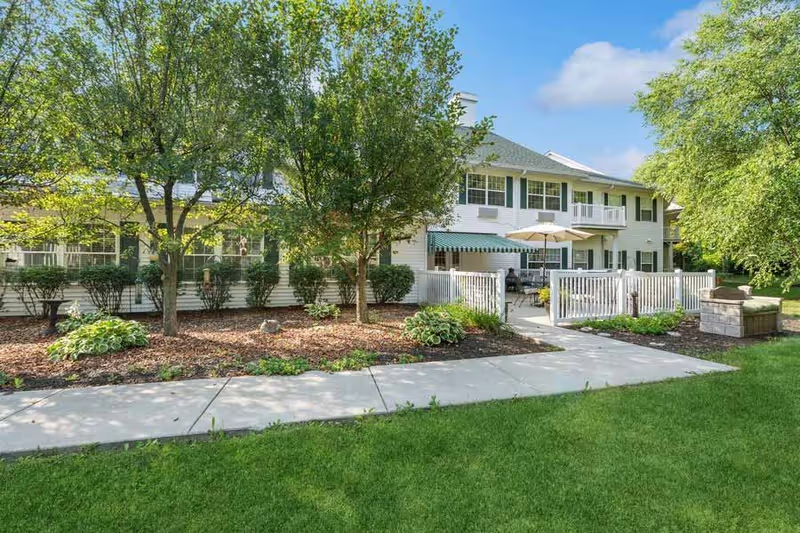
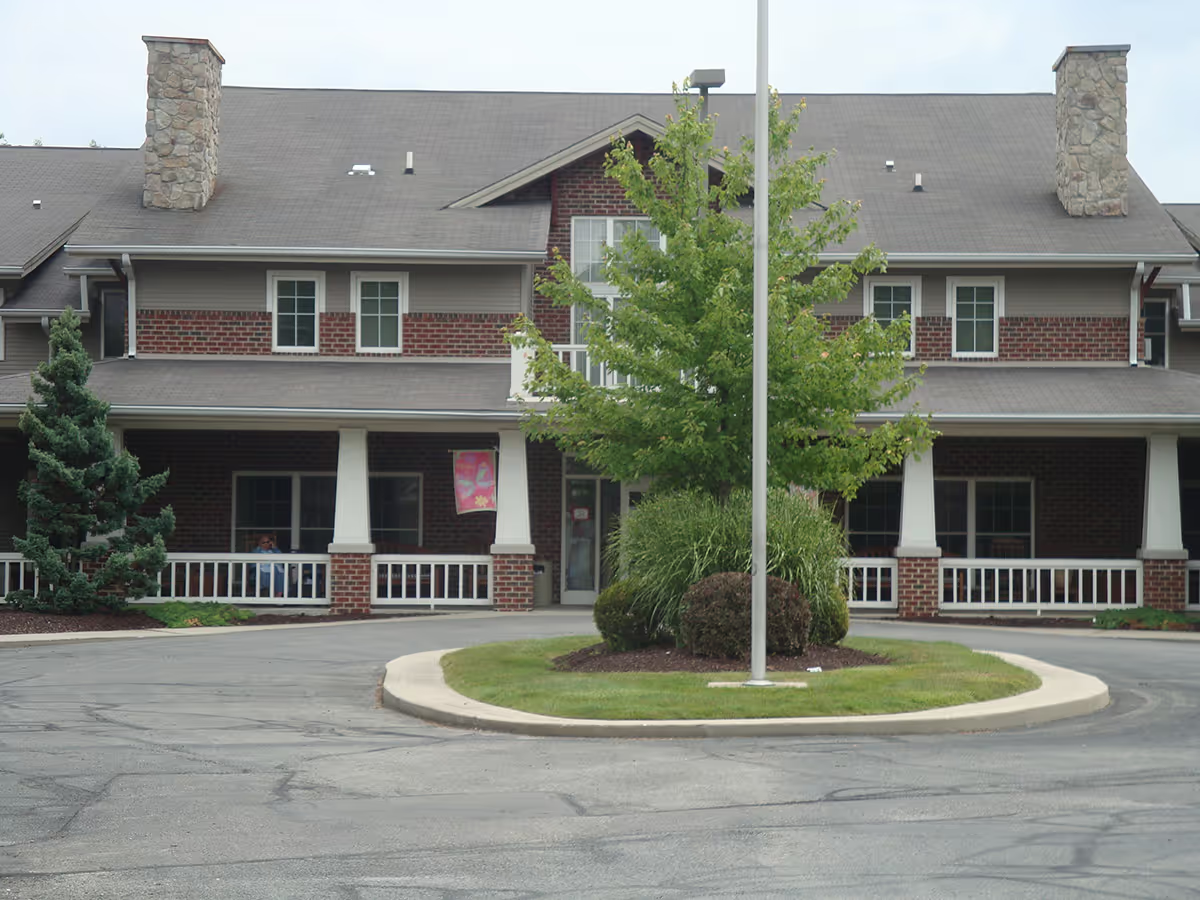
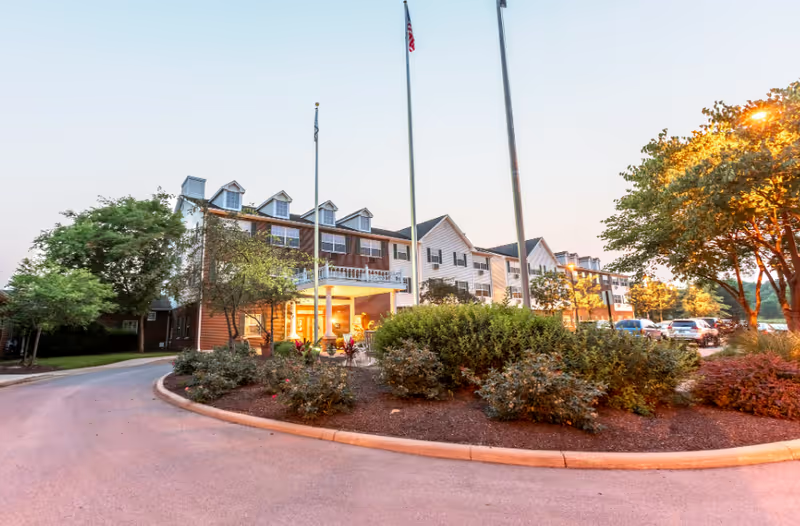
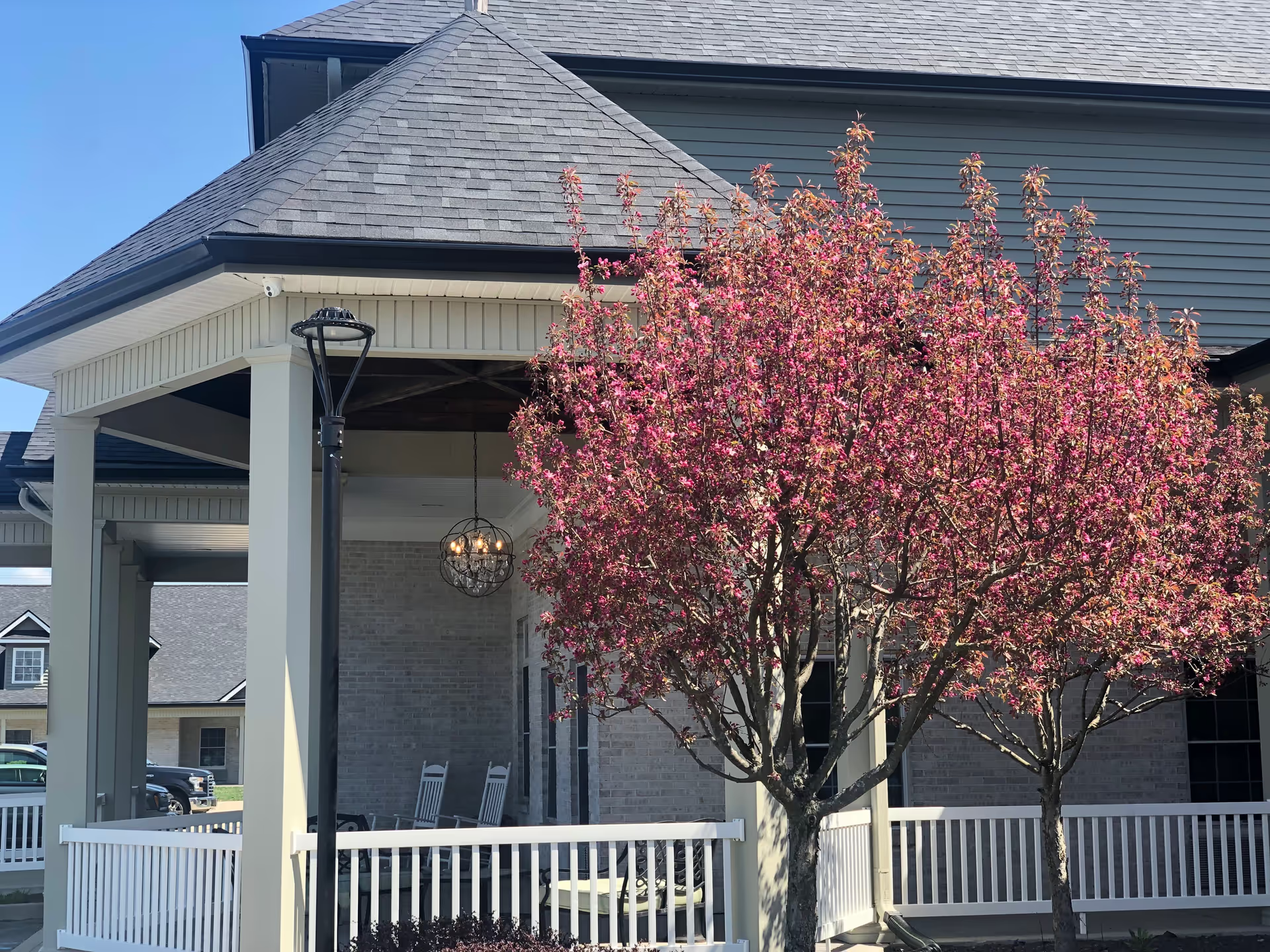
Wellbrooke of Avon presents as a modern, well-appointed rehabilitation and senior care campus that many families and residents find welcoming. The facility’s physical environment—new construction, private rooms or apartment-style units, attractive common areas, and generally strong housekeeping—is a consistent positive. The therapy departments (physical, occupational, and speech therapy) receive frequent praise for effective, motivating care that leads to measurable functional gains. Activities programming and social engagement are commonly described as varied and successful at keeping residents involved.
Staffing impressions are mixed and appear to be the primary driver of divergent experiences. Numerous accounts describe compassionate, attentive CNAs, therapists, and admissions/social-work personnel who communicate well with families and provide individualized attention. At the same time, there are recurrent accounts of inconsistent nursing coverage and clinical oversight: delays in responding to call lights, missed or late medications, and uneven adherence to wound-care and medical-equipment protocols (including oxygen management). These operational gaps have, in multiple instances, been associated with escalations to emergency care or rehospitalization.
Dining and daily living services are generally viewed positively for variety and presentation; however, families have raised operational concerns about meal delivery continuity and food temperature on occasion. Housekeeping and common-area maintenance are often commended, yet some reviews cite sanitation and room-cleaning inconsistencies in select rooms. Transportation and concierge-style services are available, though there are notes about outsourced transport fees and questions about billing clarity.
Management and leadership receive both commendation and criticism. Several administrators and directors are singled out for hands-on responsiveness, clear communication, and good discharge planning. Conversely, other families describe slow or inadequate responses to clinical or billing concerns and express frustration when escalation channels are not effective. Taken together, the pattern suggests that individual team members and units strongly influence the overall experience.
Overall, Wellbrooke of Avon appears well suited for patients whose primary need is intensive rehabilitation and who will benefit from an active therapy program in a modern setting. Prospective residents and families should confirm current nursing-staffing levels, weekend and holiday coverage, protocols for wound care and oxygen/equipment maintenance, medication-administration safeguards, and written escalation/contact processes with leadership. Doing so can help align expectations and identify whether the facility’s strengths match the resident’s clinical and safety needs.