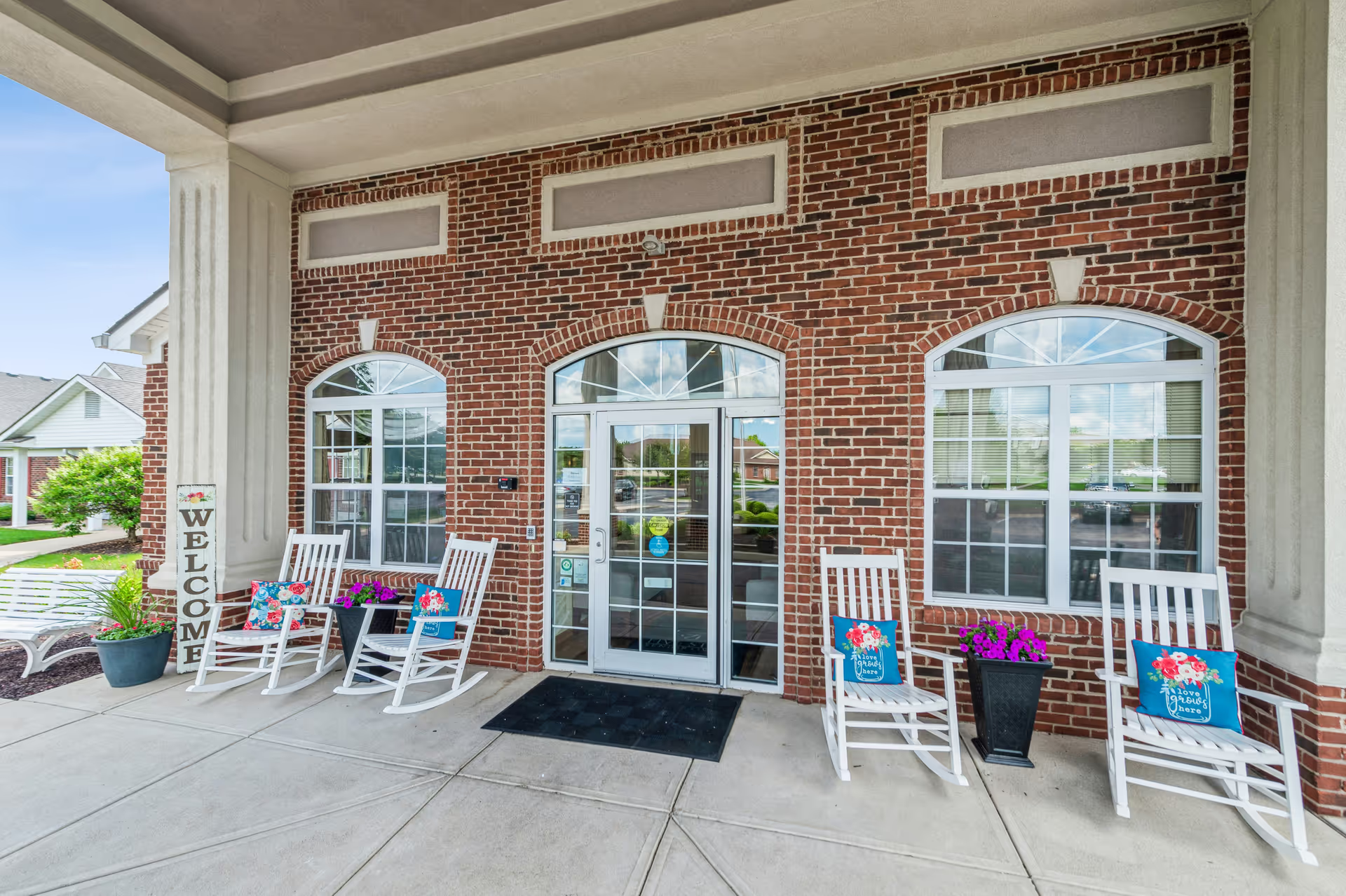
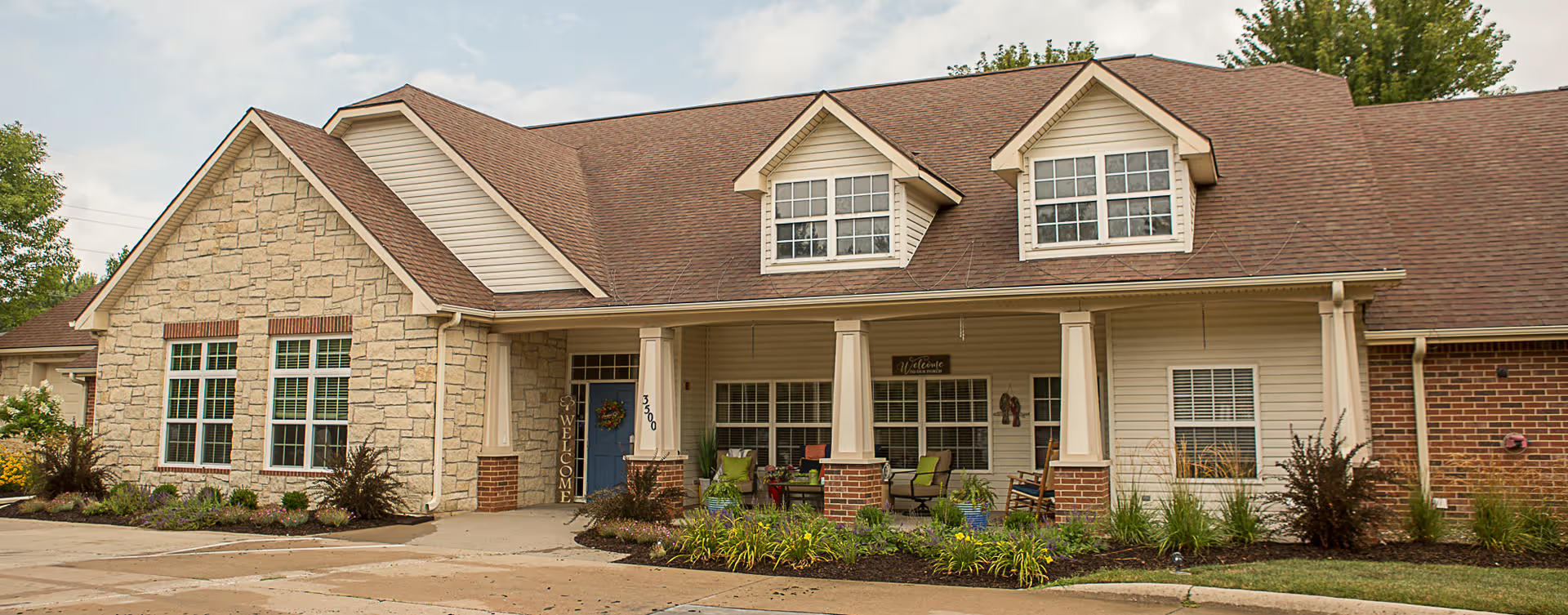
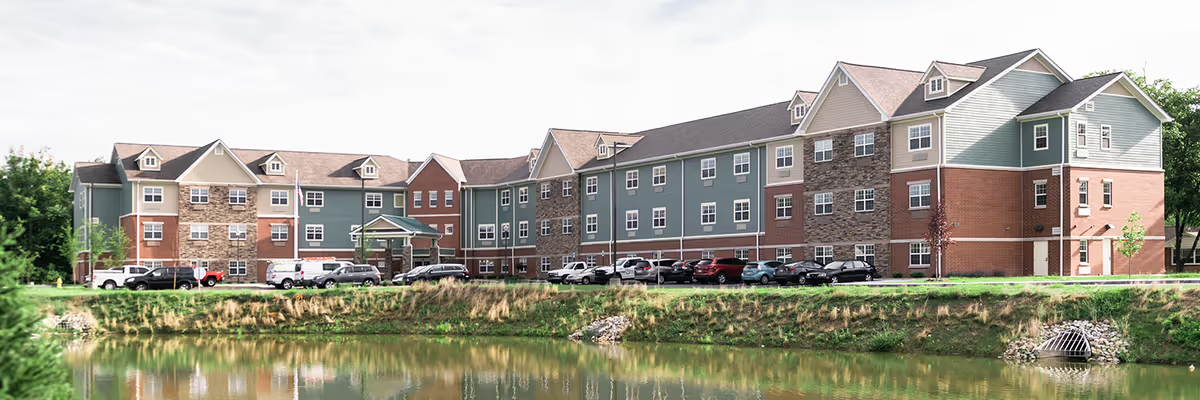
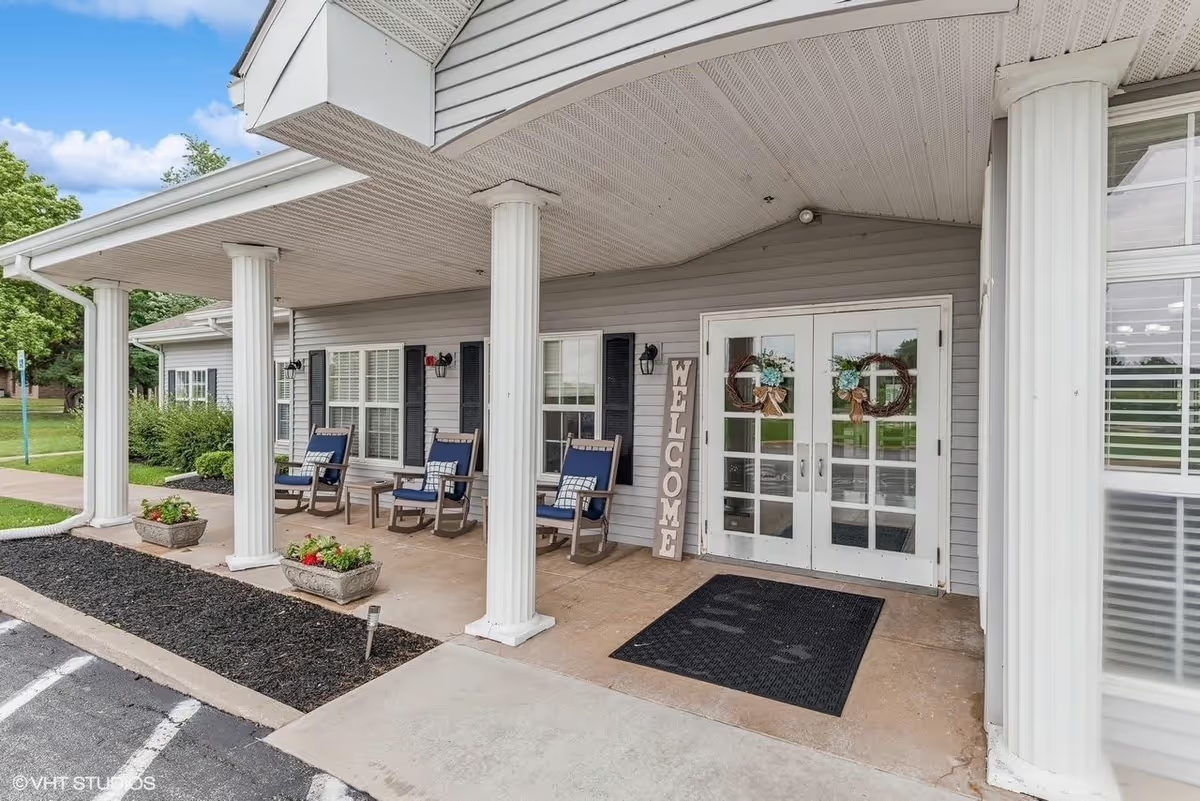
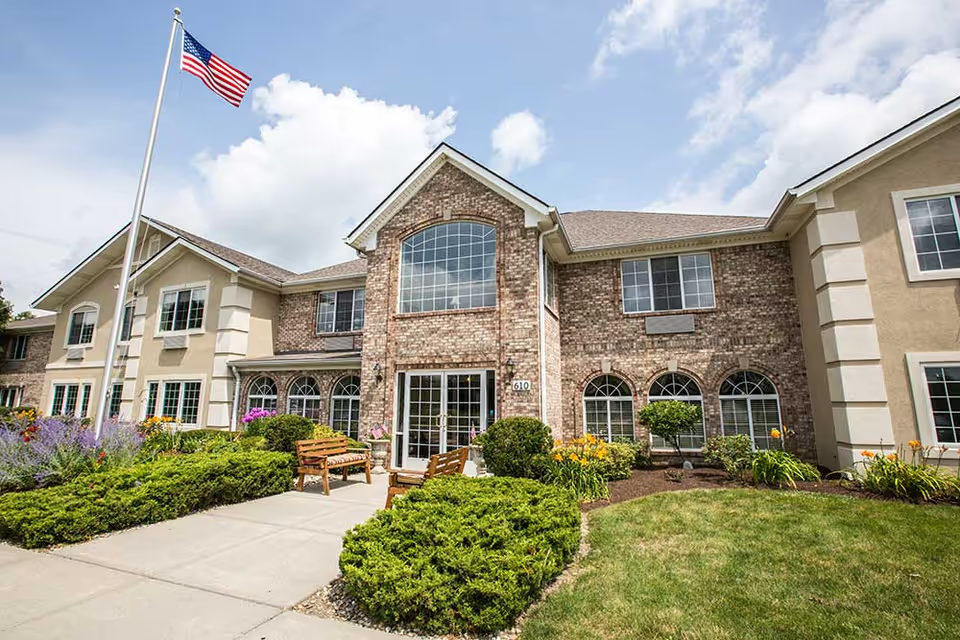
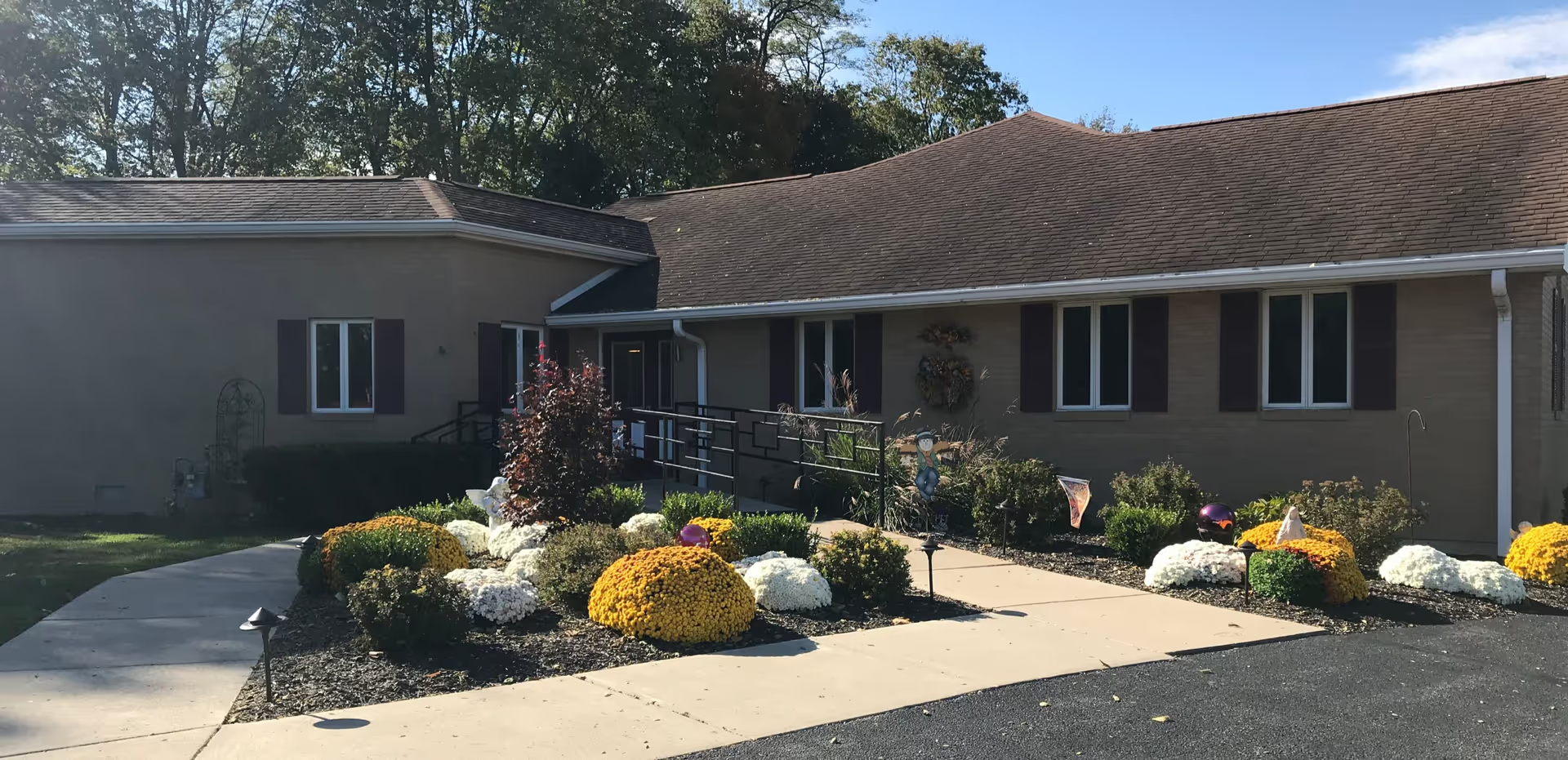
Aster Place appears to be a sizeable, well-appointed senior living community with many features families value: contemporary construction in many wings, a broad set of on-site amenities (fitness center, theater, library, salon), varied apartment types including independent and assisted configurations, and an active calendar of social programming and outings. Many reviewers emphasize the welcoming, personable demeanor of front-line staff and dining personnel, clean and attractive common areas, and an environment that can feel home-like and socially engaging. Dining receives generally favorable comments for variety and presentation in many accounts, and transportation/outing services are a commonly noted convenience.
At the same time, reviewer feedback reveals operational inconsistencies that prospective families should evaluate closely. Clinical and care-quality themes include inconsistent medication administration and missed clinical tasks, instances of delayed or incomplete personal-care attention, and specific concerns about the adequacy of memory-care staffing and oversight. Several accounts describe safety-related concerns such as fall-prevention weaknesses and lapses in response practices. These items suggest variability in day-to-day care performance that appears linked to staffing levels, staff training, and supervisory follow-through.
Service delivery and management issues recur in other domains. Meal quality and tray service are described as uneven: some residents and families praise the culinary program, while others describe bland food, long waits, or meal-delivery gaps. Maintenance and transportation responsiveness are generally adequate for many residents but have been described as slow to address breakdowns or scheduling problems in other accounts. Admissions and front-desk interactions are frequently praised for being smooth and communicative, yet there are also comments about billing clarity and additional charges that affect perceived value. After-hours access procedures and delays entering the building have been noted as a family-communication and logistics pain point.
Facility layout, unit finishes, and programming accessibility are additional mixed areas. The campus provides a variety of apartment sizes and living models, but some units are described as small or constrained for larger furniture, and there is variability in finish quality across newer and older wings. Outdoor and mobility-accessible exterior areas are limited in places, and sidewalks/walking spaces have been identified as insufficient for residents who use walkers. Activity offerings are broad and generally robust, though engagement can be limited for residents with higher-dependency needs or mobility restrictions.
Notably, a subset of reviews raise serious concerns about staff conduct and compliance, including allegations of inappropriate interactions and problematic managerial responses. Those accounts are less consistent with the majority of positive feedback but are sufficiently significant that prospective residents and families should inquire about staffing ratios, staff training hours, incident reporting procedures, and recent regulatory or compliance history.
Overall, Aster Place offers many institutional strengths—clean, modern spaces, varied amenities, active programming, and a core of committed staff. However, variability in clinical consistency, memory-care oversight, meal-service reliability, and certain operational practices suggests that an individualized assessment is important. Recommended pre-move steps include a focused tour of the specific unit type under consideration, direct questions about medication and clinical protocols, requests for staffing ratios and training documentation (especially for memory care), a sample menu and meal-service timing overview, and review of billing/extra-fee policies. These measures will help families weigh the facility’s strong amenities and community culture against the operational risks highlighted in several reviews.