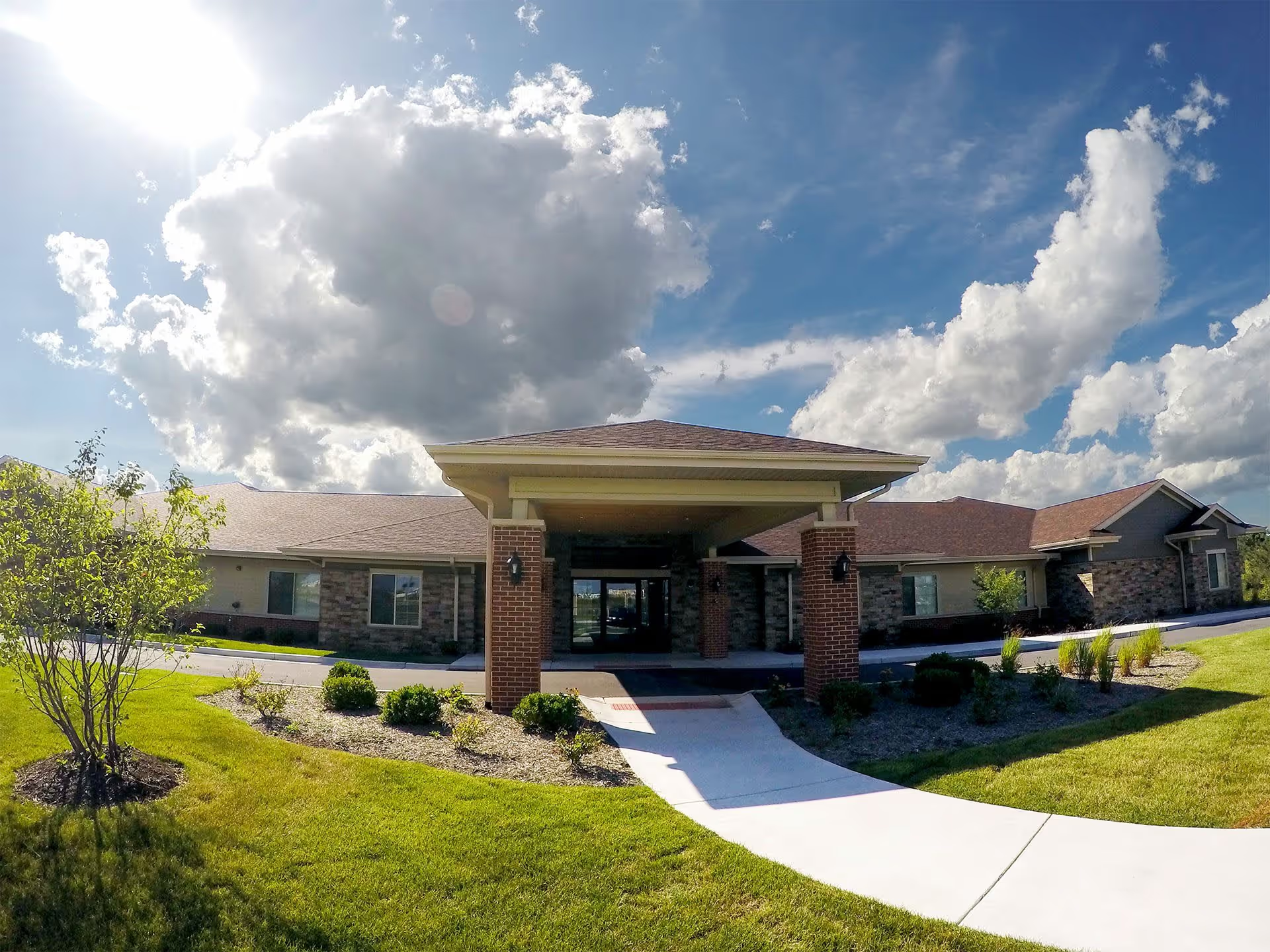
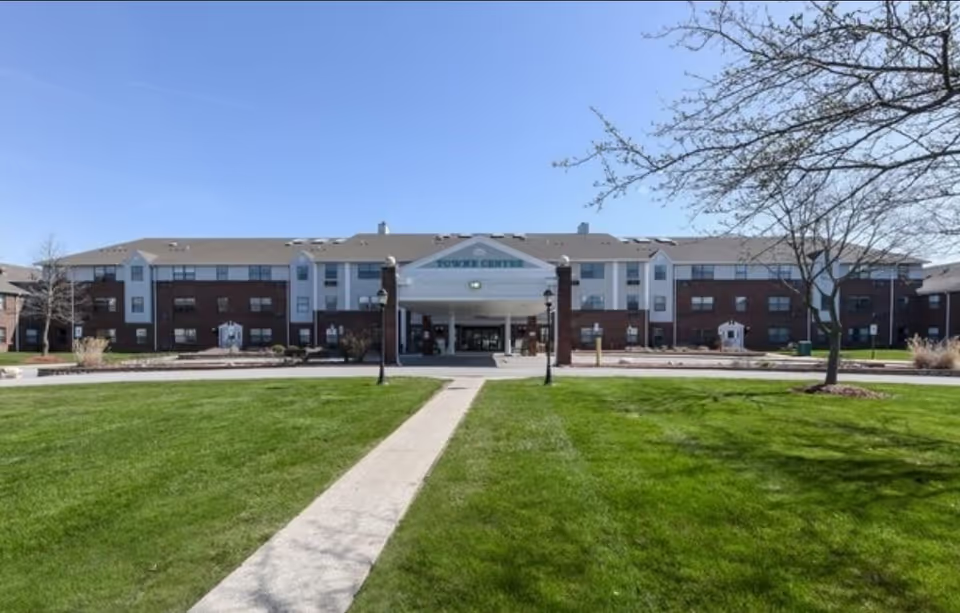
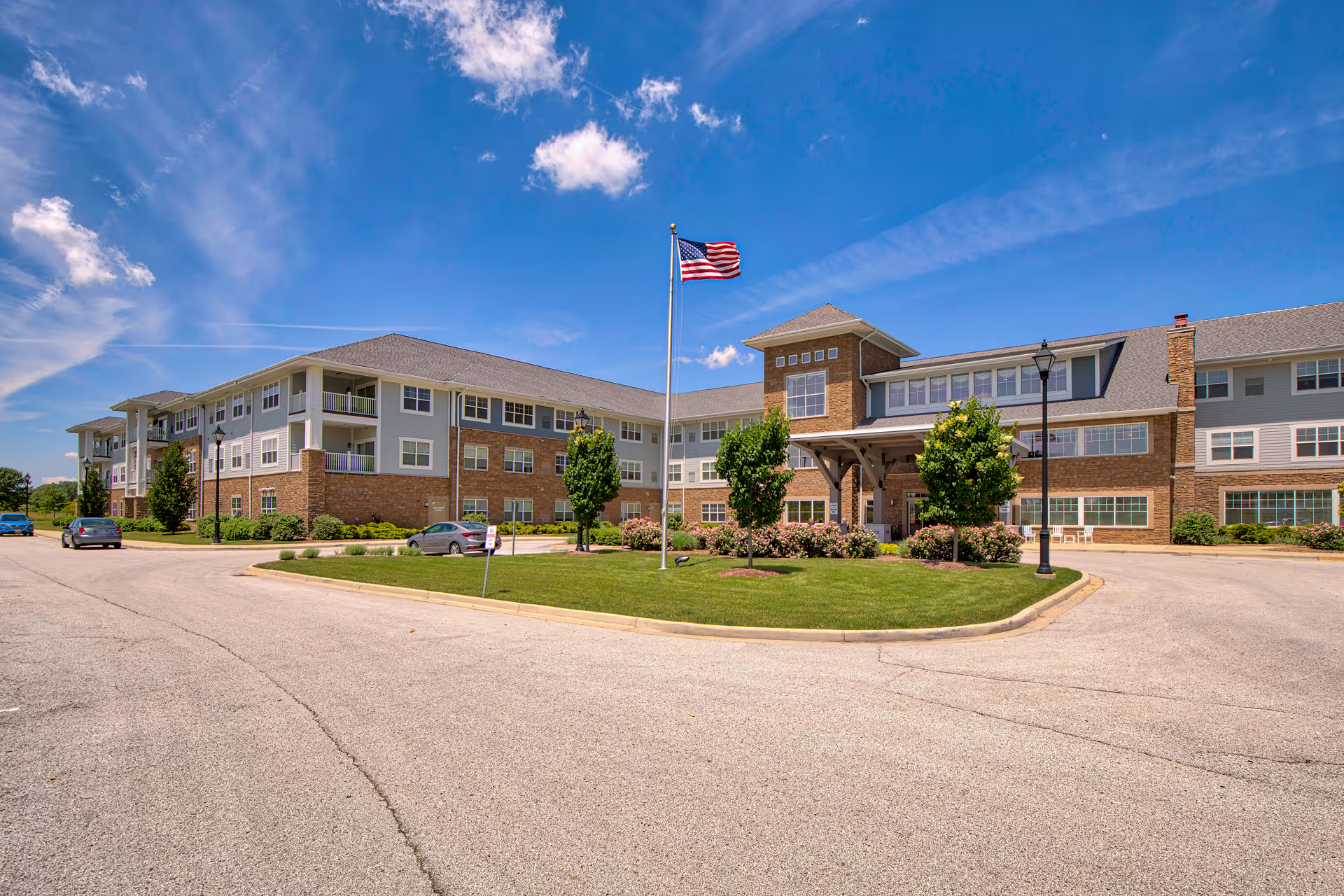
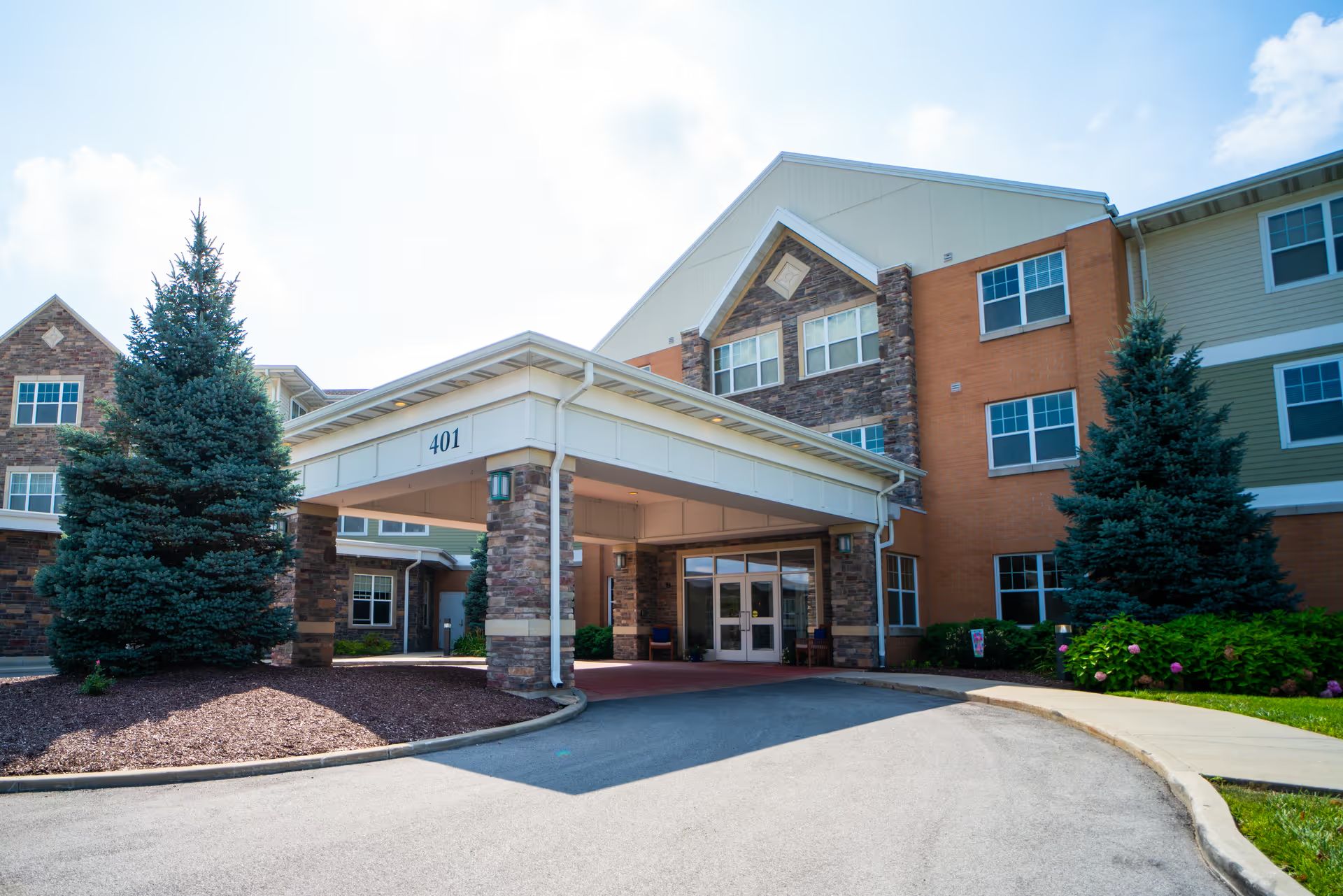
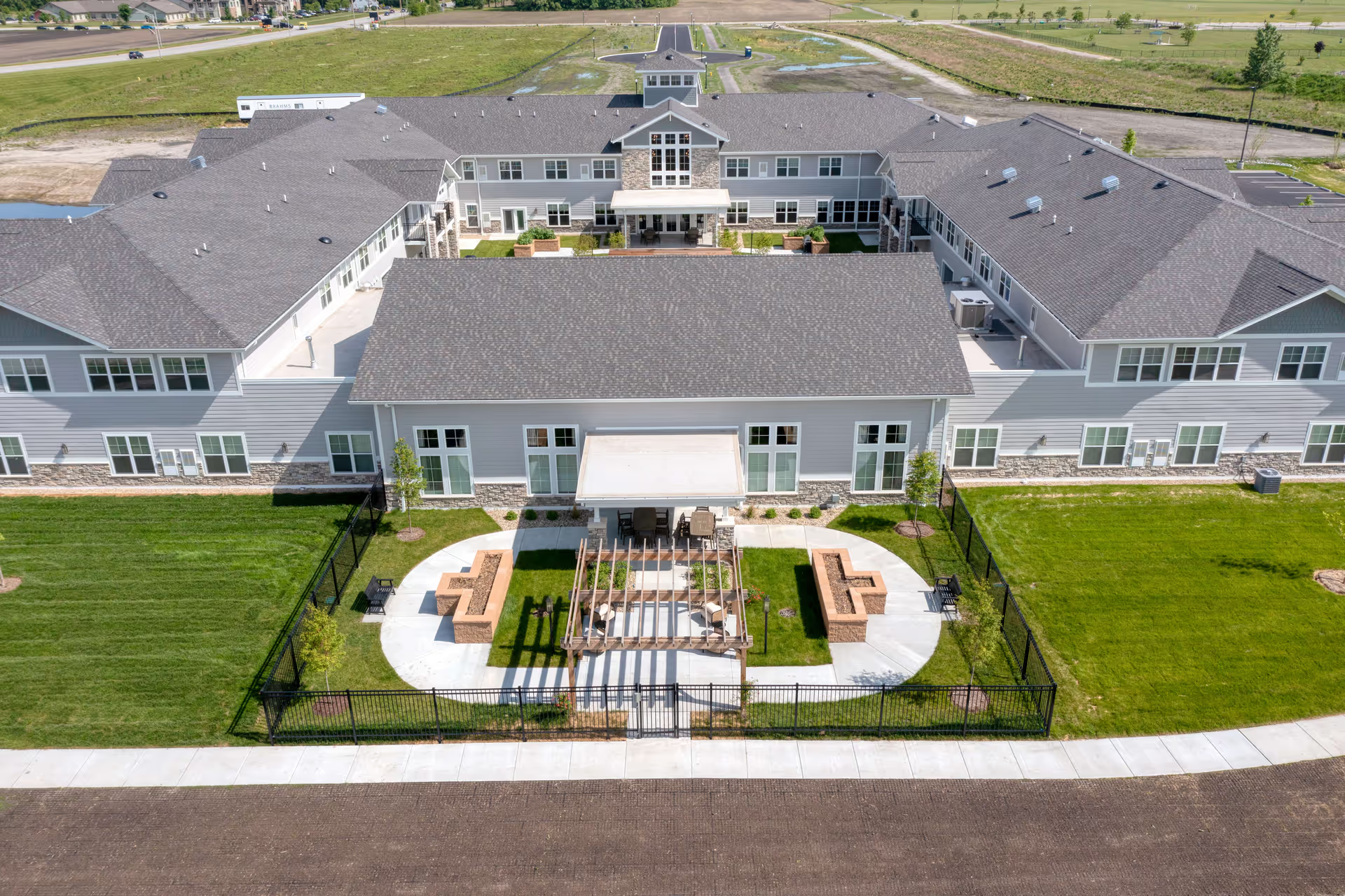
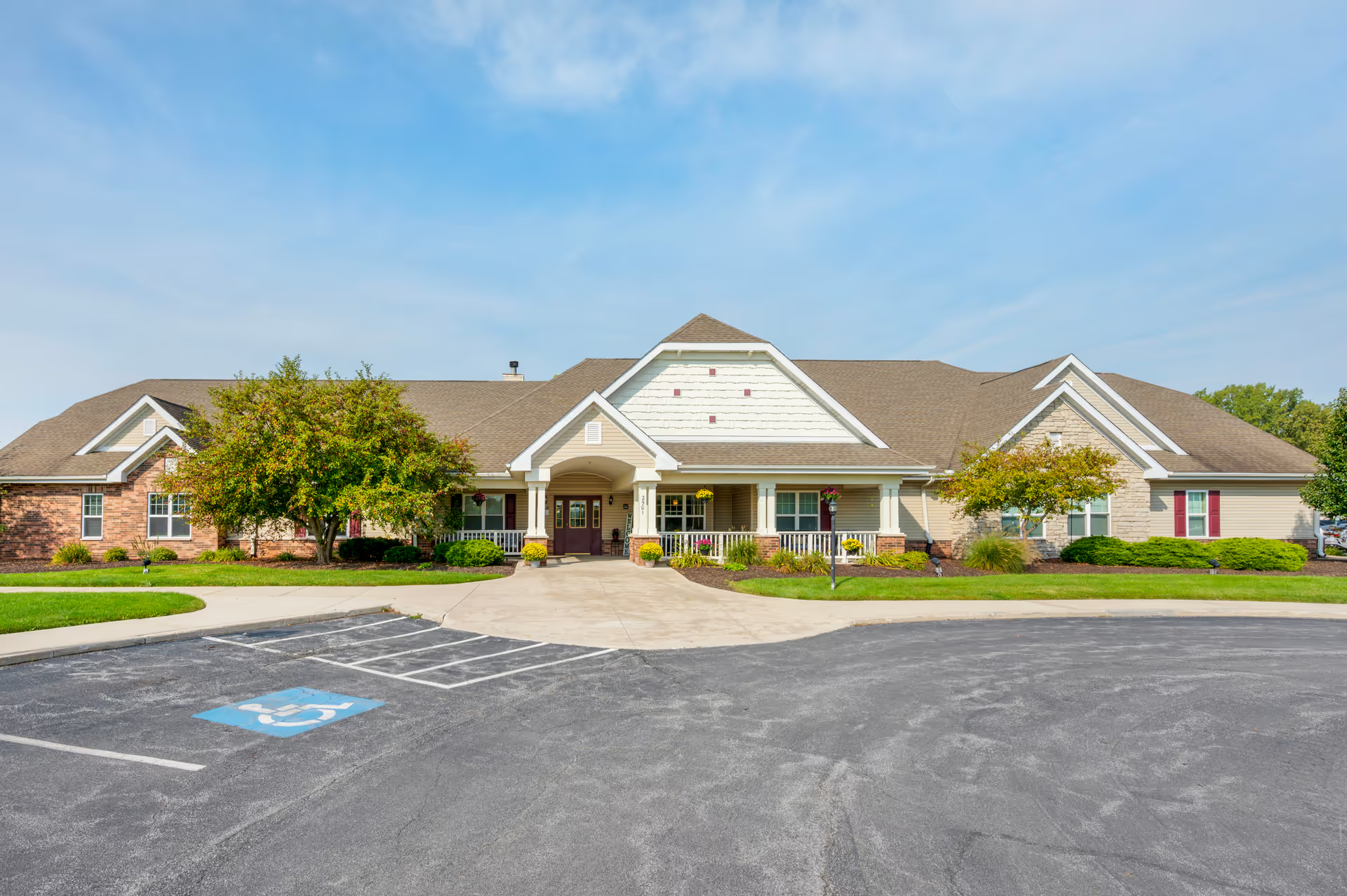
Overall impression: Reviewers consistently describe Belvedere as a modern, clean, and amenity-rich senior housing community. The facility is frequently characterized as brand-new, bright, and well maintained, with attractive outdoor spaces and patio-accessible apartments. Residents and families emphasize the ease of personalizing units, the presence of studios and one-bedroom options, and a broad set of on-site features such as a theater, exercise room, library, salon, and an on-site store.
Care and staff: Direct-care and support staff receive regular praise for being welcoming, compassionate, and helpful; several families singled out move-in coordinators and admissions staff for timely, clear assistance that eased transitions. That said, staffing patterns and clinical consistency are notable concerns. Reviewers describe periods of staff shortages that can delay routine assistance, as well as uneven medication administration timing and occasional gaps in nursing staff knowledge. These items point to operational variability in clinical processes and staffing coverage rather than universal failure of care.
Dining and services: Dining is seen as a strength for many—meals are described as tasty and heart-healthy, with a large dining room and family-style events. Complimentary services such as laundry and a range of social meals and celebrations add to the community feel. At the same time, the apartments have limited in-unit kitchen capabilities (no stoves), which may be important for prospective residents who expect to prepare their own meals or keep a full kitchen setup.
Activities and social life: Activity programming is a consistent positive: reviewers mention many organized events, arts and crafts, live music, cultural meals, painting nights, a beauty salon, and an activity app to view schedules. The community tone is social and family-friendly, with regular opportunities for engagement. A potential trade-off is that as a relatively new community with a changing resident population, some newcomers experience a period of social adjustment; prospective residents should assess fit with the existing community dynamic.
Management and communication: Admissions and move-in coordination are frequently praised for responsiveness and support, with individual staff members called out by name for exceptional assistance. However, reviewers also describe variability in management communication—examples include abrupt or unhelpful interactions with on-duty supervisors and inconsistent information from different staff members. Additionally, some families raised questions about how resident payments or benefits are handled and allocated for personal spending; this suggests a need for clearer financial-explanation practices at admission and during billing.
Notable patterns and recommendations: Strengths are clear around facility condition, amenities, social programming, and a generally compassionate frontline staff. Areas for scrutiny during a visit include medication management protocols, staffing levels at different times of day, clarity around billing and benefit allocation, and opportunities for prospective residents to meet peers to gauge social fit. Asking targeted questions about nurse staffing ratios, medication administration schedules, and written explanations of fees and personal-spending arrangements will help families evaluate whether Belvedere’s strengths align with a particular resident’s needs.