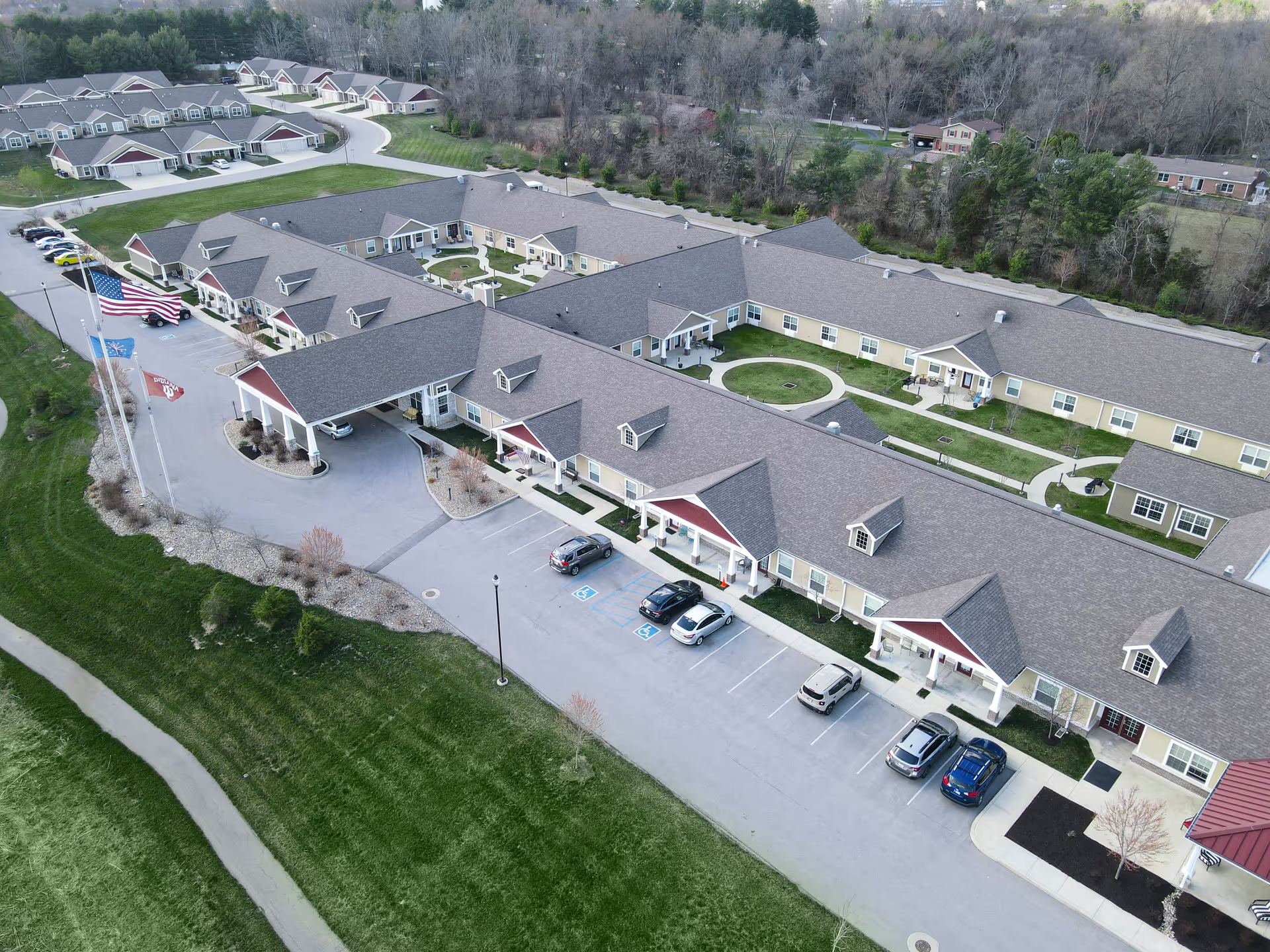
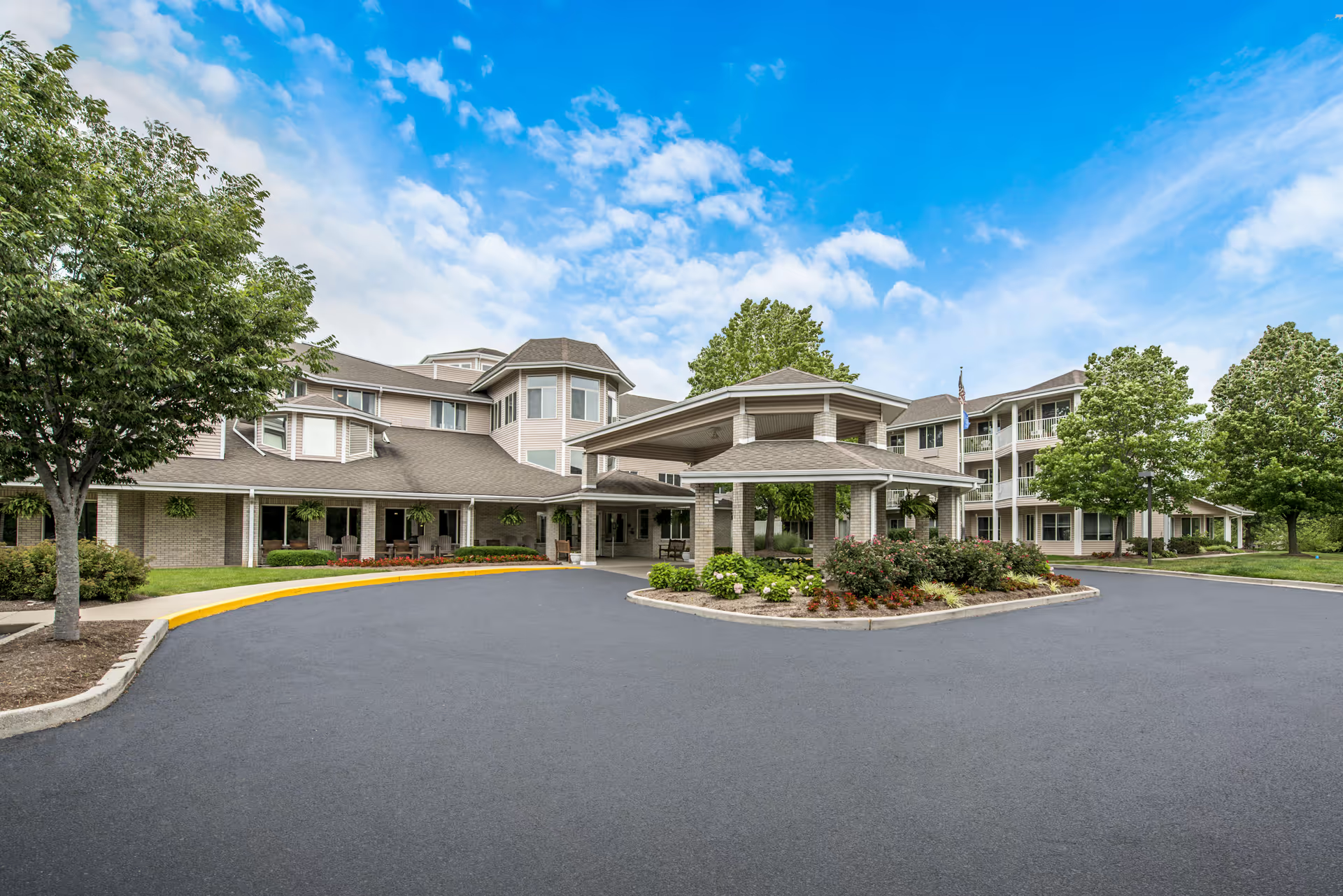
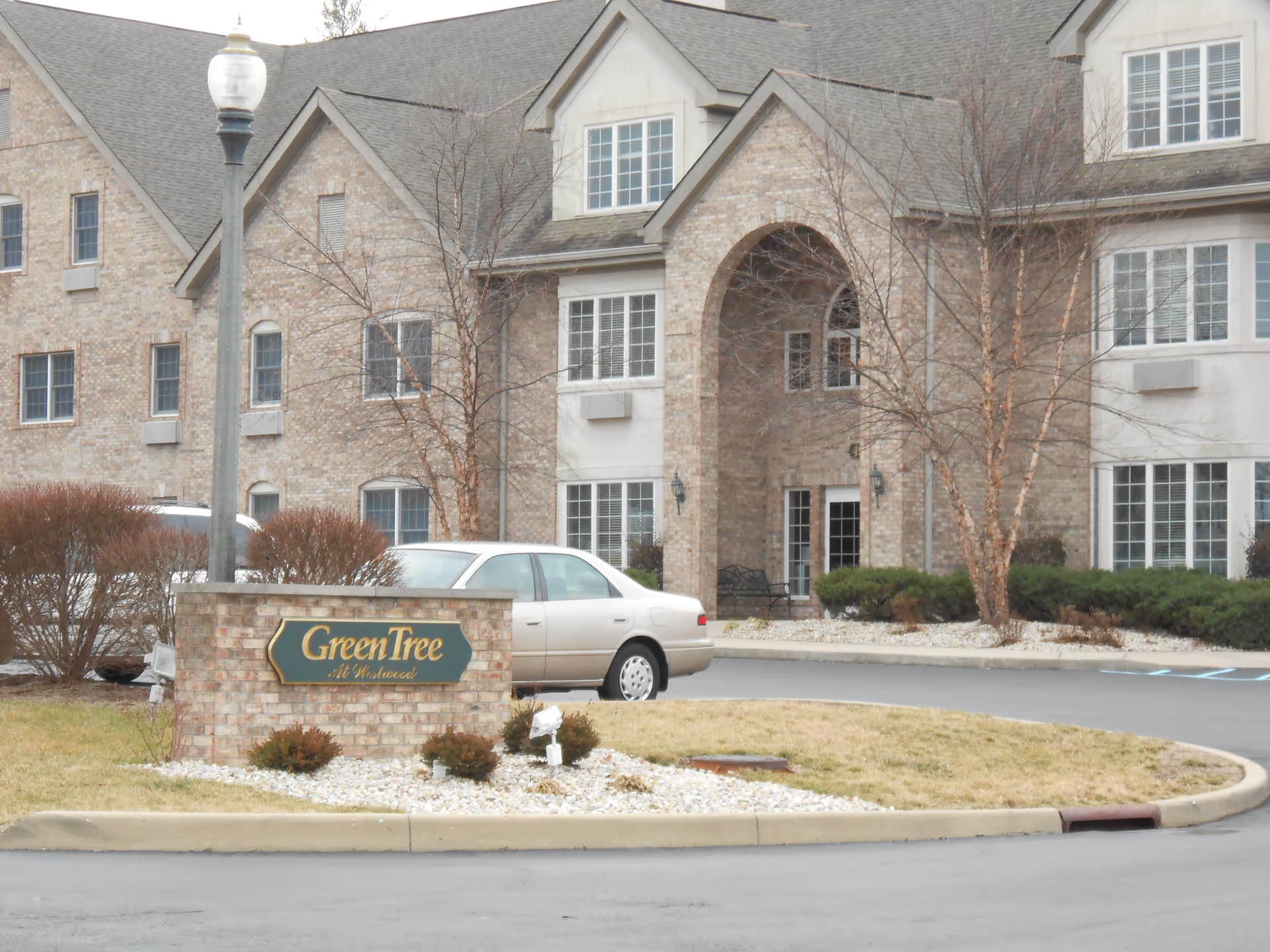
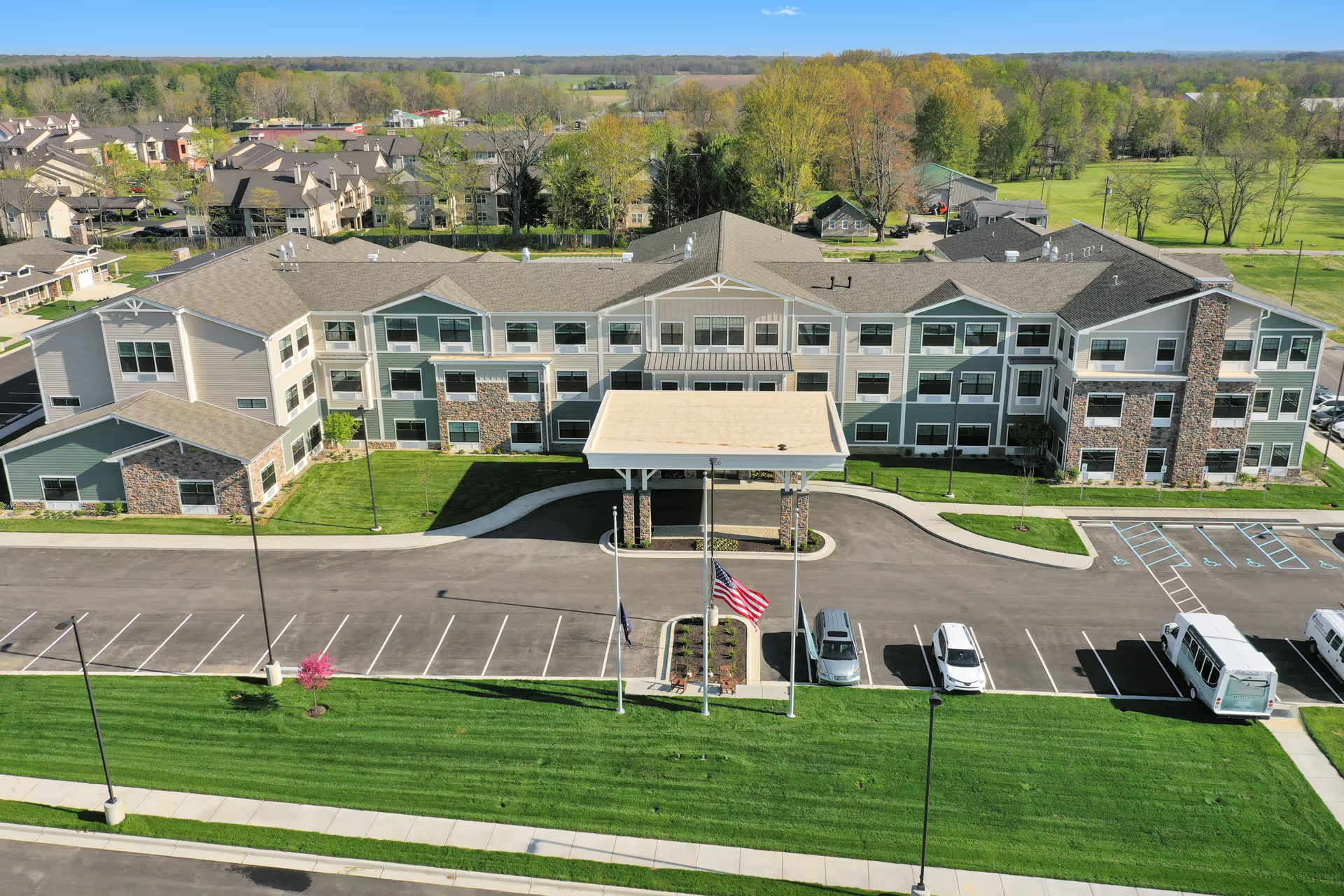
Brown County Health & Living Community elicits a mix of strong positive experiences and recurring operational concerns. Many families describe a genuinely caring culture at the point of service: nursing aides, therapists, and several administrators receive repeated praise for compassionate, resident-centered care. The facility is frequently credited for a supportive admissions process and assistance navigating insurance and logistics. Therapy services (PT/OT) and wound care are particular strengths cited by multiple families, with examples of rapid, effective post-surgical recoveries and coordinated discharge planning. Several accounts also highlight hospice support, private family spaces, and a small, home-like environment that facilitates close staff–resident relationships.
At the same time, a pattern of variability emerges around clinical oversight and staffing. Reviewers raise concerns about inconsistent staffing levels — particularly on weekends — and intermittent absence of nursing leadership. These conditions are associated in reports with delayed responses to resident needs, medication-management weaknesses, and occasional lapses in timely clinical interventions. Prospective families should be aware that service consistency appears uneven: while some shifts and teams perform at a high level, others are described as overwhelmed or slow to respond.
Dining, activities, and daily living supports show mixed results. The facility offers a pleasant dining room setting with scenic views and organized community events that some residents and families enjoy. However, other reports indicate inconsistent meal quality and temperature control, and activity programming — especially in memory care — is sometimes characterized as limited or not sufficiently engaging for residents seeking cognitively appropriate or educational options. Families concerned about engagement should request current activity calendars and sample menus during a tour.
Facility condition and infection-control practices are described both positively and negatively. Several reviewers note clean, well-maintained common areas and attentive housekeeping; others describe sanitation and incontinence-care inconsistencies, odor concerns in certain areas, and aging accommodations such as small shared memory-care rooms and occasional equipment maintenance gaps (example: nonfunctional TVs or remotes). There are also isolated infection-control concerns referenced; families may wish to review recent inspection reports and infection-prevention protocols.
Management and organizational culture appear variable. Some families praise responsive administrators who provide personalized attention and financial guidance. Others report difficulty reaching management, a perceived defensive culture when concerns are raised, and pressure around placement decisions. These organizational factors can influence staff morale and turnover, which in turn affect day-to-day consistency of care.
In summary, Brown County Health & Living Community demonstrates clear strengths in personalized nursing, therapy/rehab services, hospice coordination, and a family-oriented atmosphere. These positives coexist with operational vulnerabilities — notably inconsistent staffing and clinical oversight, variable dining and activities, and occasional sanitation and maintenance issues. For families considering this community, recommended due diligence includes: asking about current staffing ratios (including weekend coverage), reviewing recent regulatory surveys, observing memory-care rooms and activity sessions, sampling meals, and discussing infection-control and medication-management protocols with leadership during a visit.