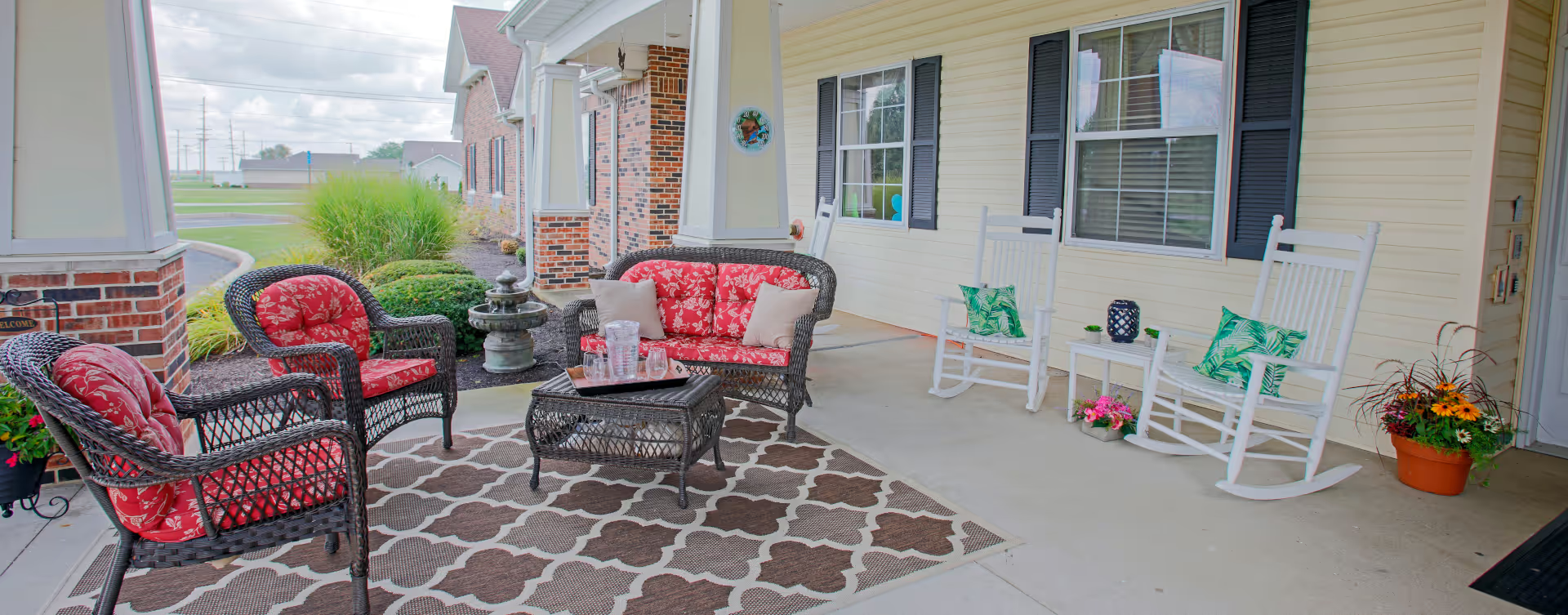
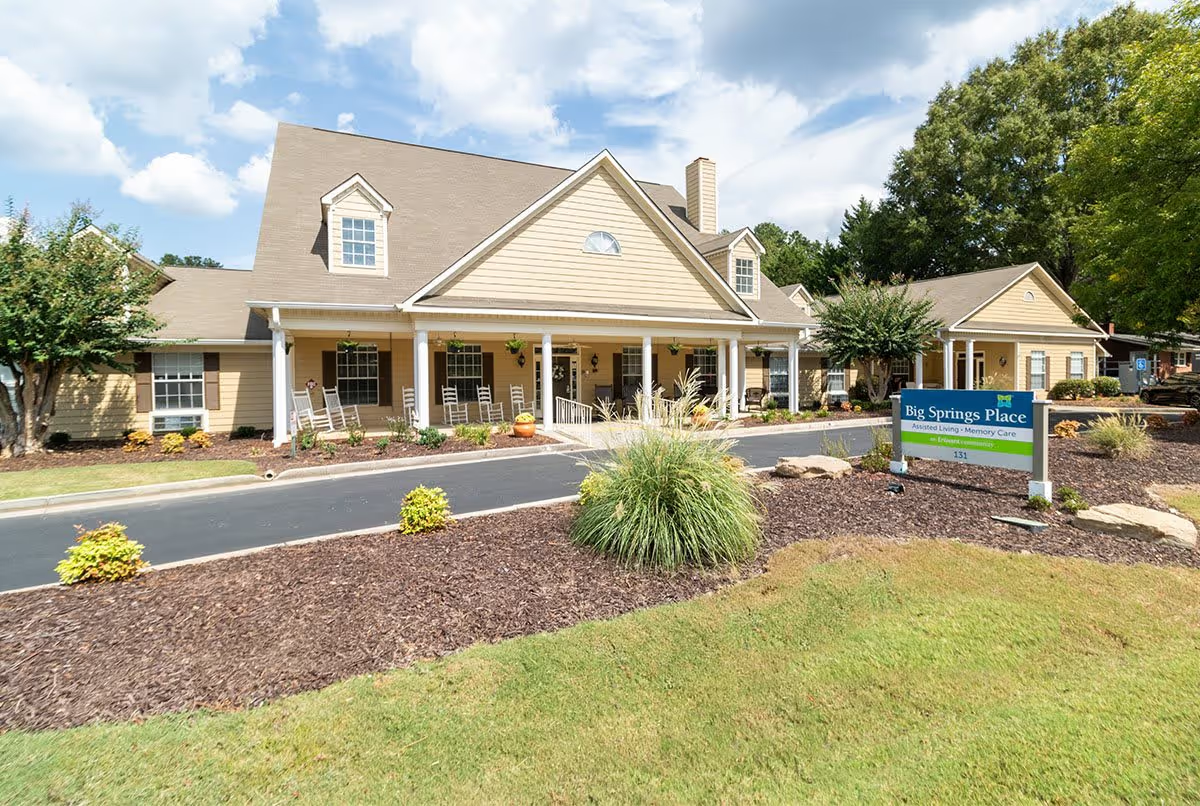
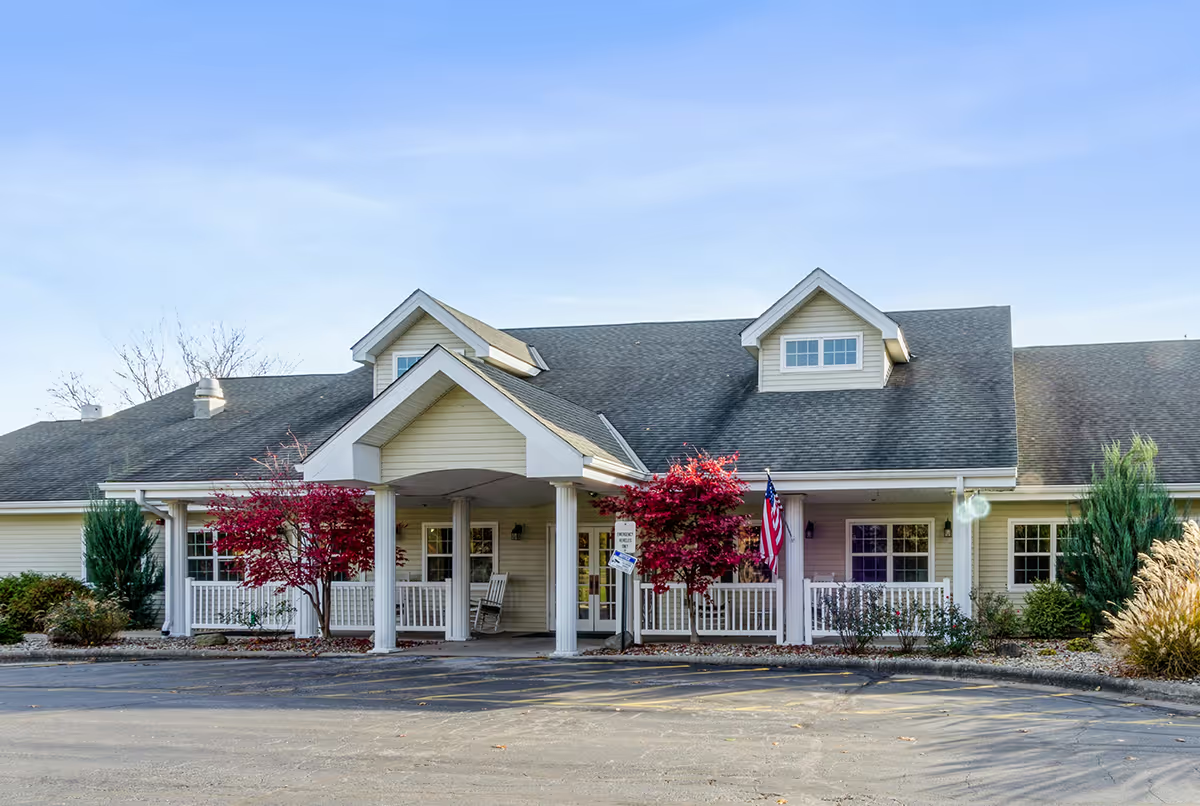
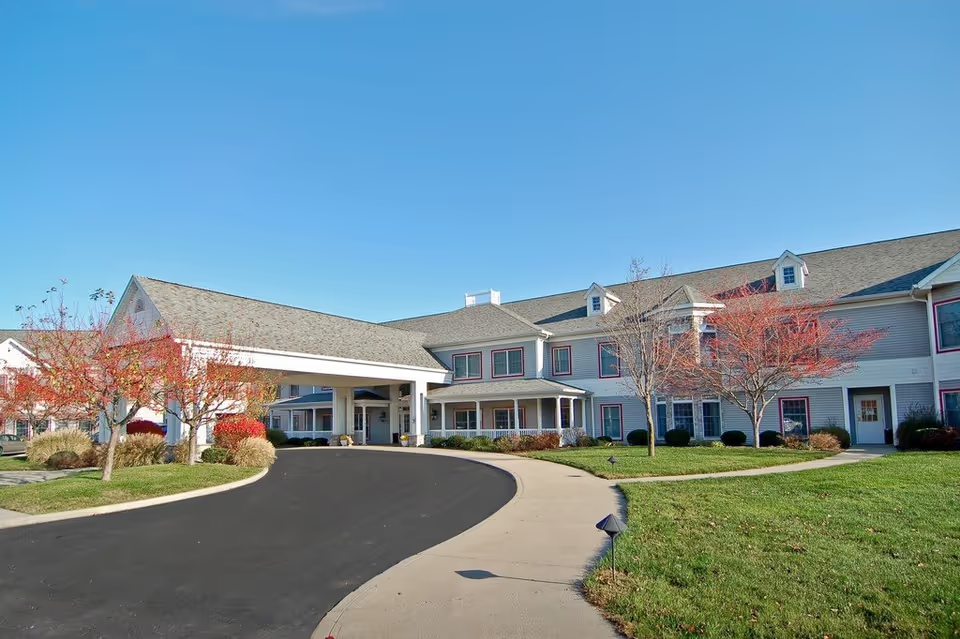
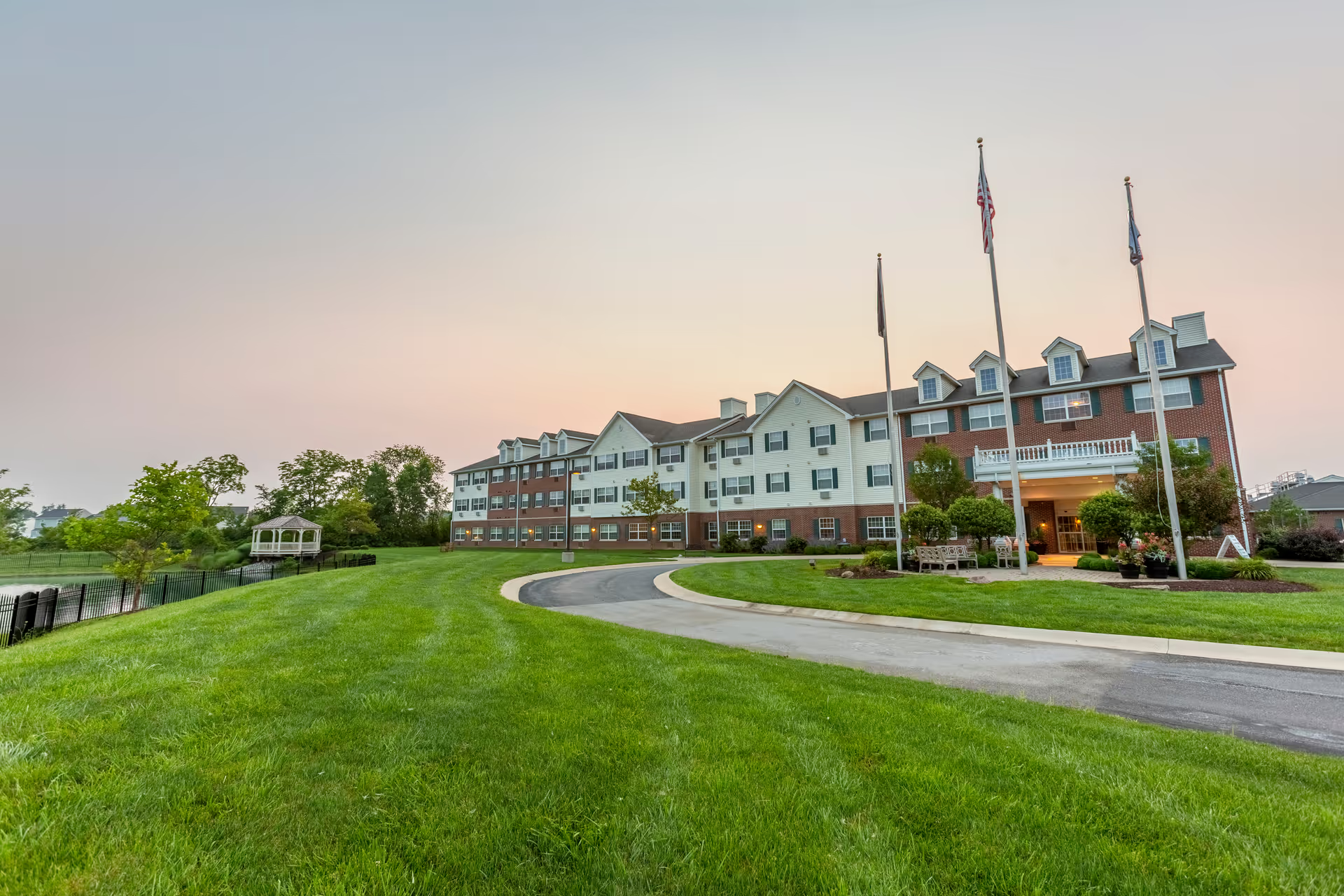
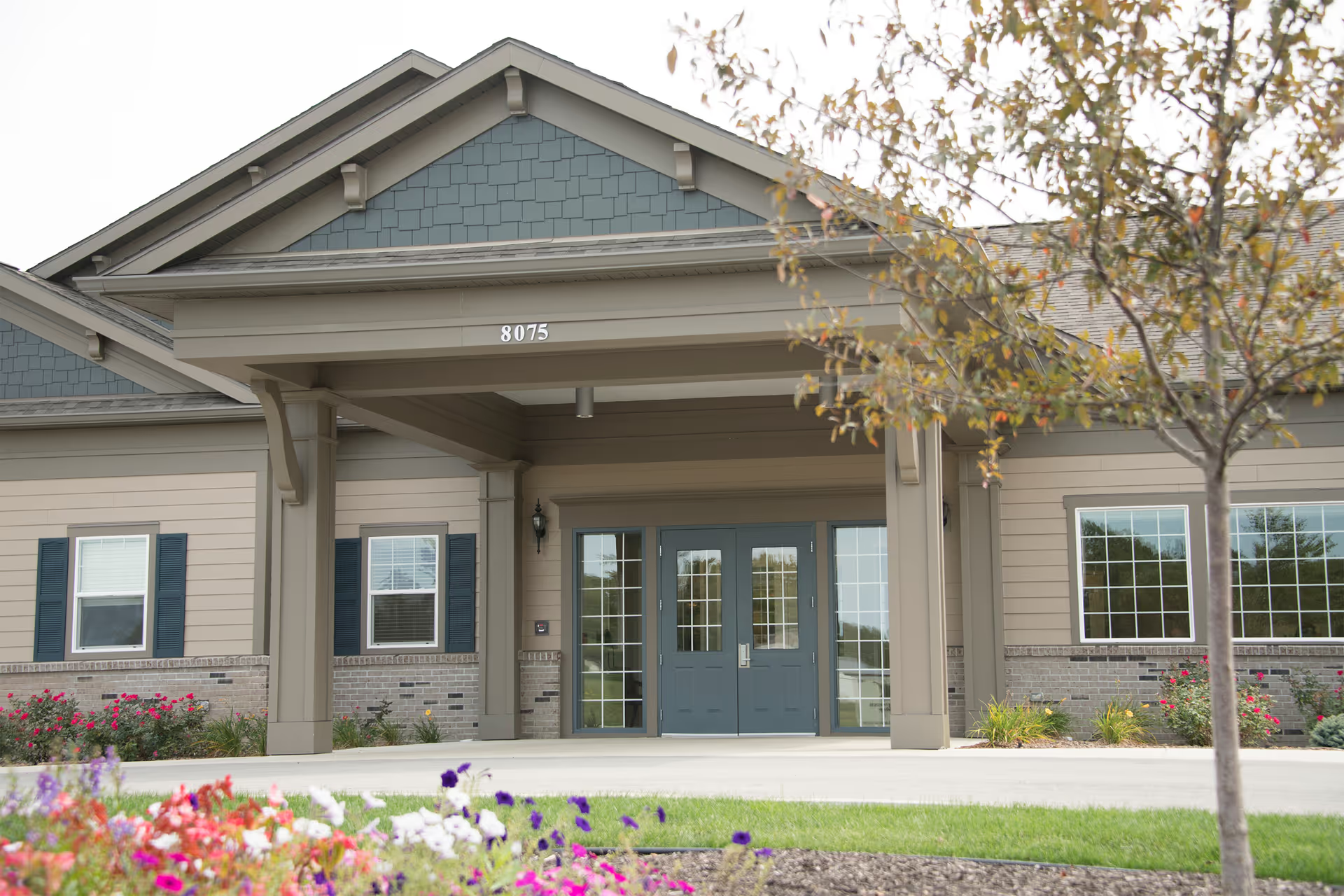
Reviews for this facility present a mixed but actionable picture. Strengths repeatedly cited include a well-maintained, attractive campus with light-filled rooms, landscaped grounds and a full continuum of care that ranges from independent living through memory care and skilled nursing. Independent-living units are described as spacious and comfortable, and families often note the social atmosphere: residents form friendships, participate in card games and arts activities, and benefit from an active calendar of programs and spiritual offerings. Rehabilitation and therapy are available onsite, and several accounts describe transformative or attentive therapy interventions that supported recovery.
Staffing and day-to-day caregiving draw both strong praise and distinct concern. Many reviewers describe staff as compassionate, helpful, and willing to go beyond assigned duties, and families frequently highlight individualized care plans and comforting end-of-life support. At the same time, there are recurring operational issues: uneven staff quality, high turnover, and periods of short staffing. These personnel challenges are linked in several accounts to slower response times, delayed communications, and uneven attention to resident safety measures (for example, delayed activation or provision of fall-alert devices). A subset of reviewers also raised concerns about supervisory conduct and workplace culture; these comments suggest the potential for strained staff morale and related downstream effects on care consistency.
Dining and nutrition are another area of mixed feedback. The dining program receives praise for flavorful meals and for visible culinary leadership, and families note that food and special events are often highlights. However, other accounts point to kitchen disorganization, inconsistent meal service timing and slower service, and limited options for specific dietary needs (diabetic-friendly choices, lactose-free alternatives, and more fresh fruit). These inconsistencies suggest that menu flexibility and dedicated nutrition oversight are important topics for prospective residents to clarify.
Activity programming is generally regarded as a strength: onsite classes, games, outings and transportation options support social engagement and well-being. That said, a few reviewers described limited outside stimulation or variability in the availability of off-campus outings, which indicates program access can differ by unit or timing. The facility’s communication practices were often praised during the pandemic—automated messages, daily emails and posted activity updates—but some families experienced delays when seeking follow-up on specific concerns.
Management and policy patterns are polarized. Several families complimented proactive pandemic measures and clear communication, while others described troubling supervisory behaviors, allegations of uncaring responses to staff concerns, and at least one report concerning discharge or grievance handling that a family found problematic. Infection-control and visitation policies were tightly enforced at times, which some residents and families accepted as protective and others found restrictive. Prospective residents should ask targeted questions about staffing ratios, fall-prevention protocols, nutrition accommodations, staff tenure, and the facility’s formal grievance and discharge procedures.
Overall, the community offers substantial physical resources, a broad service continuum, and many examples of compassionate care and engaging programming. The principal operational risks to weigh are staffing stability, supervisory culture, and consistency in clinical responsiveness and dietary services. A thorough in-person visit, review of recent inspection reports, and direct questions about the facility’s staffing, nutrition, and safety protocols will help families evaluate whether the environment and operational practices match their expectations and needs.