The Springs of Richmond elicits strongly polarized impressions: many families and short-term rehab patients report excellent clinical progress, warm personal attention, and a well-appointed environment, while other accounts identify operational gaps that affect safety, timeliness, and cleanliness.
Care and clinical services: The facility is repeatedly praised for its therapy/rehab program and social-work support. Reviewers describe meaningful functional gains, proactive discharge planning, and focused physical/occupational therapy. At the same time, recurring concerns center on inconsistent clinical responsiveness — delayed medication delivery, slow call-light responses, and difficulty troubleshooting medical devices (for example, wound drainage equipment). These issues suggest variability in clinical oversight and escalation pathways rather than uniformly poor clinical skill; several reports also describe directors or individual nurses stepping in to resolve incidents.
Staff and culture: Numerous reviews highlight individual staff members who are compassionate, knowledgeable, and willing to go beyond standard duties. Families often single out nurses, CNAs, therapists, and admissions staff for high marks. However, other accounts describe rude or hurried interactions, unprofessional conduct at times, and periods where staff appear overextended. This pattern aligns with reported staffing shortfalls on some shifts and weekends; staffing variability appears to drive much of the difference between positive and negative experiences.
Dining and activities: Dining is generally a strength — many reviewers praise generous portions, home-cooked meals, and special events such as ice-cream socials and family brunches. Still, there are intermittent complaints about cold meals, limited options for residents with diabetes, and a few instances of missed or late meals. The activities program receives strong, consistent praise for engagement, variety, and social opportunities; for prospective residents seeking an active calendar, this is a notable asset.
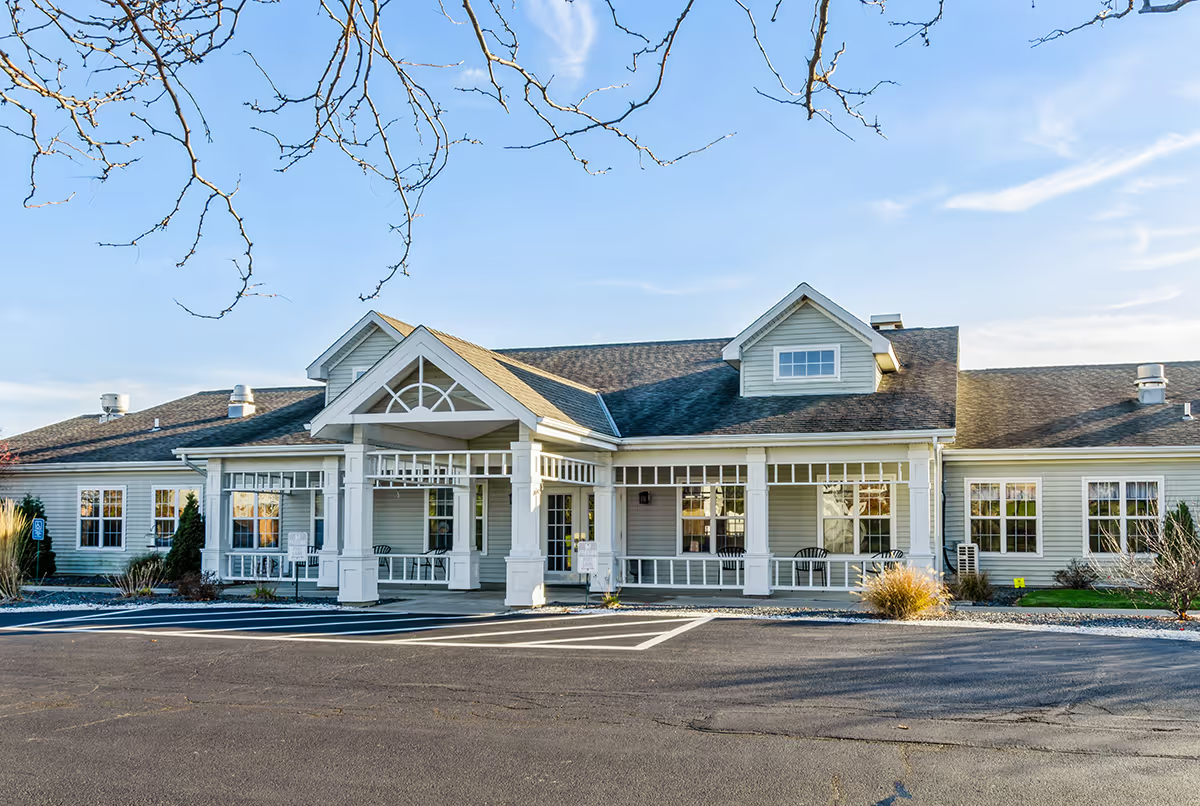
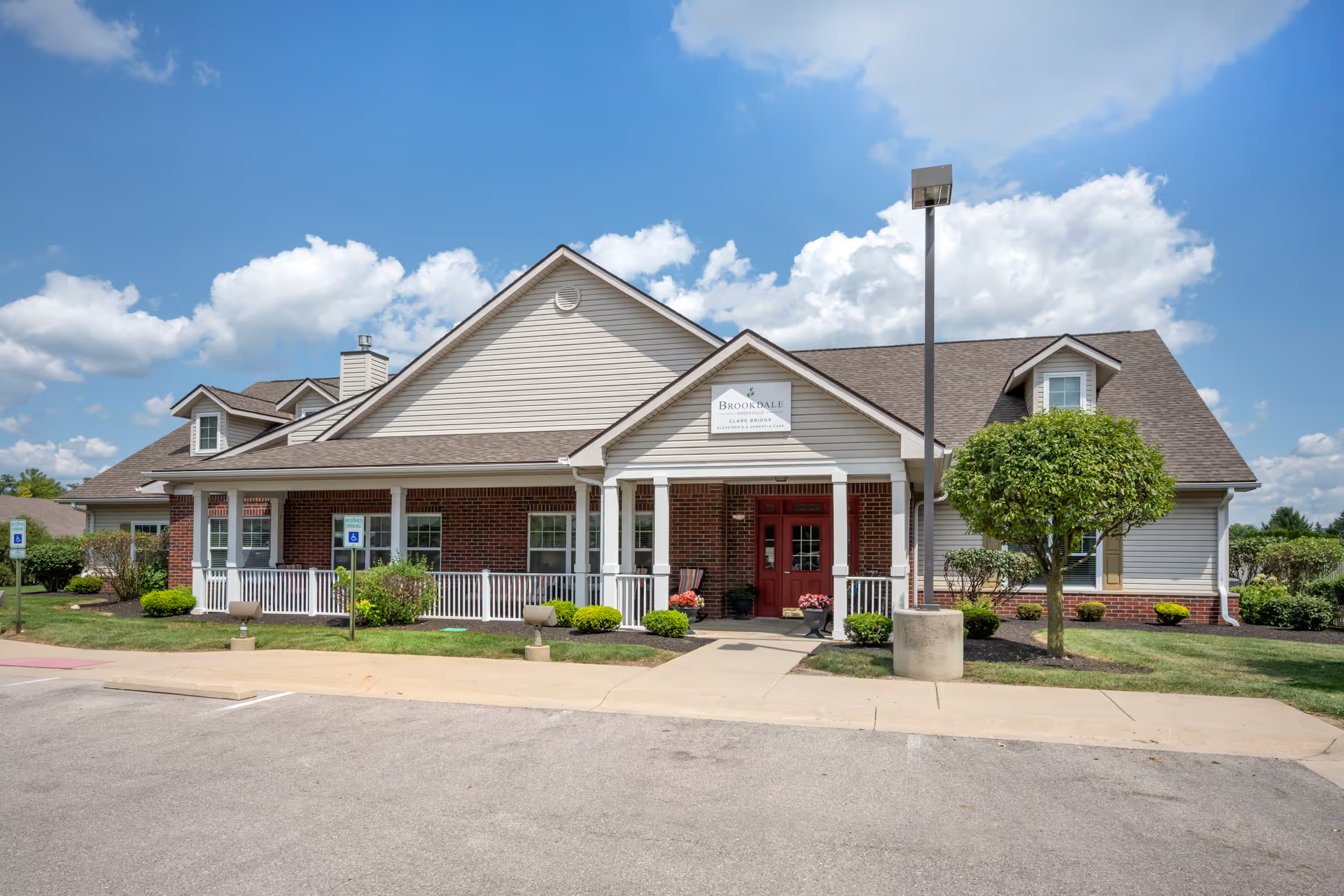
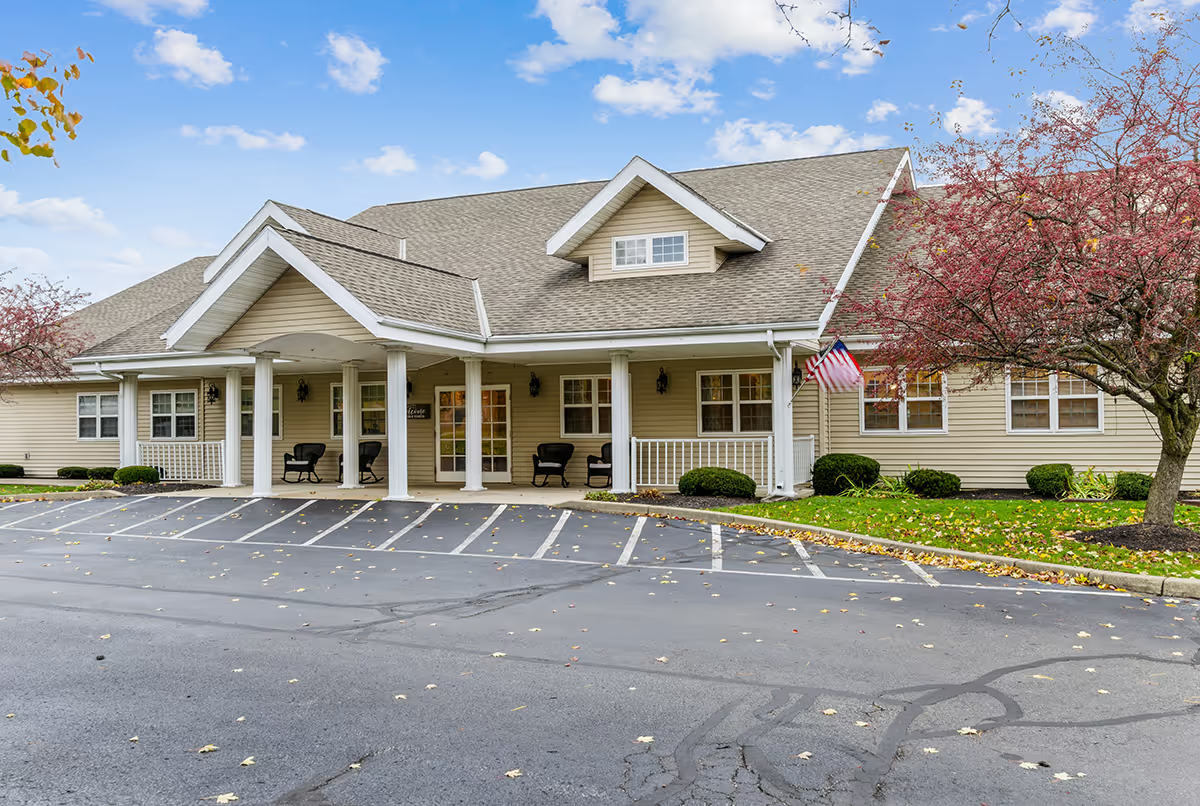
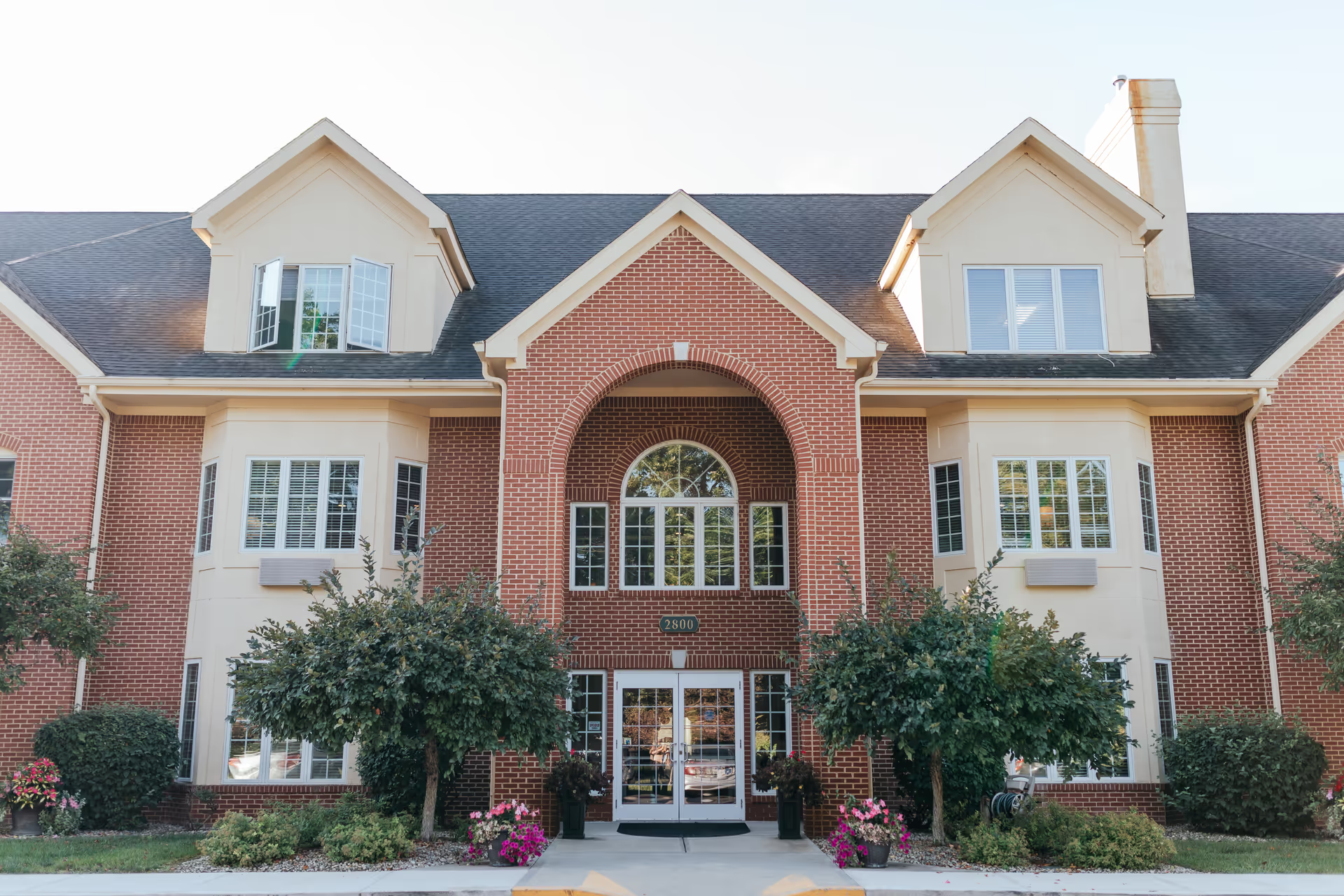
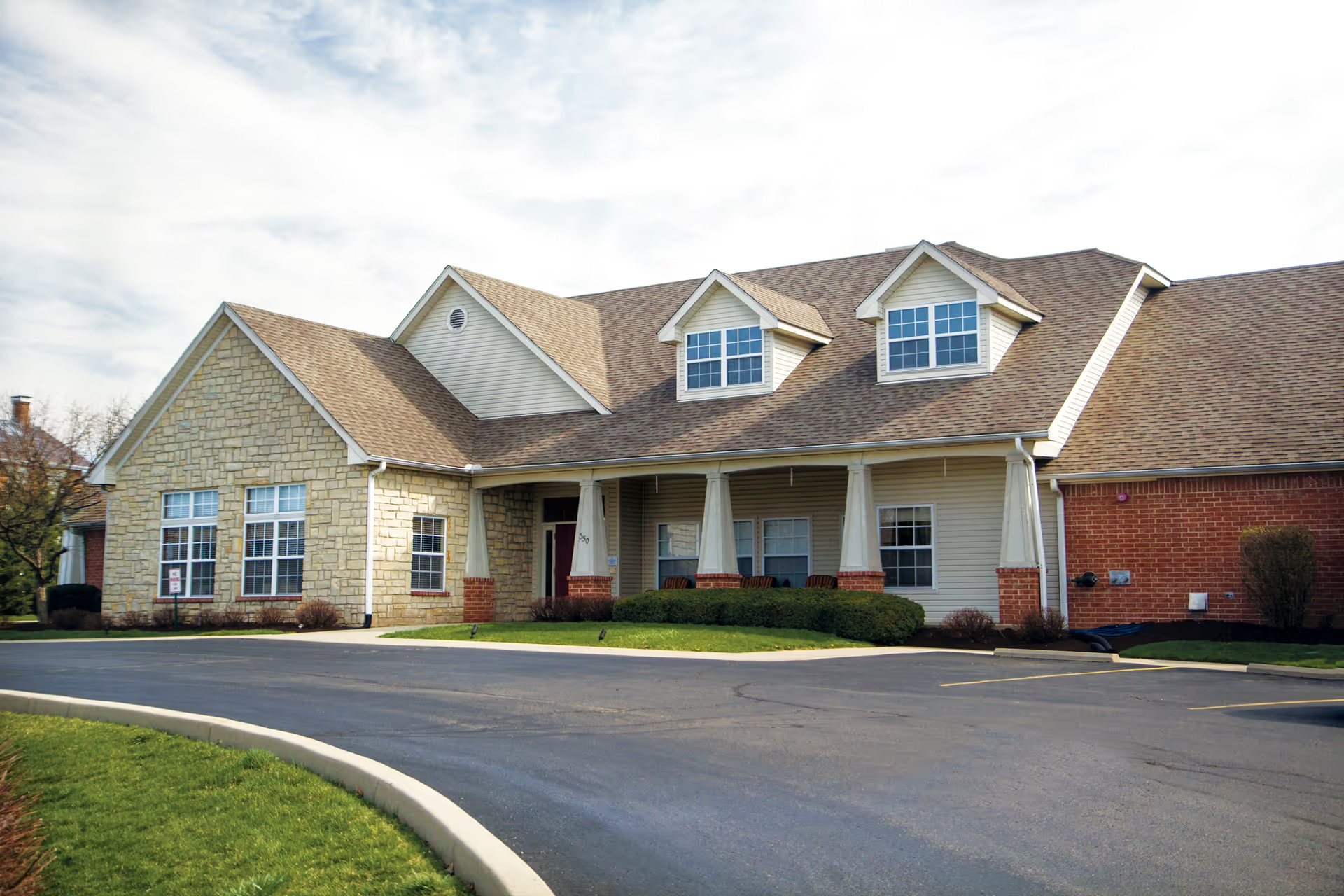
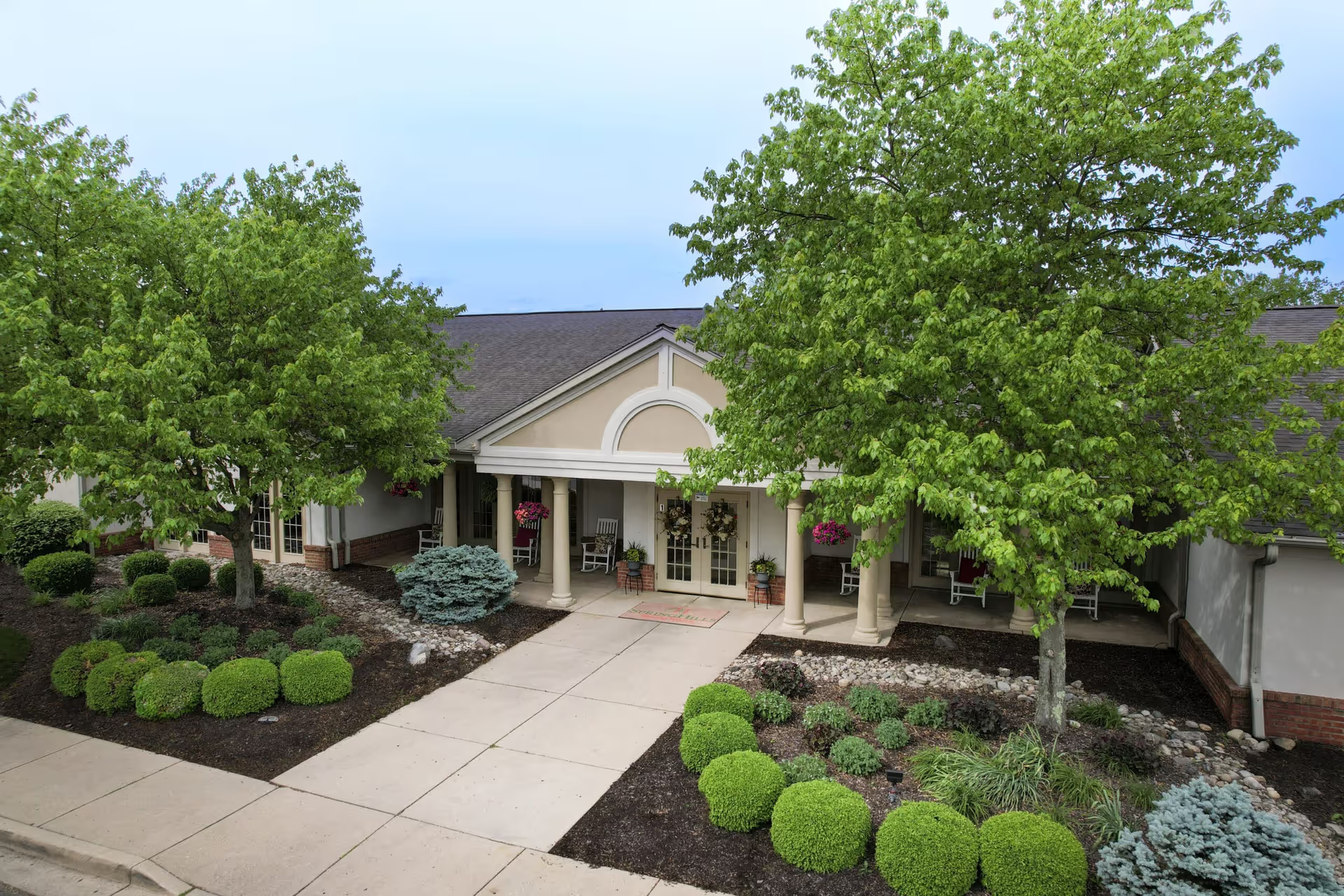
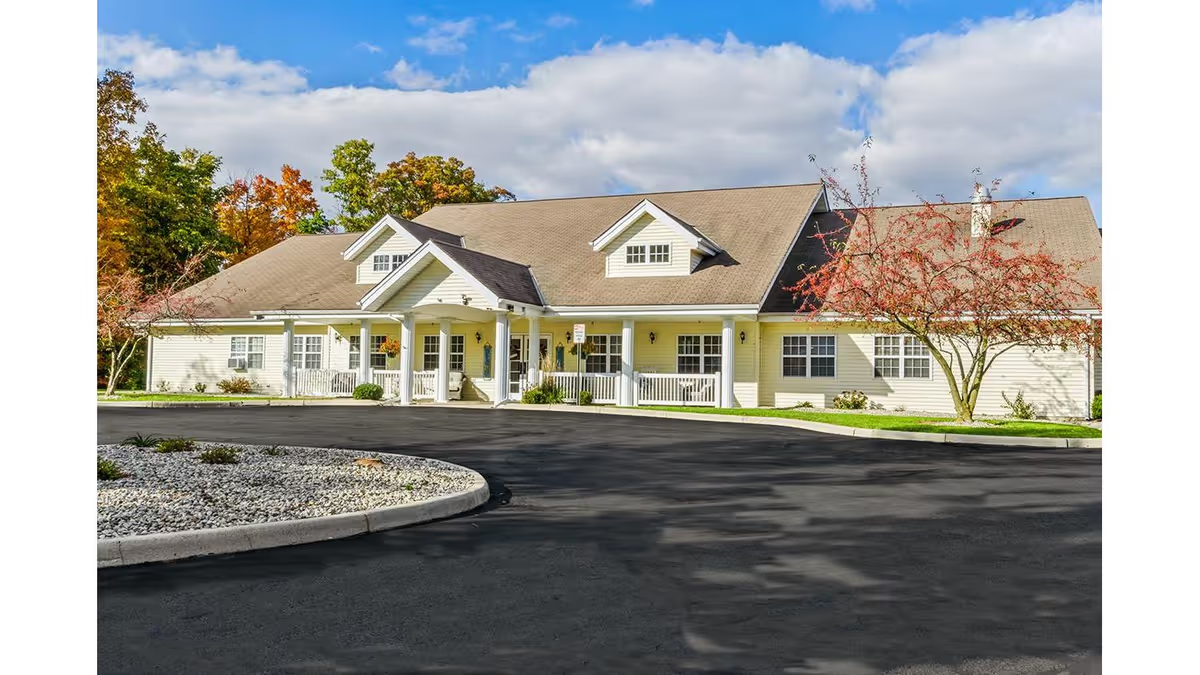
Facilities and housekeeping: The building and grounds are described as modern, clean, and hotel-like, with attractive common spaces, private rooms, and outdoor courtyards. Nevertheless, several accounts raise sanitation concerns in particular resident rooms and bathrooms — overflowing trash and delayed housekeeping — indicating inconsistencies in housekeeping schedules or oversight rather than a facility-wide condition.
Management, administration, and logistics: Administrative experiences are mixed. Positive notes reference helpful admissions staff and effective social-work advocacy. Negative patterns include phone-handling problems, billing or transportation scheduling errors, and occasional breakdowns in transfer coordination with hospitals or drivers. Taken together, these suggest process and training gaps in administrative functions and transportation logistics.
Notable patterns and takeaways: The strongest, most consistent positives are the rehab services, the social and activities programming, and a number of highly engaged frontline caregivers. The most recurrent concerns are staffing variability (especially evenings/weekends), delays in responding to resident needs, housekeeping inconsistencies, and specific clinical-administration gaps (medication timing, device troubleshooting, and transport coordination). Prospective residents and families who prioritize active rehabilitation, social engagement, and a comfortable physical environment may find strong value here; however, those with high acuity needs or fragile clinical devices should verify staffing models, response-time expectations, diabetic meal protocols, wound-care/device escalation procedures, and transportation arrangements during a visit. Observing a shift change, asking about nurse-to-resident ratios, and requesting examples of how clinical device alarms and urgent transfers are handled can help assess whether the facility’s operational practices match the level of care required.