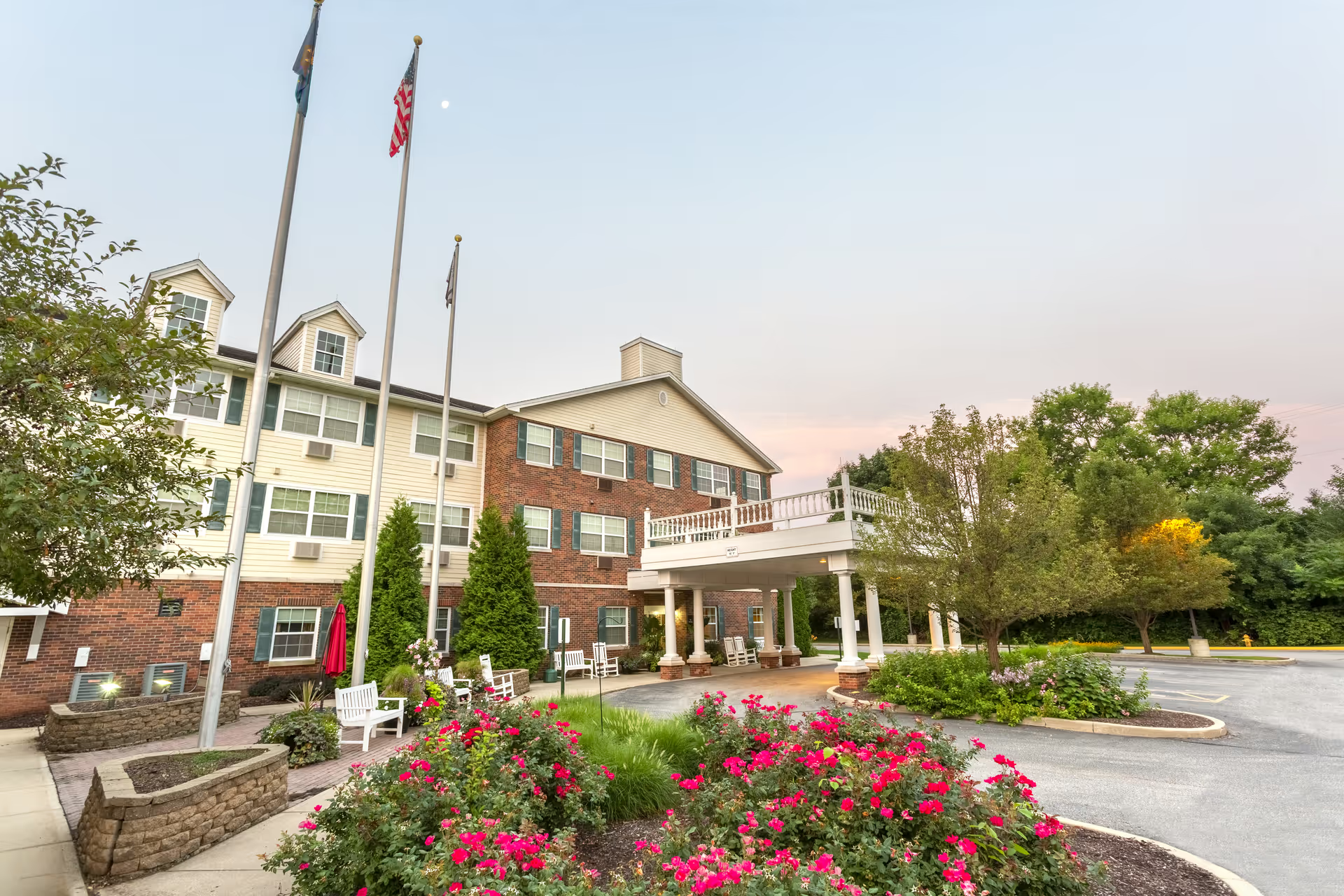
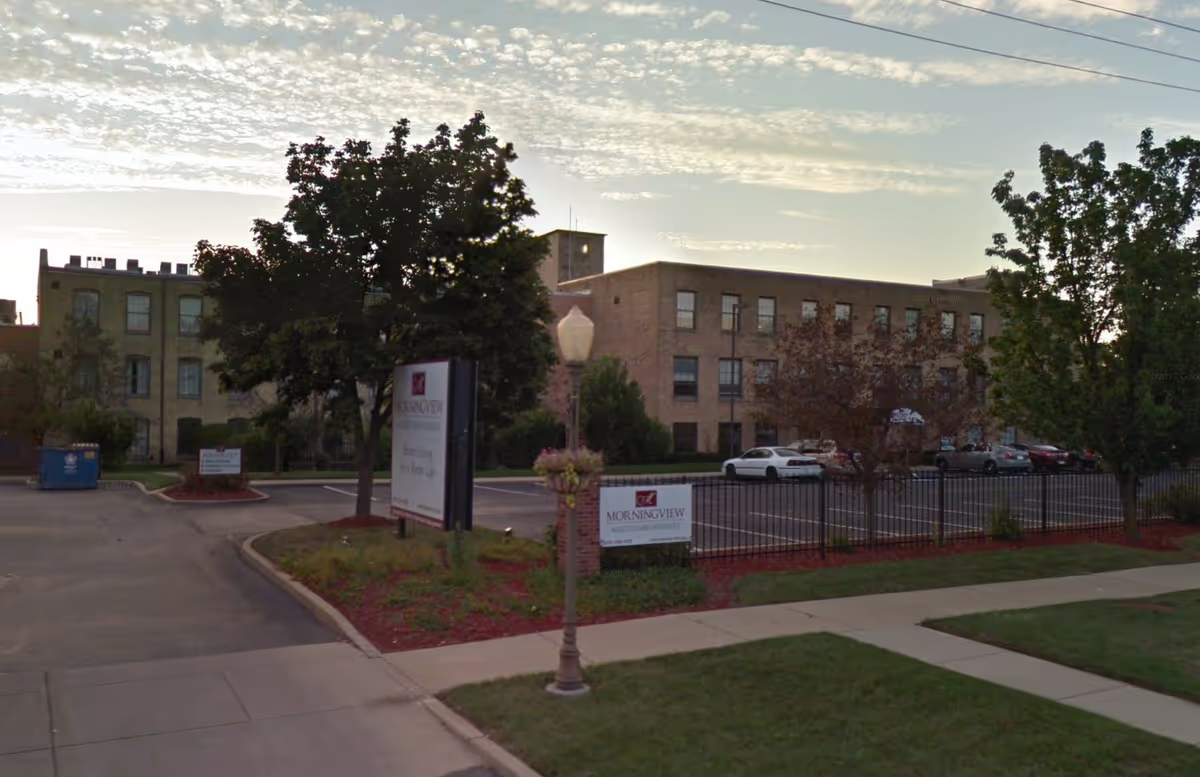
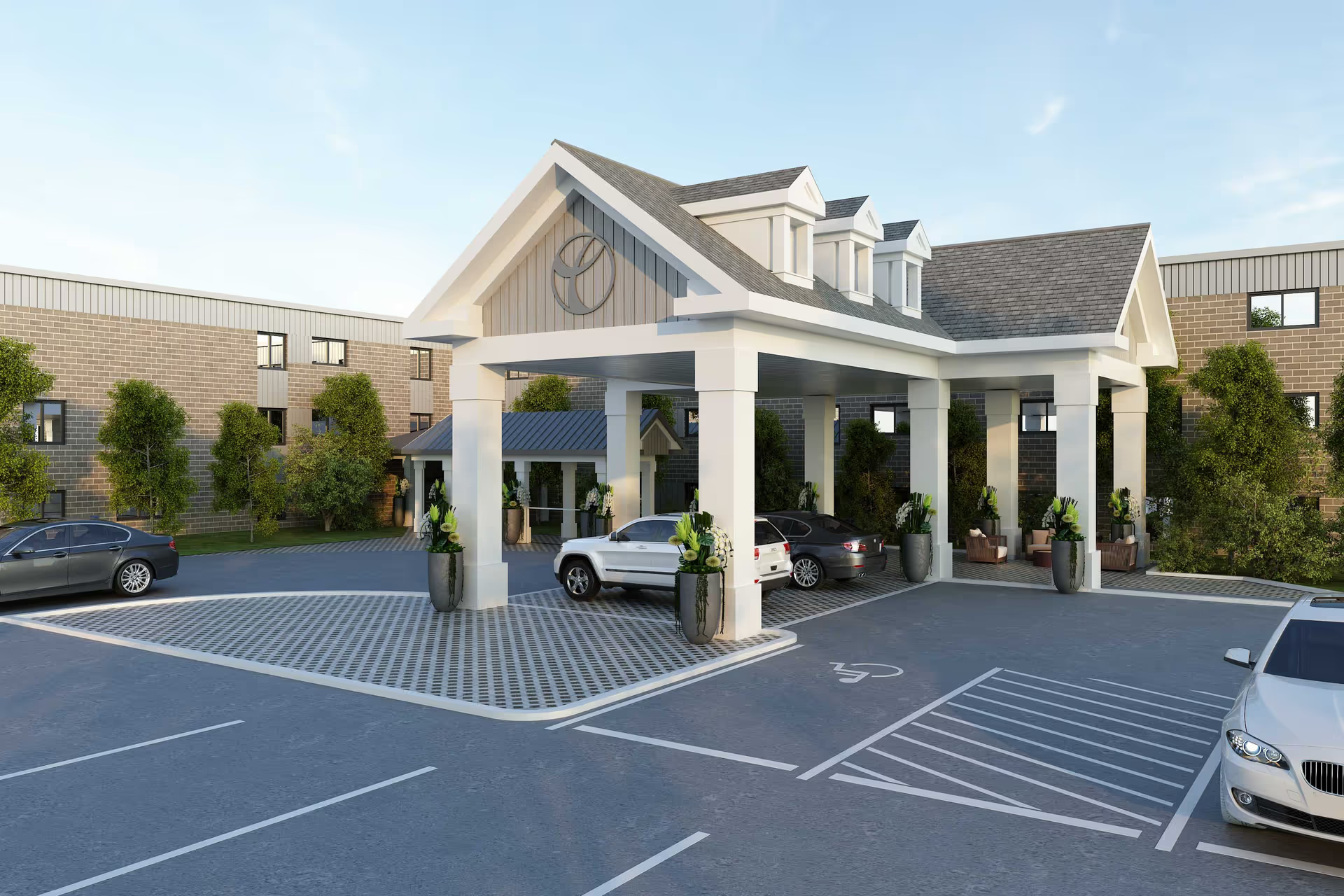
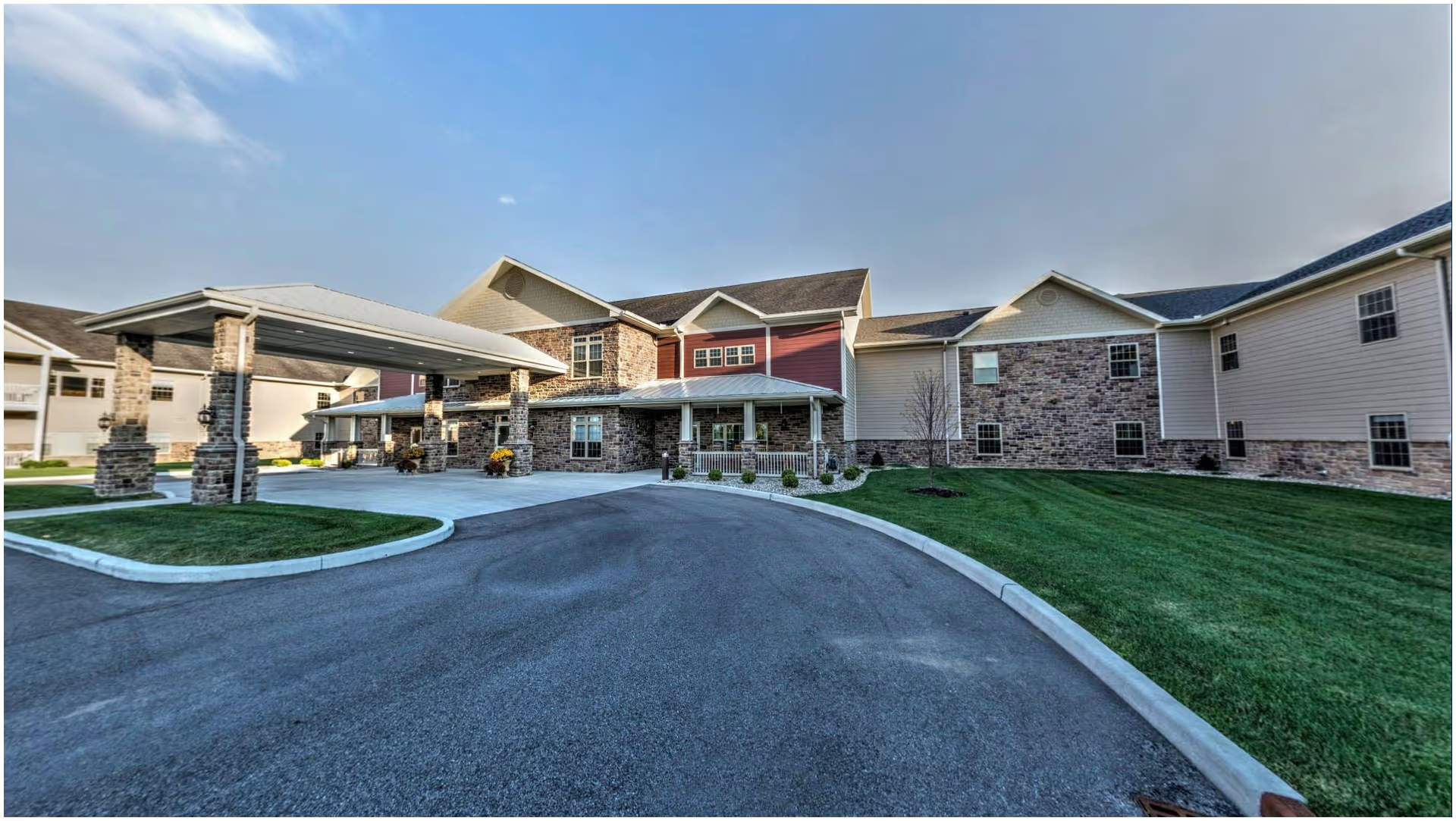
Overall impression: Reviews of Brookdale South Bend are mixed but tilt strongly toward positive when it comes to staff demeanor, facility appearance, and community atmosphere. A consistent theme across reviews is that many residents and families find the staff genuinely caring, personable, and willing to go above and beyond. Multiple reviewers highlight specific staff strengths — attentive CNAs and nurses, a good activities director, and engaged dining and maintenance teams. The facility is frequently described as clean, modern-looking or recently remodeled, and small enough to feel home-like and intimate, which many families appreciate.
Care quality and medical services: The community offers on-site therapy (physical therapy), medication management, and nursing support; some reviewers explicitly praised these services and said they felt confident in the facility’s ability to meet basic medical and rehab needs. However, there is notable variability in clinical consistency. Several reviewers reported staffing shortages, reliance on agency staff, and long buzz-in or assistance wait times. A smaller but important group of reviewers reported insufficient caregiver skills for residents with higher medical needs or advancing dementia — including hygiene/bathing concerns and declines in mobility — and in those cases transfers to higher-acuity settings were required. The pattern suggests Brookdale South Bend is often well suited for residents with low-to-moderate needs but families of residents with complex medical or progressive dementia should verify specific clinical staffing and competency before committing.
Staffing, management and communication: Many reviewers praise the facility’s staff and overall responsiveness; admissions and move-in processes were described as organized, with helpful tours and flexible payment conversations. The community has received positive reports about communication and staff taking time to check with corporate when needed. Conversely, others reported problems tied to management changes (director vacancies, new directors being unresponsive), head-of-nursing responsiveness issues, and administrative instability. Staffing shortages — especially on weekends — and frequent turnover were recurrent concerns. These inconsistencies create a split narrative: when the regular staff are present, families are very satisfied; when turnover or management gaps occur, families notice declines in responsiveness and care.
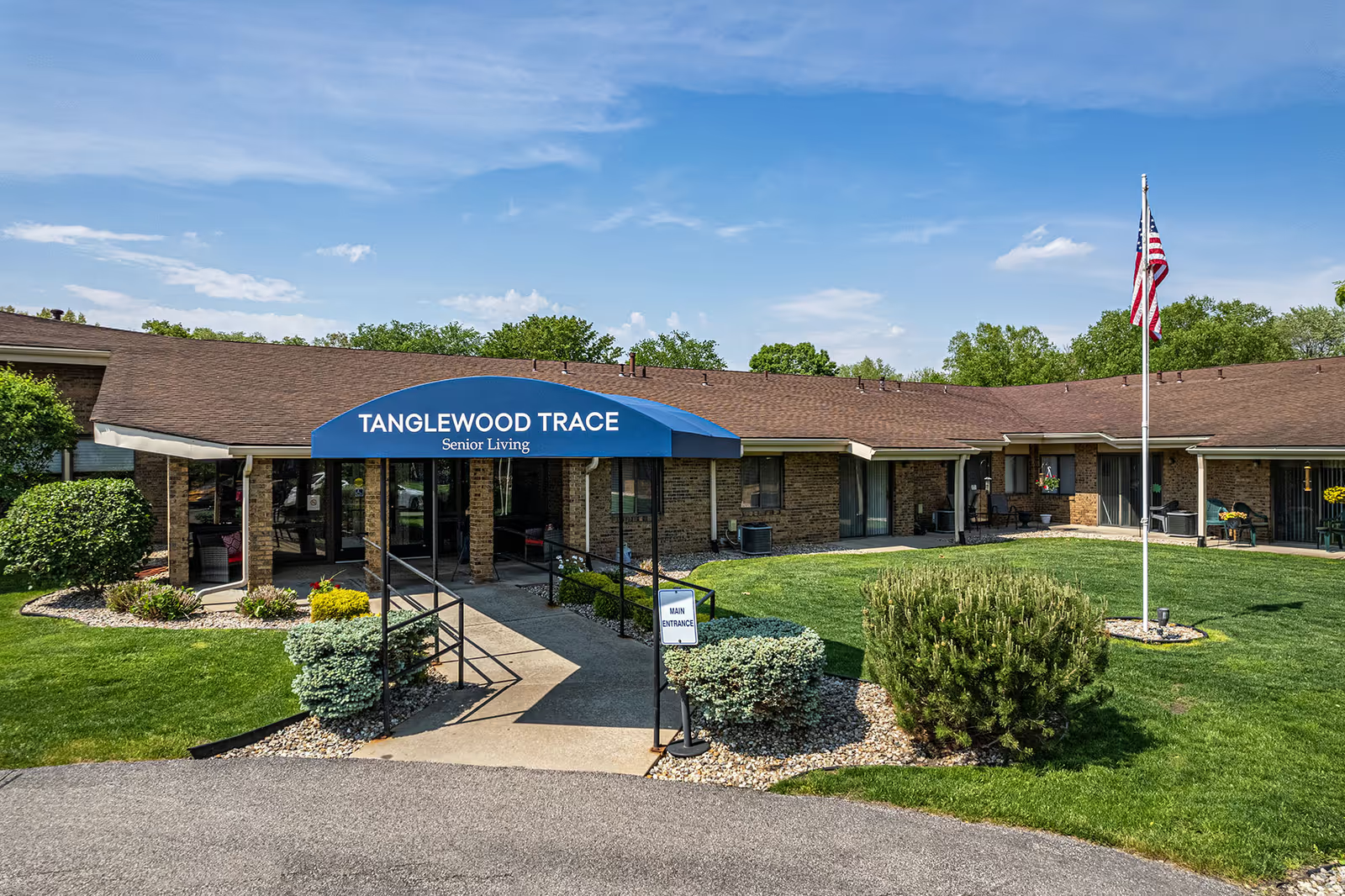
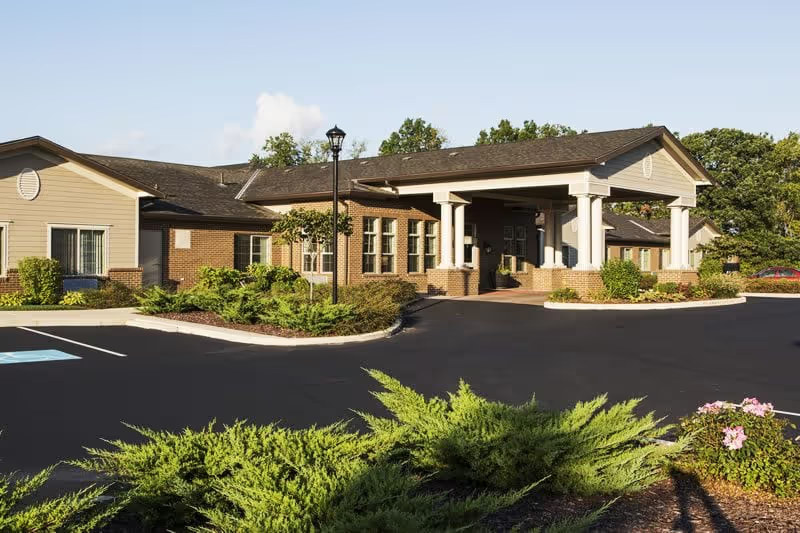
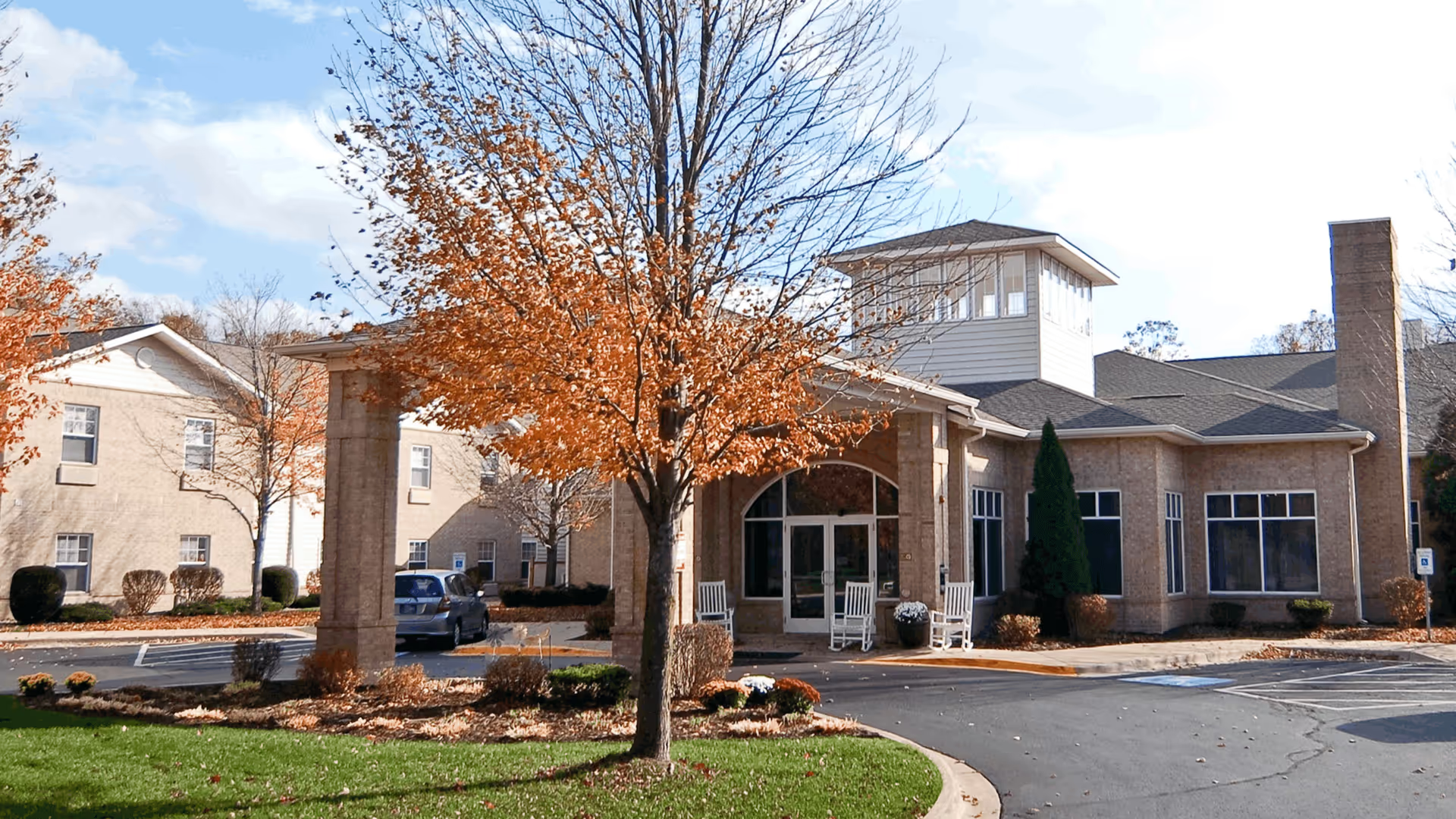
Facilities, rooms and safety: Physical facilities receive strong praise: tidy dining rooms, model rooms that are nicely decorated, large hallways, and thoughtful features like walk-in closets, call buttons, and private dining areas for family events. The enclosed courtyard and gardens are repeatedly cited as valuable, safe outdoor spaces for residents and for gardening/BBQs; the enclosed design is specifically noted as beneficial for preventing wandering. That said, some reviewers observed cleanliness or maintenance lapses (stained carpets, peeling wallpaper, dirty treatment areas) and some described rooms as small or having awkward layouts (bathrooms far from beds in older units). Several reviewers also flagged a busy road near the building as a potential safety concern for highly ambulatory or unsupervised dementia residents.
Dining and activities: Food and dining receive many positive comments — reviewers often mention a strong chef, varied dishes (specialty days like Polish Tuesday), and enjoyable meals and events (Mother’s Day, appetizers, live music). At the same time, a subset of reviewers strongly disliked the food, calling it repetitive or poor; portion sizes were criticized on both ends (too small by some, too large by others). Activity programming is generally described as lively, with offerings like exercise classes, Wii bowling, bingo, monthly entertainers, movie day, shopping trips and family nights. The community’s small size allows for social connection and residents report making friends and enjoying the atmosphere. However, many reviewers said activities can become repetitive and called for more individualized, one-on-one engagement and more dementia-focused programming.
Cost, value and suitability: Price is a recurring issue. Many reviewers find the community pricey, and a number noted Brookdale South Bend does not accept Medicaid, making it inaccessible for some families. Several reviewers felt the cost was justified by the staff and facilities; others felt the price did not match reality when staffing or food quality was lacking. The consensus is that the community is a good fit for families seeking a smaller, attentive environment for residents with low-to-moderate care needs who can benefit from social programming and a homelike feel; it may be less suitable for residents requiring high-acuity nursing or intensive dementia care without first confirming staffing capabilities.
Patterns and recommendations: The dominant strengths are the caring staff, clean and attractive community spaces, pet-friendly policies, and a strong sense of small-community camaraderie. The dominant weaknesses are staffing consistency, occasional lapses in cleanliness or management responsiveness, and variable food and activity quality. Prospective families should tour multiple times (meet current residents and staff), ask for specifics on nurse-to-resident ratios, agency staff usage, dementia training for aides, and weekend staffing levels. Verify clinical capabilities if the resident has complex medical needs and confirm contract terms and current pricing/Medicaid policy. Overall, Brookdale South Bend is frequently recommended for those seeking a warm, small community with good amenities and engaged staff, while families of residents with higher or specialized care needs should investigate recent staffing and management stability before moving in.