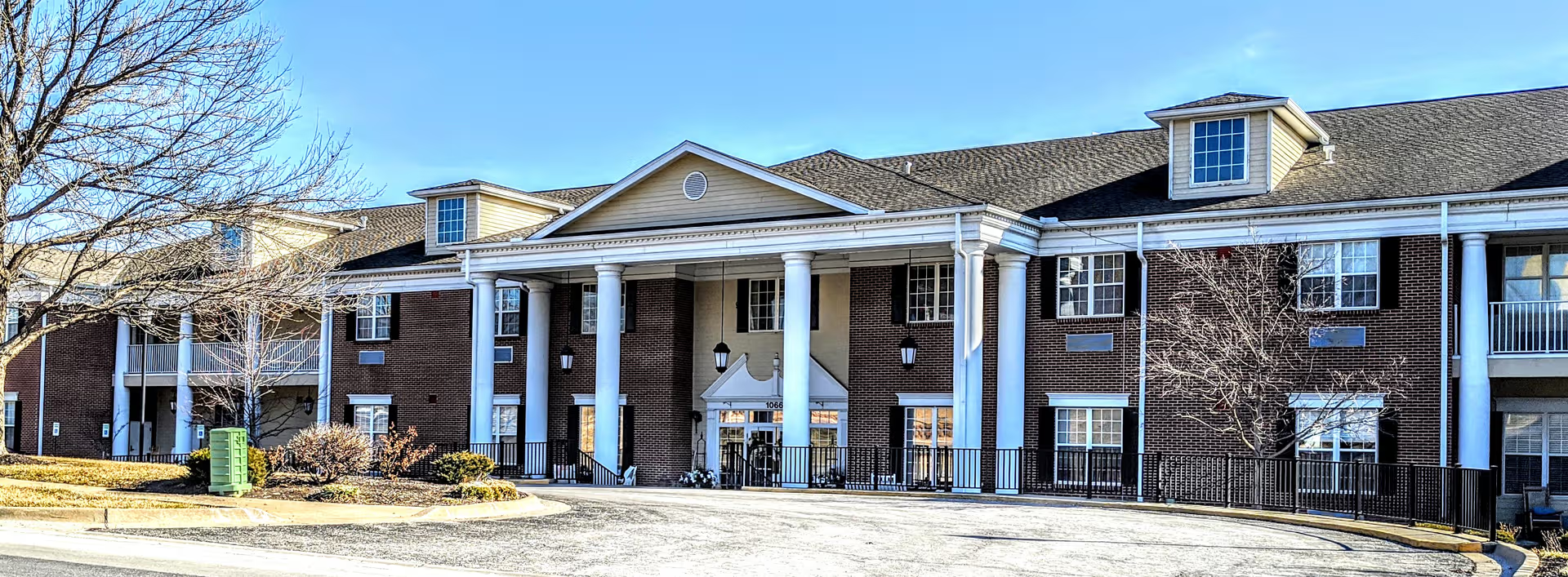
Alto Overland Park is described by many families as a bright, hotel-like community with a strong emphasis on social programming and memory-care services. Reviewers frequently cite a warm, family-style atmosphere in which residents participate in a wide range of activities — from intellectually oriented presentations and Wine Down evenings to outings such as boating and TopGolf. The Lifestyles department and activity staff receive consistent praise for creativity and engagement, and live music and performance programming contribute to a lively communal environment.
Care quality and staffing elicit mixed impressions. Numerous accounts highlight compassionate, attentive nursing and caregiving teams — especially within memory care — and mention consistent staff assignments that help residents feel secure. On-site medical resources, therapy/rehab services, and accessible clinical staff are noted as strengths. Conversely, reviewers point to operational patterns that raise concern: employee turnover and inconsistent staffing levels, delays or uneven responsiveness to night-time calls, occasional medication- and pharmacy-related errors, and gaps in family communication and care-planning transparency. There are also references to variability in clinical-assessment practices, including situations where third-party evaluations were used in lieu of in-person clinical review.
Dining and daily living are largely seen as positives. The dining program is described as high quality, with varied menus, all-day ordering options, a long-tenured chef, and generally good meal service. Apartments and common spaces are repeatedly described as clean, bright, and hotel-like, with many units offering kitchenettes and in-unit laundry. Families appreciate the aesthetics, room sizes, and privacy options in memory-care suites. At the same time, some operational promises have been inconsistently fulfilled — examples include laundry services not provided as expected and amenity features (such as whirlpool availability) that require scheduling or were unavailable at times.
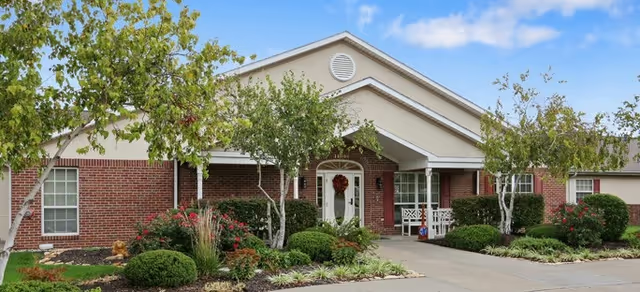
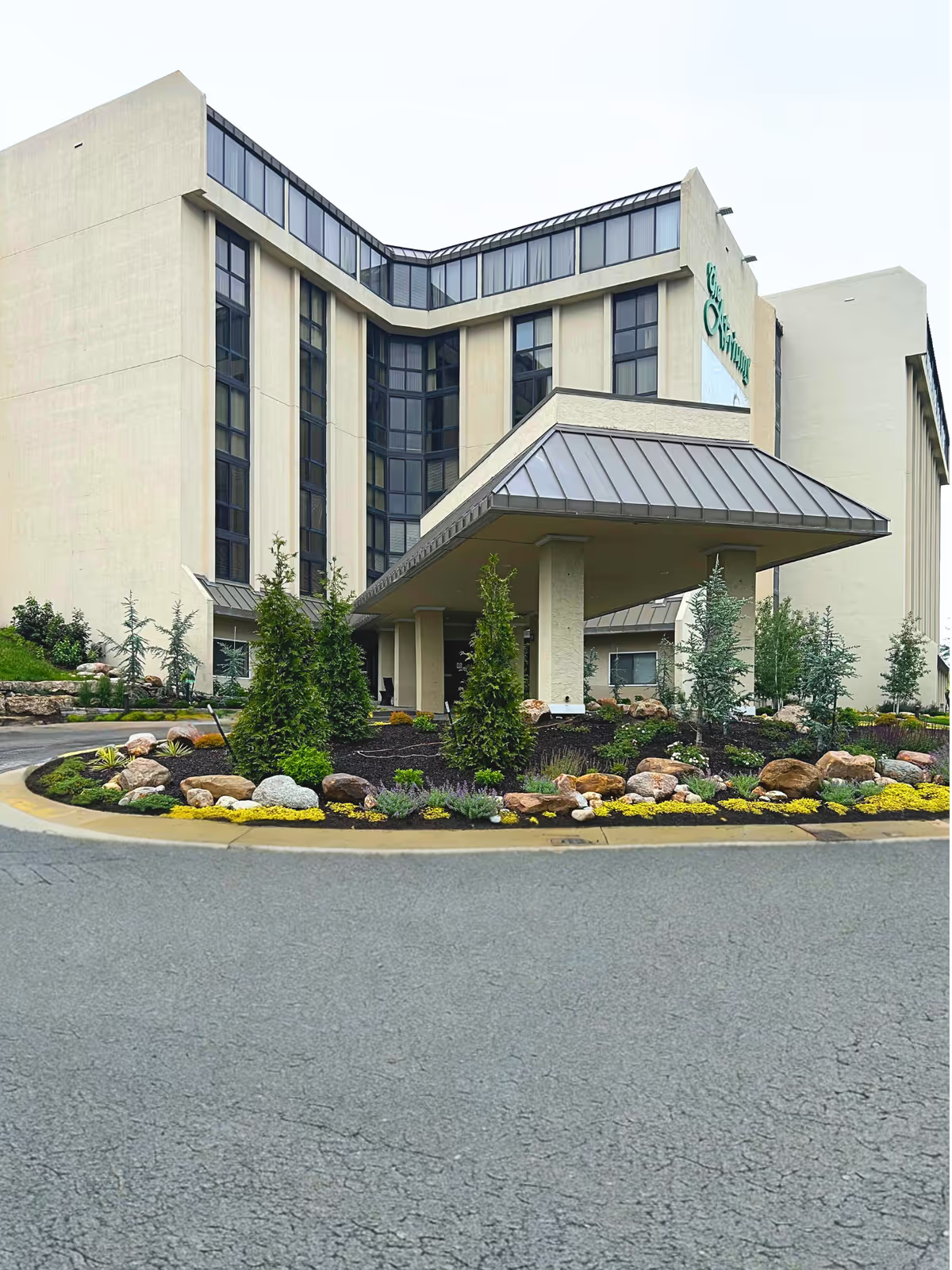
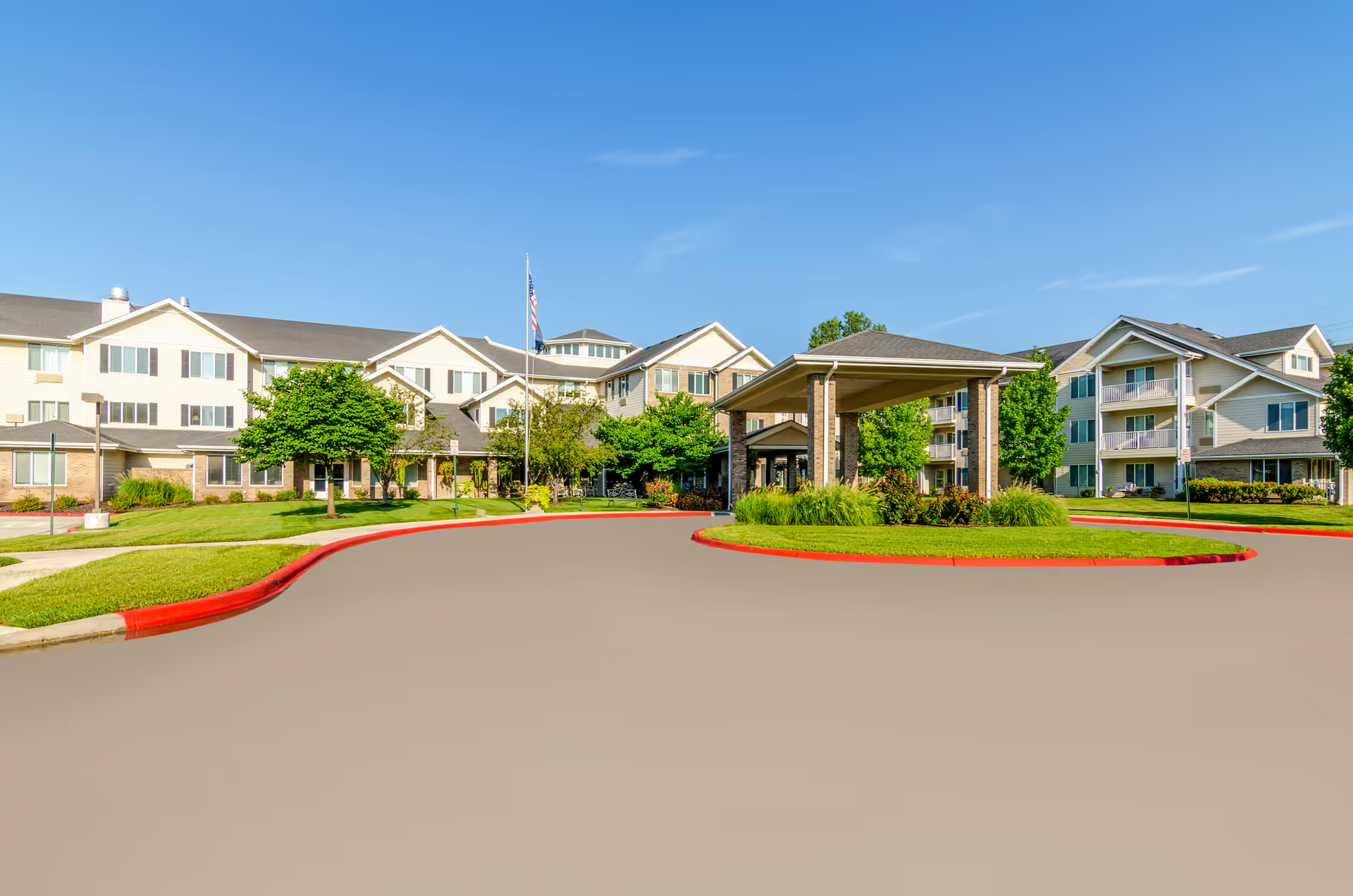
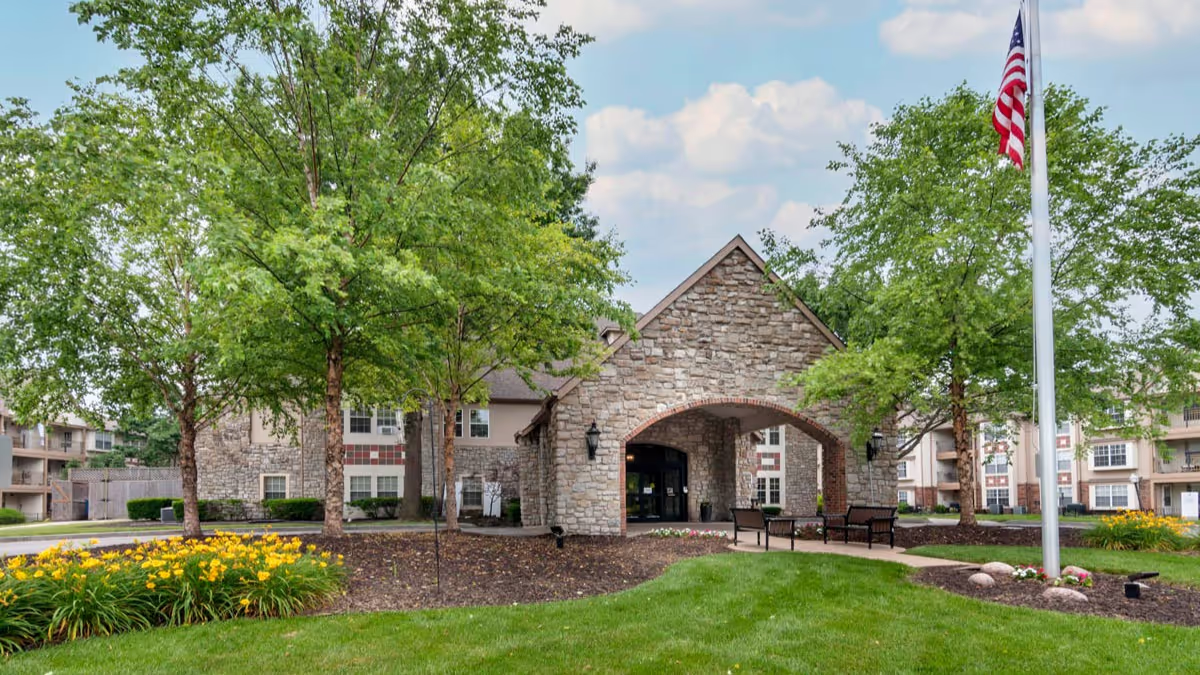
Management and operational practices show both strengths and areas for improvement. Several reviewers praised responsive, engaged leadership and directors who go above and beyond; others raised concerns about communication with families, billing or fee practices (including a nonrefundable administrative fee), and high-pressure sales tactics during admission. Security and personal-property controls also emerged as a facility-level issue in a subset of accounts. Landscaping and outdoor green space are limited relative to the otherwise attractive interior environment.
Overall, Alto Overland Park appears well suited to families prioritizing an active social environment, strong memory-care programming, and a clean, modern living space with robust dining. Prospective residents and families should weigh these strengths against operational caveats: inquire about current staffing stability, overnight and emergency response protocols, medication-administration safeguards, amenity scheduling policies, security measures, and the facility’s fee and refund policies. A focused tour and direct conversations with nursing leadership and the Lifestyles team can help clarify whether the community’s practices align with the prospective resident’s clinical and lifestyle needs.