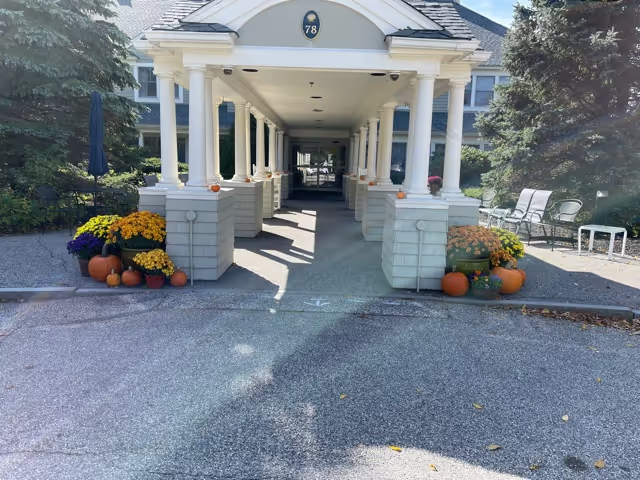
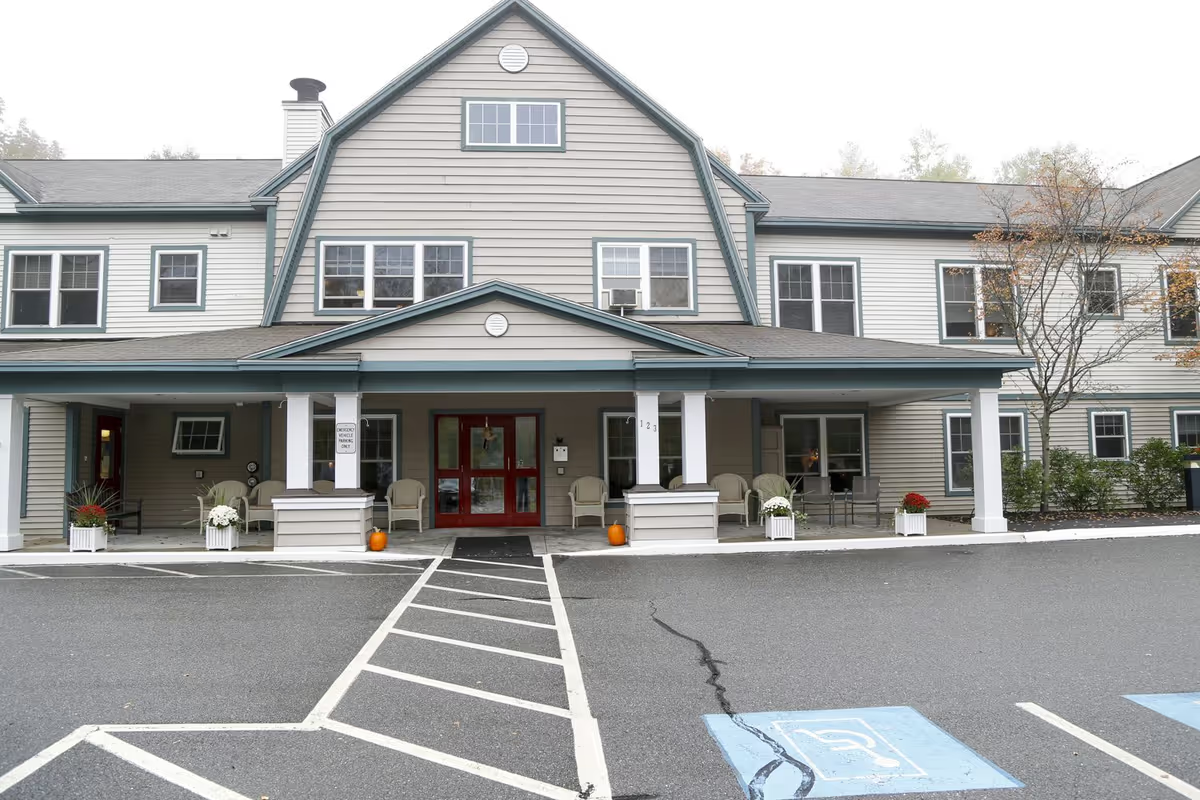
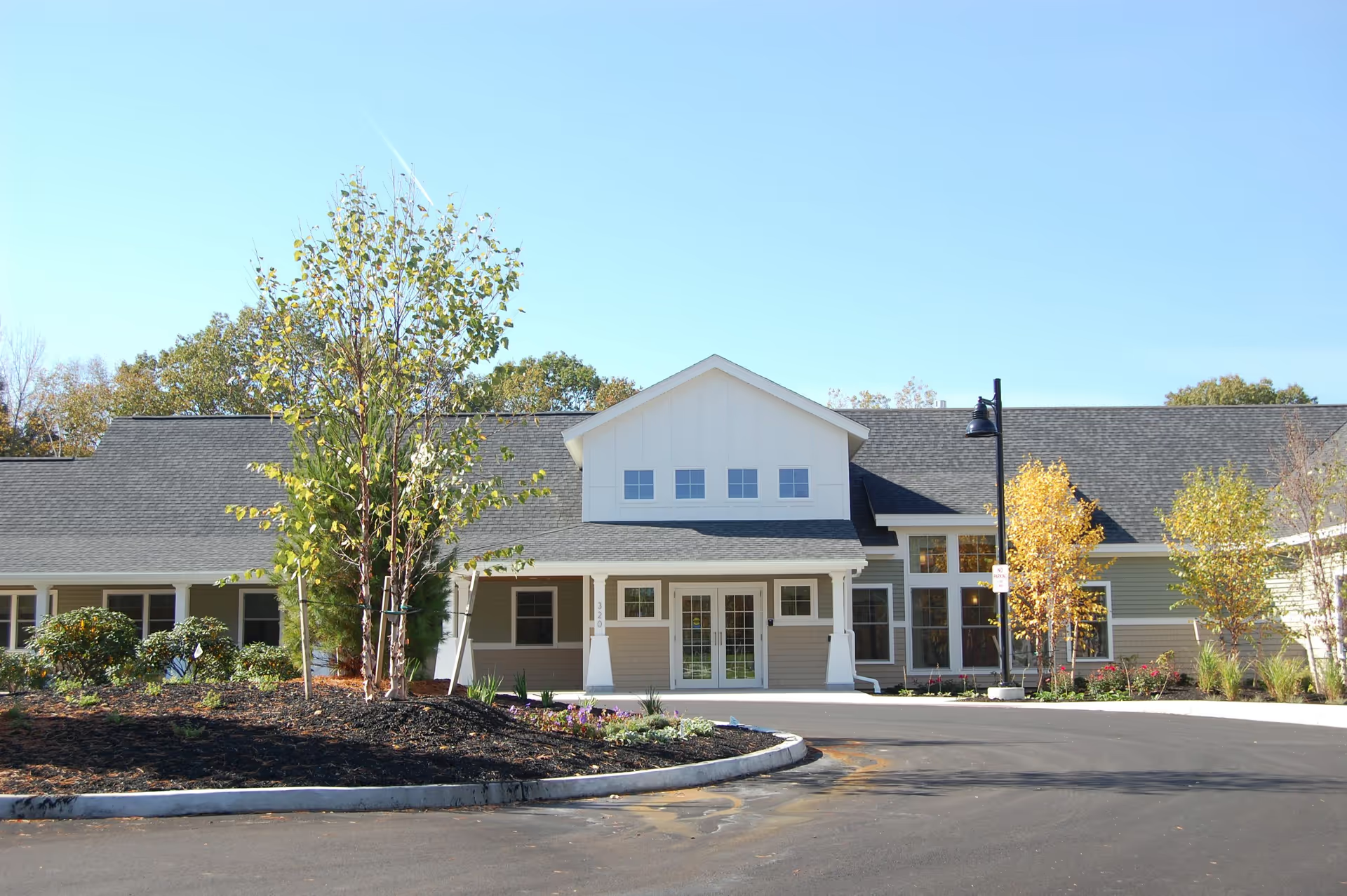
Atria Kennebunk is described across reviews as a modern, well-kept assisted- and memory-care community with numerous amenities and a strong social program. Many families highlight compassionate, personable staff and an active life-enrichment program that includes music, field trips, exercise classes, games, seasonal events, and regular transportation for shopping and appointments. The facility's physical environment receives consistently positive comments: clean interiors, recently updated lobby and common areas, pleasant outdoor spaces, salon and whirlpool amenities, and apartment-style units ranging from studios to two-bedroom layouts that many residents and families find roomy and comfortable.
Dining and hospitality are frequent strengths in the feedback. Multiple accounts praise the food quality, flexible menus, cook-to-order breakfasts, tea/food carts, private dining options, and attentive waitstaff. Housekeeping and maintenance are also commonly described as responsive, contributing to the impression of an orderly campus. Admissions and move-in experiences are often characterized as welcoming and well supported by sales and administrative staff.
Despite these positives, a pattern of operational concerns appears in the reviews. Staffing consistency and retention are recurring themes; reviewers cite instances of turnover and suggest that staffing ratios could be improved to maintain continuity of care. Related to clinical operations, there are noted limitations in the facility's ability to manage higher-acuity or rapidly changing clinical needs, and reviewers advise clarifying the boundary between assisted living services and levels that require relocation or higher medical oversight. Medication-management practices and clinical oversight receive occasional mention as areas needing clearer processes.
Administrative and financial processes are another area of variability. Several comments point to communication lapses between staff and families, inconsistent follow-up from management, and frustration with billing practices such as automatic debits and delayed refunds. There is also explicit mention that certain public benefits are not accepted, which affects financial planning for some prospective residents. A small number of highly serious concerns—including allegations of patient-rights violations and subsequent legal involvement—appear in the feedback; these are outliers in the broader narrative but significant enough that prospective families should inquire directly about rights protections, incident reporting, and grievance procedures.
For prospective residents and families: the facility often delivers a warm, activity-rich, and hospitality-focused environment with strengths in dining, social programming, and physical upkeep. At the same time, families should proactively evaluate clinical capacity and escalation protocols for higher-acuity needs, obtain clear written terms on billing and refund policies, confirm dietary accommodations, and ask about staffing levels and turnover. Direct questions about on-site medical coverage, medication administration procedures, and how the community manages end-of-life transitions will help determine fit for individual care requirements.