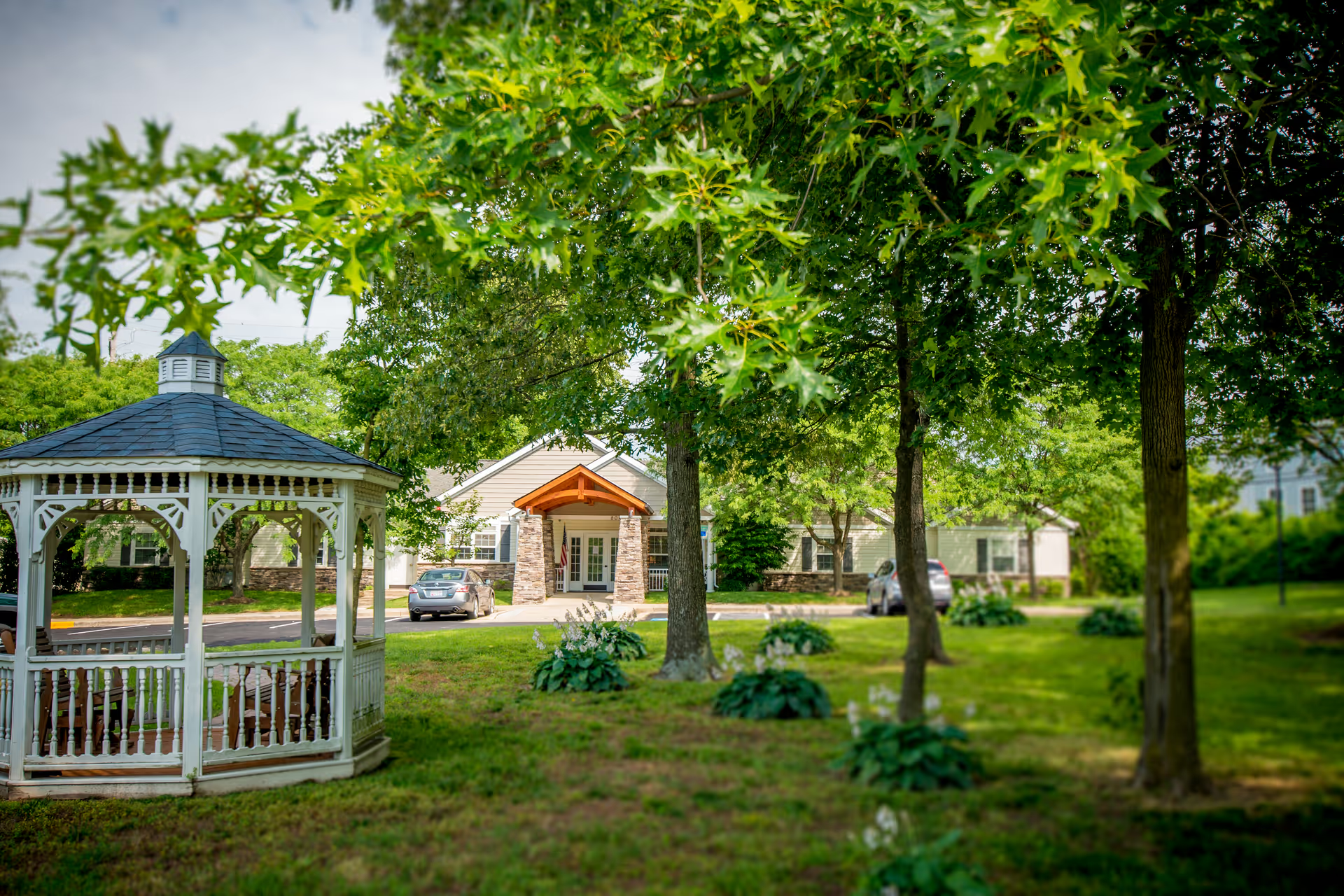
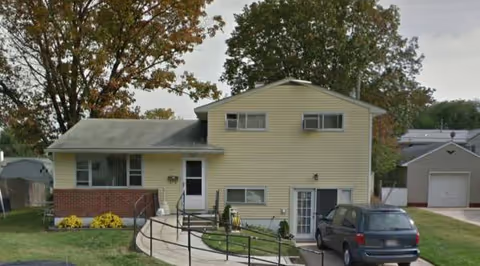
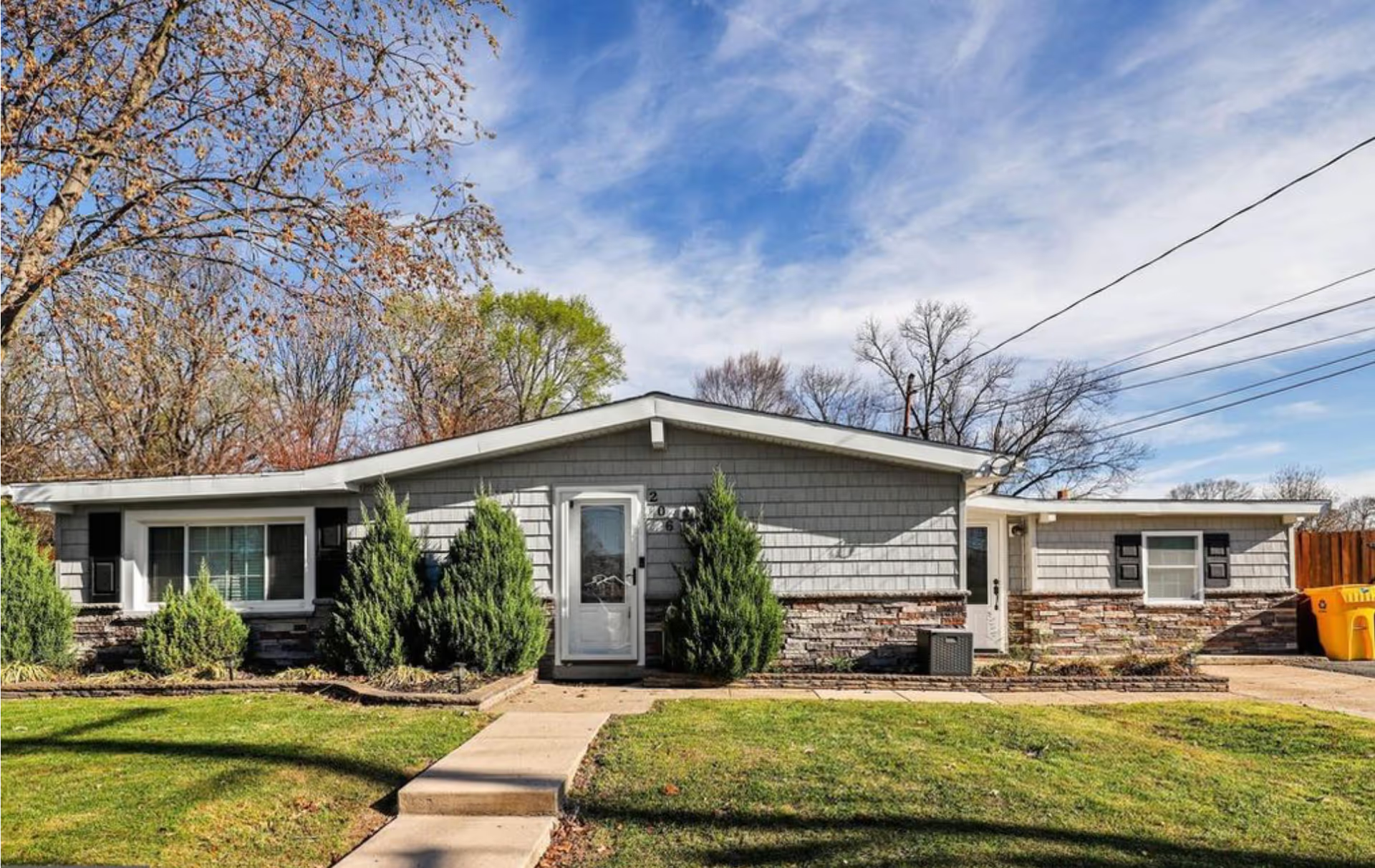
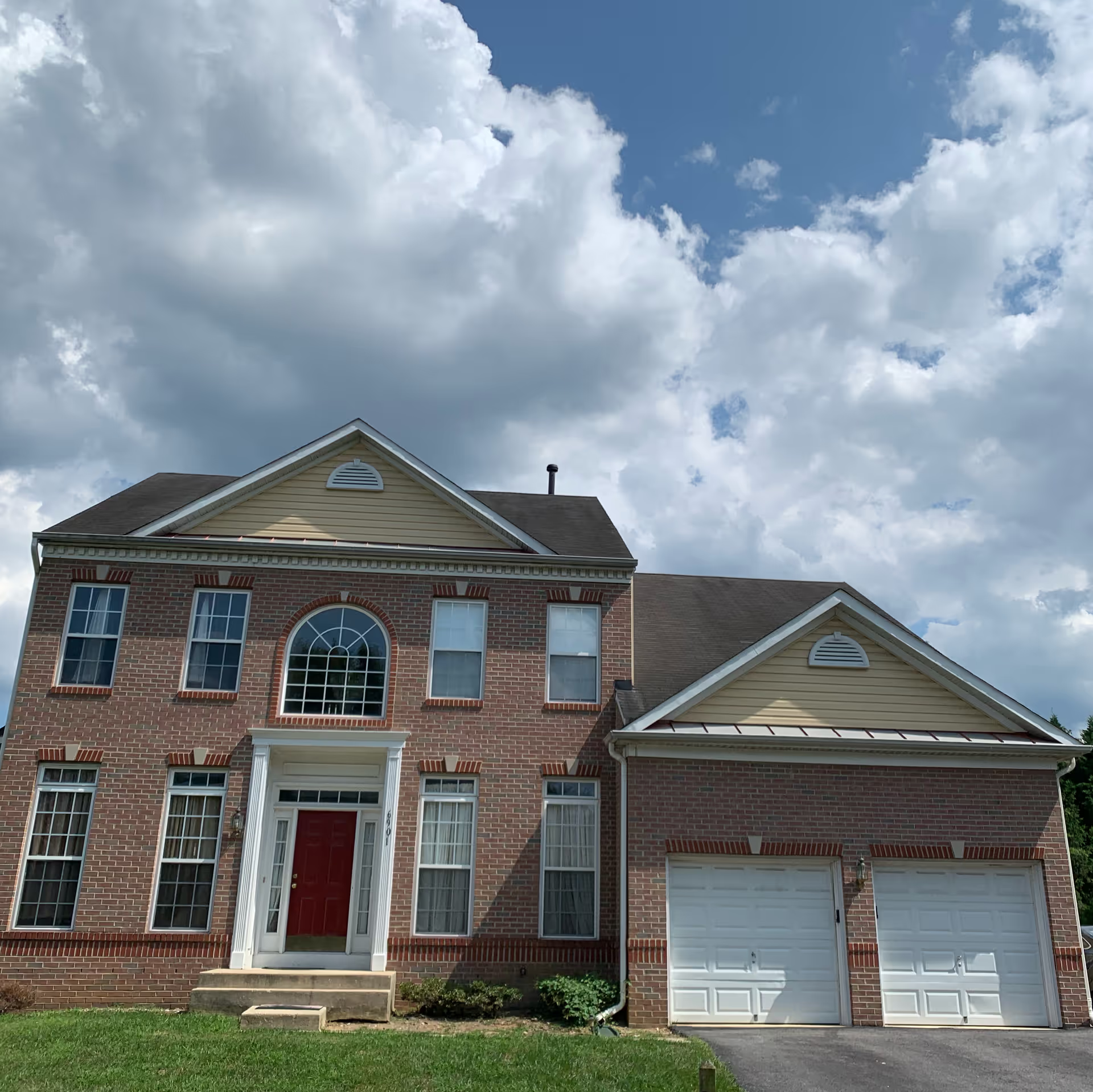
Overall impression: Reviews reflect a community that many families and residents find warm, family‑oriented, and active. The facility's strengths repeatedly cited include a compassionate caregiving team, long staff tenure, a strong memory‑care program, attractive renovated common areas and grounds, and a broad calendar of social and recreational activities. Dining and special-event meals receive frequent praise, and the presence of on‑site therapy, salon services, and transportation support contributes to perceived convenience and continuity of care for many residents.
Care and clinical services: Clinical strengths include a visible nursing presence, on‑site therapists, and familiarity with memory‑care needs. Several families described individualized attention, successful transitions to hospice when needed, and effective engagement of residents with dementia. At the same time, there are recurring operational concerns tied to clinical reliability: inconsistent staffing levels (particularly at certain shifts), documented medication‑administration errors, and examples where the initial assessment or placement overstated the facility's capacity to manage higher dependency needs. These patterns indicate the community is generally well suited to independent and mid‑level assisted living residents but may be less appropriate for people requiring frequent transfers, full‑time mobility assistance, or intensive nursing oversight.
Staff and management: The caregiving team earns strong positive marks for warmth, professionalism, and relationship continuity — many reviews highlight long‑tenured staff who know residents' preferences. Management communication also receives praise for transparent updates and responsiveness in many cases. However, reviewers also describe variability over time: some families experienced prompt, solutions‑oriented leadership, while others saw delays in responsiveness, unmet promises, or difficulties with billing/refund follow‑through. This mixed pattern suggests generally effective day‑to‑day leadership coupled with intermittent operational lapses under pressure or during transition periods.
Dining and activities: The facility's dining program is frequently characterized as a strength, with restaurant‑style presentations, special menus, and engaged kitchen staff. At the same time, a number of reviewers mentioned limited variety or repetitive options in certain service lines, and a few noted constrained choice for particular units. Programming is consistently described as robust — regular outings, themed events, exercise, music, and arts activities — and these offerings are a clear positive for social engagement and resident stimulation.
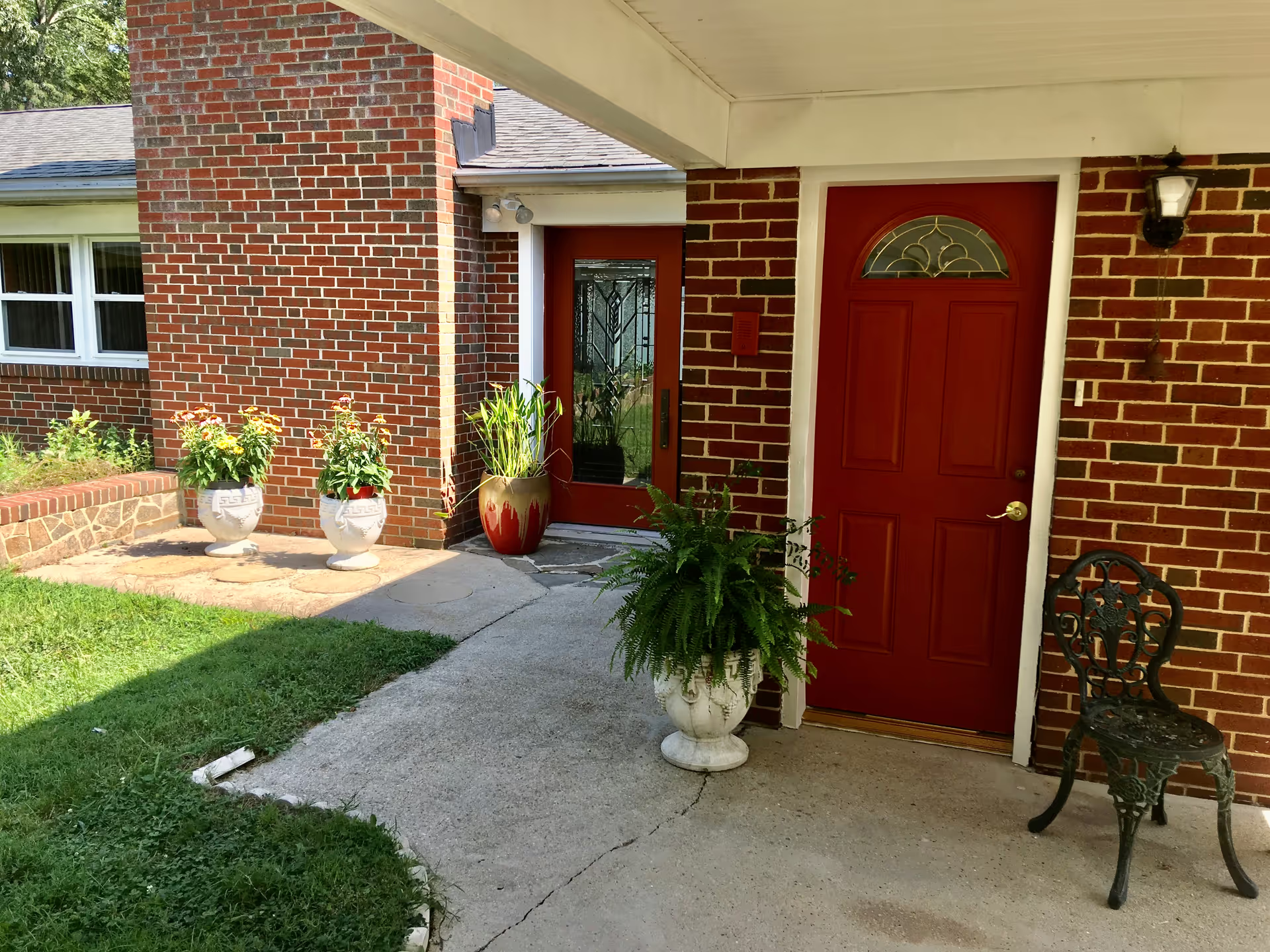
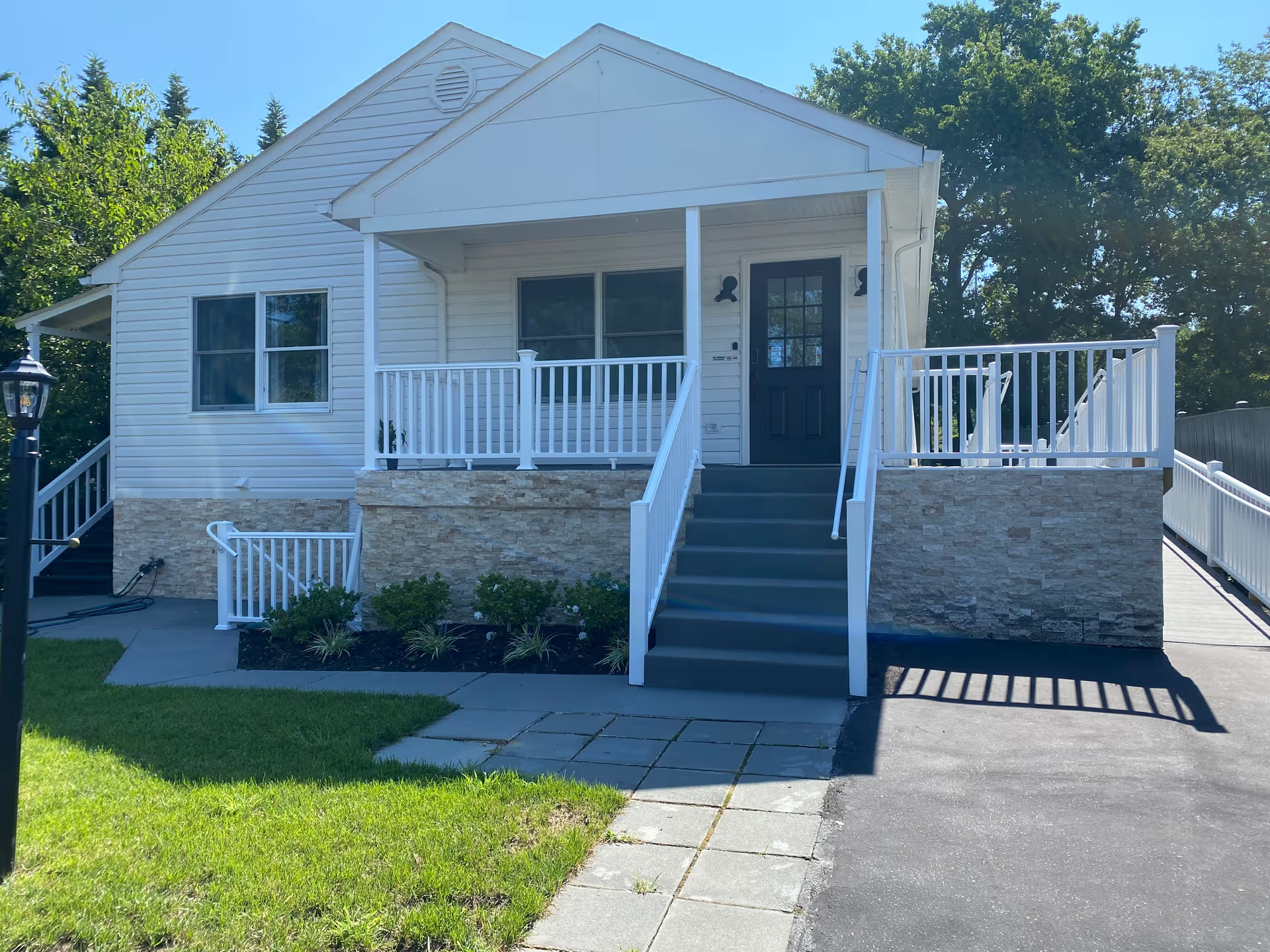
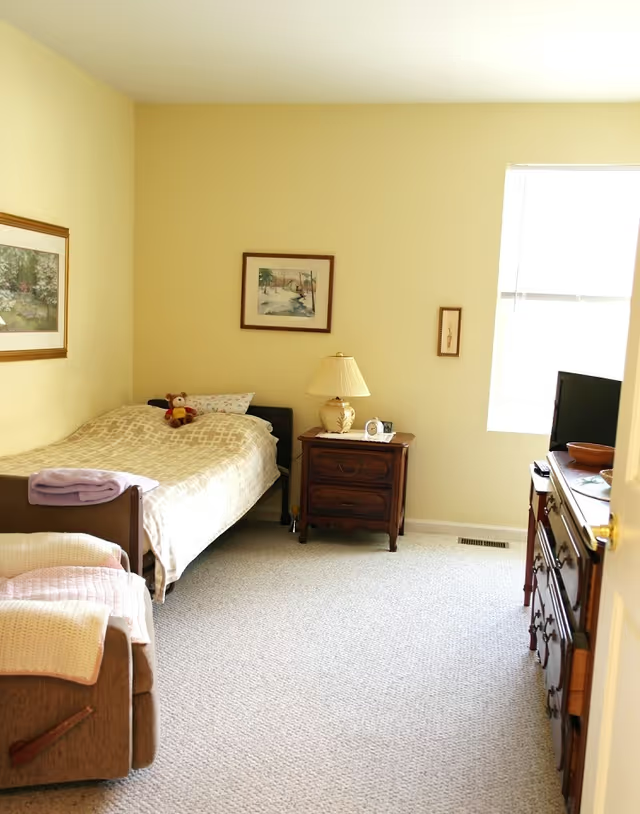
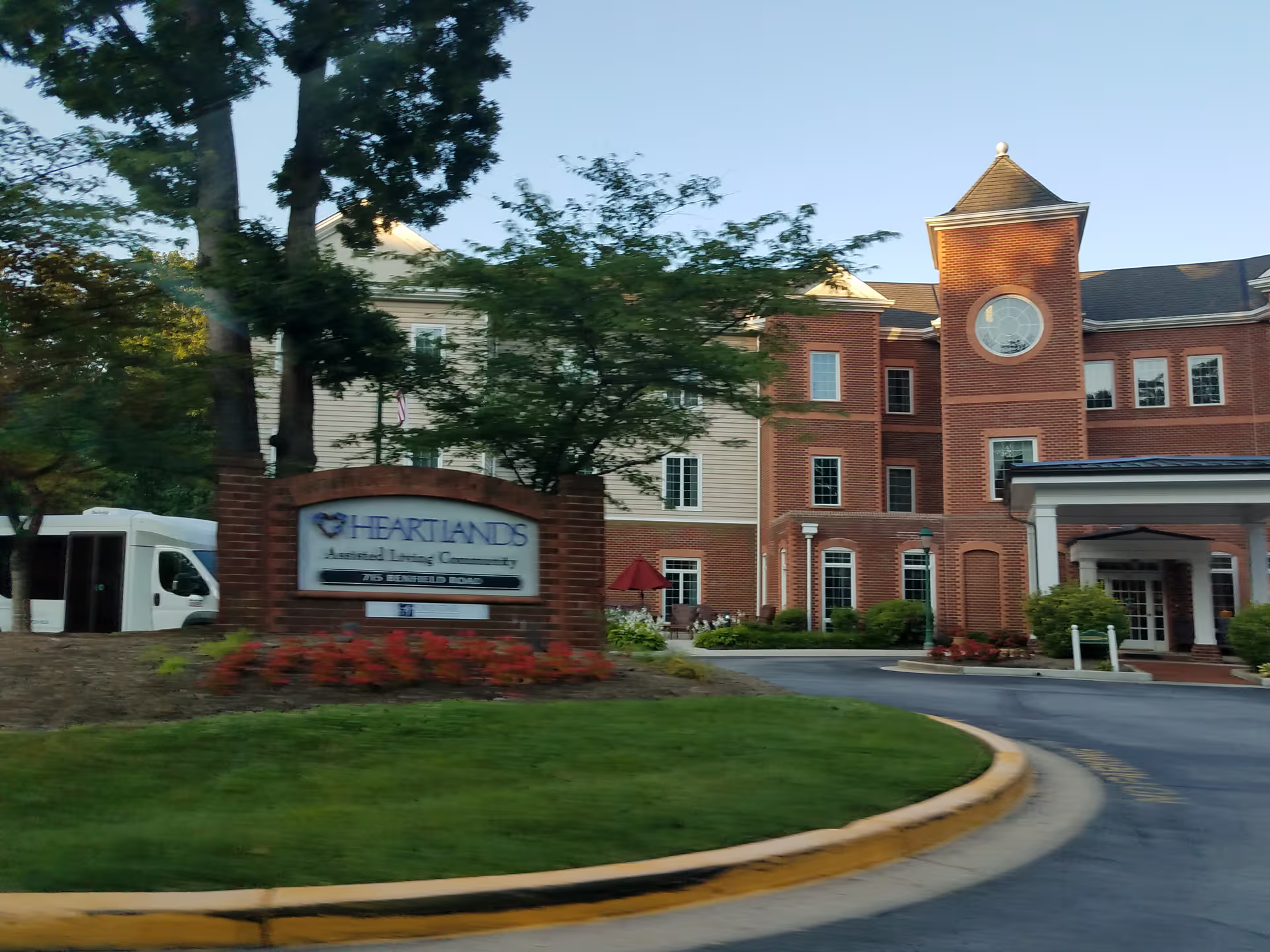
Facilities and amenities: Physical spaces are often described as clean, updated, and pleasant, with useful amenities such as private rooms with en‑suite bathrooms, outdoor patios, fenced outdoor areas, salon services, and well‑kept common areas. Conversely, a recurring facility‑level concern is small apartment sizes and semi‑private room footprints that some families find restrictive. A smaller number of reviews raise sanitation concerns within individual apartments or bathrooms and point to occasional lapses in housekeeping standards. There are also occasional notes about access‑control inconsistencies that prospective families should verify during a tour.
Costs and placement fit: Price and fee structure are important themes. Reviewers note relatively high base fees and explicit care‑level upcharges, with some families pointing to recent and planned annual increases. Combined with the assessment‑placement concerns, this contributes to a pattern where the community is valued for its warmth and services but may become costly if a resident requires higher levels of hands‑on care — at which point families often assume additional personal caregiving responsibilities.
Notable patterns and guidance for families: The dominant pattern is of a generally well‑run, activity‑rich community with strong interpersonal care culture and good amenities, particularly for residents who are independent to moderately dependent. Recurrent operational weaknesses — inconsistent staffing coverage, medication management issues, variable cleanliness in units, occasional communication or billing breakdowns, and rising fees — suggest areas to probe during evaluation. Prospective residents and families should clarify staffing ratios for the specific unit and shifts, review medication‑management and incident‑reporting protocols, ask about fee escalation and care‑level upcharges, inspect intended apartments for size and sanitation, and confirm security/access procedures. These checks will help align expectations about fit and ensure the community’s strengths match the resident’s level of need.