Kensington Park Senior Living is consistently praised for its caregiving culture and campus presentation. Families and residents commonly describe staff as compassionate, attentive, and engaged; reviewers highlight low turnover, a high staff-to-resident ratio, and specific dementia-training that support memory-care programming. Multiple reviews call out individualized attention, regular nursing and therapy visits, on-site rehabilitation services, and proactive infection-control measures — including a strong COVID response and high vaccination uptake — which together contribute to a sense of clinical reliability and safety.
Dining, activities, and therapy are frequent strengths. The dining program is often described as restaurant-quality with varied menus and accommodations for dietary needs; several families also praised individualized meal service and special-diet options. Activity offerings are broad and structured, ranging from music and brain therapies to exercise classes, art, lectures, and social events; reviewers note that programming fosters socialization and cognitive engagement. On-site amenities — fitness rooms, libraries, salons, multiple buildings for different care levels, and well-kept outdoor walking spaces — reinforce a residential, home-like atmosphere that many residents find welcoming.
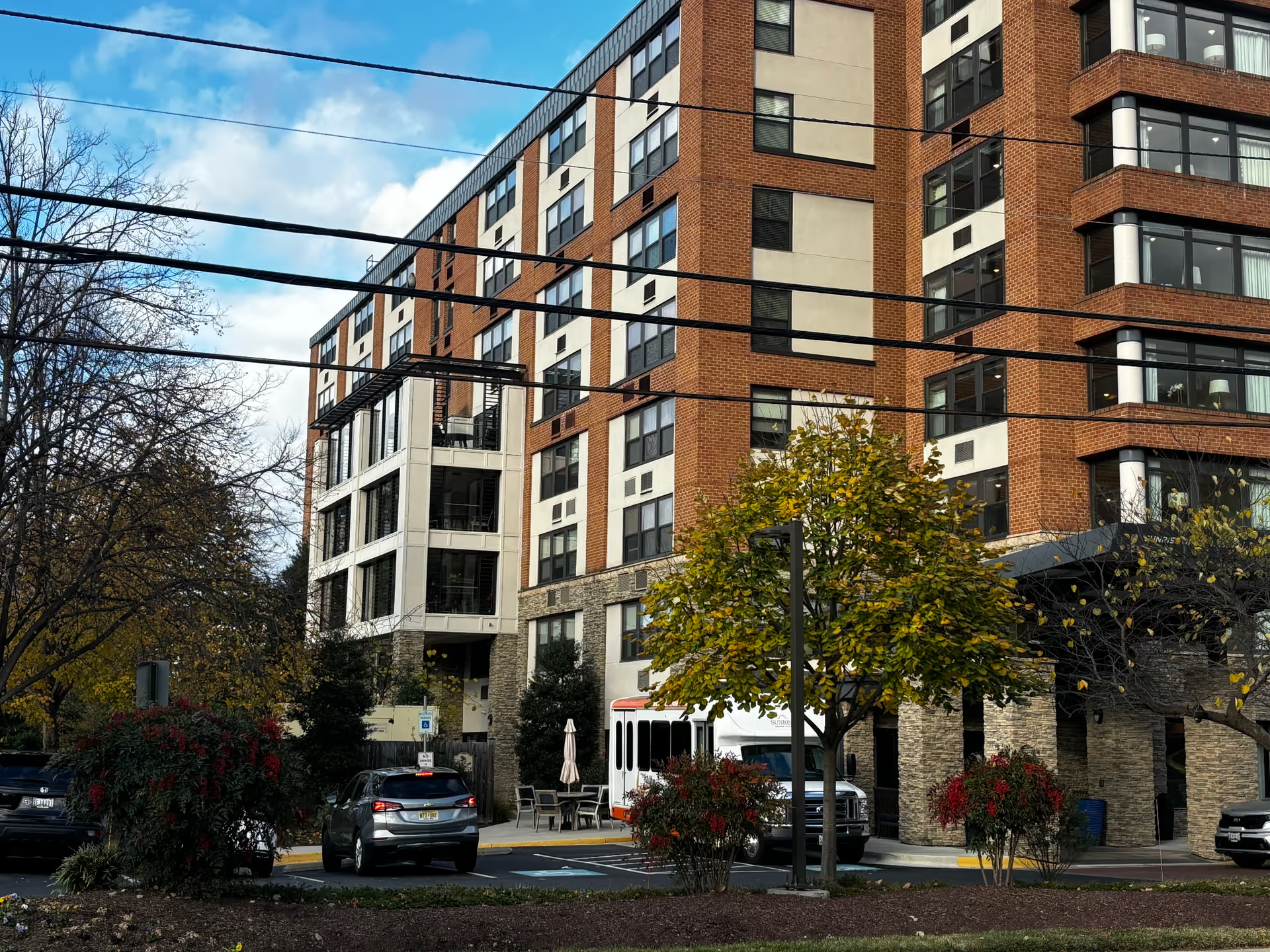
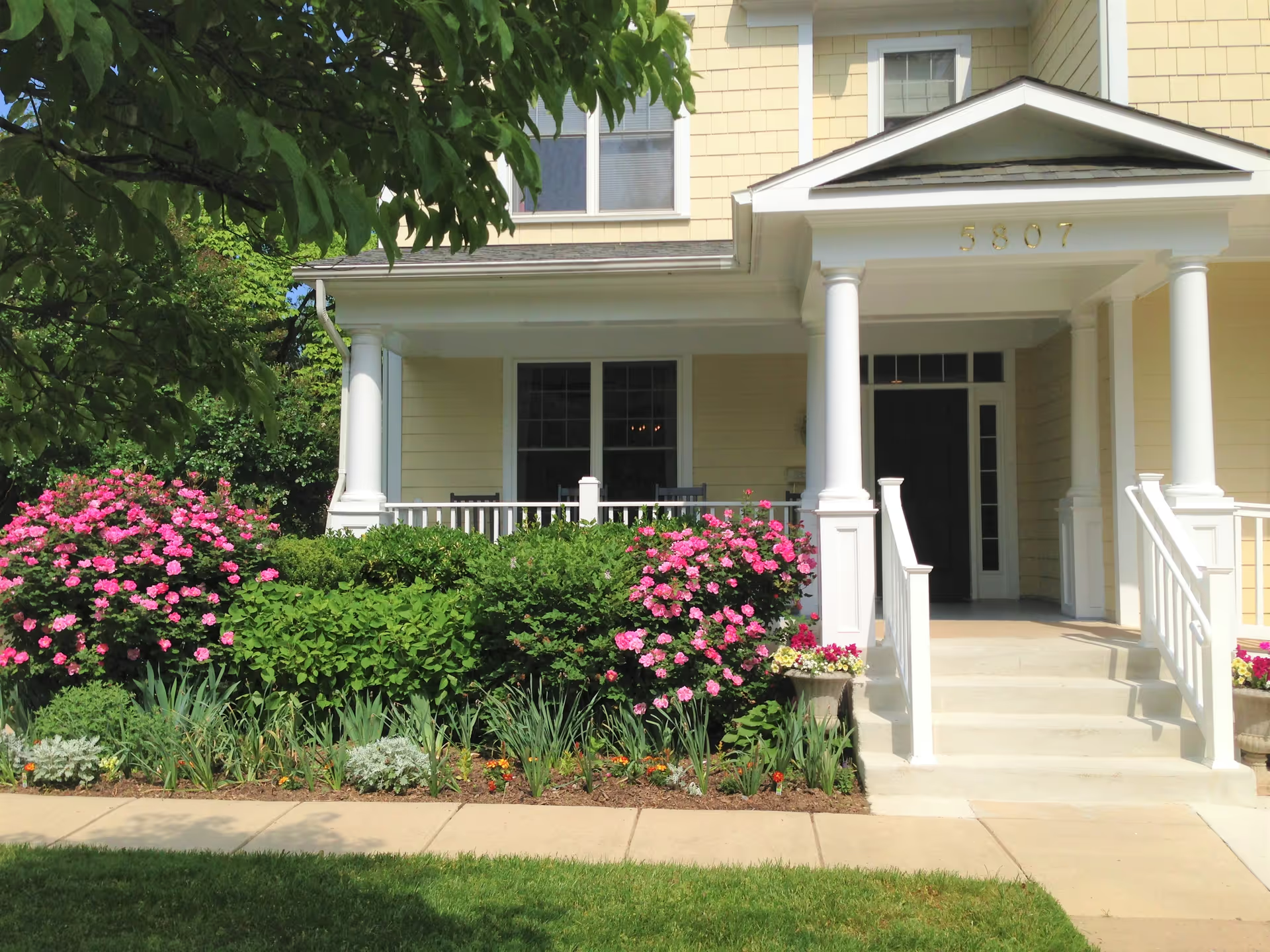
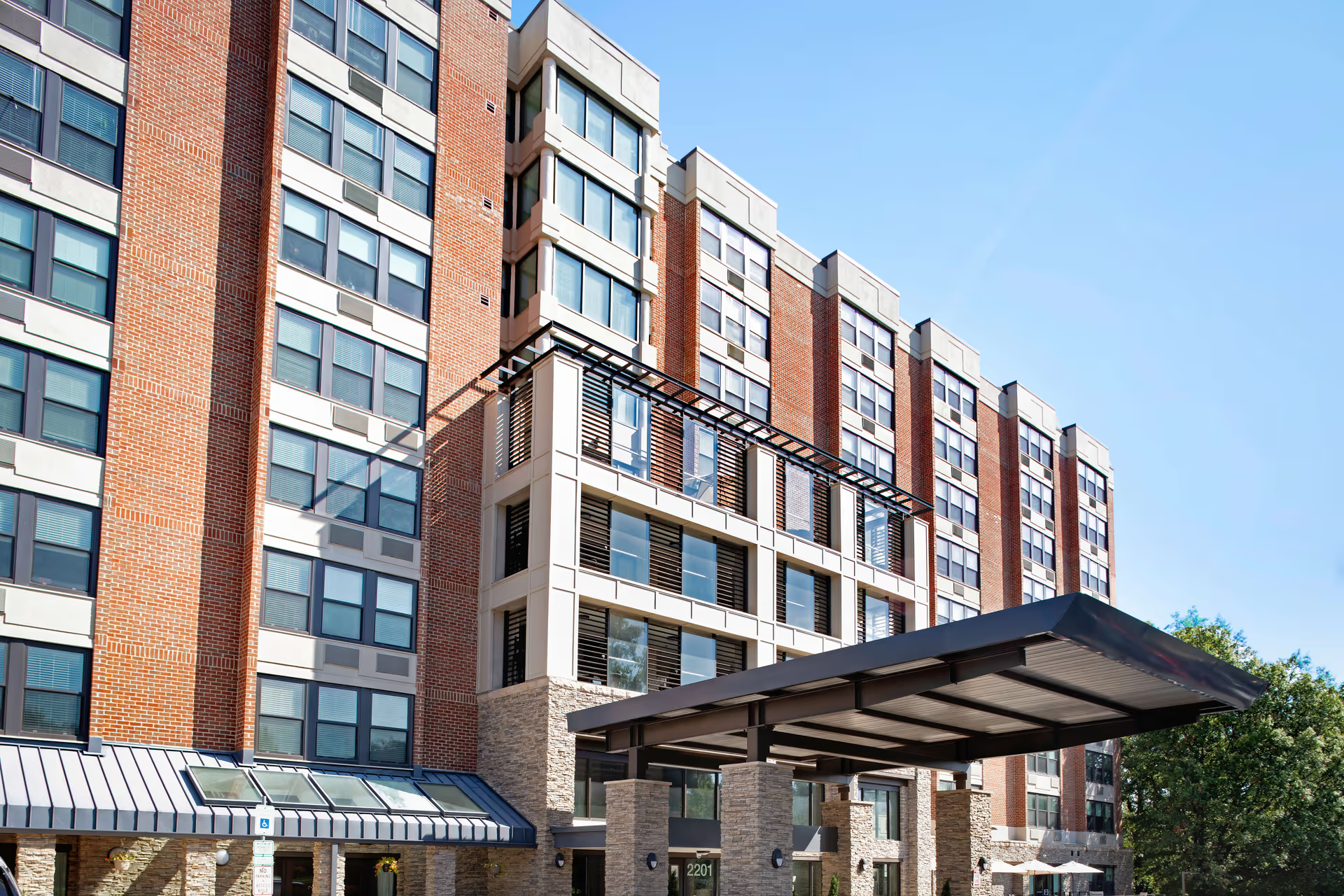
Facility upkeep and management receive strong positive comments. The buildings and grounds are described as meticulously clean and tastefully landscaped; maintenance and housekeeping responsiveness are repeatedly noted. Management and leadership are frequently characterized as responsive, organized, and family-oriented, with clear communication channels, weekly updates during higher-risk periods, and inclusive decision-making around resident care. Transport and concierge services, as well as coordinated physician and therapy visits, are additional operational strengths called out by families.
Notable patterns of concern center on cost, space, and specific operational limits. Pricing and entrance fees are consistently cited as high, and some floorplans — particularly shared or studio layouts — are smaller than typical expectations; a few reviewers described apartment layouts as overcrowded when heavily furnished. There are recurring notes about limited immediate availability and waitlists for move-in, and some families find visitor parking and regional distance to be inconvenient. A smaller set of comments point to occasional language or communication barriers among direct-care staff and uneven skill levels for highly advanced or bedbound dementia care; these suggest the need for focused training and targeted staffing for complex clinical needs. Finally, activity coverage on certain days (for example, weekends) and variable perceptions of meal quality over time surfaced in some accounts.
Overall, Kensington Park presents as a well-managed, highly rated community for families prioritizing attentive staff, robust memory-care programming, varied activities, and a high standard of cleanliness and campus amenities. Prospective residents and families should weigh the premium cost against the service level, confirm apartment dimensions and furnishing plans during tours, and discuss specific clinical capabilities and language needs if the prospective resident requires advanced or bedbound dementia care. Scheduling a detailed visit and asking about current availability, weekend programming, and staff-language resources will help align expectations with the community’s strengths and limitations.