Overview Arbor Terrace presents a mixed but repeatable picture: the community offers well-appointed common spaces, a broad slate of amenities, and a highly active engagement program, while several operational weaknesses create variability in resident experience. Many families praised the staff’s warmth, individualized attention, and the engagement team’s creativity; at the same time, multiple reviews raise substantive concerns about housekeeping standards, clinical oversight, and certain administrative practices. Prospective residents should weigh the consistently strong social and dining offerings against reported operational inconsistencies.
Care and clinical operations Care strengths include attentive staff members, a clearly active memory-care program, on-site therapy options, and staff who are often described as compassionate and knowledgeable. However, recurring themes point to gaps in clinical monitoring and documentation (for example, inconsistent room-check protocols and limited tracking of fluid intake), perceived inconsistencies in medication-handling practices, and delays in responding to call lights or assistance requests. Understaffing and staff turnover were frequently linked to slower response times and uneven continuity of care. These are operational traits that can affect safety and day-to-day wellbeing, particularly for residents with higher medical needs.
Staff and management Staff demeanor and individual employee performance receive strong, frequent praise—many reviews single out specific employees and describe a family-like atmosphere. Conversely, leadership and management consistency appear uneven: leadership changes, variable follow-up, and examples of slow or inconsistent communication with families were cited. Billing and financial-practice concerns, including complaints about unexpected charges and aggressive collections in a few cases, are serious operational issues; one set of comments framed these as allegations of misconduct, which prospective families should investigate during a tour and contract review.
Dining and activities Dining and social programming are clear strengths. The dining room is often described as restaurant-style, with a professional chef, varied menus, and many positive meal comments. At the same time, some reviewers noted variability in food quality and service timeliness, including long waits in the dining room during peak periods. The activities program is robust and appears to be an institutional focus: frequent group activities, outings, resident-led events, music, and holiday programming receive consistent praise and contribute strongly to community life.
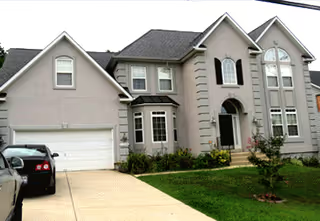
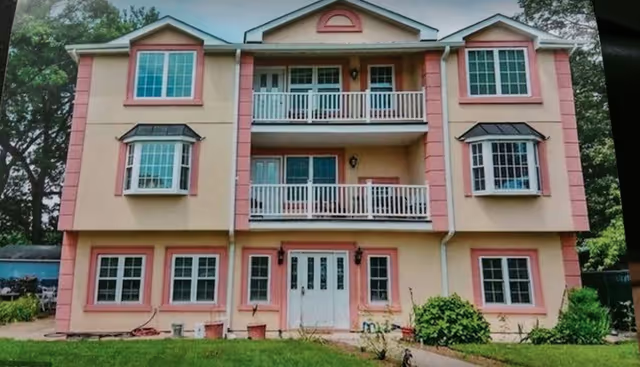
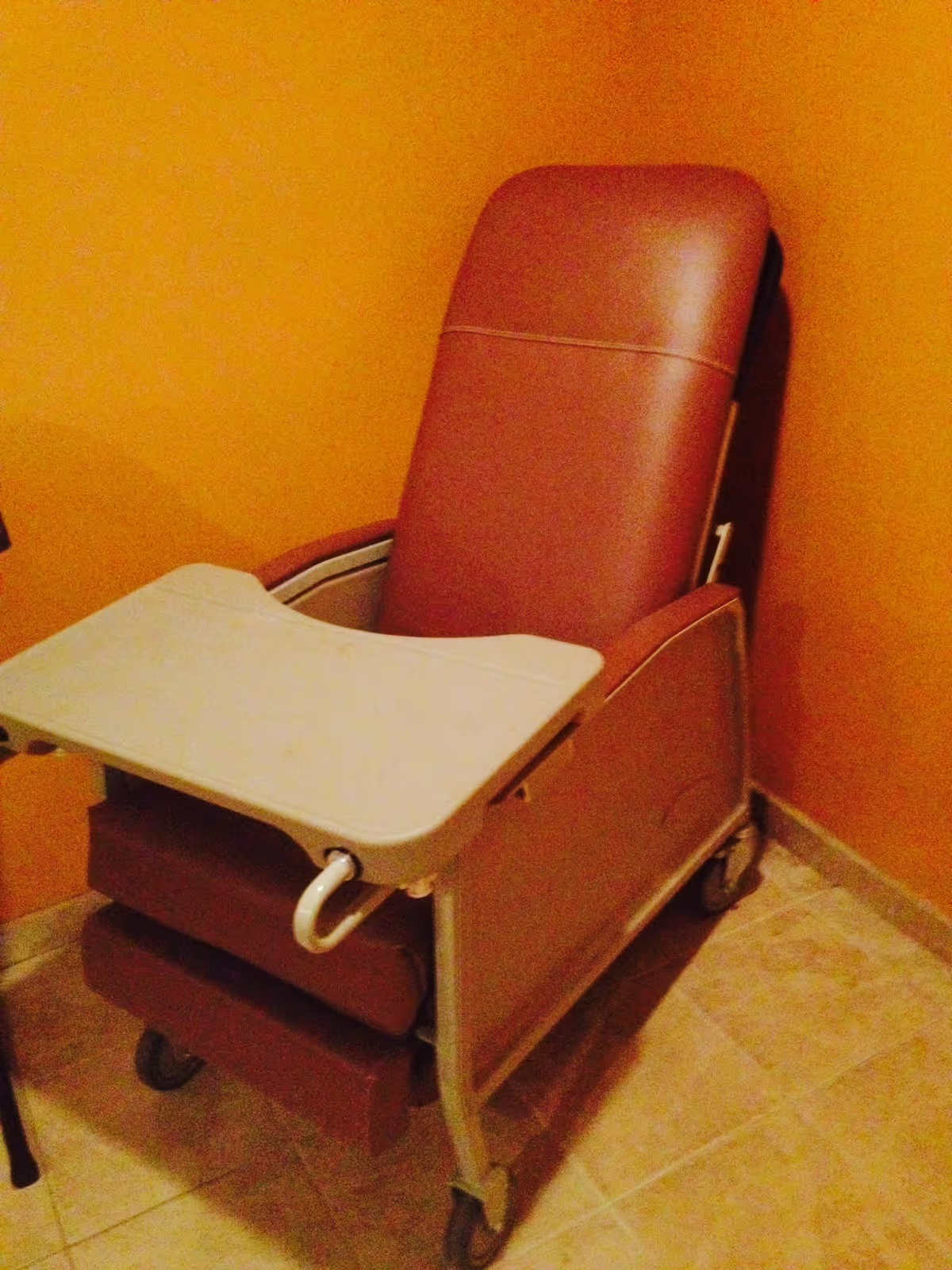
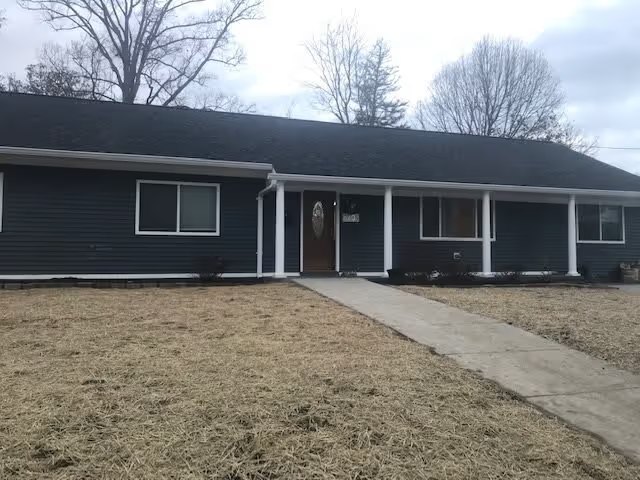
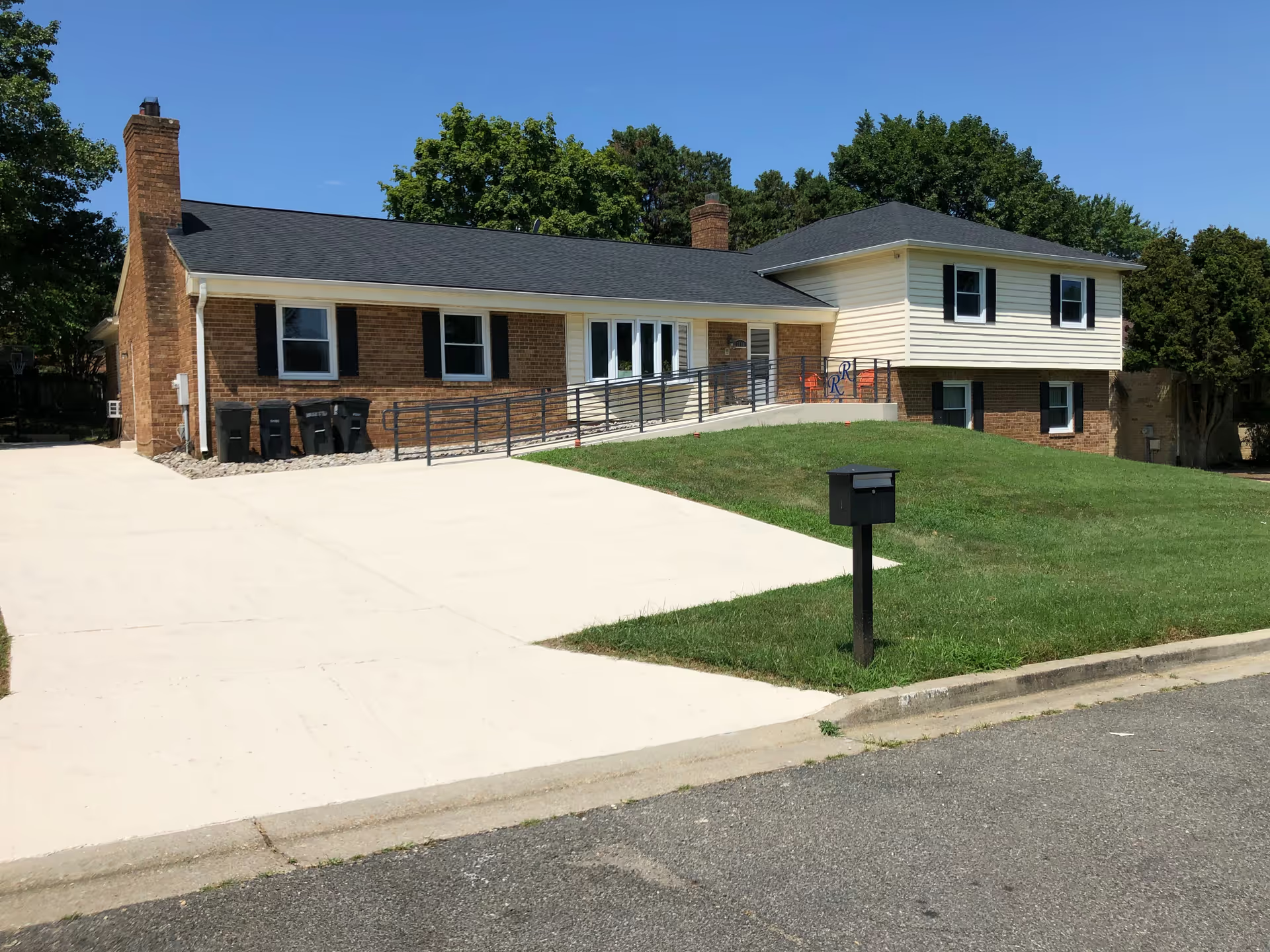
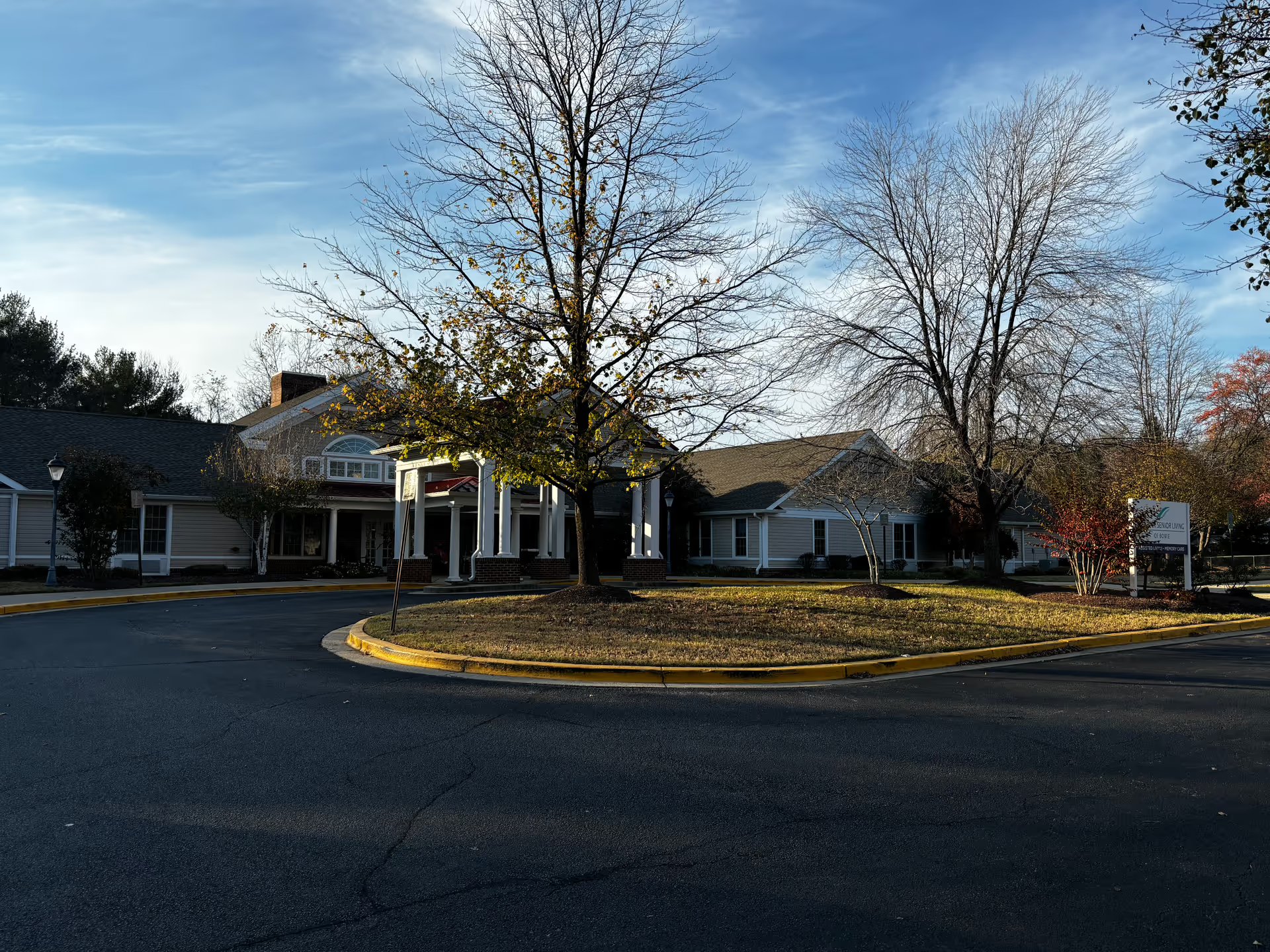
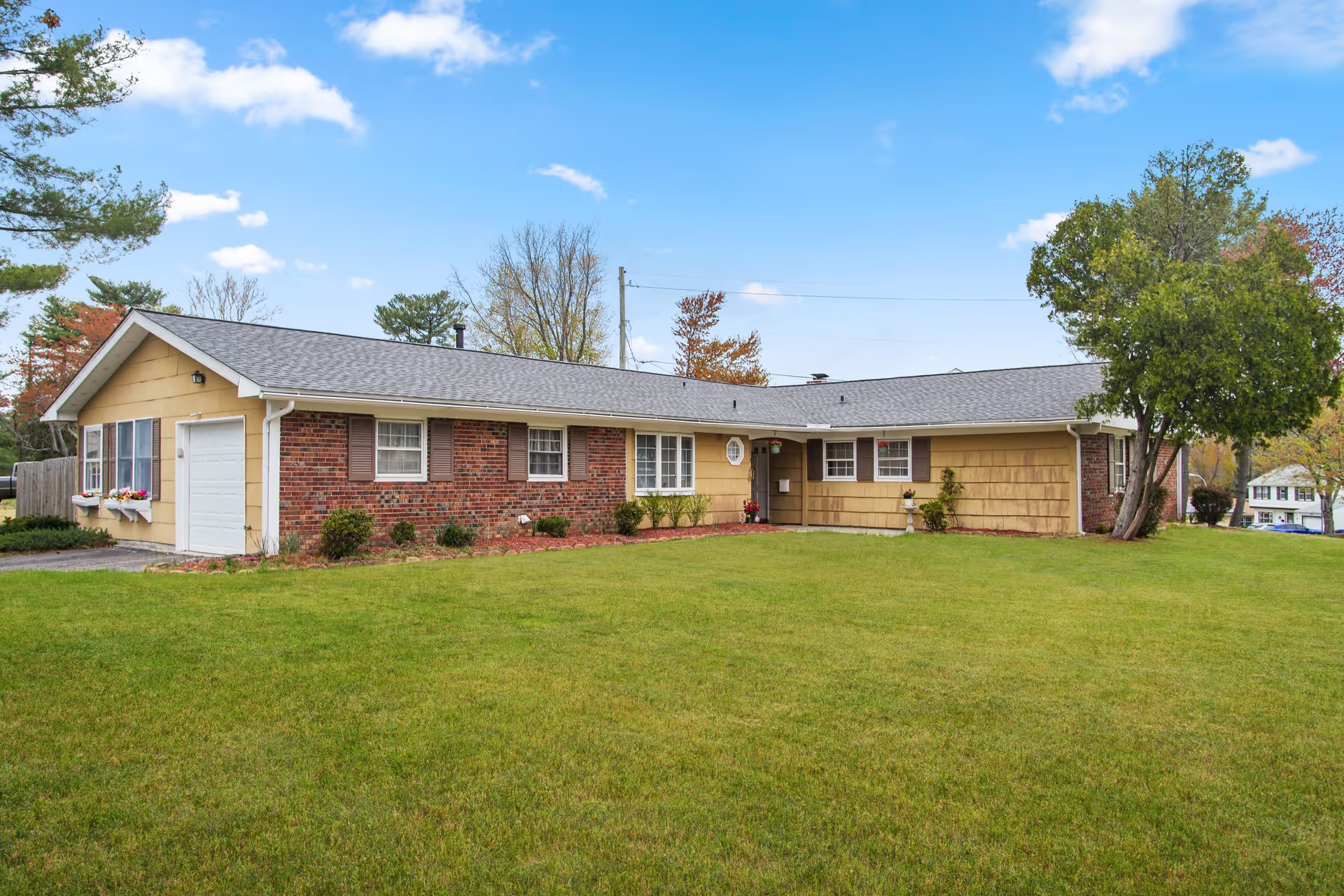
Facilities and safety The campus and common areas are frequently described as attractive, clean, and well maintained, with amenities such as a theater, salon, courtyard, aviary, and private dining spaces. However, there are repeated observations about cleanliness problems in private apartments and housekeeping inconsistencies, as well as isolated pest-control concerns. Security and access-control practices—particularly at night—are another area of concern; several reviewers described lapses in night staffing or door-control protocols. Apartment sizes and condition vary; some units have been noted as needing renovation or additional furnishings.
Notable patterns and guidance for families The data show a split profile: strong social engagement, personable direct-care staff, and quality amenities versus operational weaknesses that affect hygiene, clinical oversight, security, and billing transparency. When evaluating Arbor Terrace, families should (1) conduct unannounced or varied-time visits to assess staffing and dining service, (2) ask for written protocols on sanitation, room checks, medication administration, and fluid-intake monitoring, (3) request clear billing examples and contract language about fees and reassessments, and (4) inquire about security procedures and night staffing. These targeted questions will help determine whether the community’s many strengths align with a prospective resident’s medical complexity and family expectations.